
The last big adventure of 2026 is going to Central Europe. This trip was a year in the planning stages and it is now time to cross the pond.
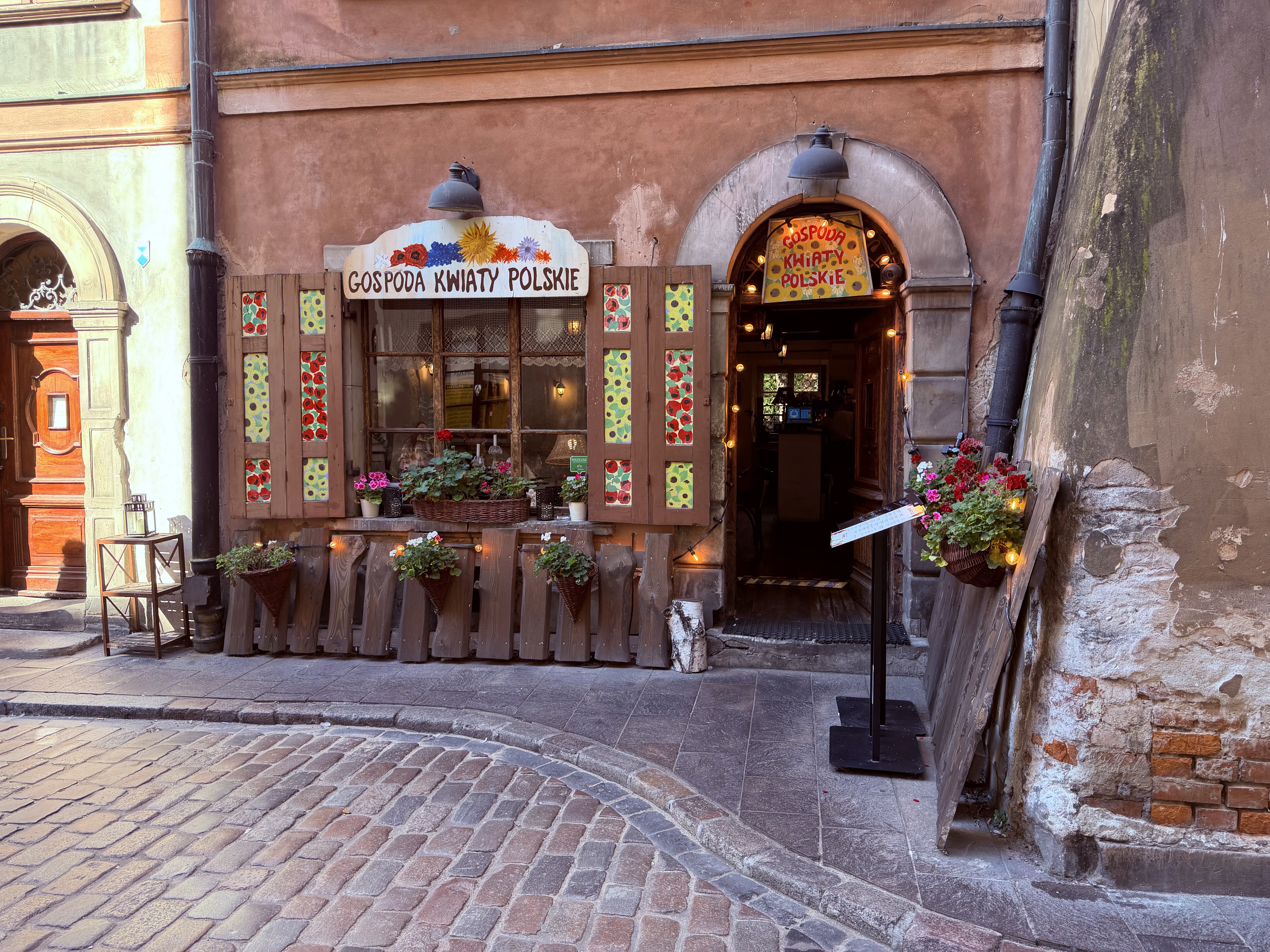
Warsaw, Poland was our first stop on our month long trip. Flying time was about 13 hours from Tampa via Frankfurt. We arrived in Warsaw mid day and we quickly began to explore.
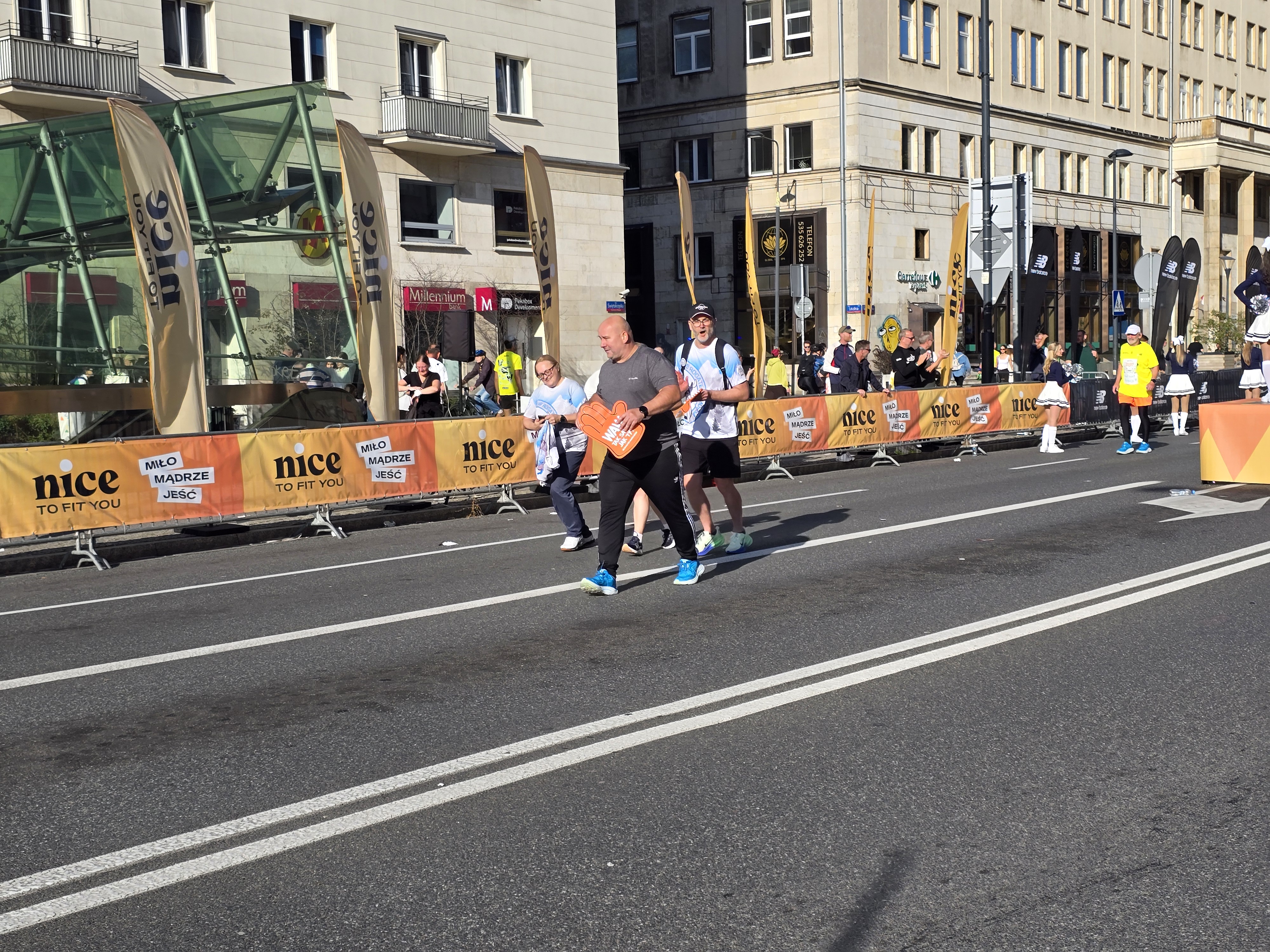
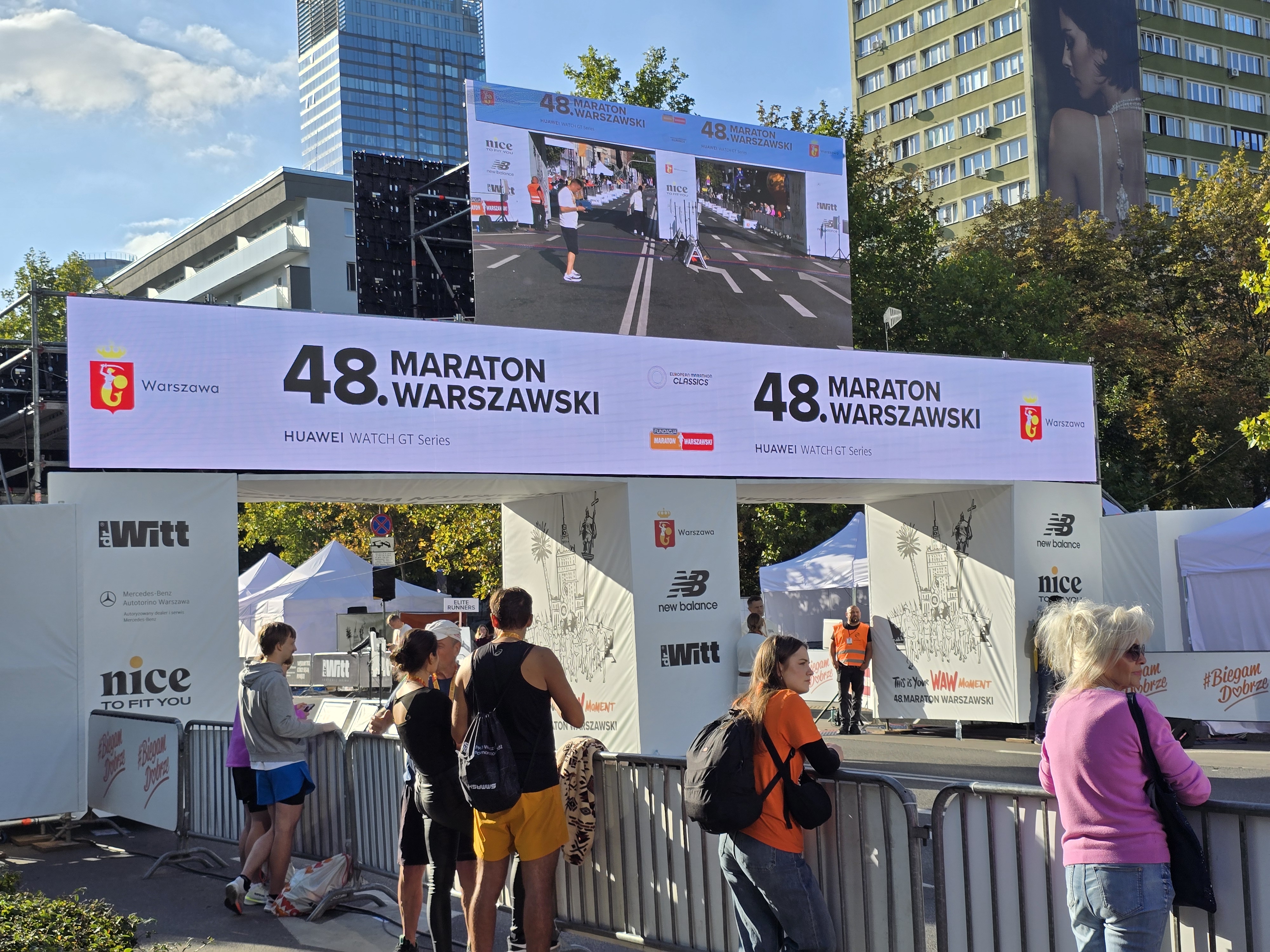
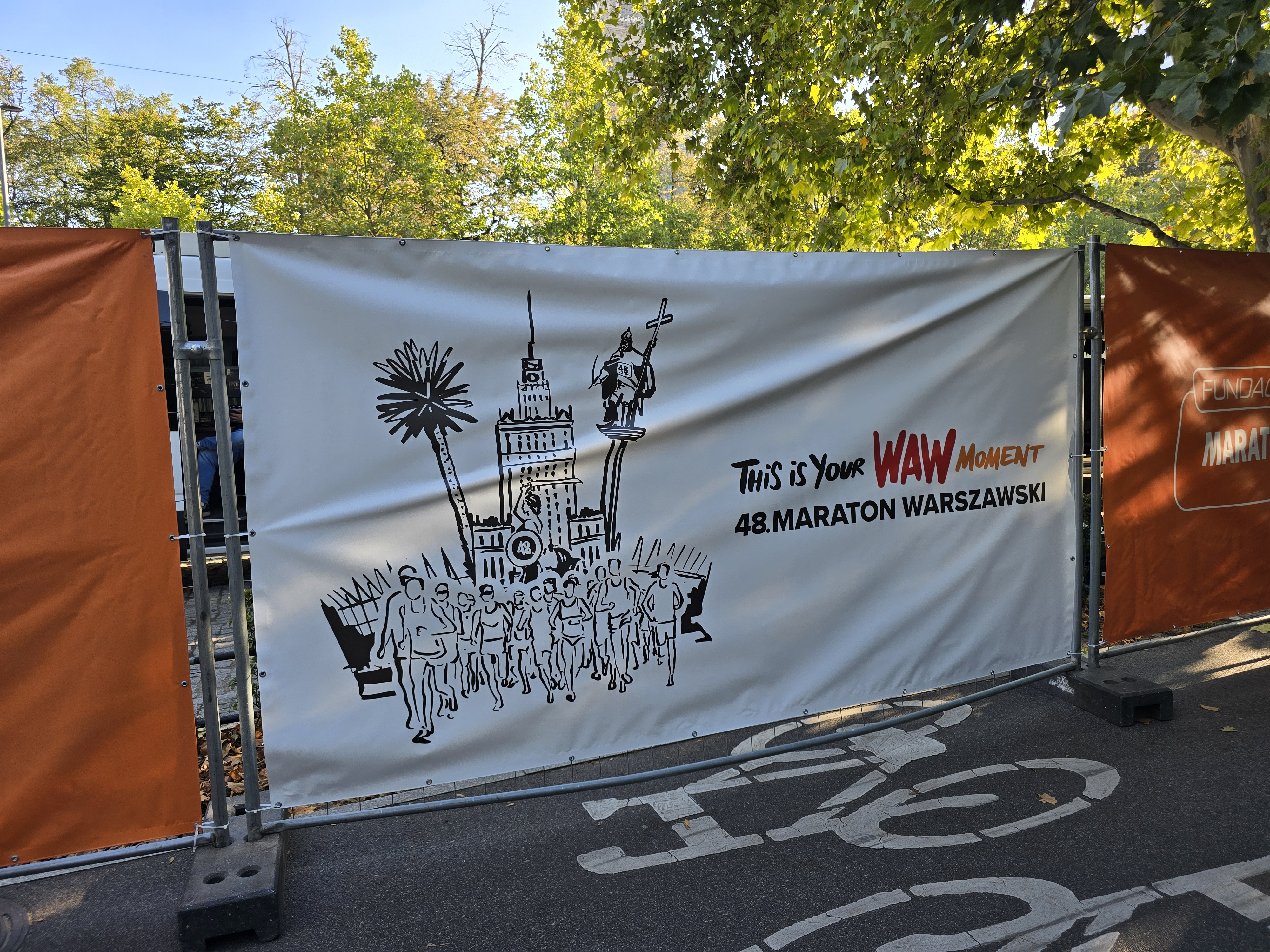
The day we arrived, Warsaw was hosting the 48th Warsaw Marathon which attracted 14,000 runners world wide. The streets in and around where our hotel was located were closed to car traffic. Made navigating easier to orientate ourselves.
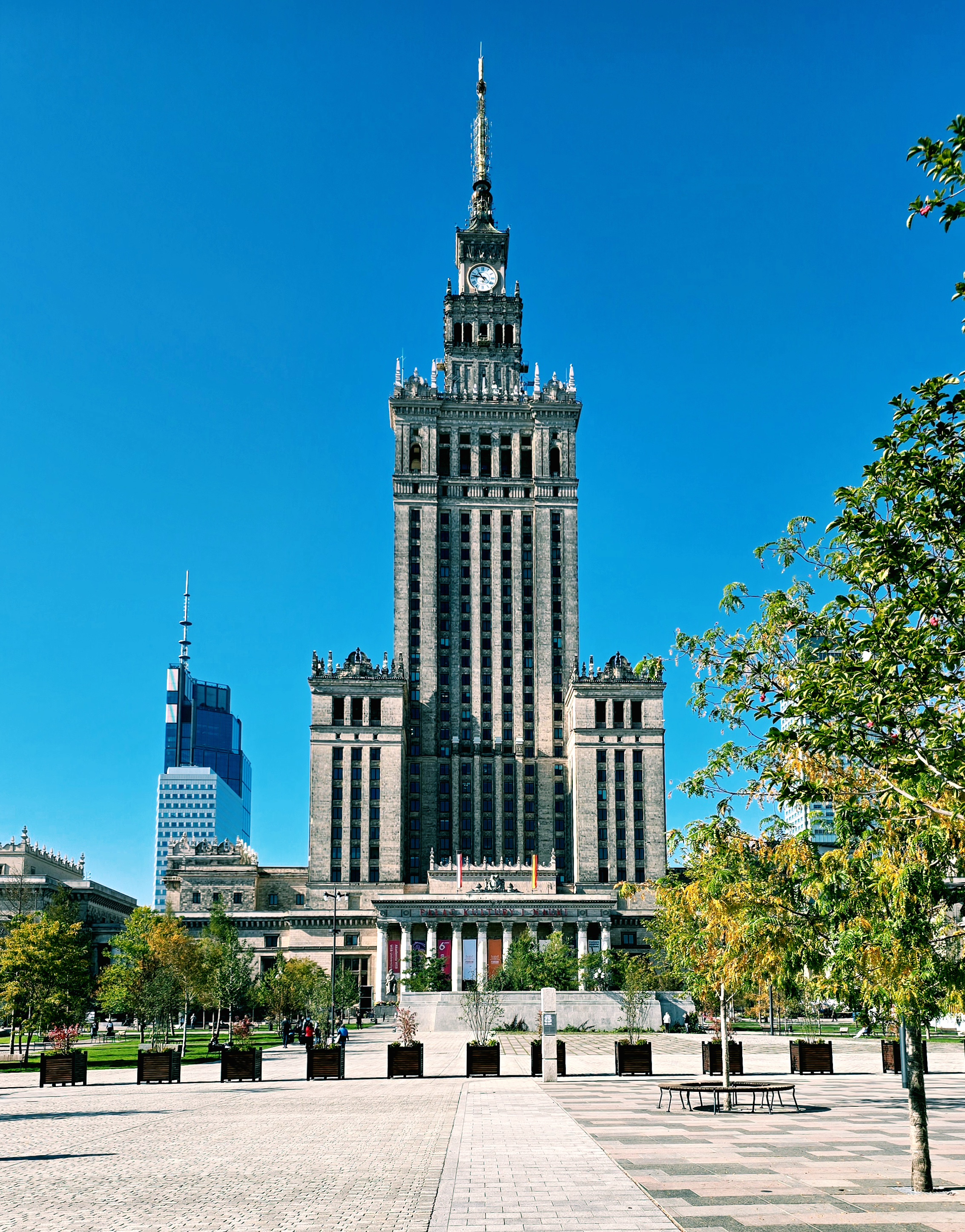
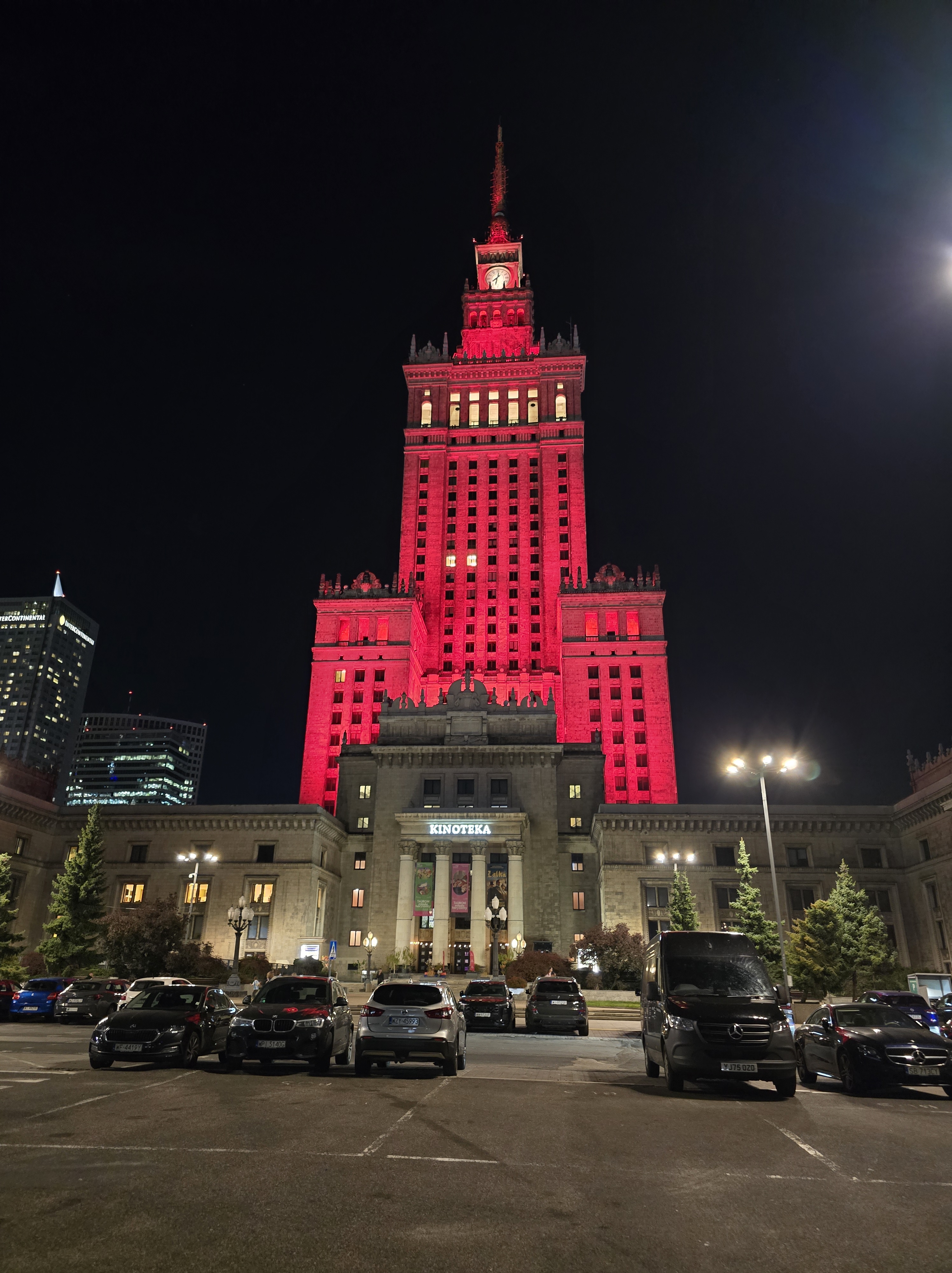
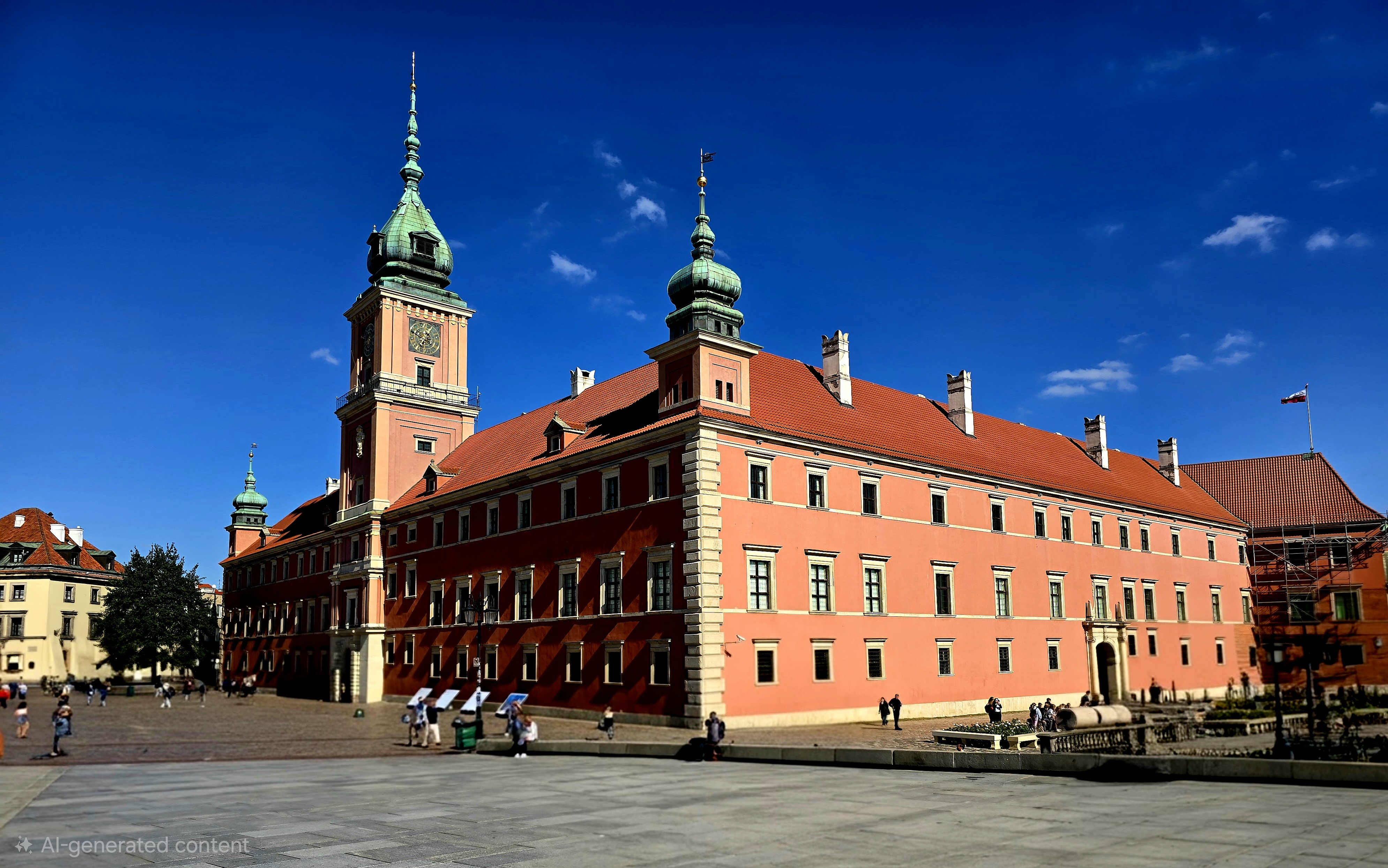
Warsaw is the capital and most populous city of Poland. The city stands on the river Vistula in east-central Poland. During WWII over 85% of the city was destroyed. The old town area was reconstructed after the war from the ruins using the bricks and original buildings designs. Warsaw is a leading financial center in Central and Eastern Europe today. Warsaw has wonderful shopping, food and entertainment options . The city is vibrant and very livable. Remarkable after the WWII devastation and 45 years of Communist rule.
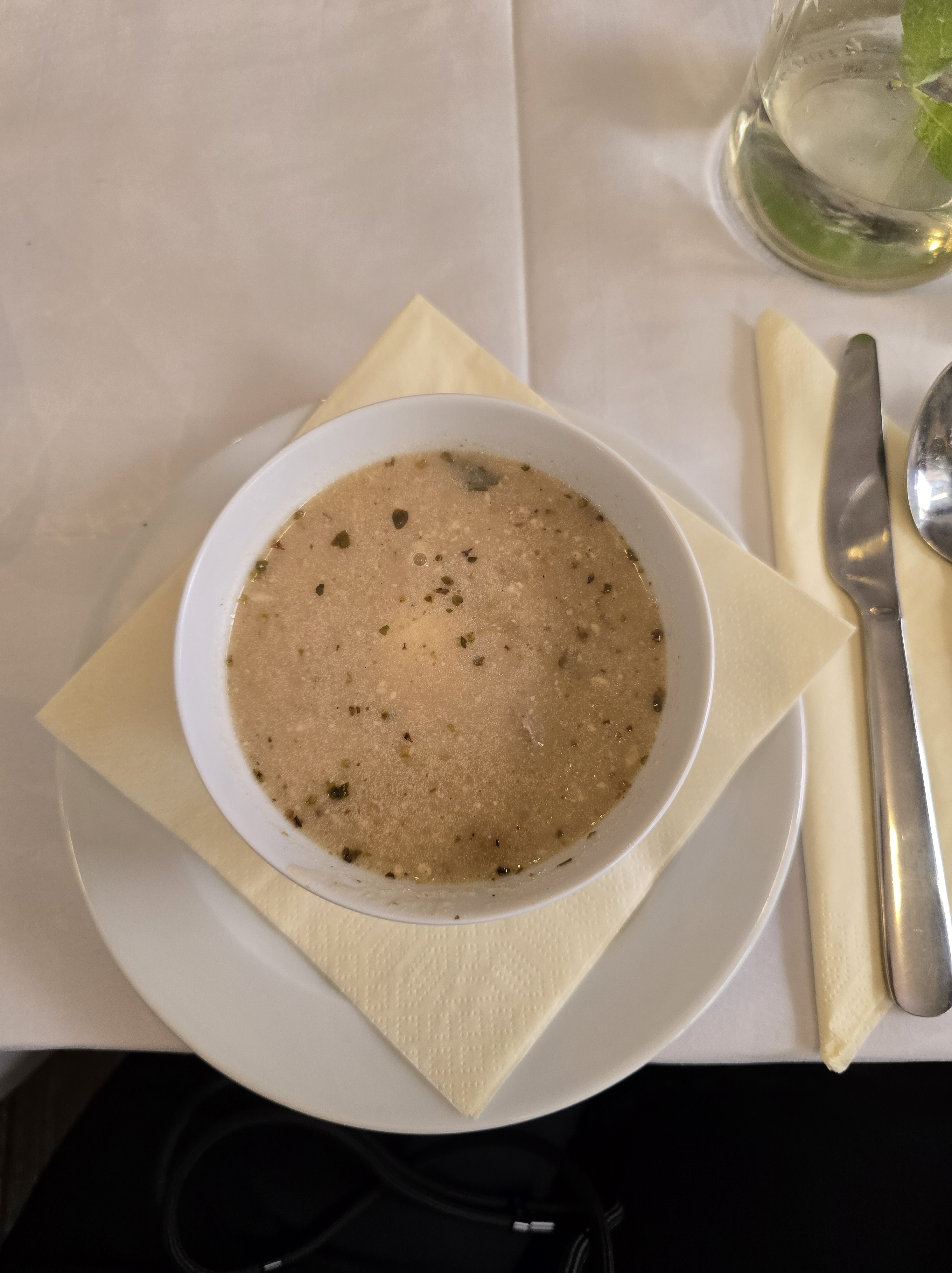
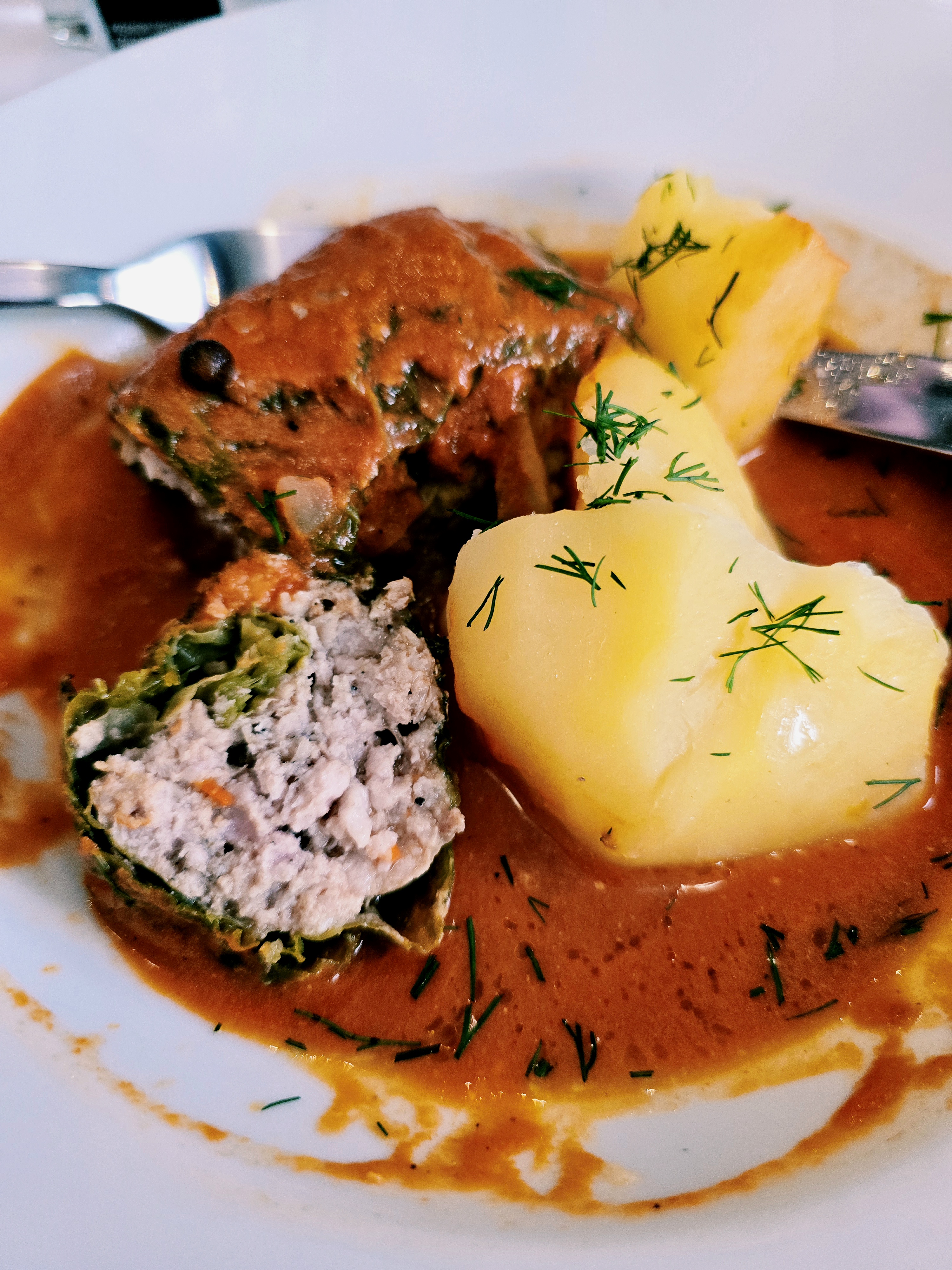
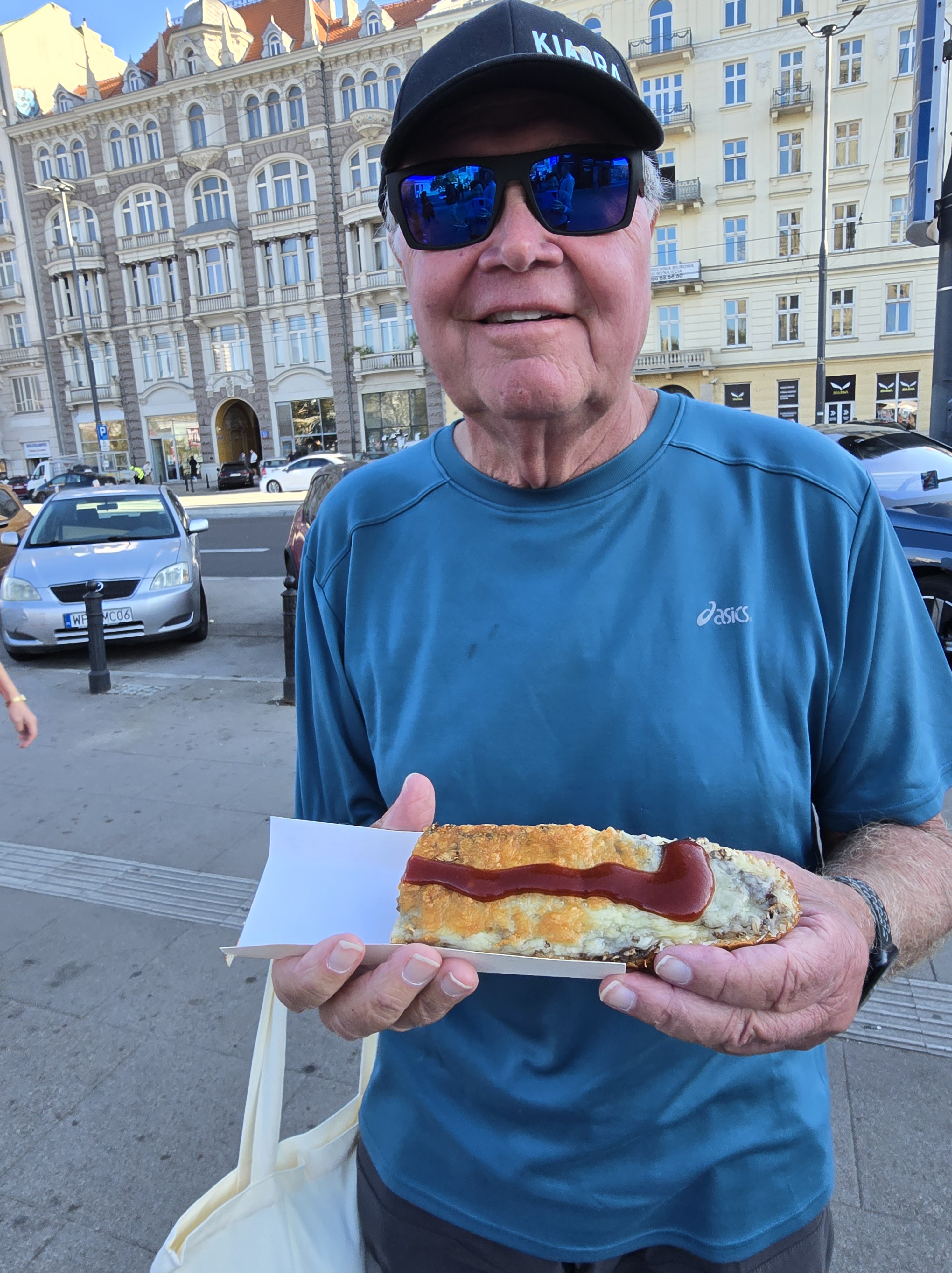
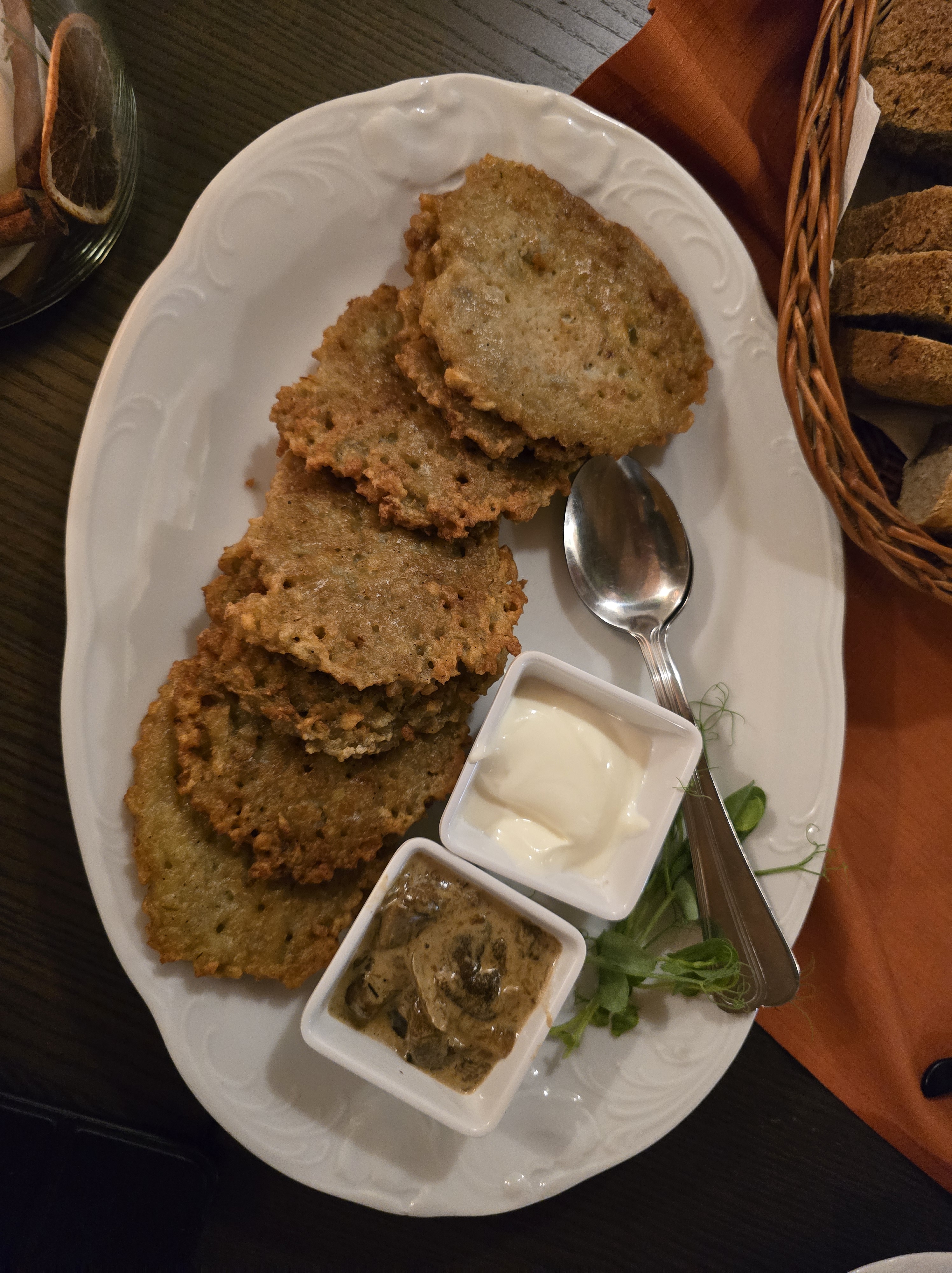
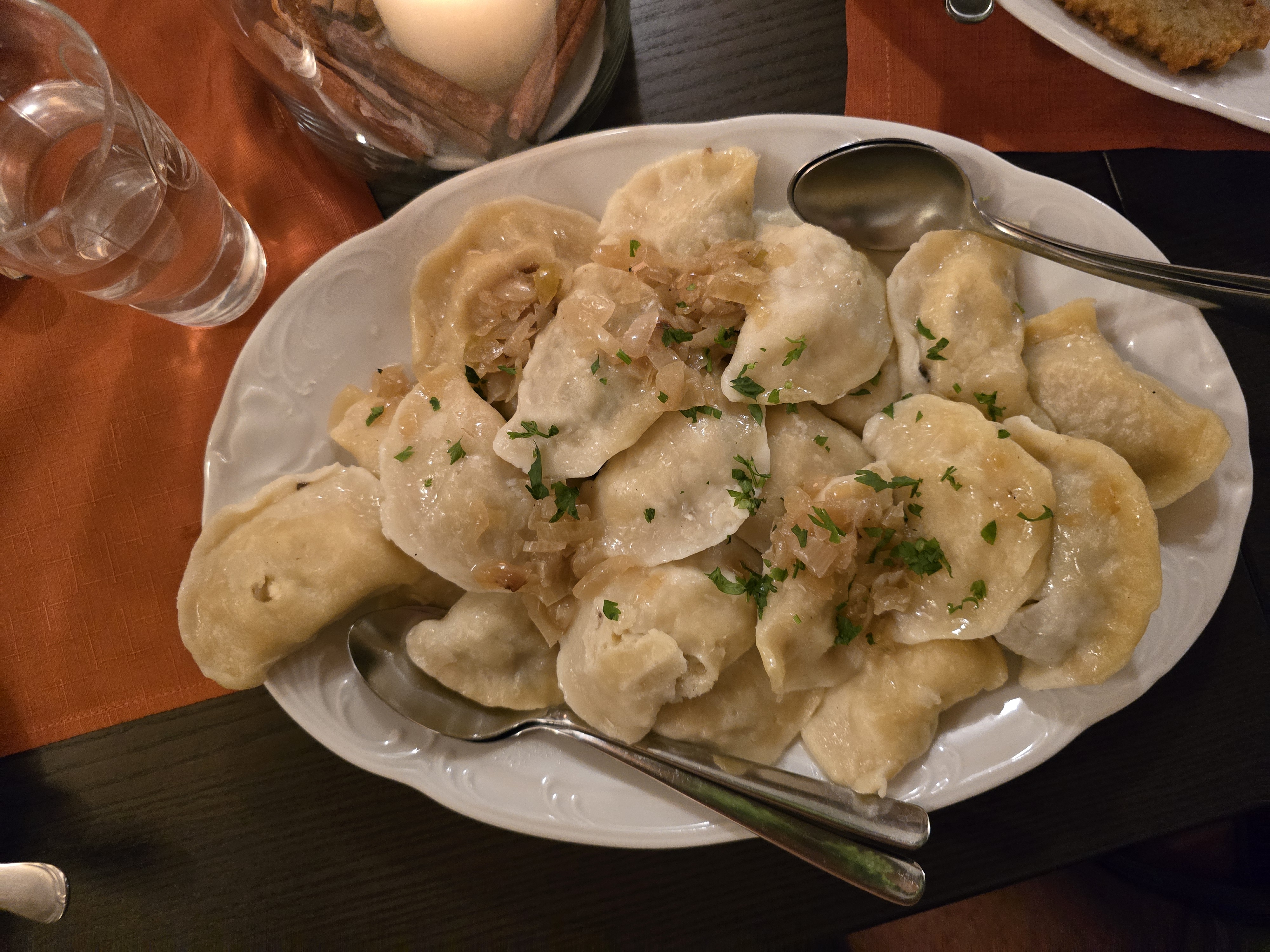
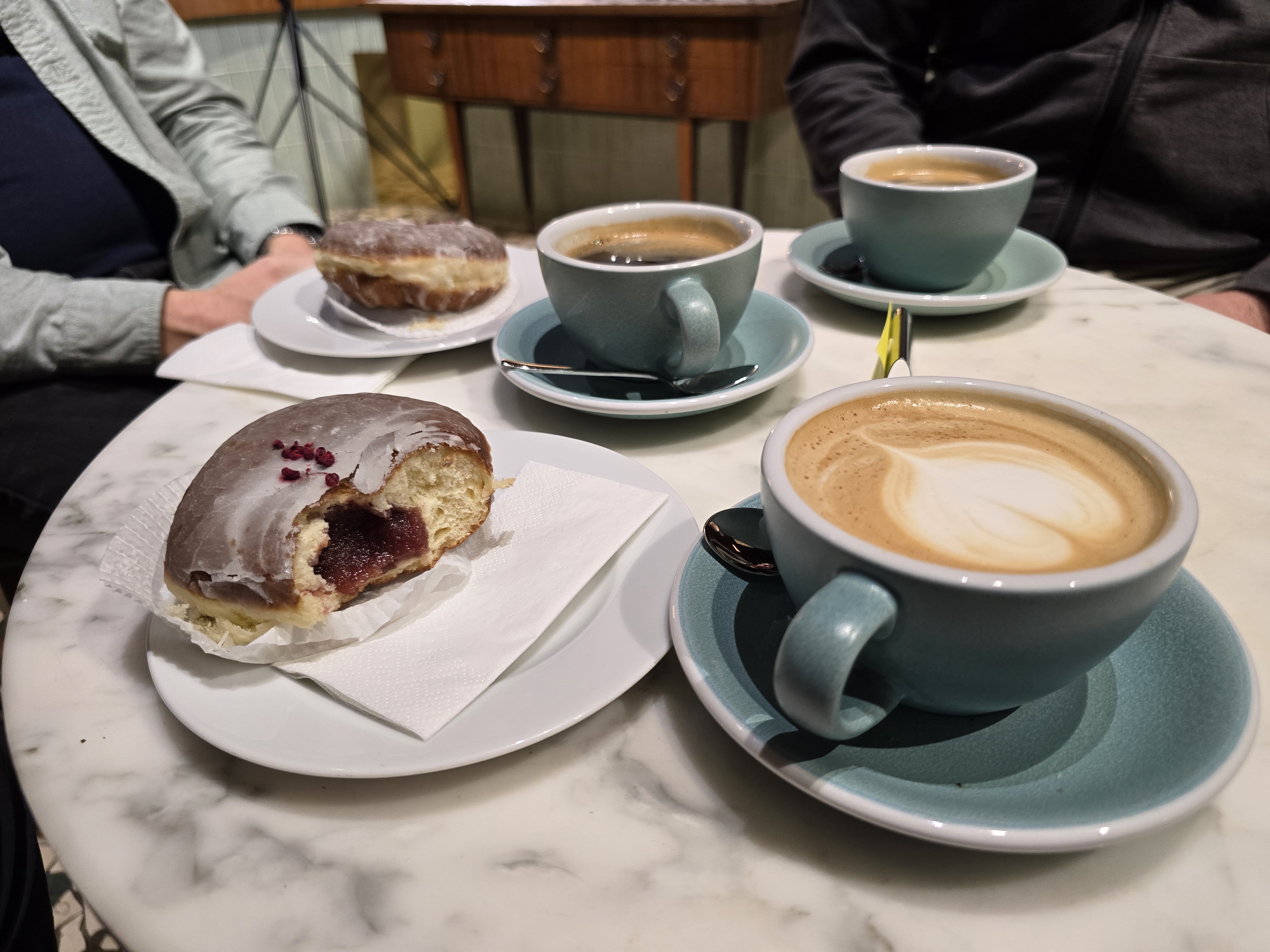
First up was a food walking tour with Eat Polska. Andezej, our tour guide, was a wealth of knowledgeable and a food lover. He shared traditions and food preparation that he uses. Our food feast consisted of sour rye soup with hard boiled egg, mushrooms & white sausage; golabki – cabbage rolls stuffed with meat & rice; Zapiekanka – polish style pizza street food; potato pancakes, pierogis stuffed with potato & cheese, ground meat, sauerkraut & mushrooms; rose petal jam filled polish style donuts and ptaise mieczko – chocolate covered vanilla marshmallow by the famous chocolatier Wedel. It was all yummy!
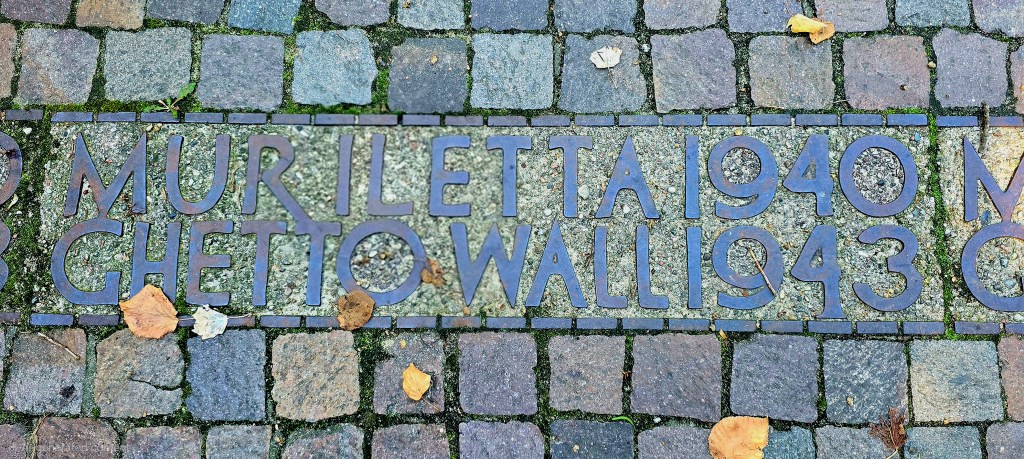
We did a second walking tour that was in the Warsaw Ghetto and Old Town. The Warsaw Ghetto was the largest of all Nazi ghettos established during WWII. It was sealed off from the rest of the city with a 10 foot brick wall and barbed wire. There were over 400,000 Jews located in a 1.3 square mile area. Today there is no wall, but you can find markers on roadways of where the ghetto borders existed.
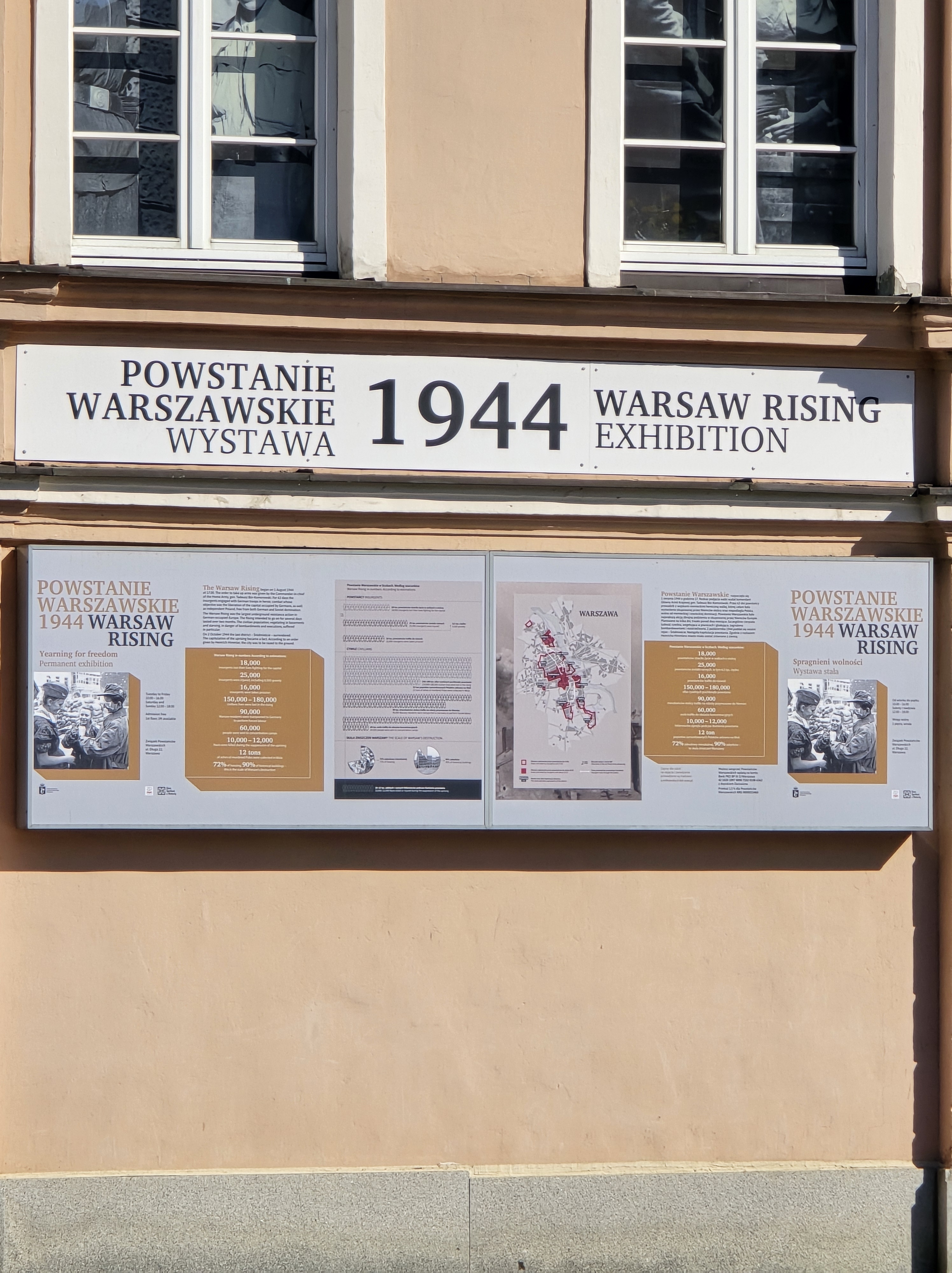
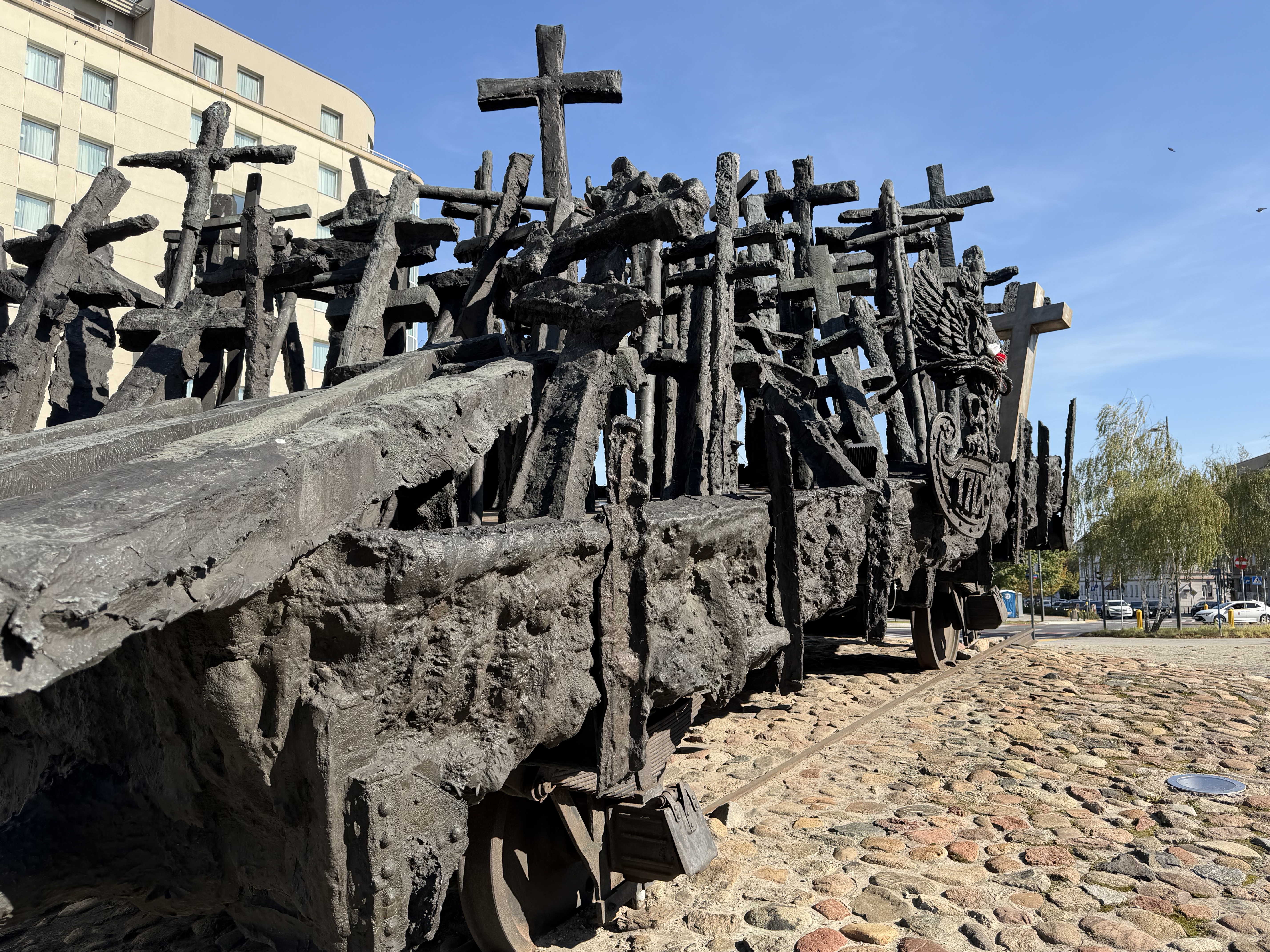
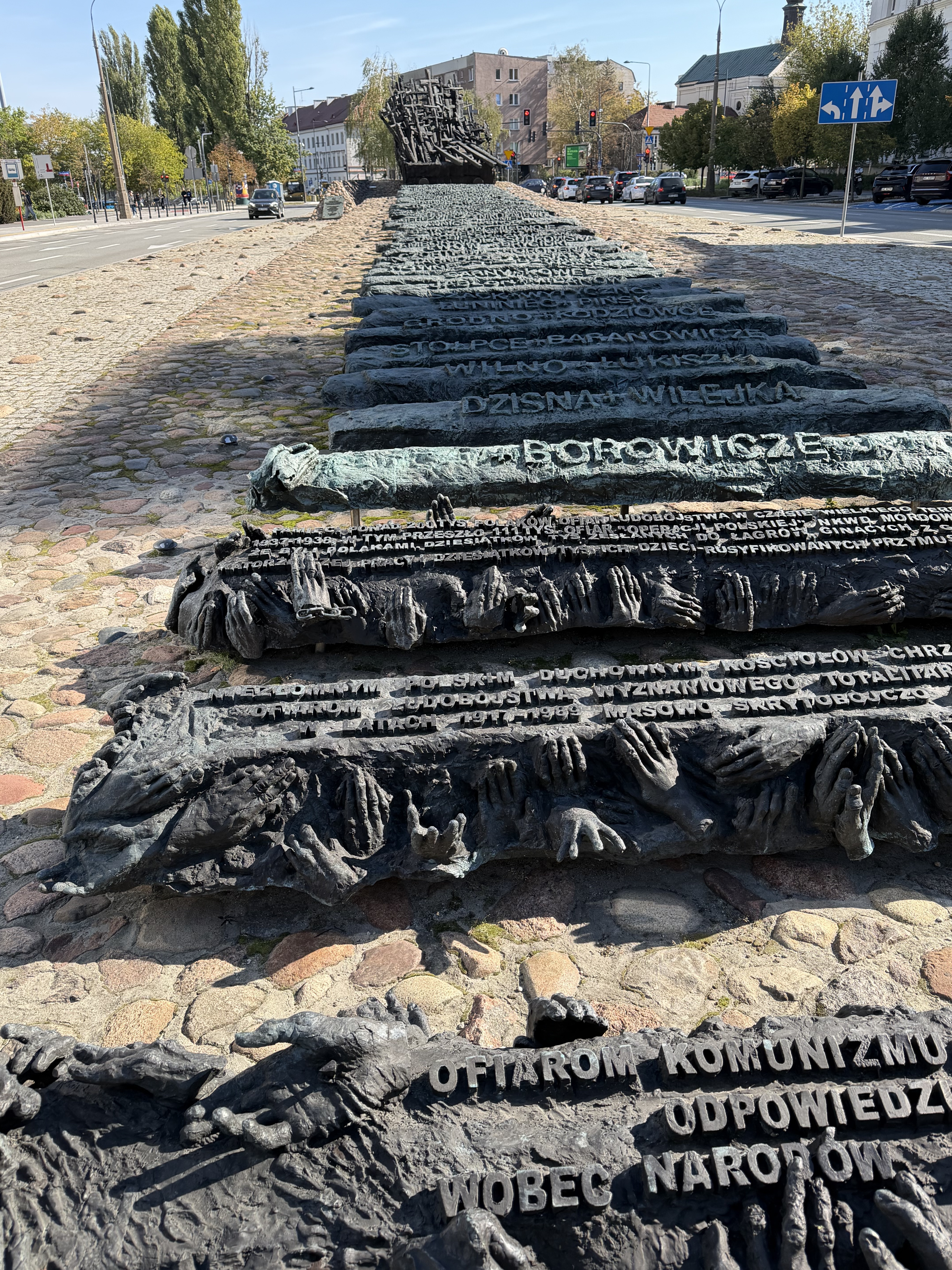
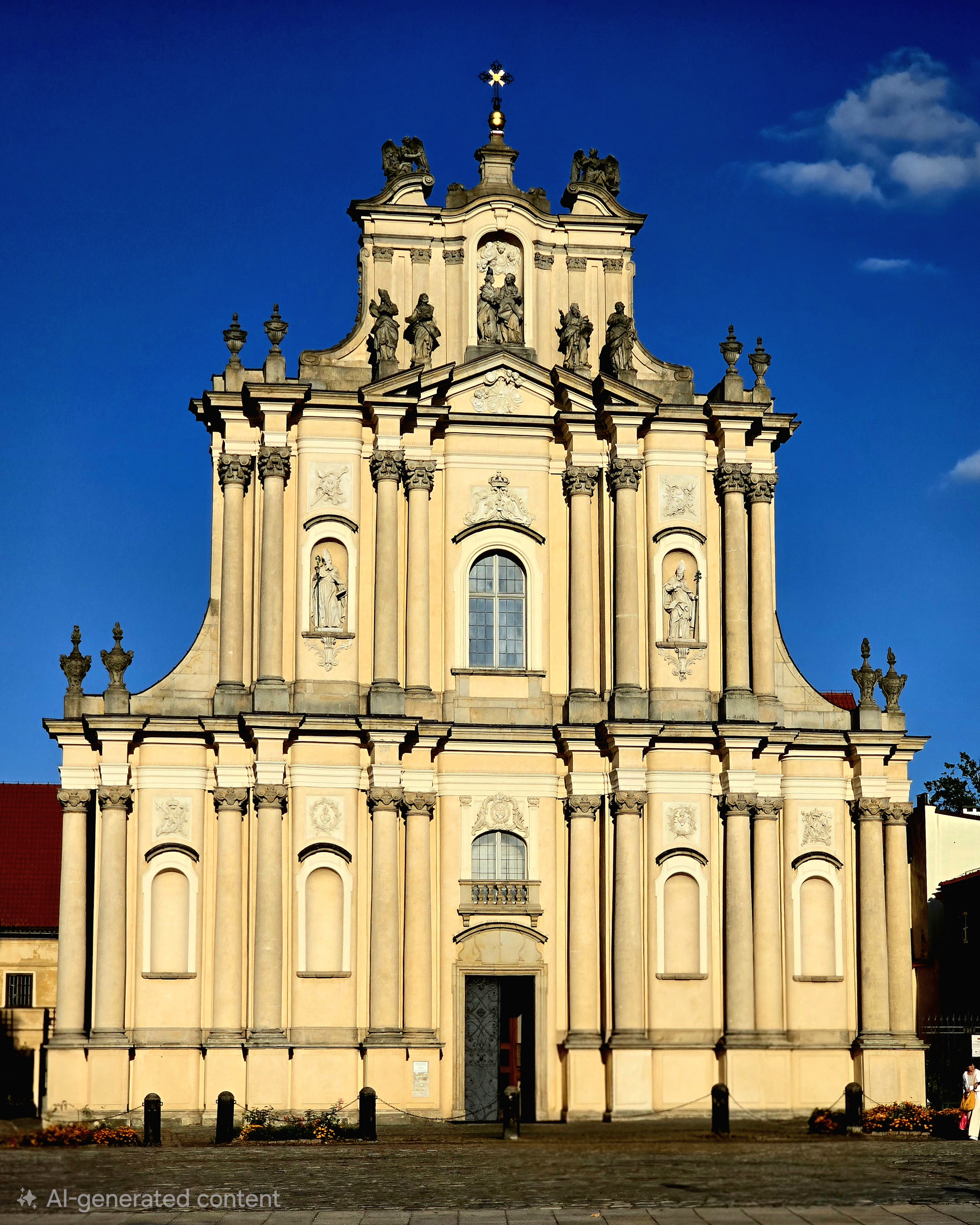
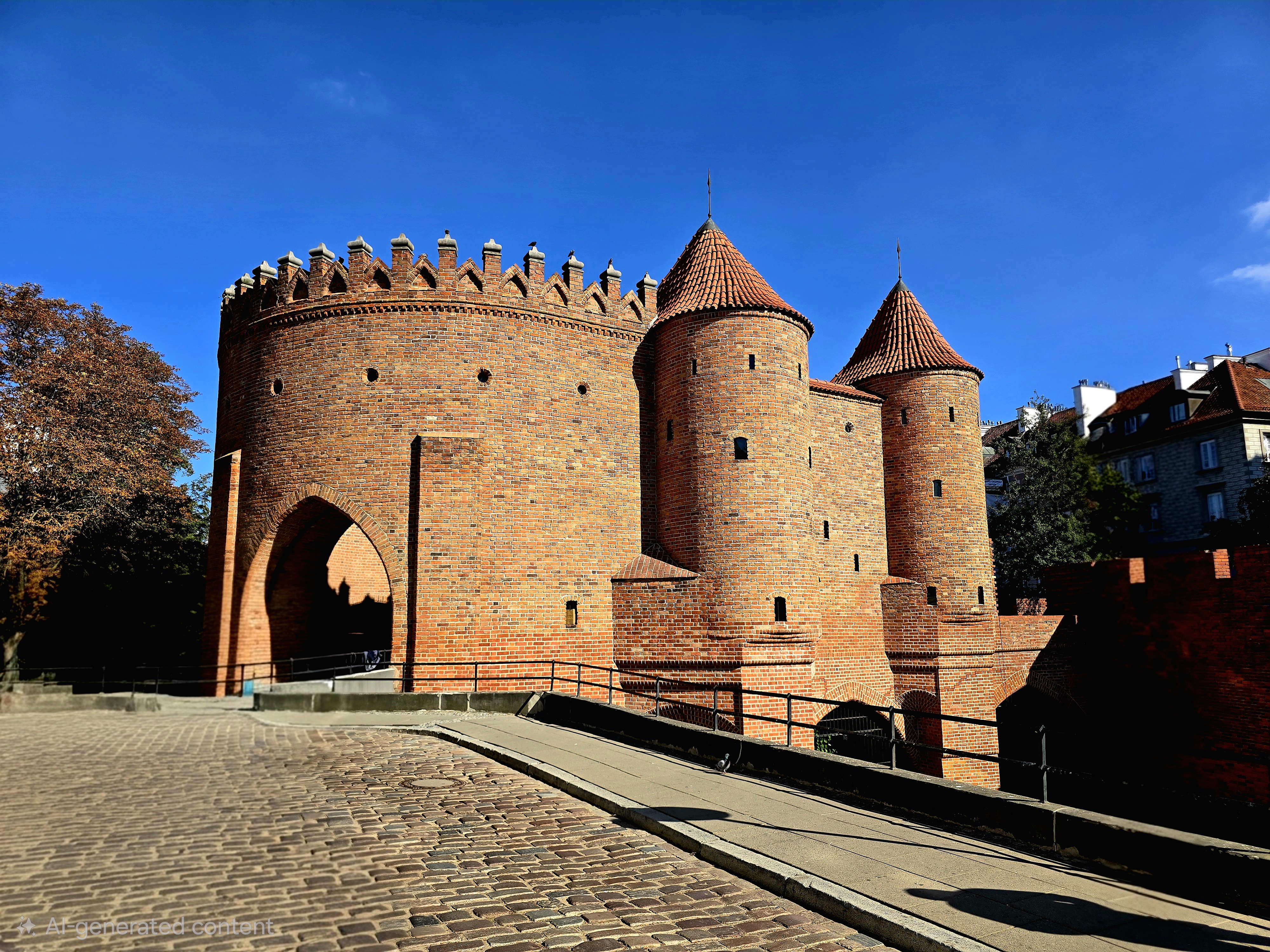
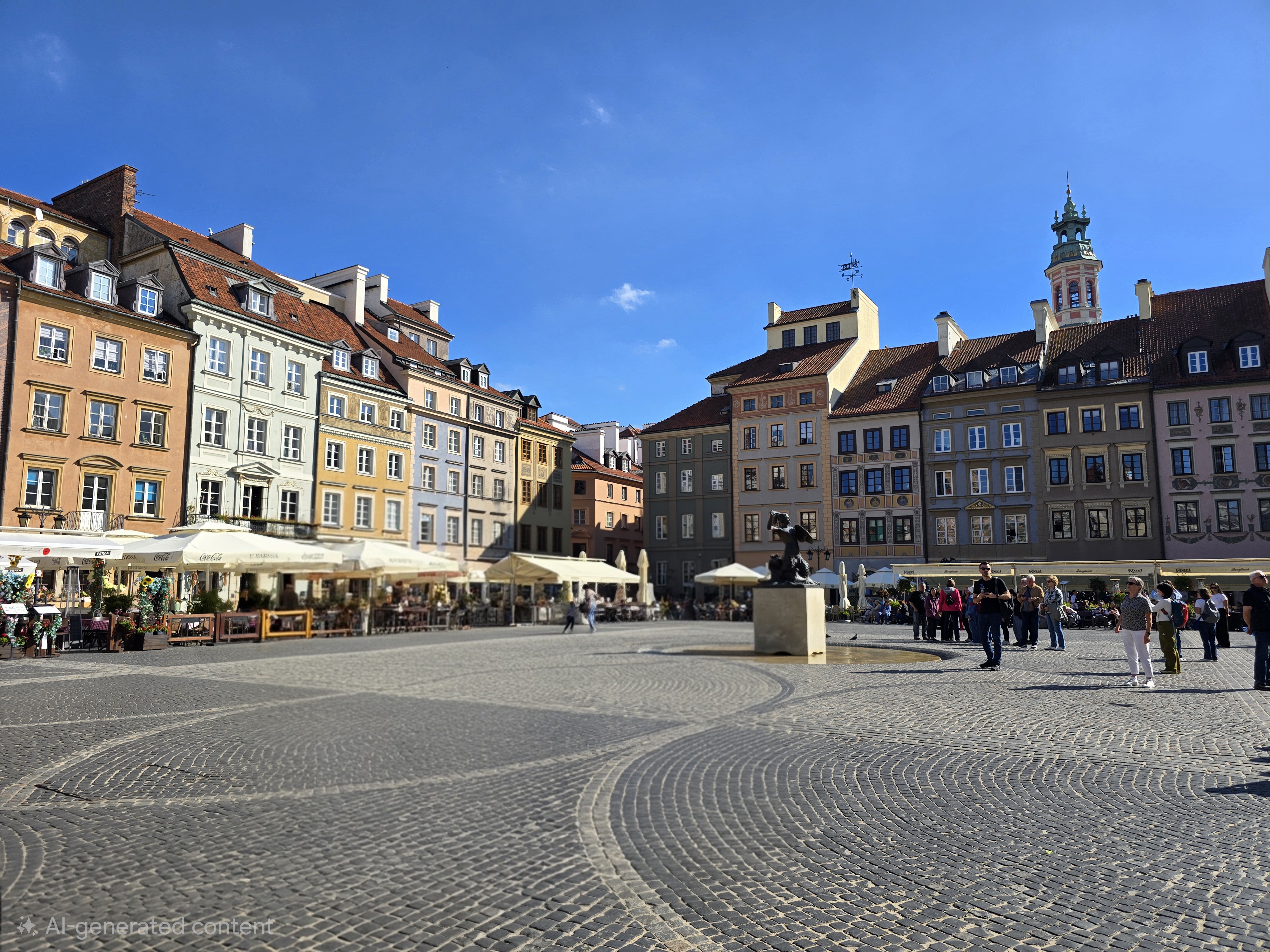
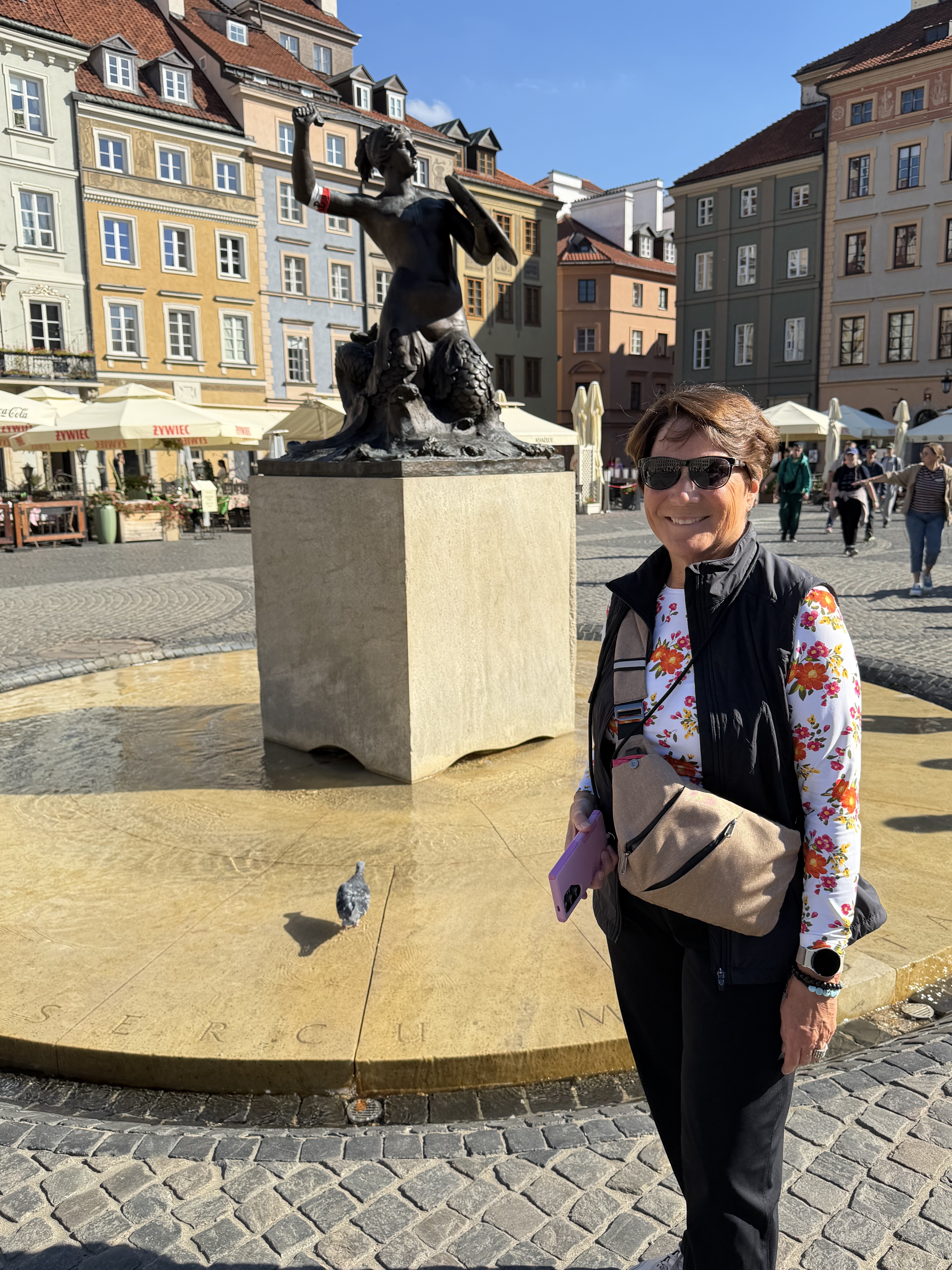
Old Town is Warsaw’s oldest neighborhood founded in the late 13th century. During WWII and the Warsaw Uprising, this area was intentionally destroyed by Nazi troops. Citizens, during 1945 to 1953, rebuilt the entire district using historic paintings, drawings and photographs.
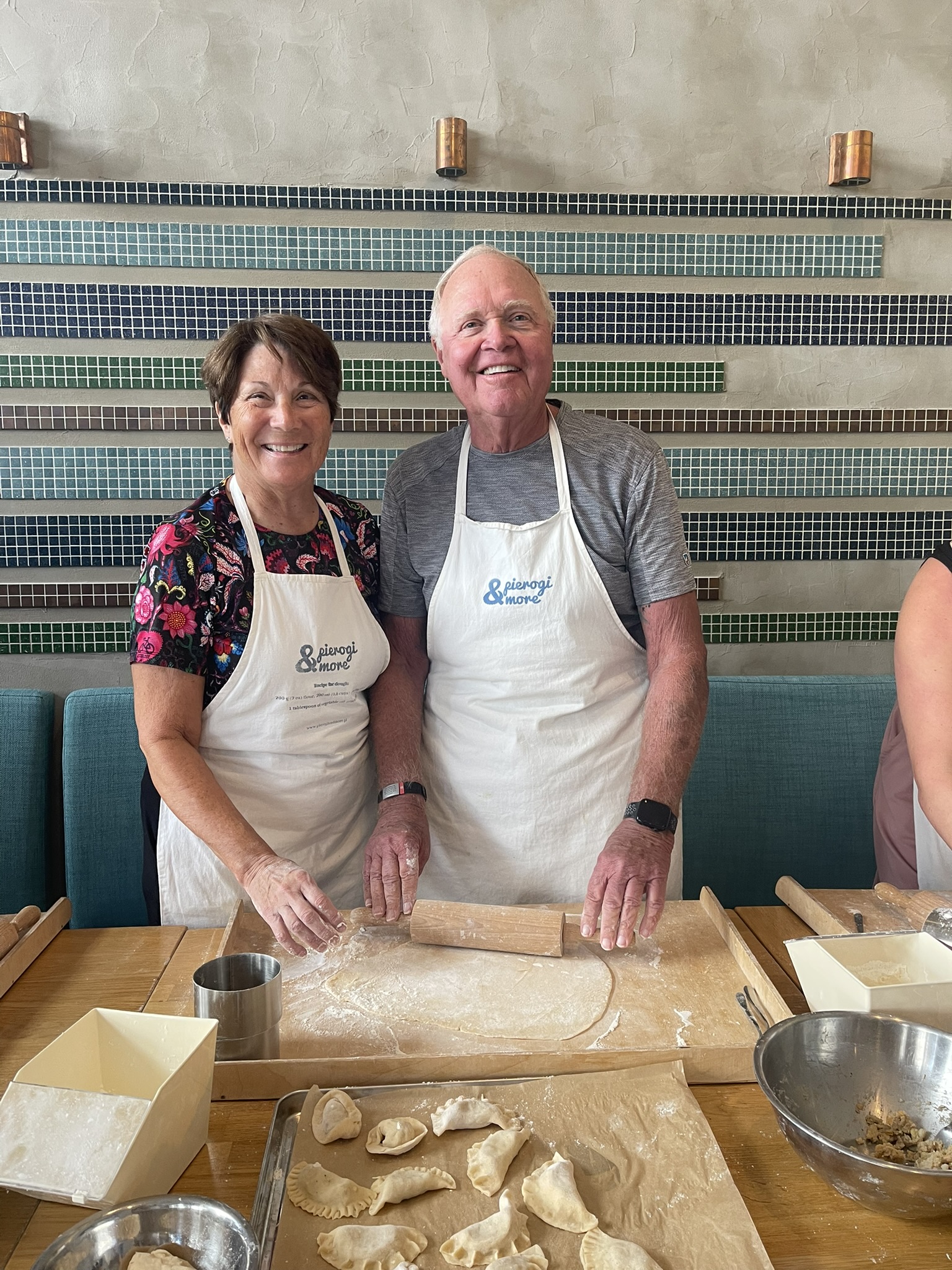
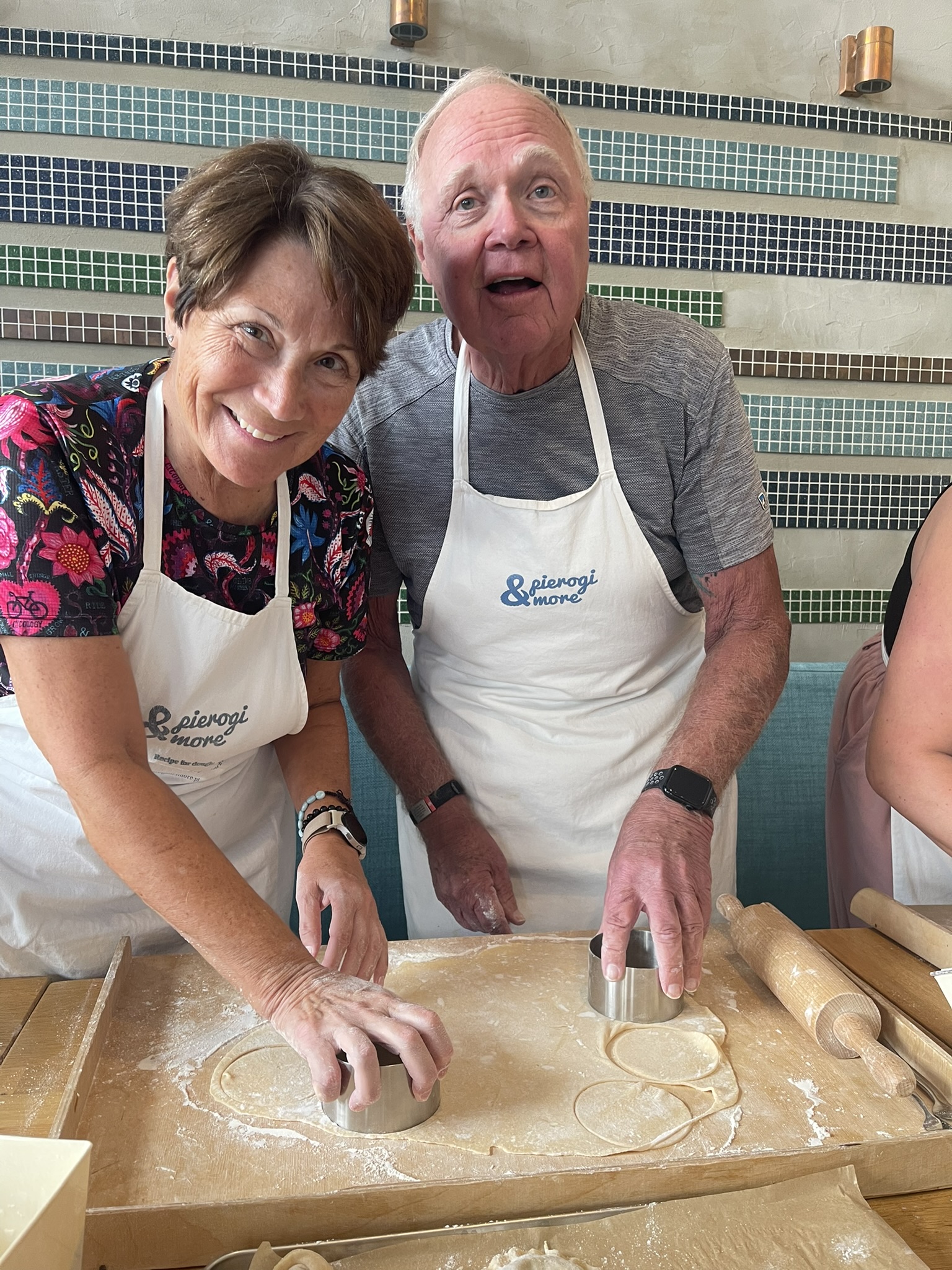
We took a cooking class learning how to make Pierogis. Laura learned from her mother and it was time to see if there were any differences with how they are made in Poland. There was .. no egg like we added in the ones made by her family. It was fun!
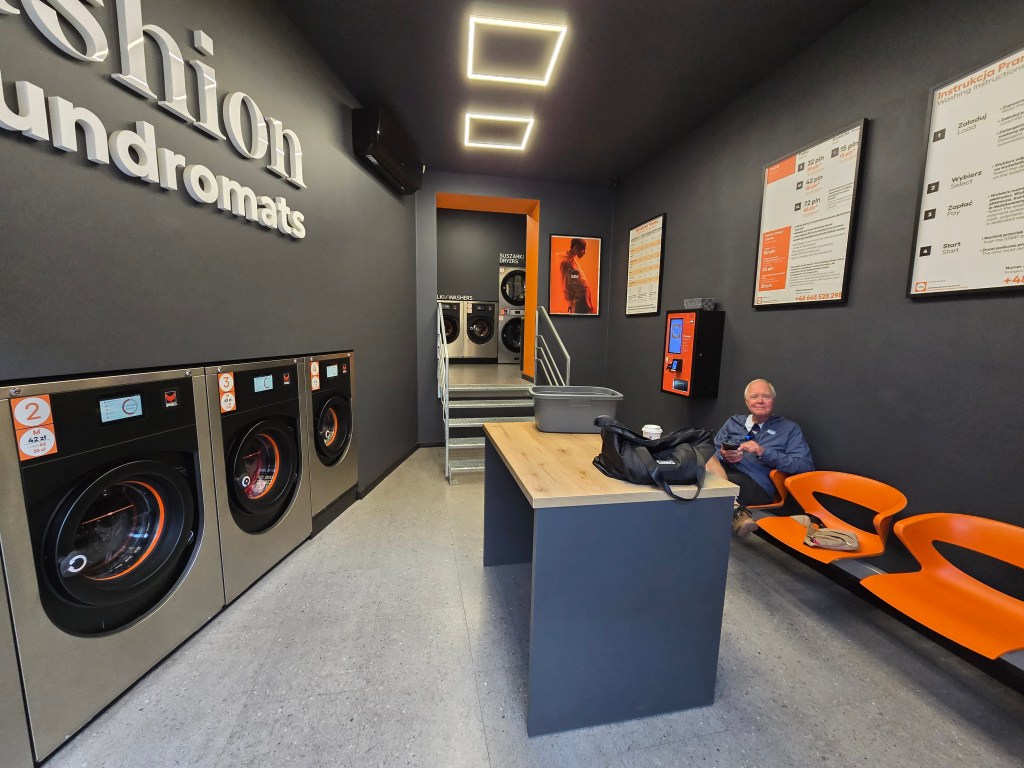
Our next adventure was doing laundry at a local laundromat. Once we figured out how to pay it was a piece of cake. Poland seems to be a near cashless society and many things are online using applications on your phone. Each load of laundry had the detergent automatically dispensed in the wash cycle…pretty amazing.
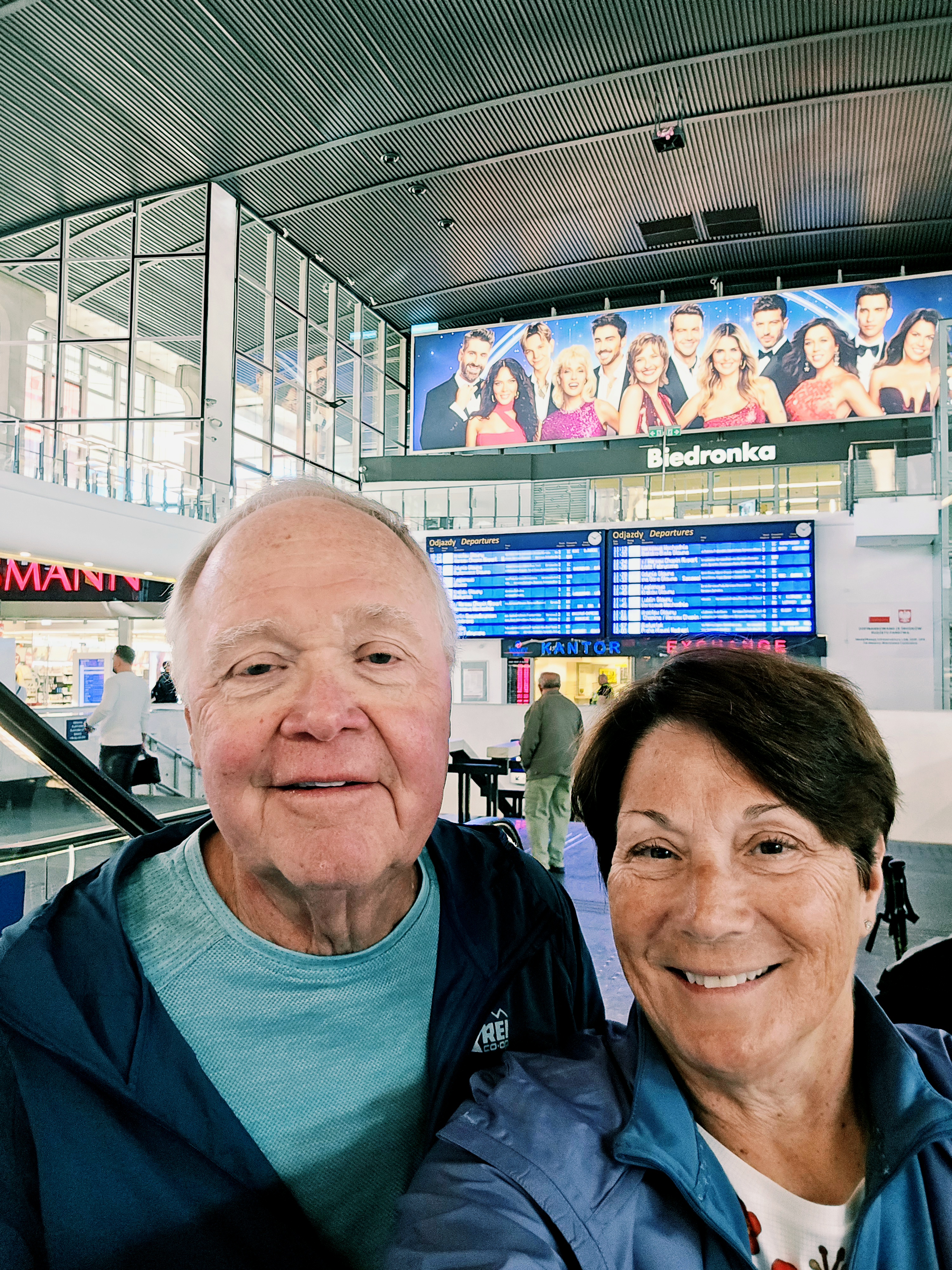
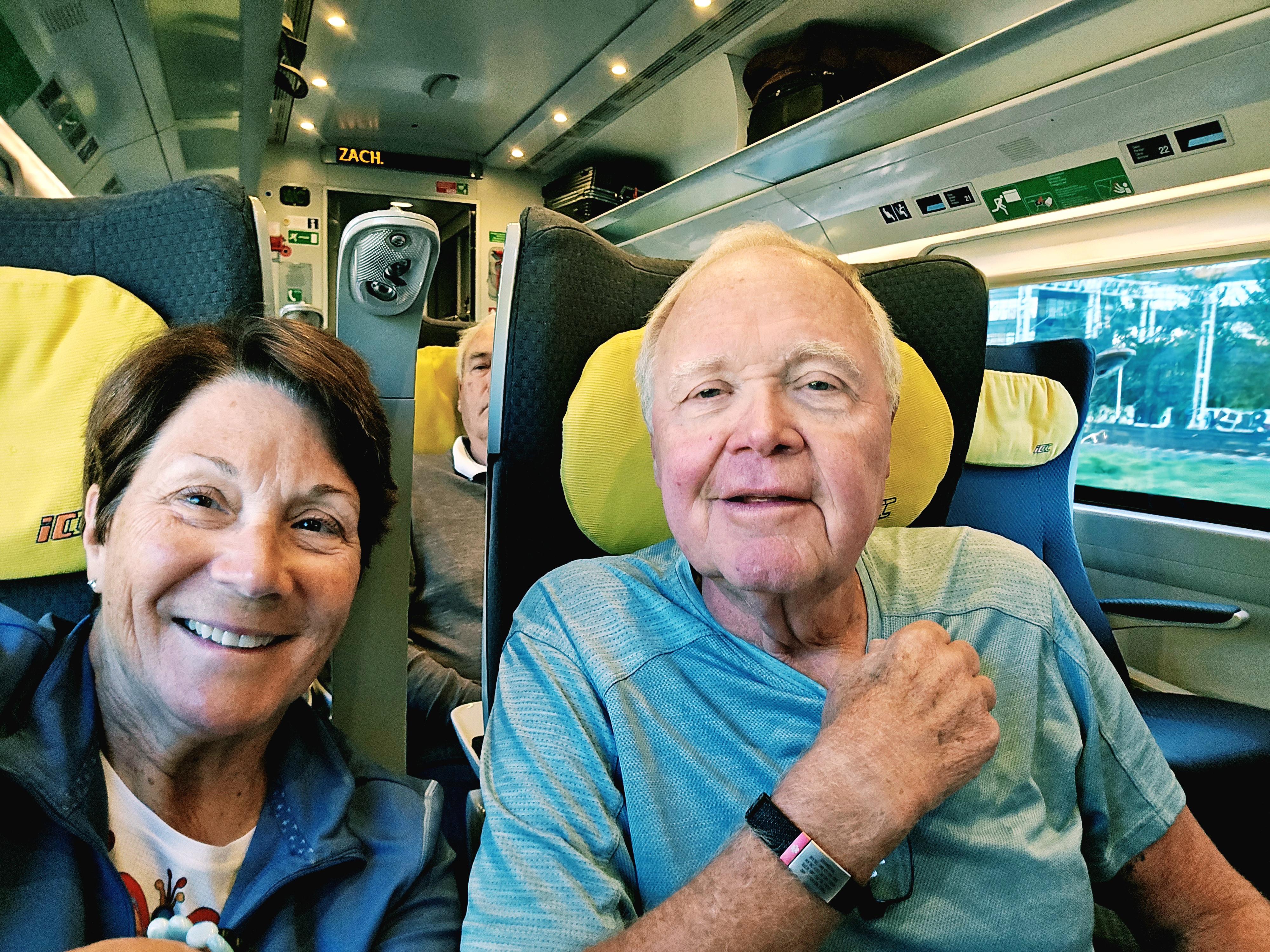
In the five days in Warsaw we walked over 45 miles and became very comfortable and familiar with the city. We took the fast train from Warsaw and arrived in Krakow in about three hours. We opted to do “first class” which was in the first car, had storage for our luggage, upgraded seats, free wifi and a small snack served like on an airplane. All in all it was easy to use the train and a pleasant trip with no stops until you arrived in Krakow.


Leave a Reply