
We spent the next two weeks in the Province of Alberta exploring more amazing places.
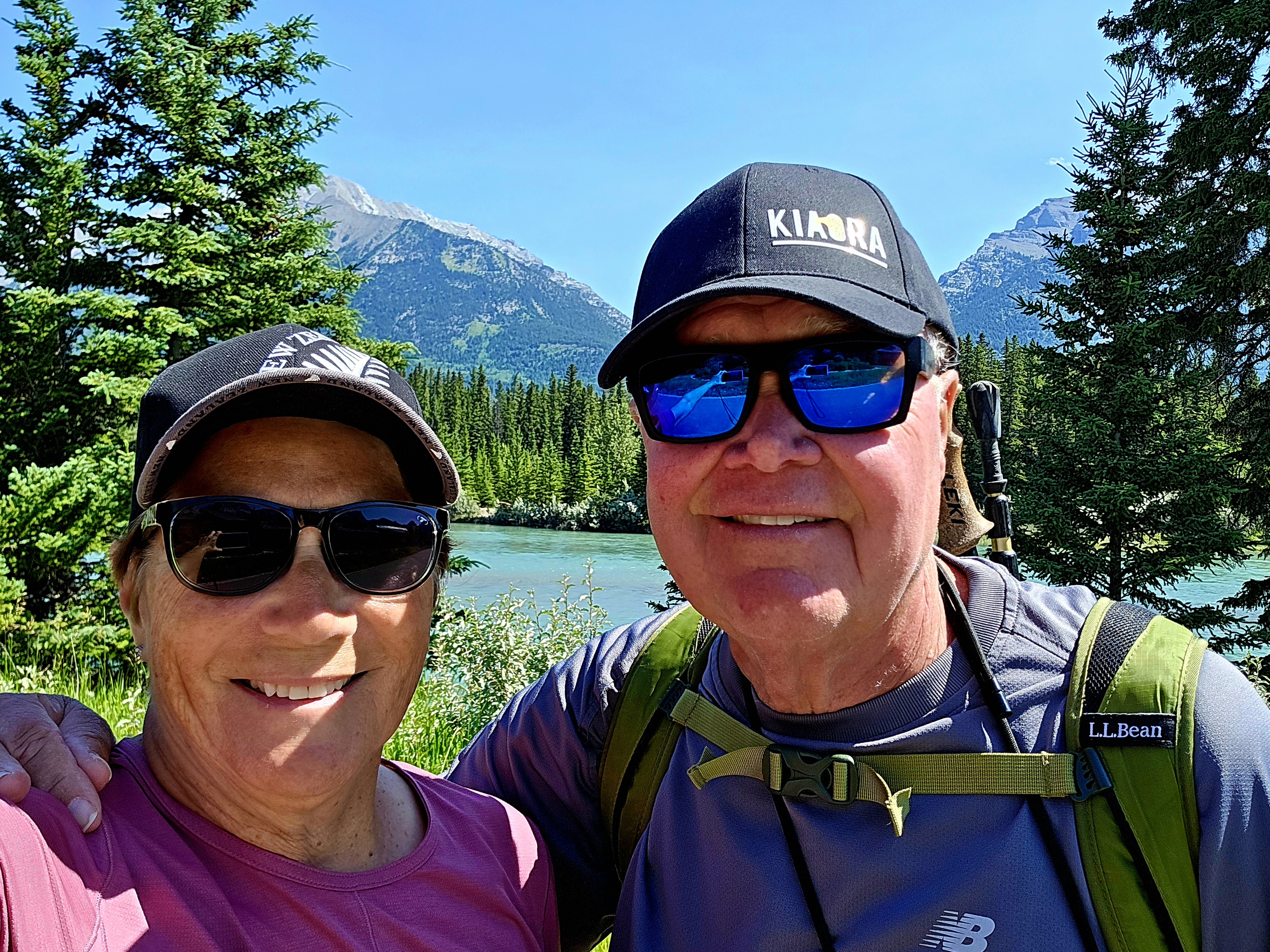
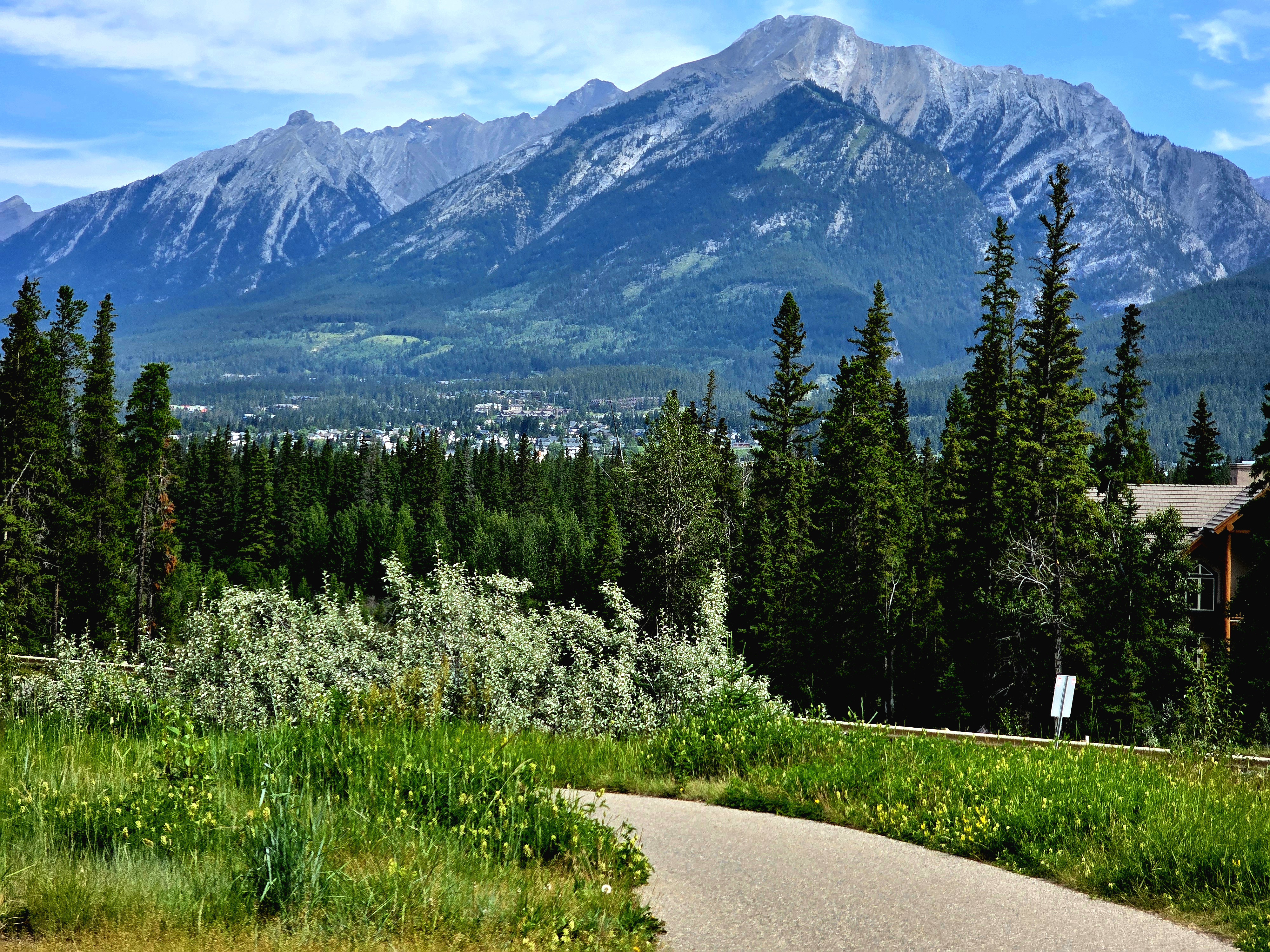
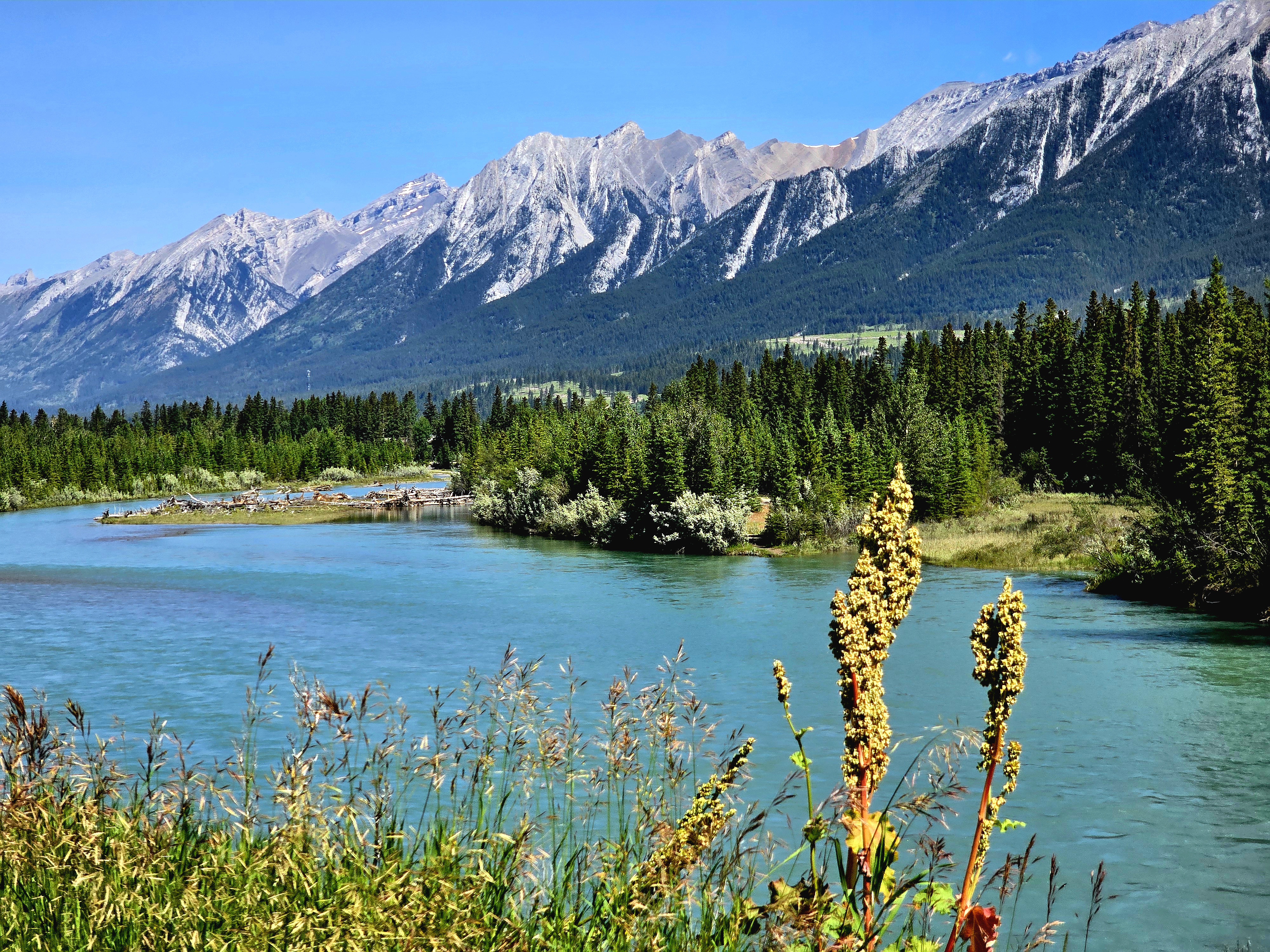
Canmore is a mountain town near the southeast boundary of Banff NP situated in the Bow Valley. Canmore is the fifth largest town in Alberta. Coal mining was started in 1886 and lasted until 1979. During the 1988 Winter Olympics, Canmore hosted the Nordic events and tourism grew after that.
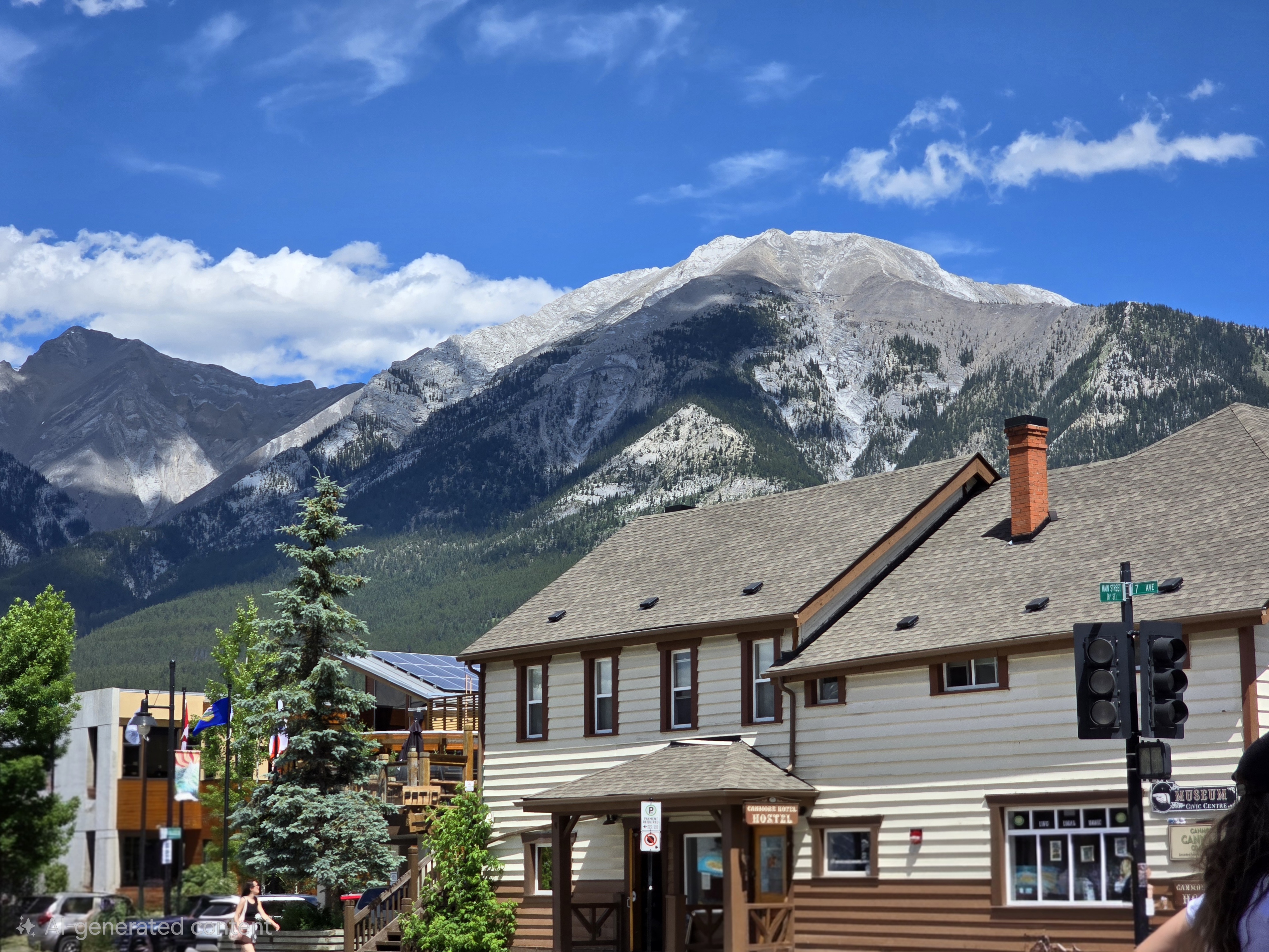
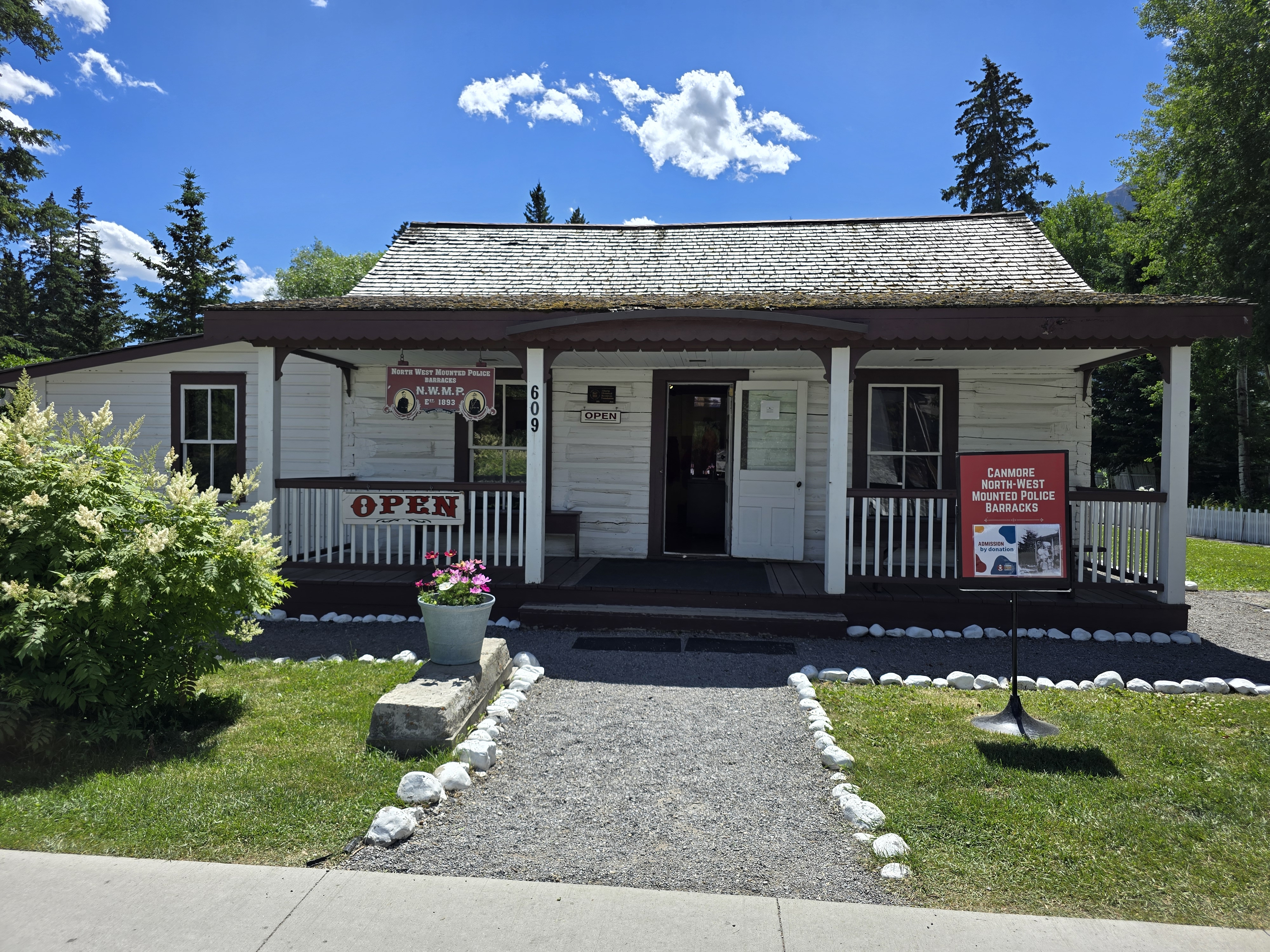
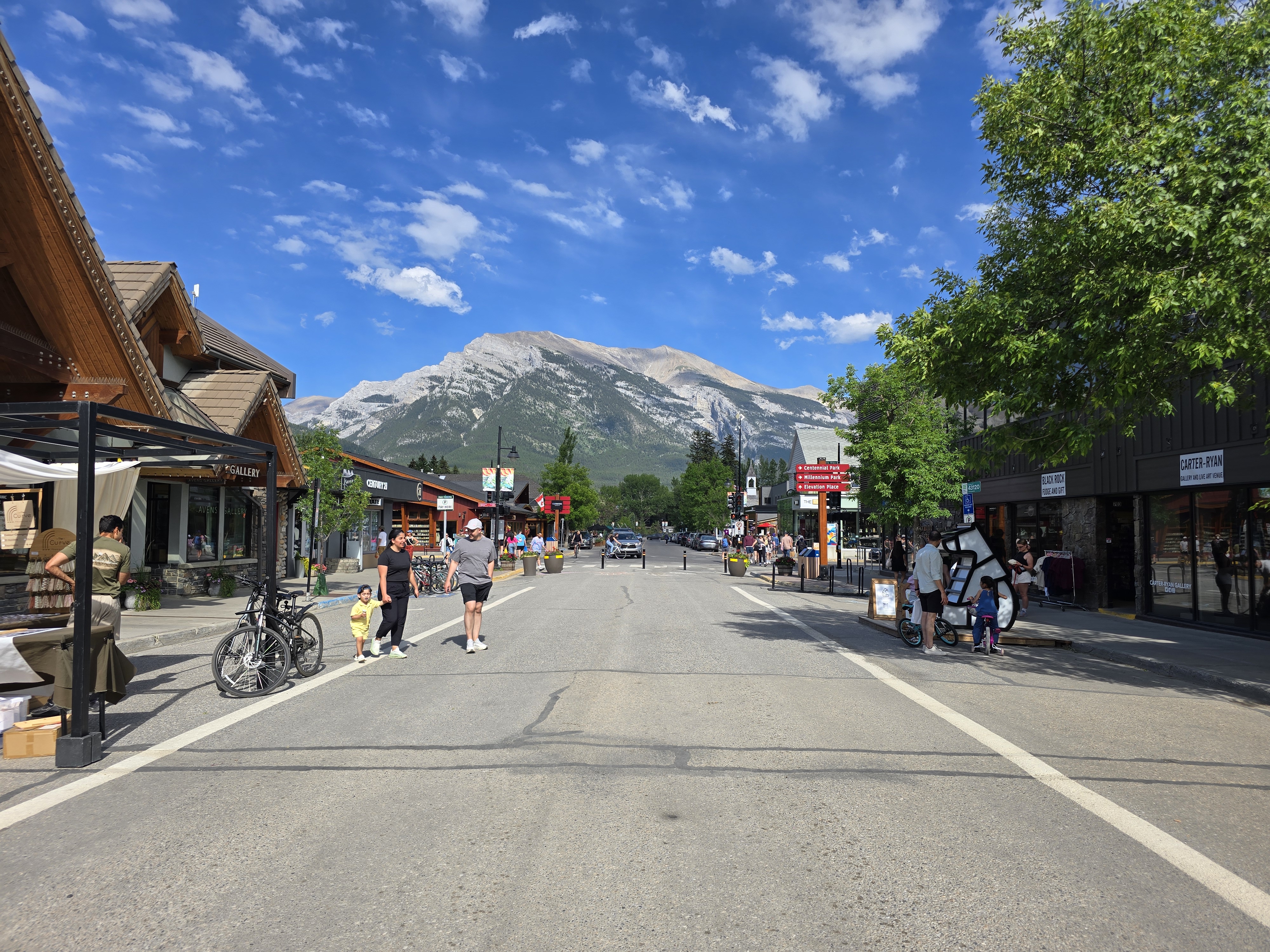
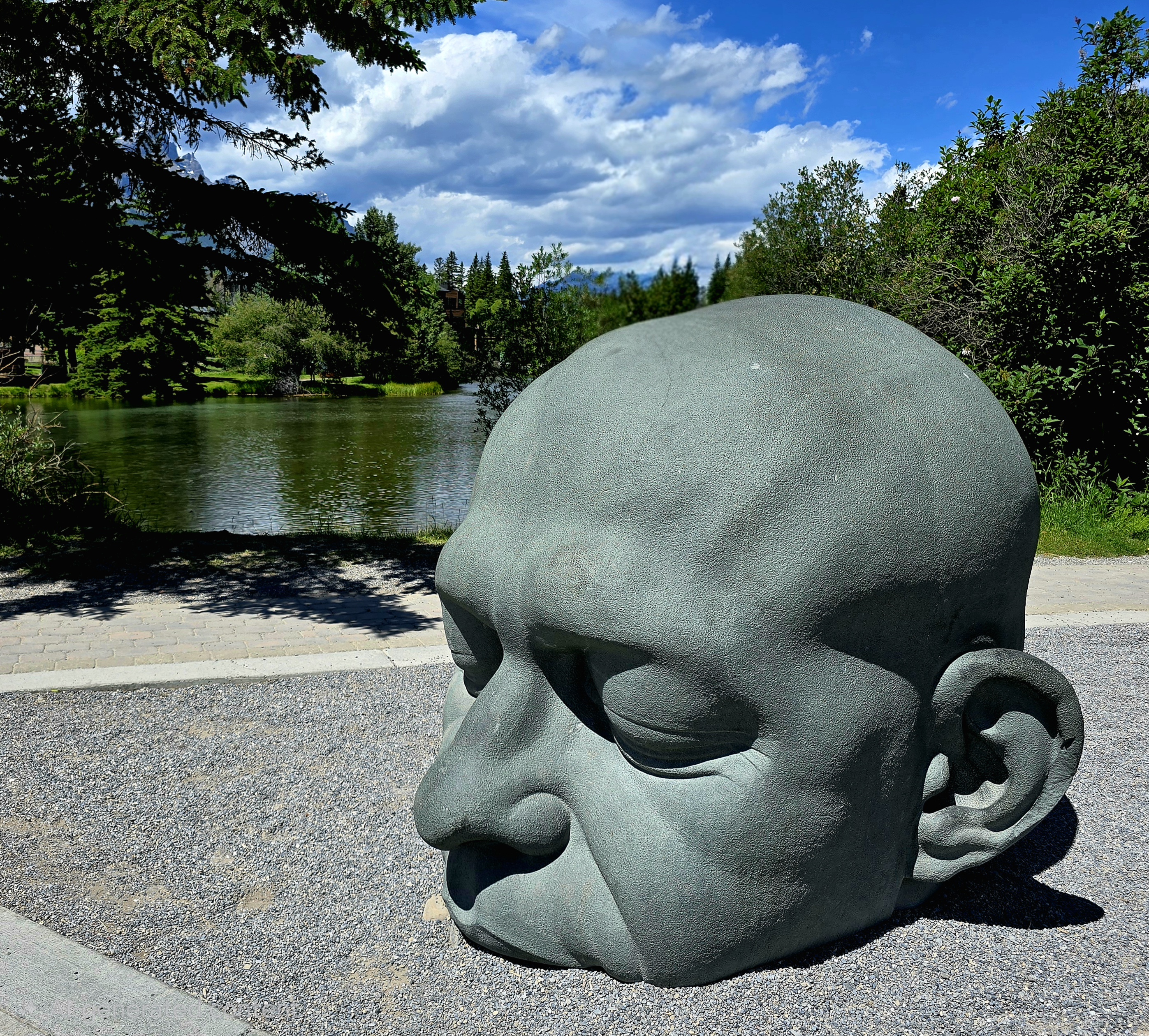
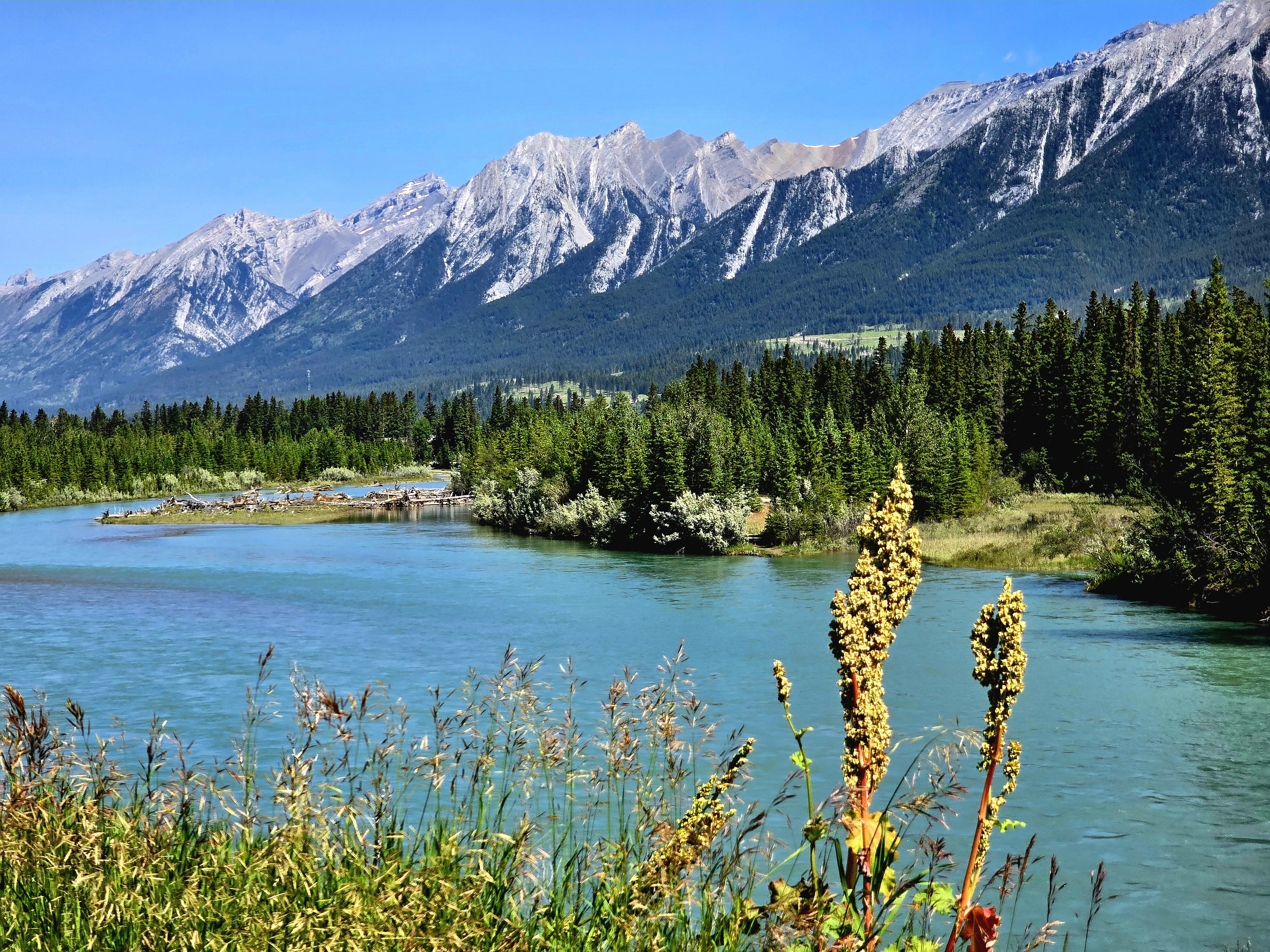
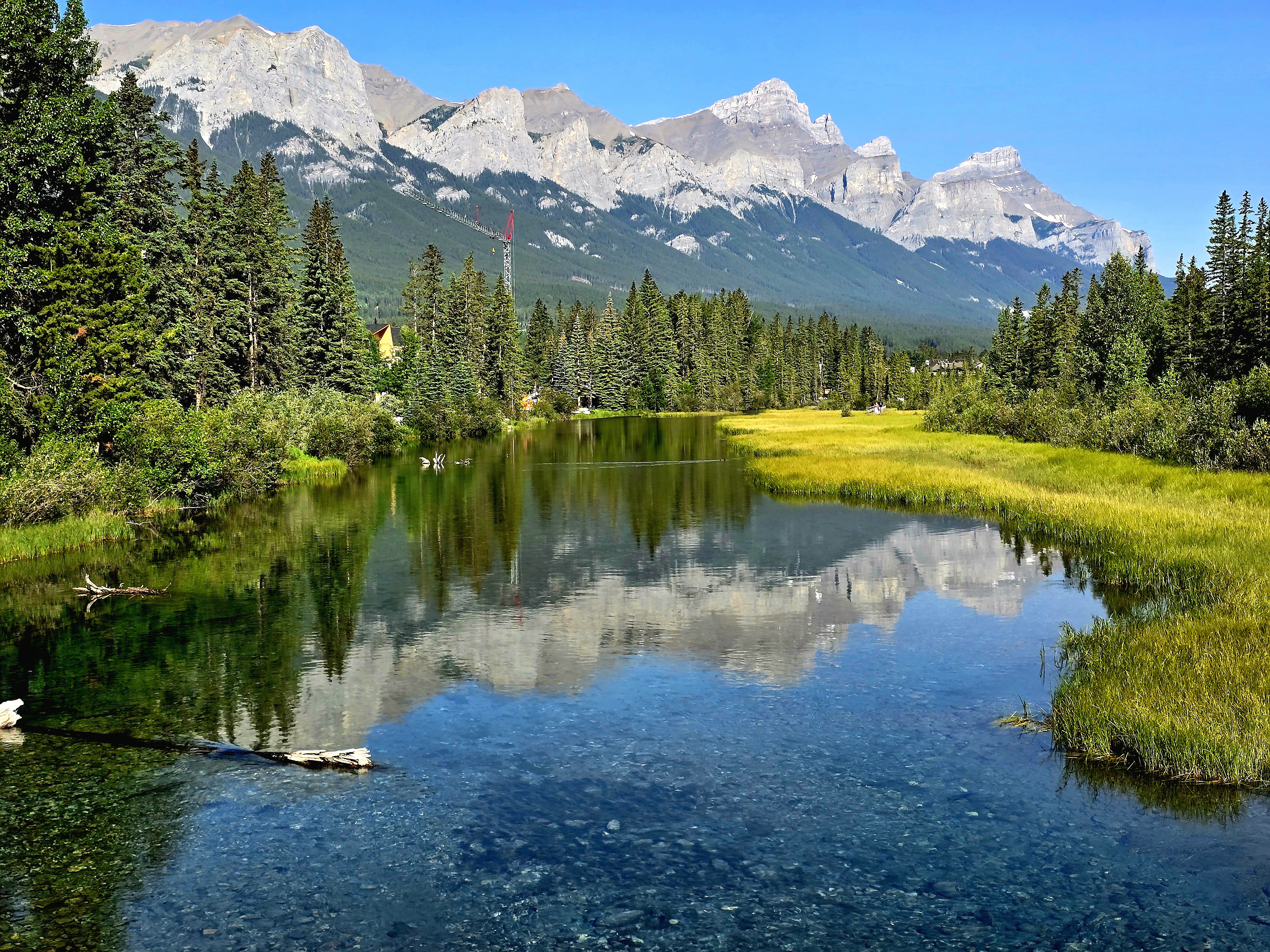
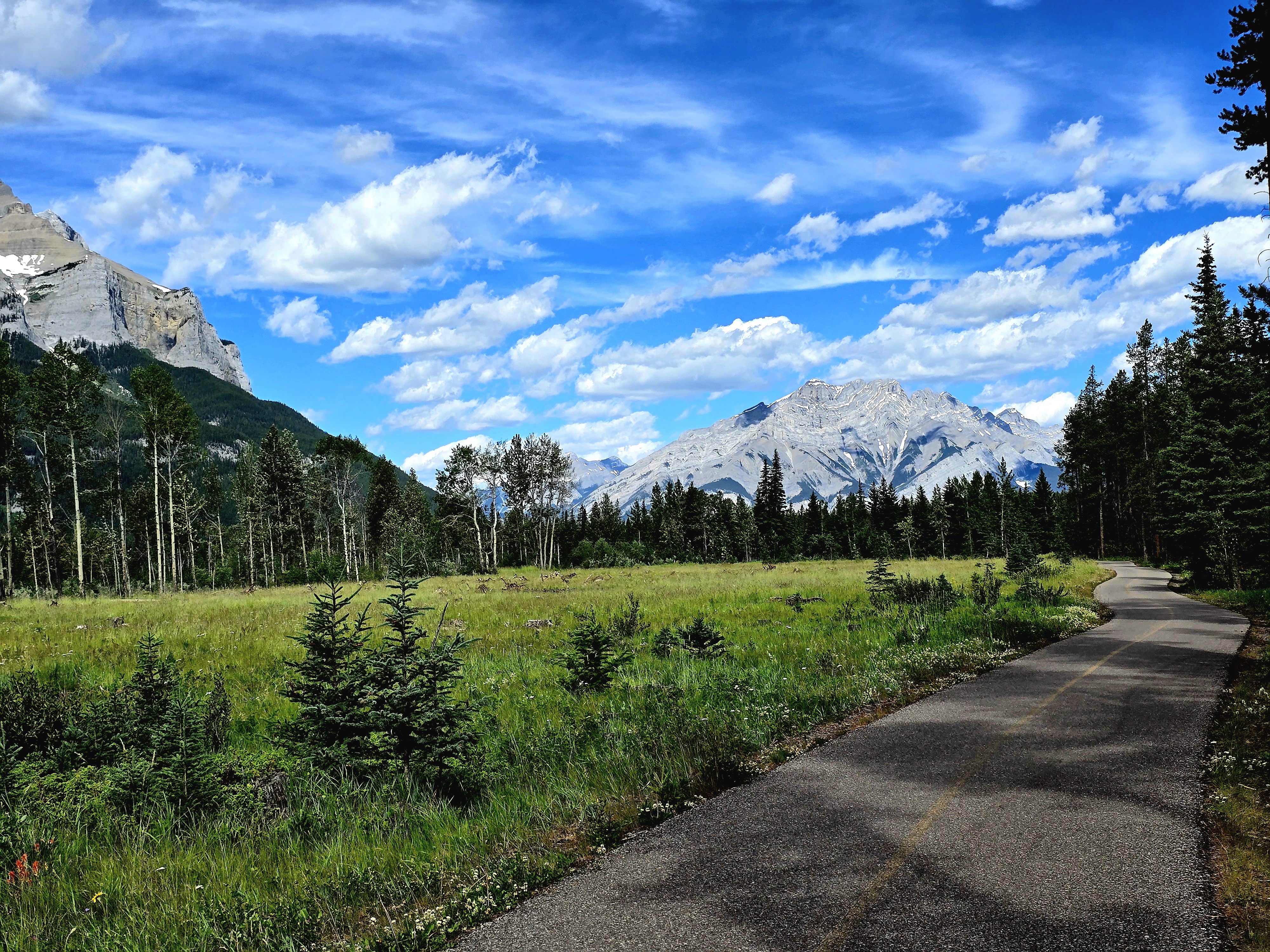
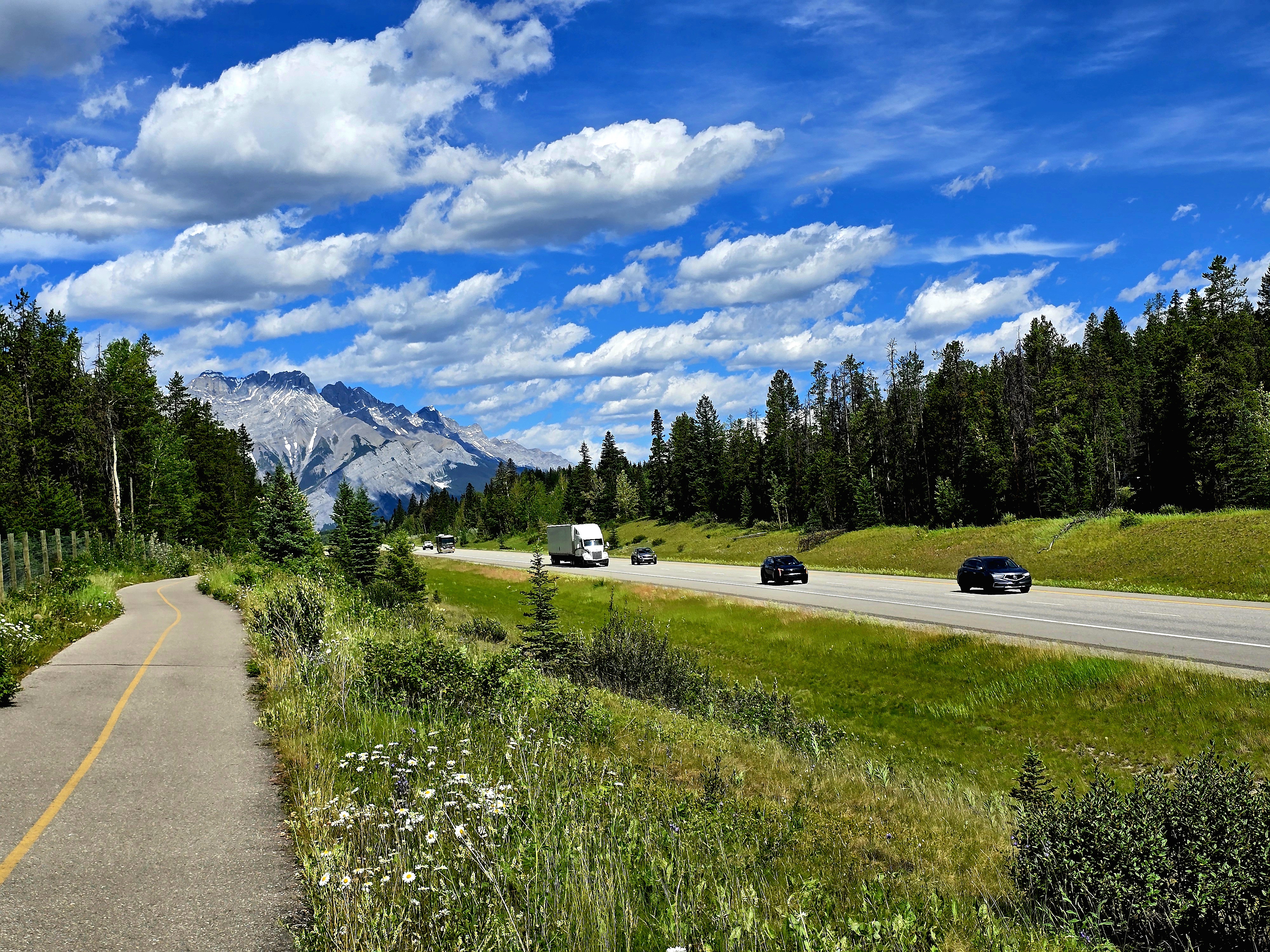
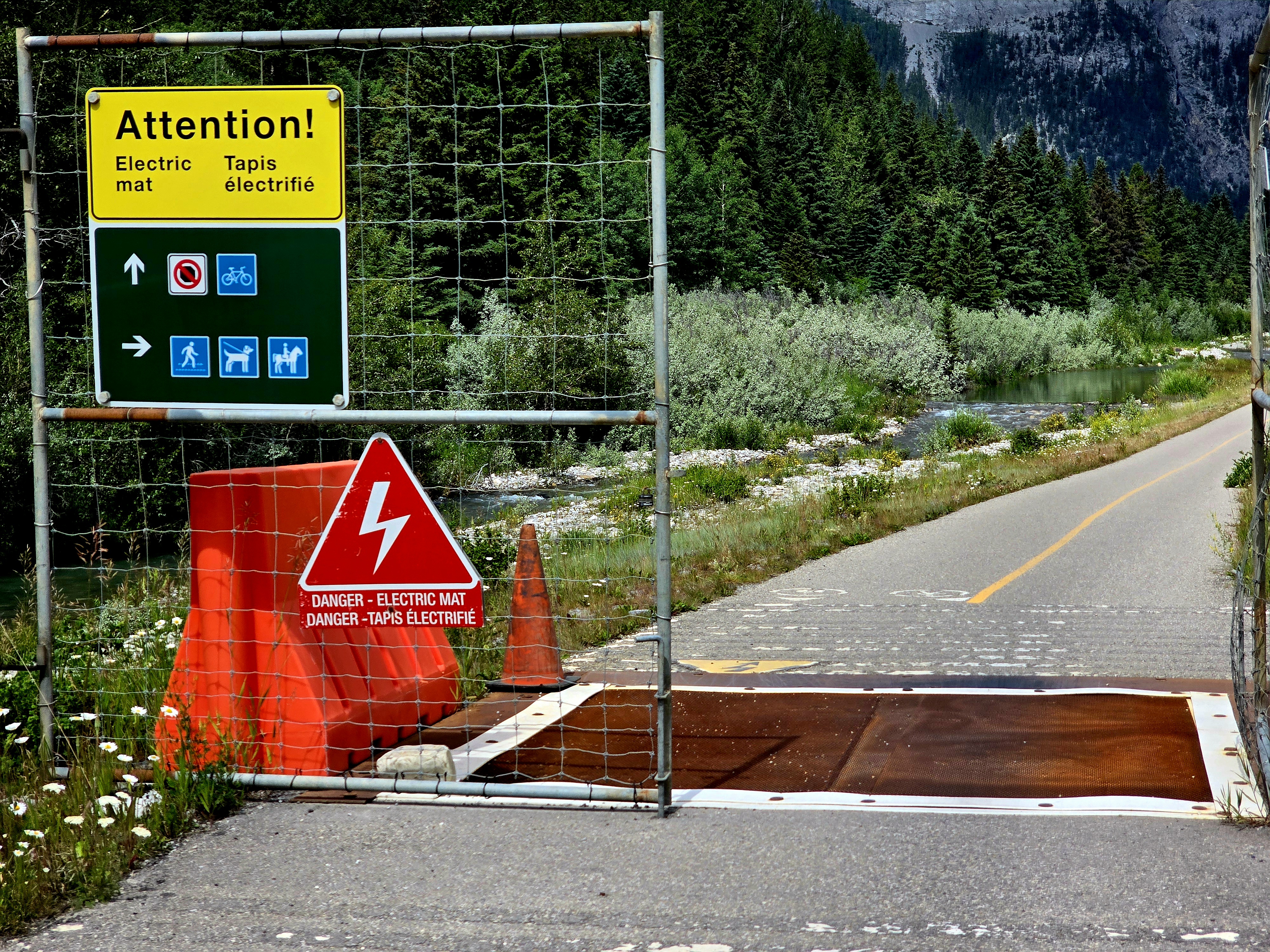
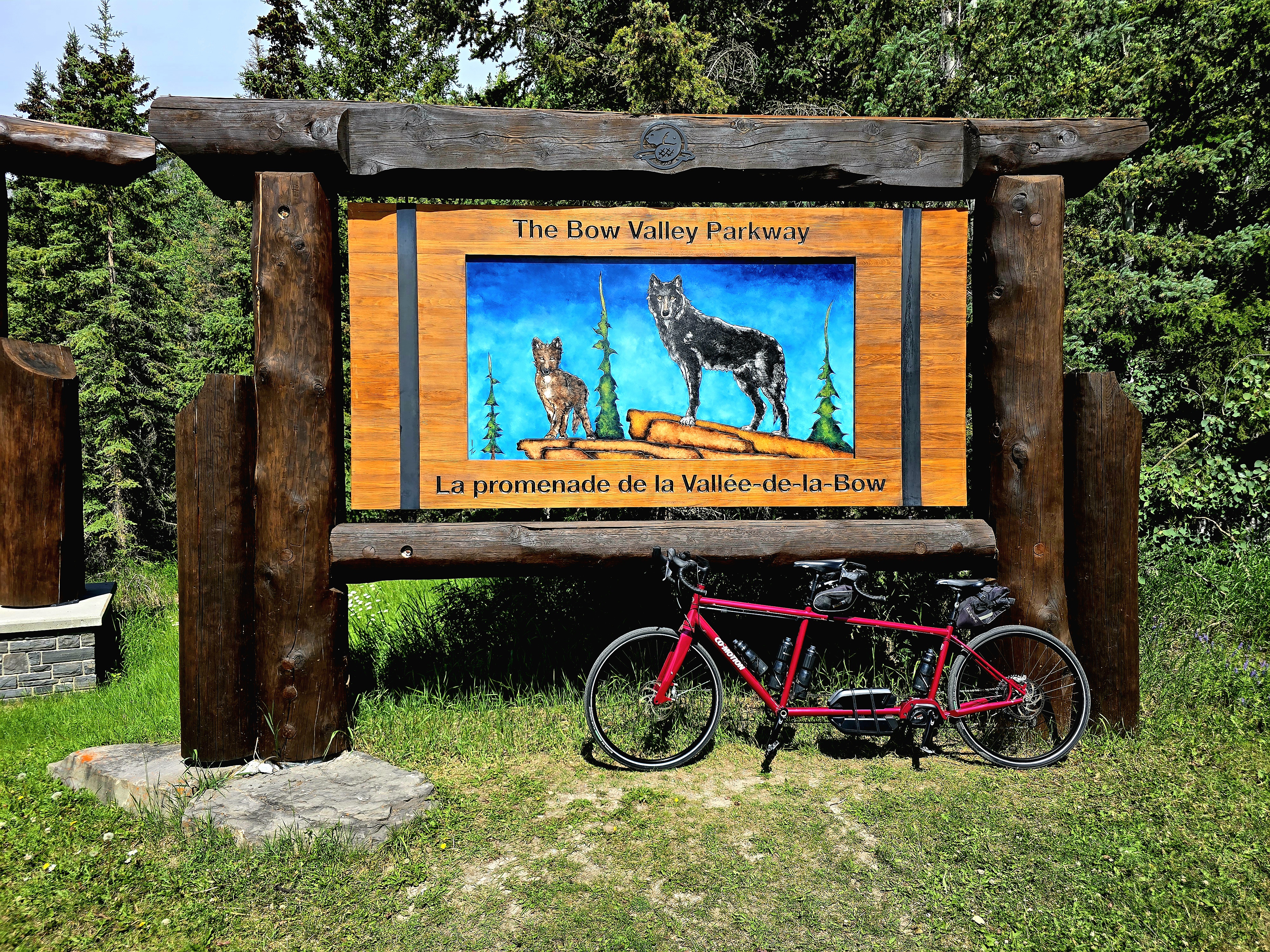
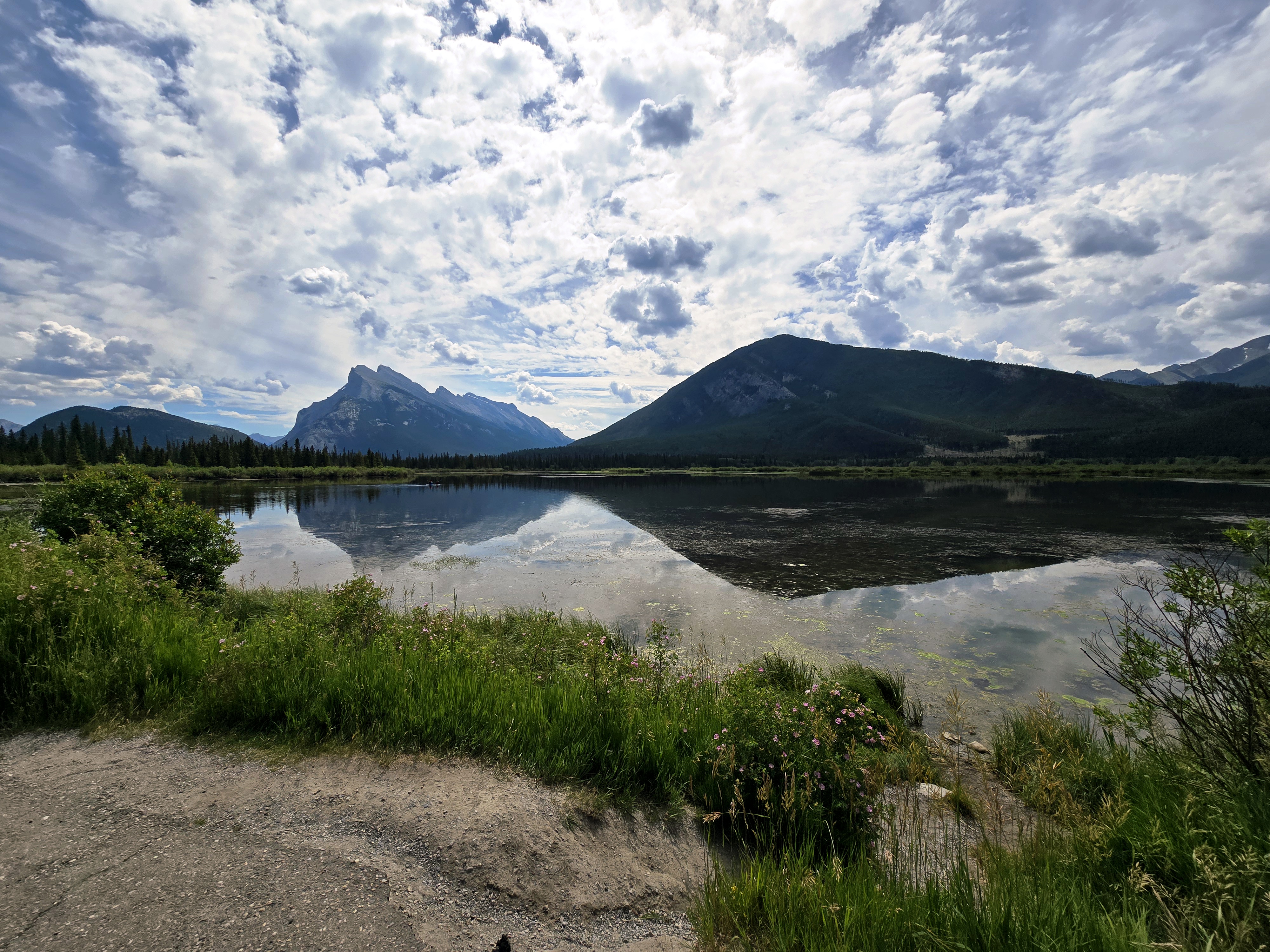
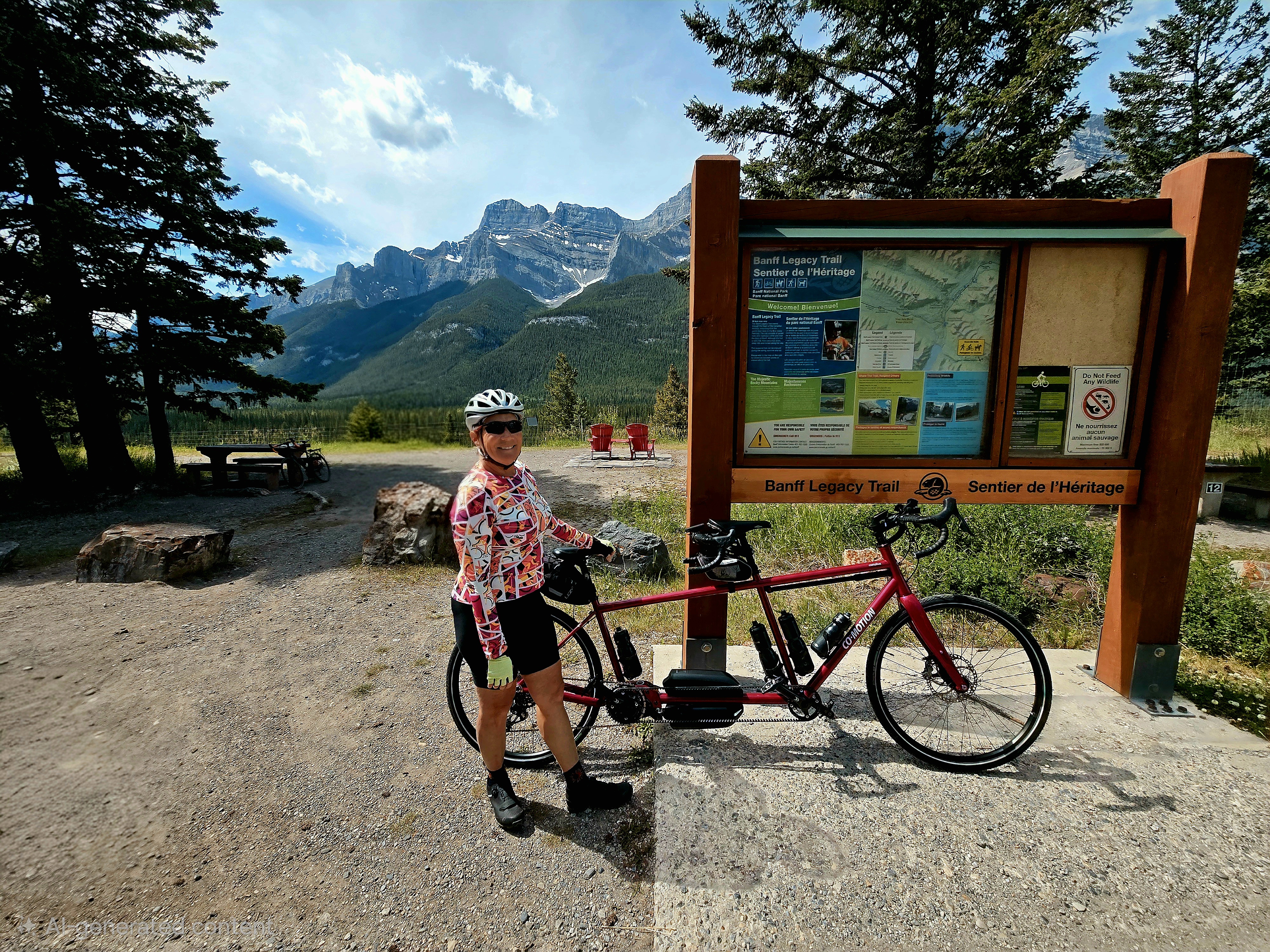
The Legacy Trail goes from Canmore to Banff (16 miles one way) and is used by cyclists, runners and walkers. This trail goes through Banff NP and wildlife sightings do happen. Note the photo below with the yellow “Attention” sign. That is a gate with an electrified mat to keeps bears away. The trail runs parallel with the Trans Canada Highway. We rode this trail several times and it has some amazing views. We barely drove the car in Canmore and walked or took the bus to get around.
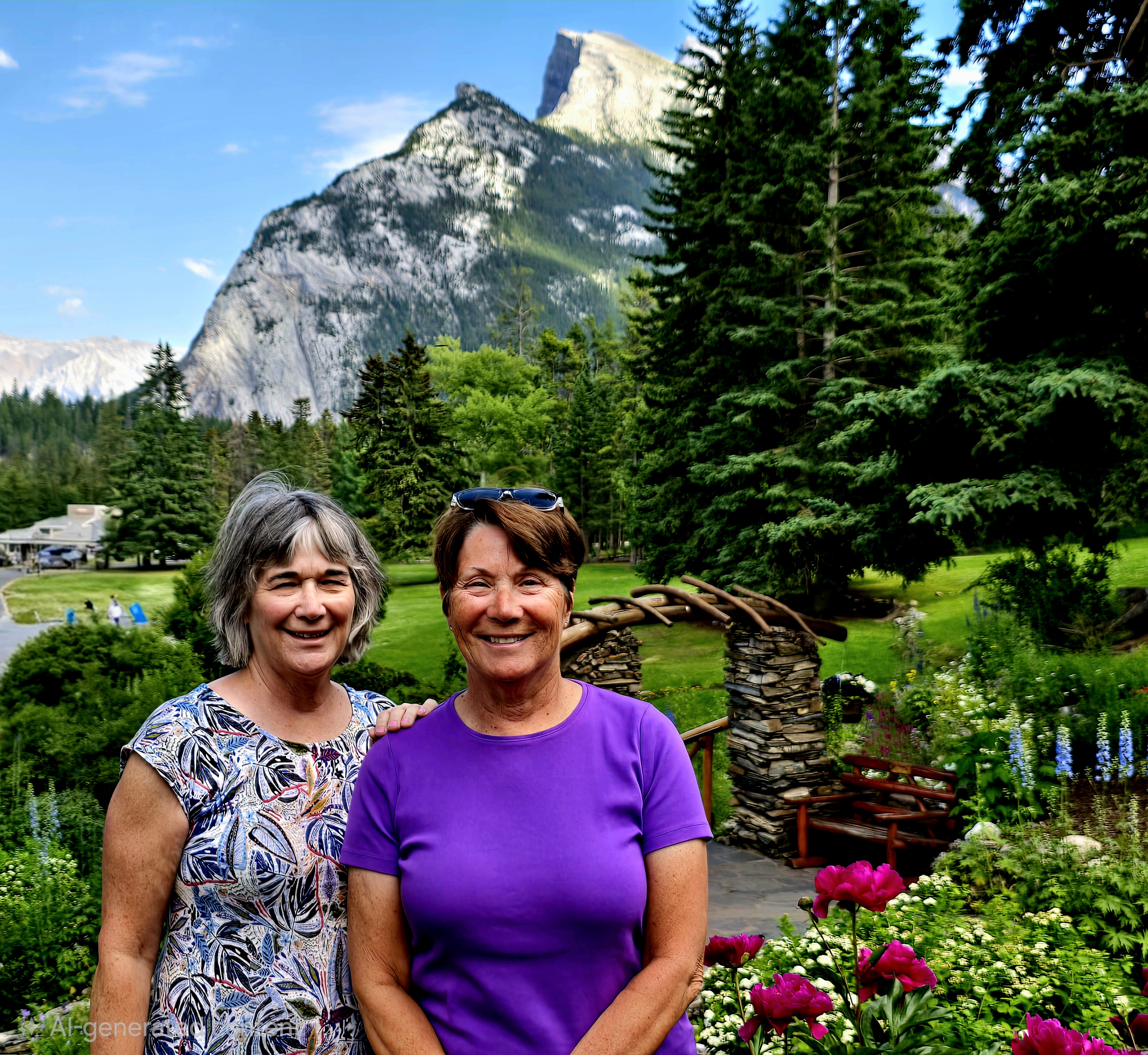
Laura’s sister Jacqueline was also there on a Road Scholar tour in the Canadian Rockies and we were able to carve out an afternoon for a visit in Banff. It was great to catch up!
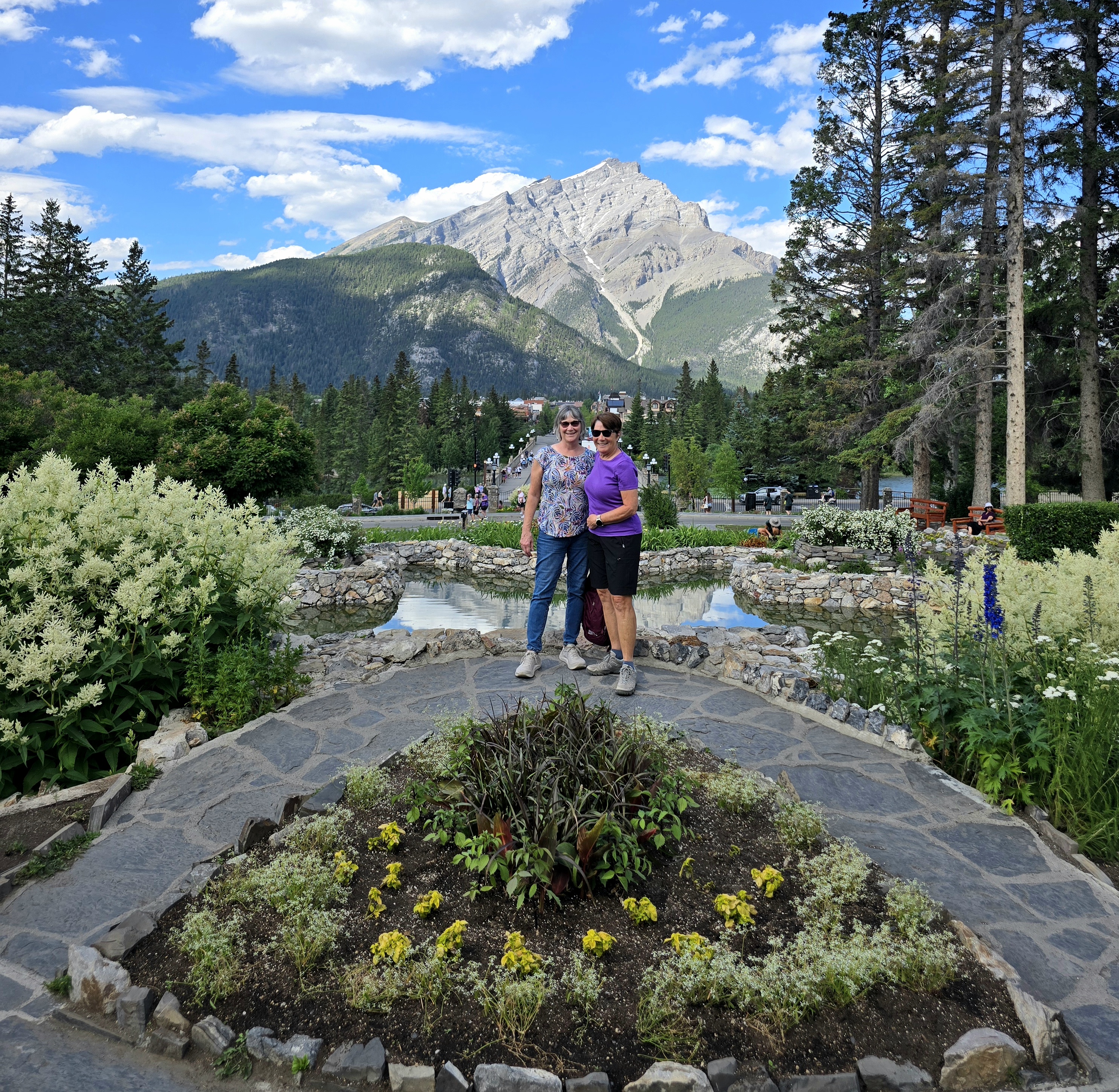
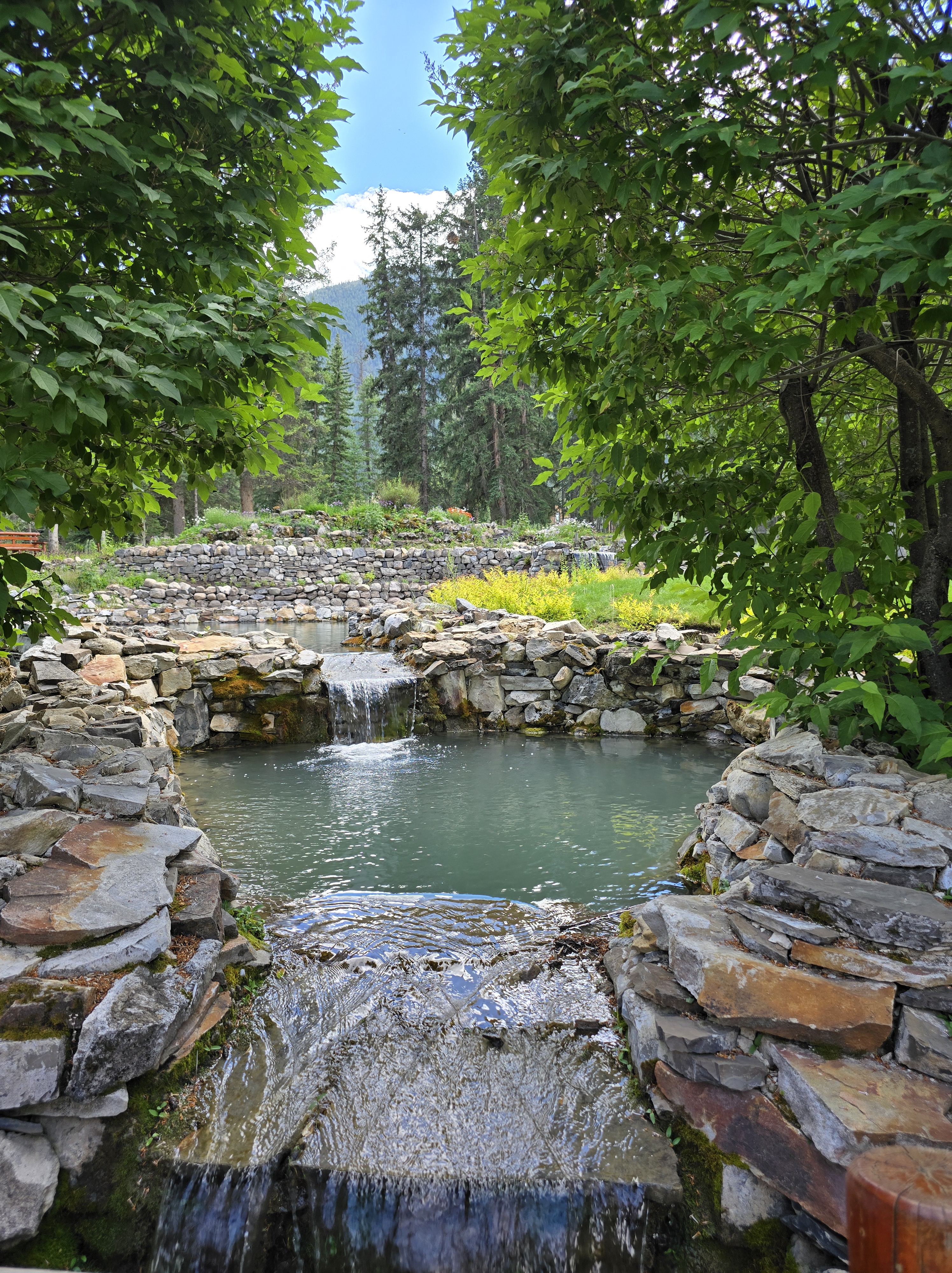
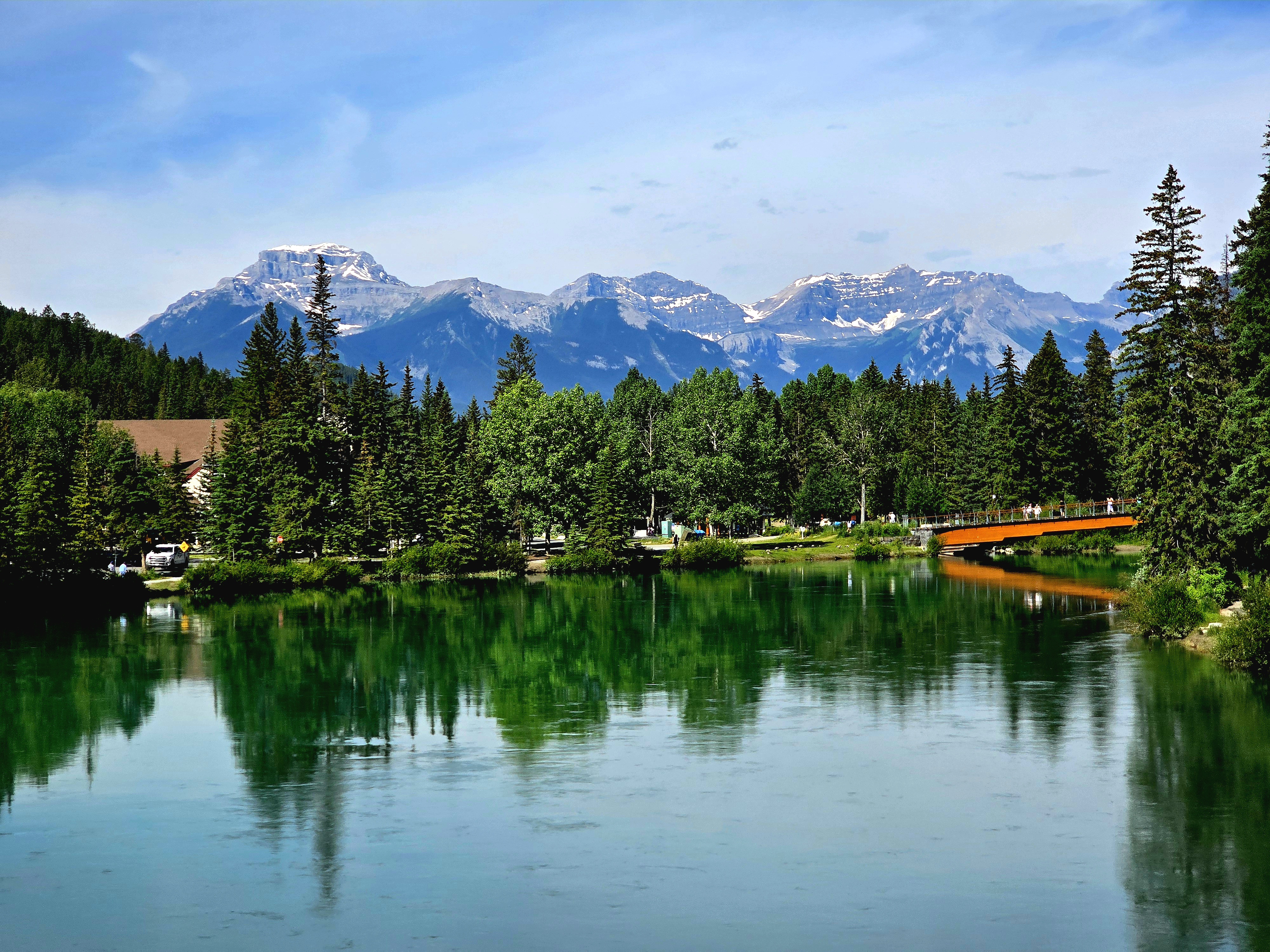
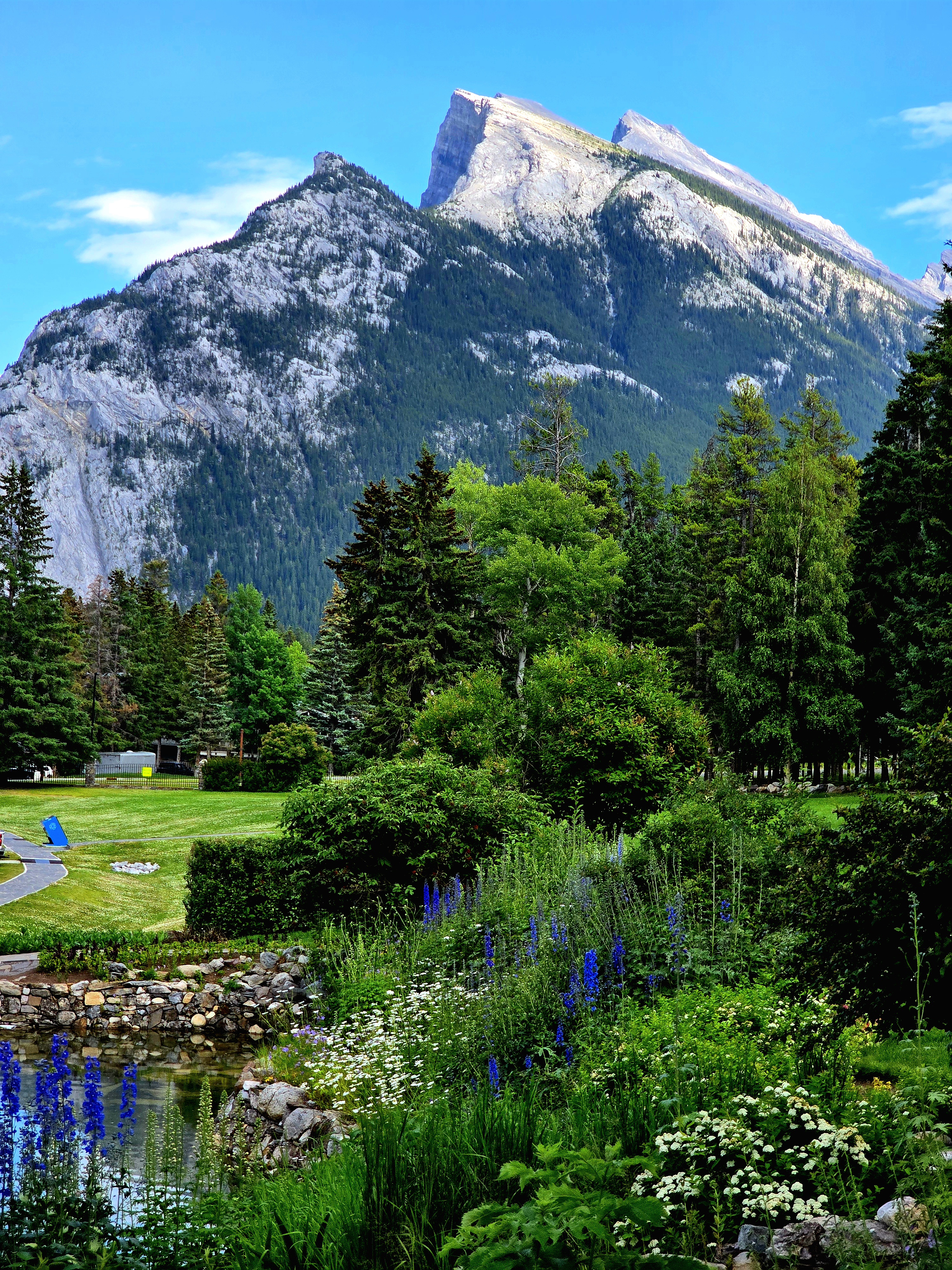
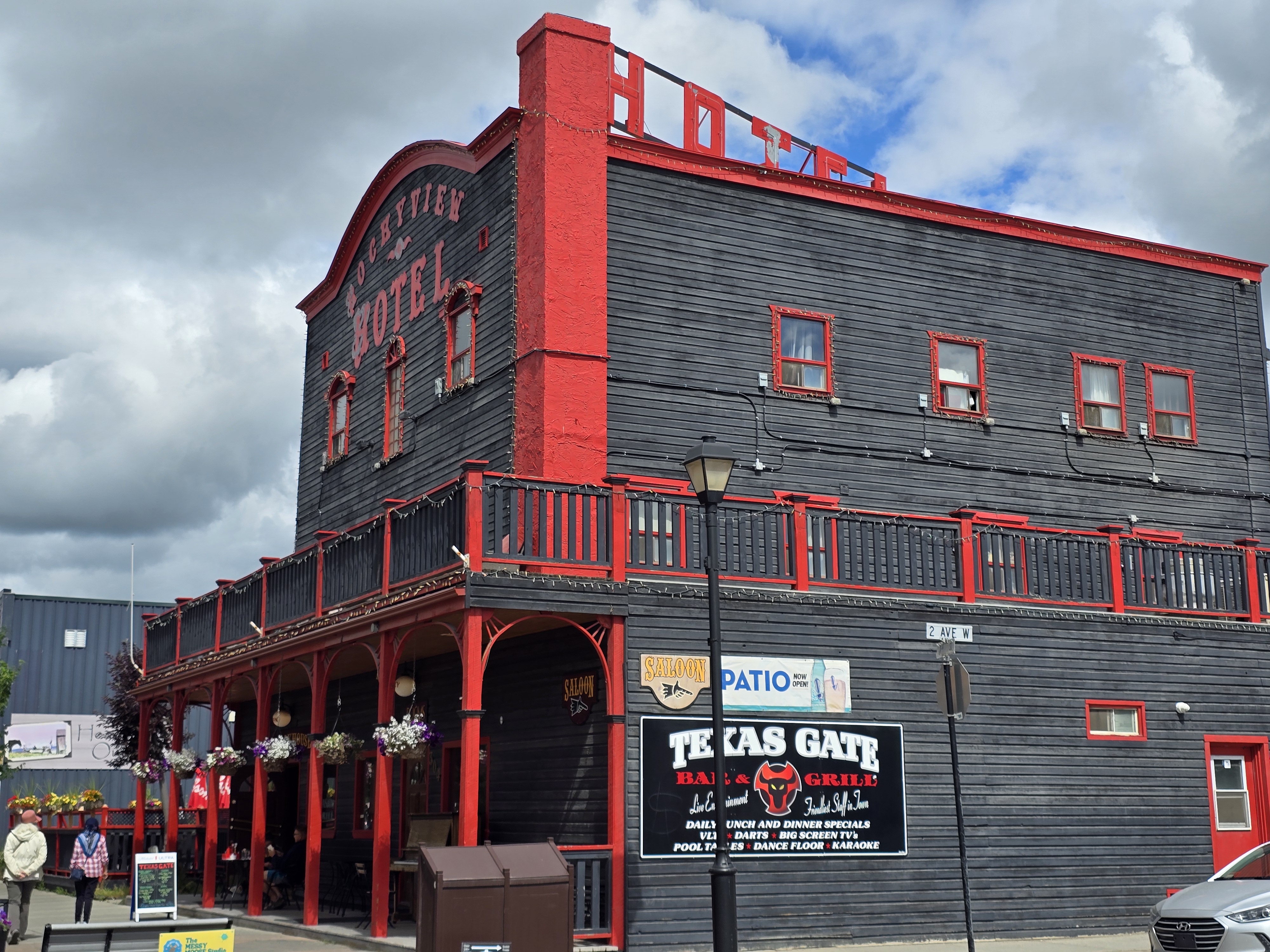
Cochran is a suburb of Calgary. Our Airbnb was located on the Bow River – peaceful and quiet location. The town was established 1881 as a ranch and became a village in 1903. Cochrane is situated at the base of Big Hill in the Bow River Valley. It sits at an elevation of 3,891 ft. Cochrane has a reputation for its western culture—clearly seen when one wanders the streets (particularly First St). The town is a popular destination for ice cream and coffee in its quaint western-themed stores.
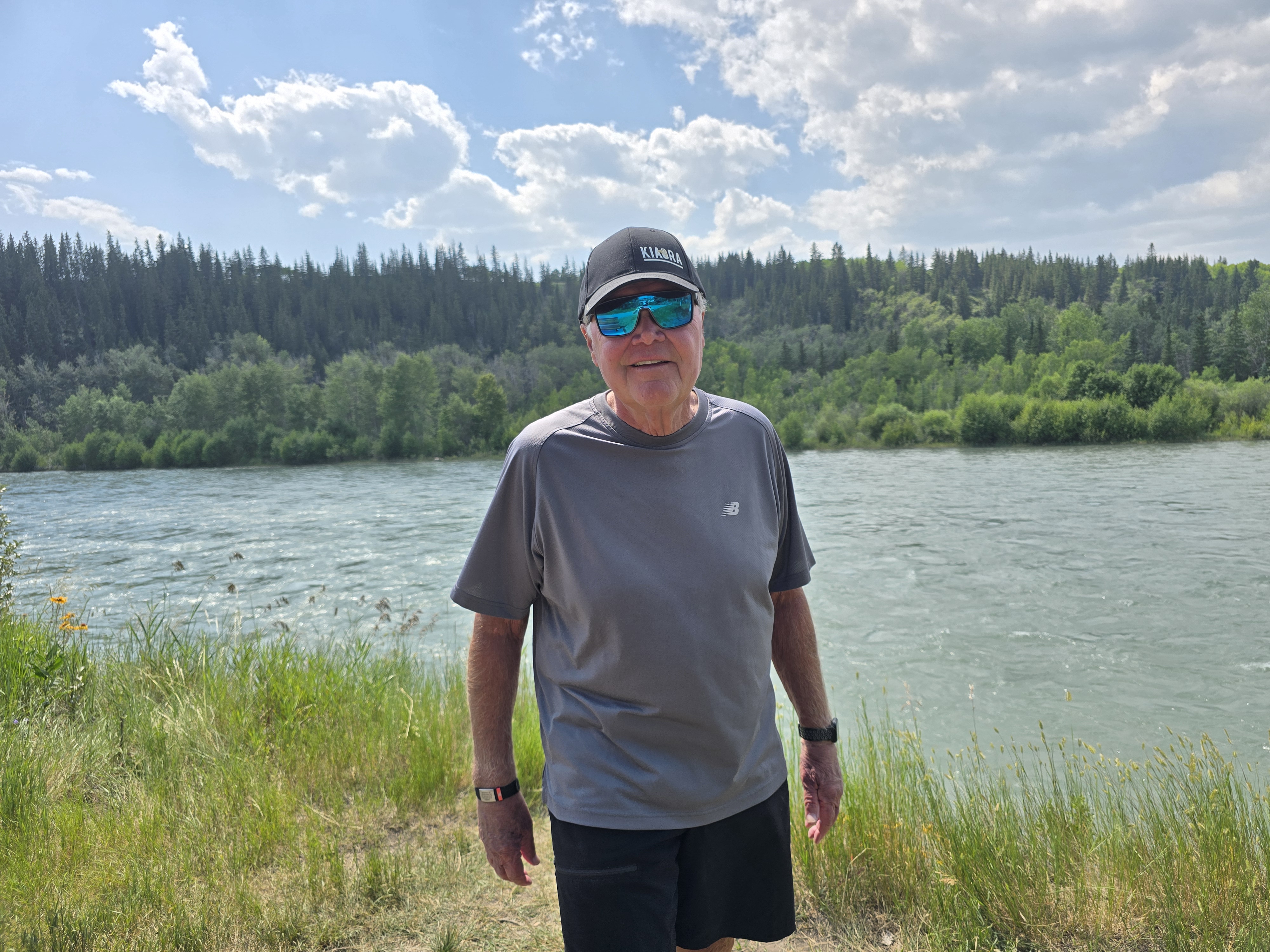
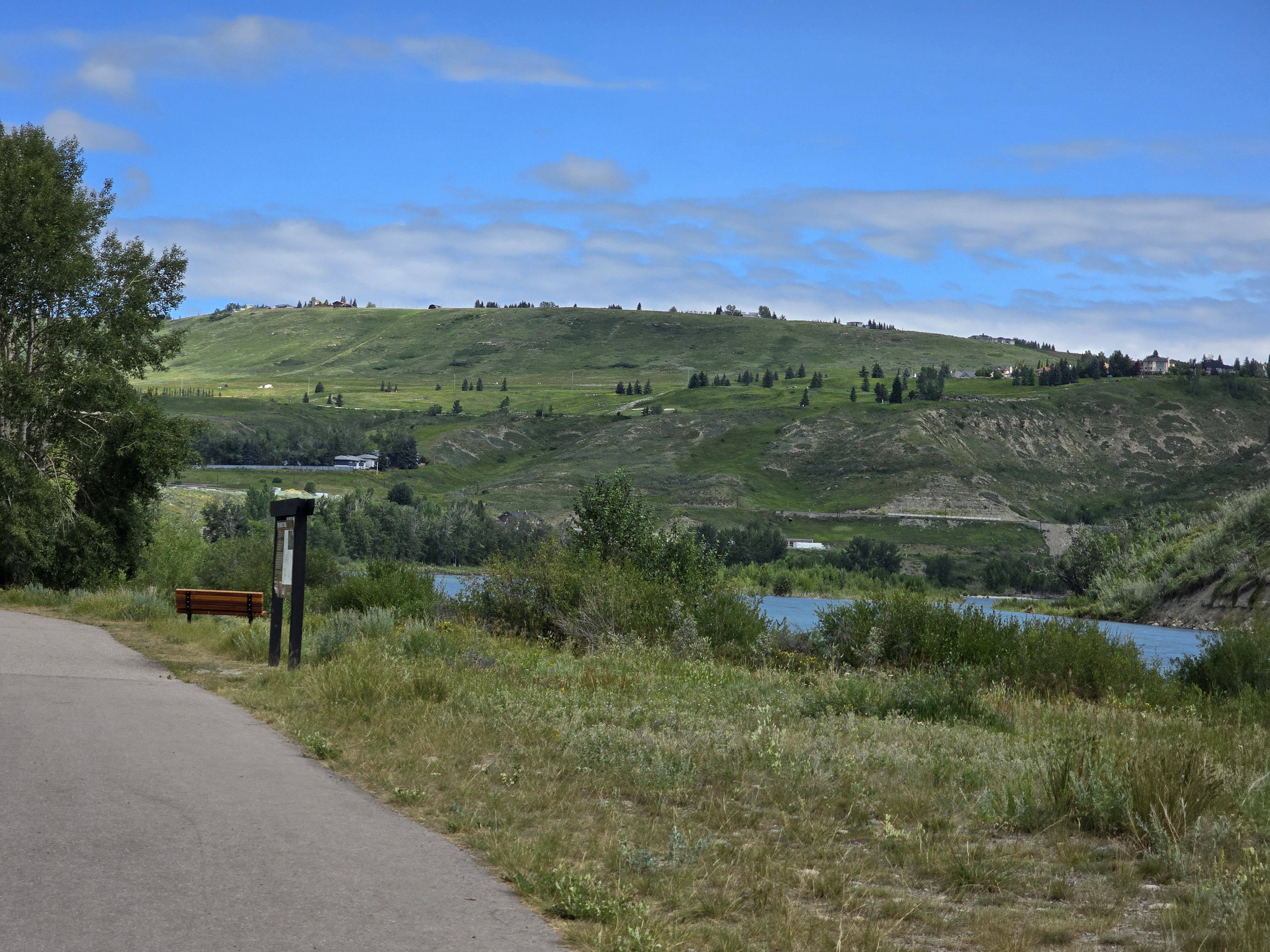
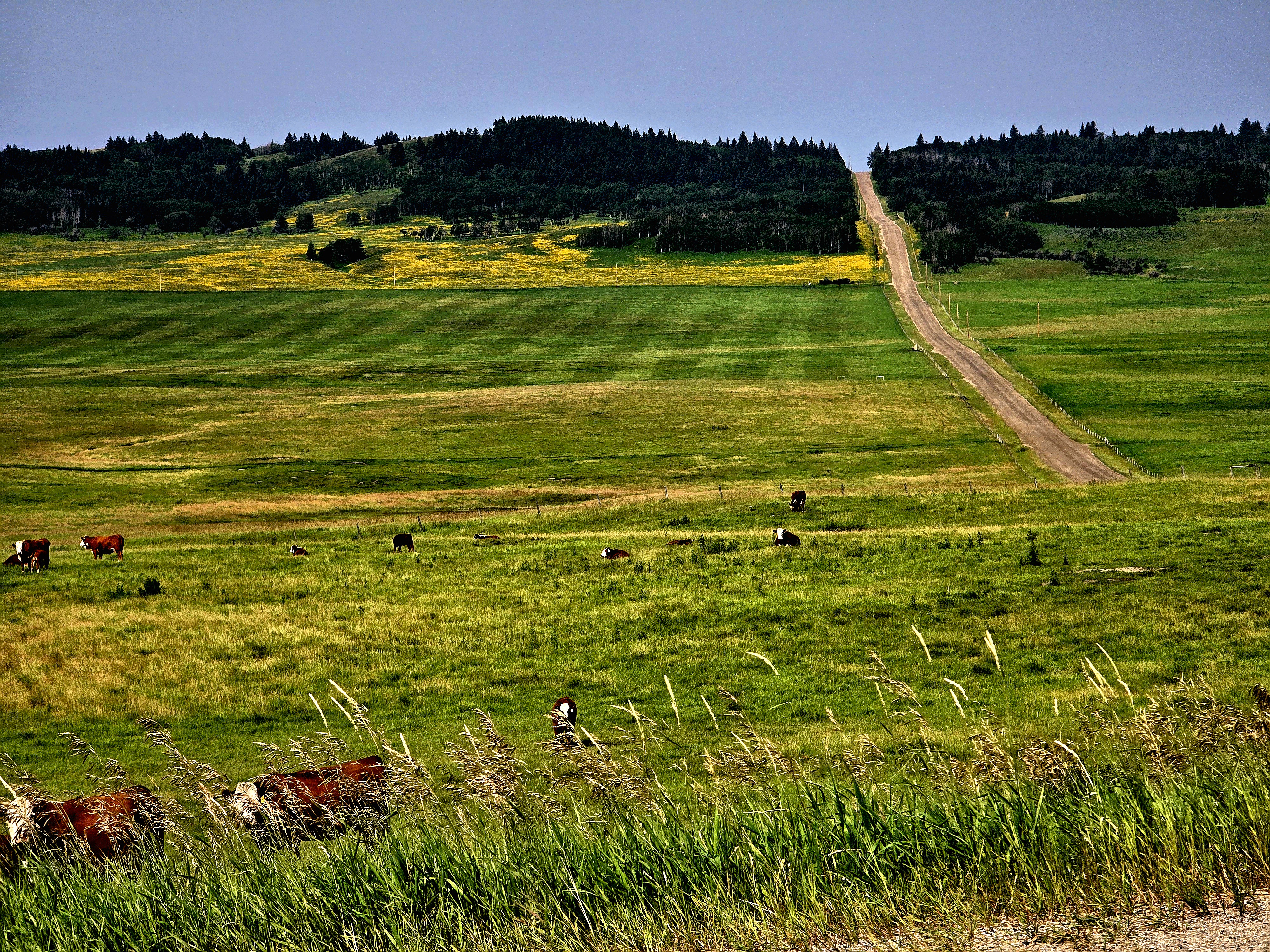
We were able to ride in the local ranch and farm area, plus the trails that ran along the Bow River. Lots of rolling hills, cattle, hay and local cyclists!
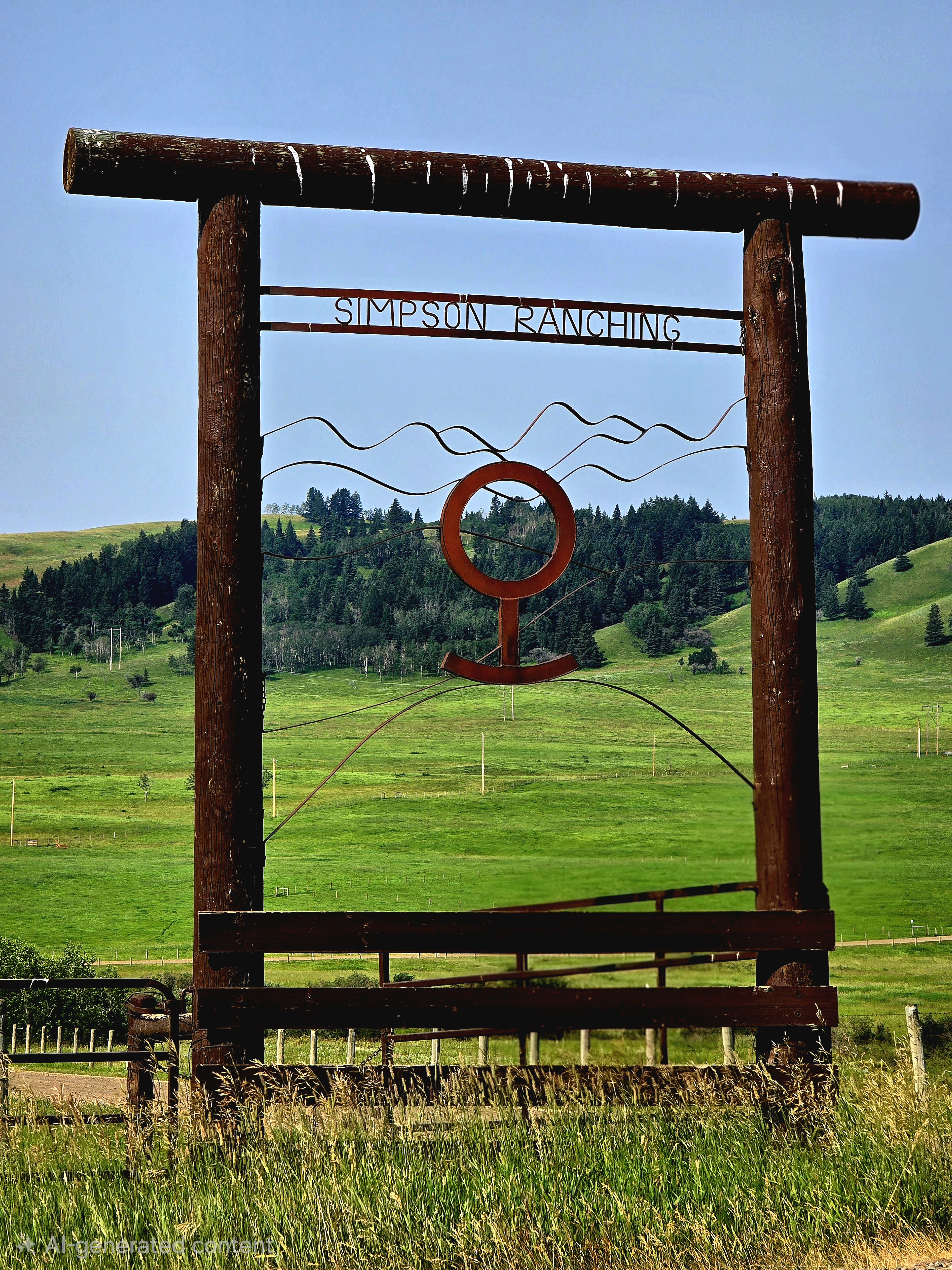
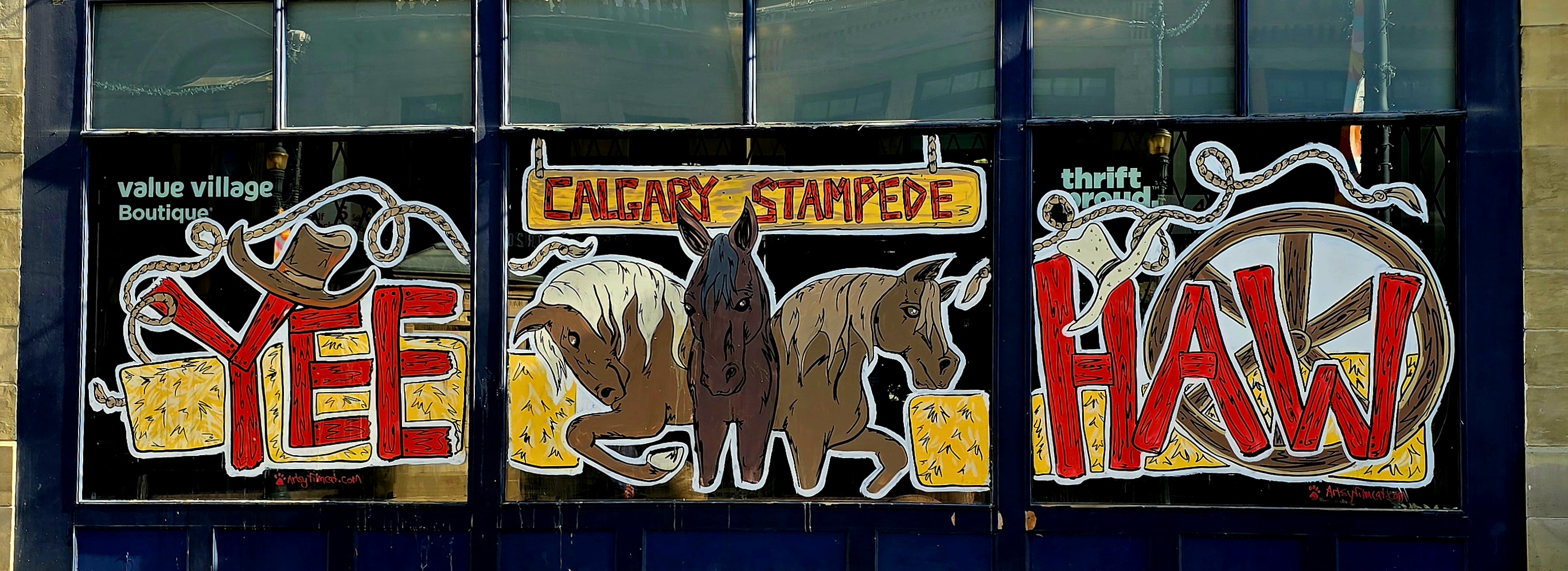
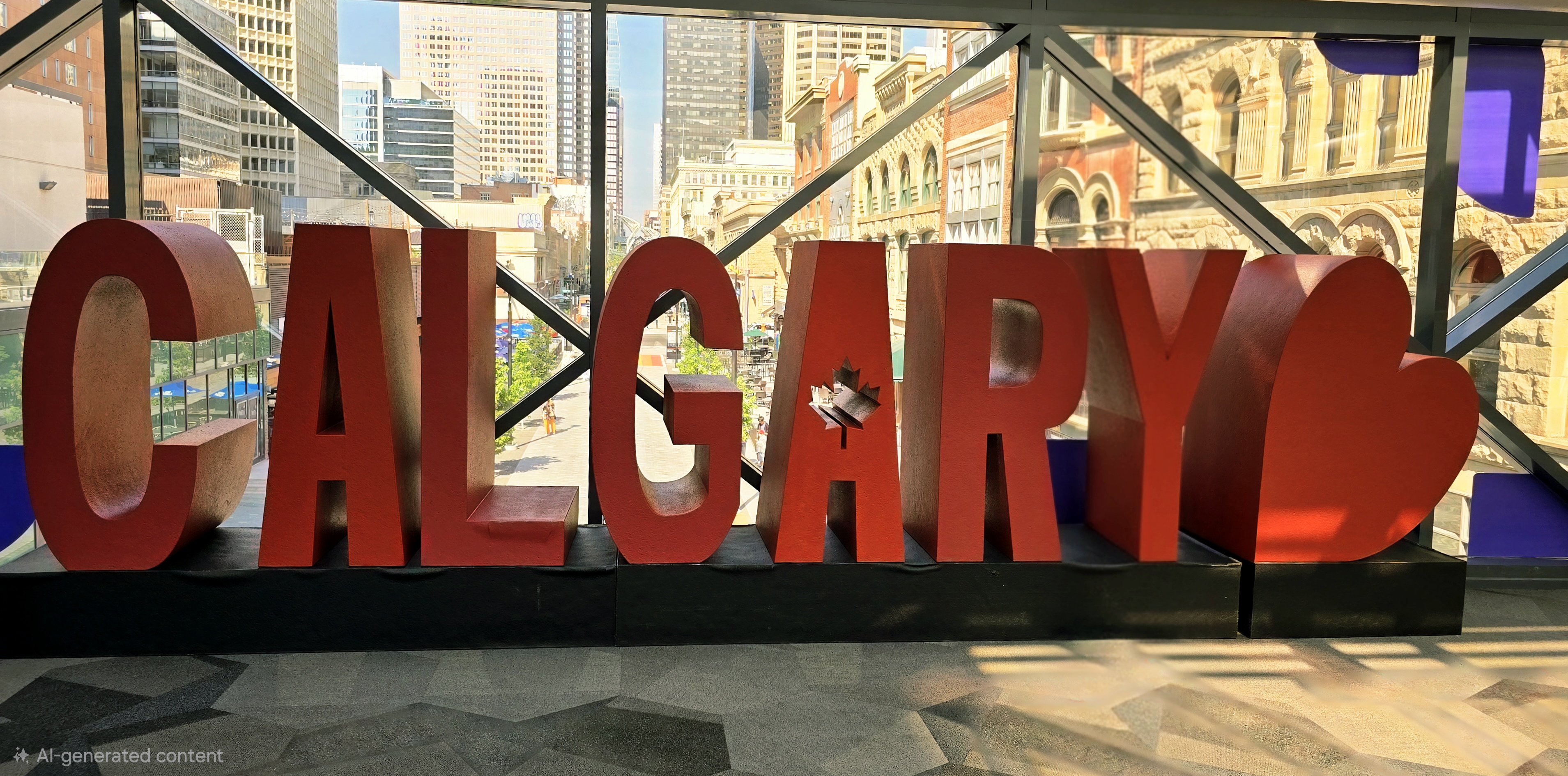
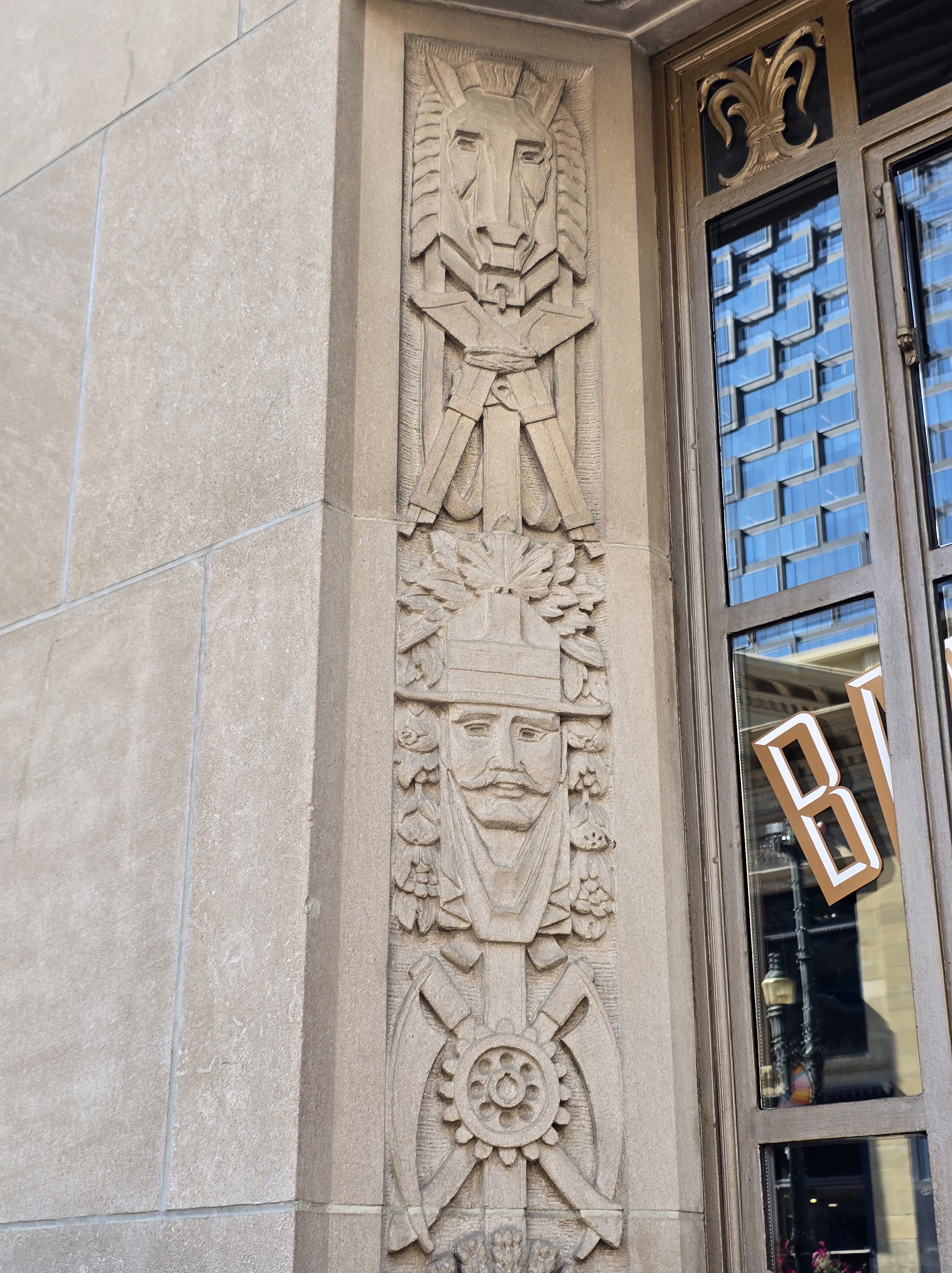
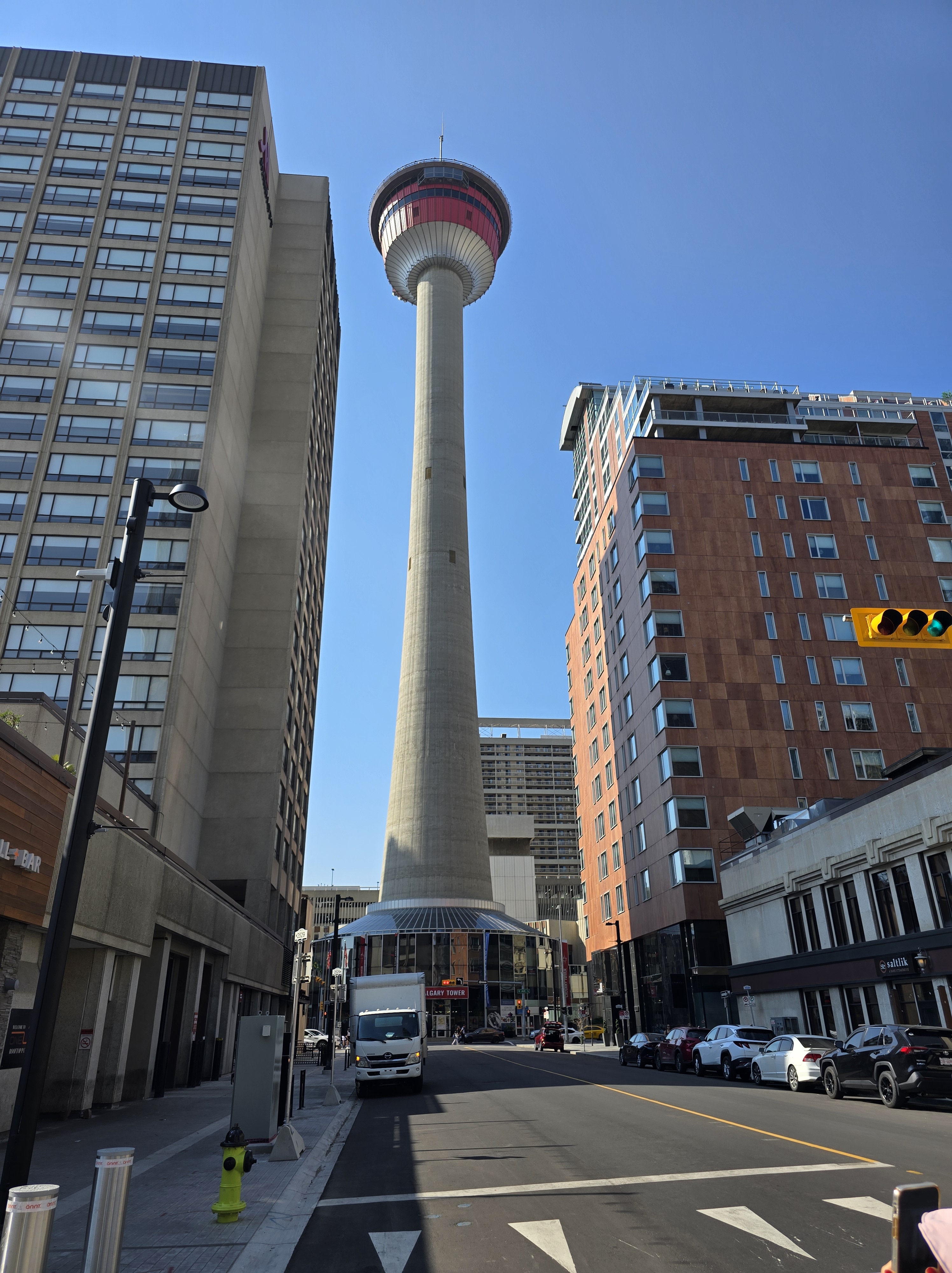
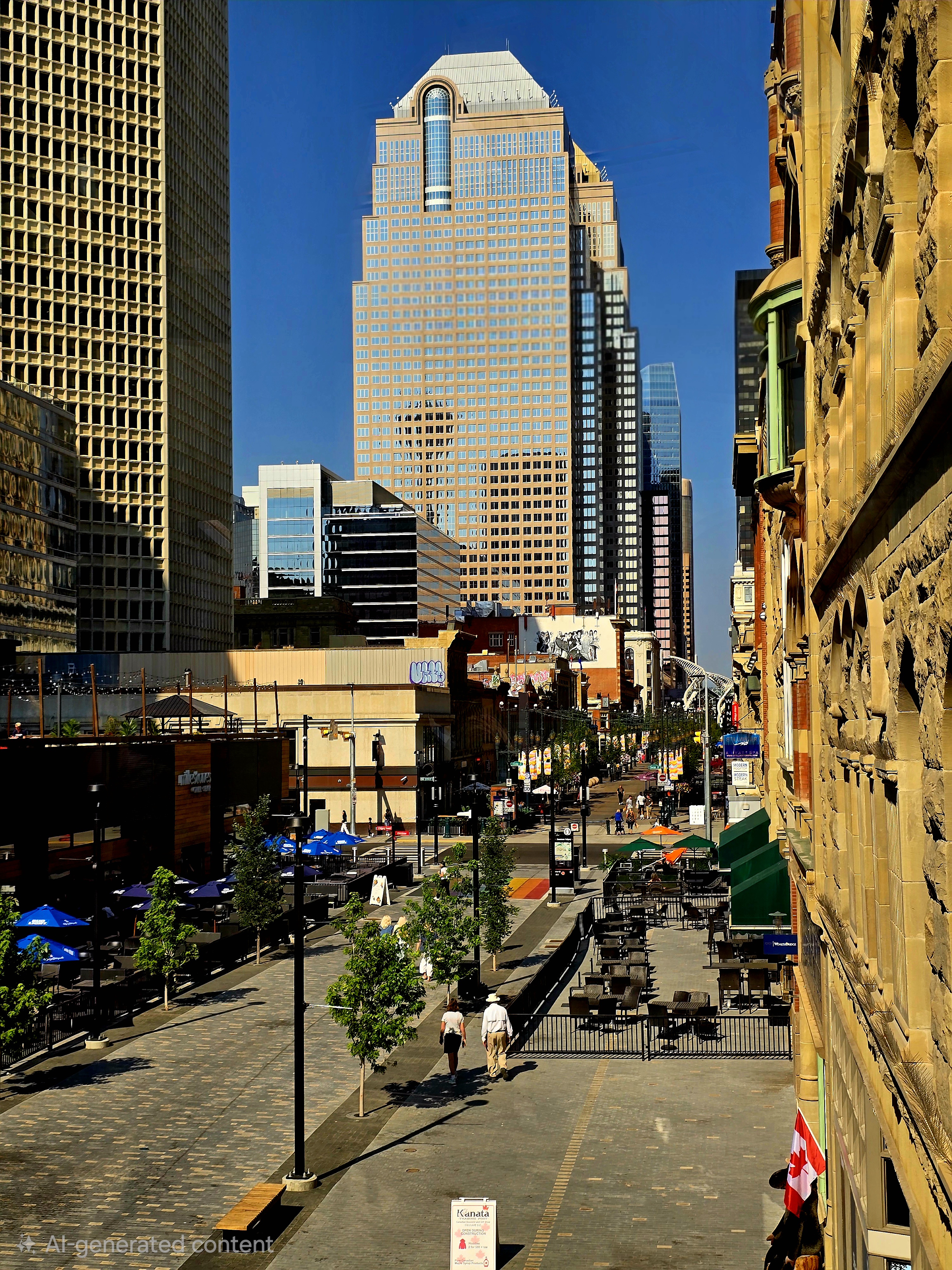
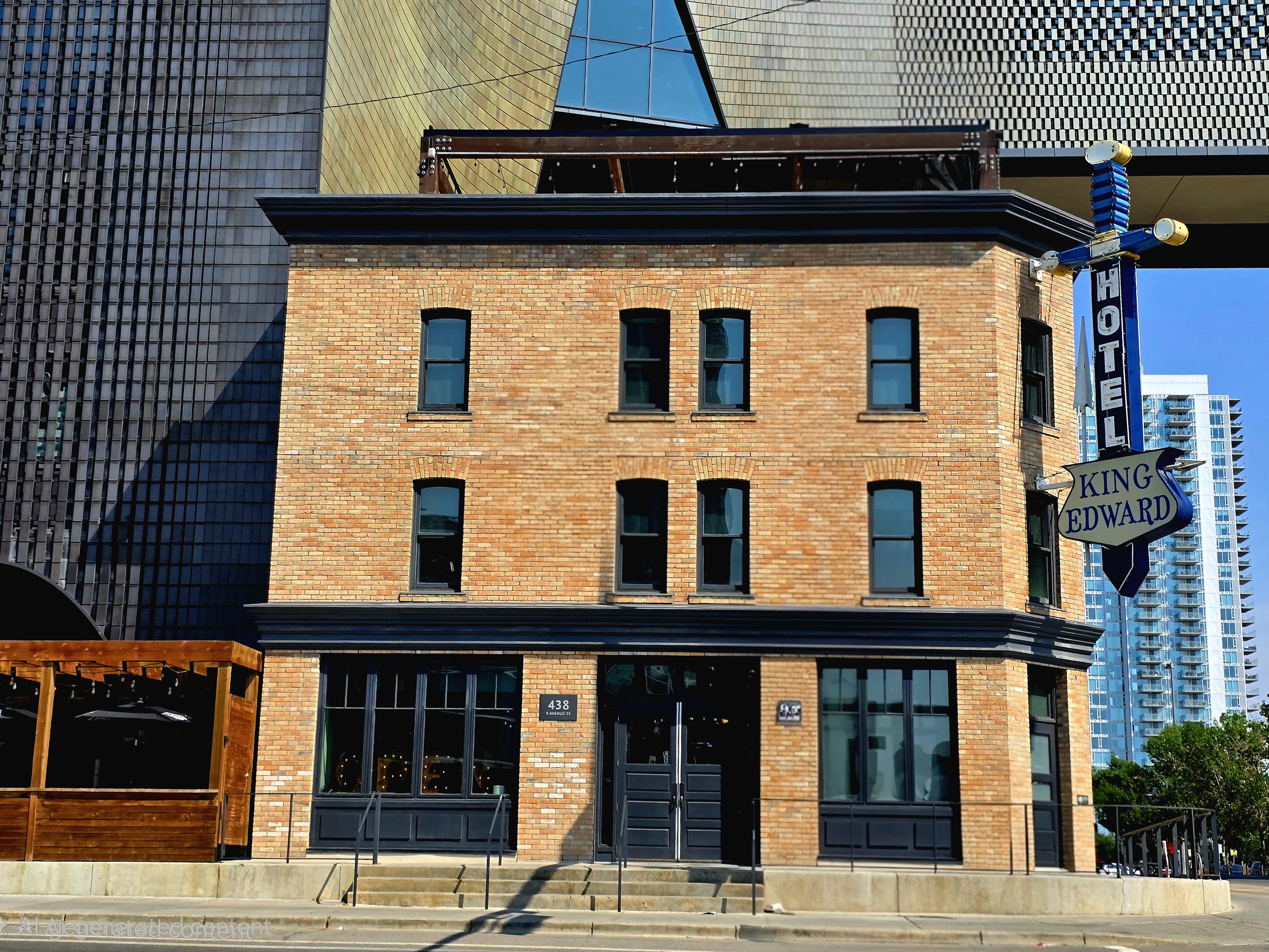
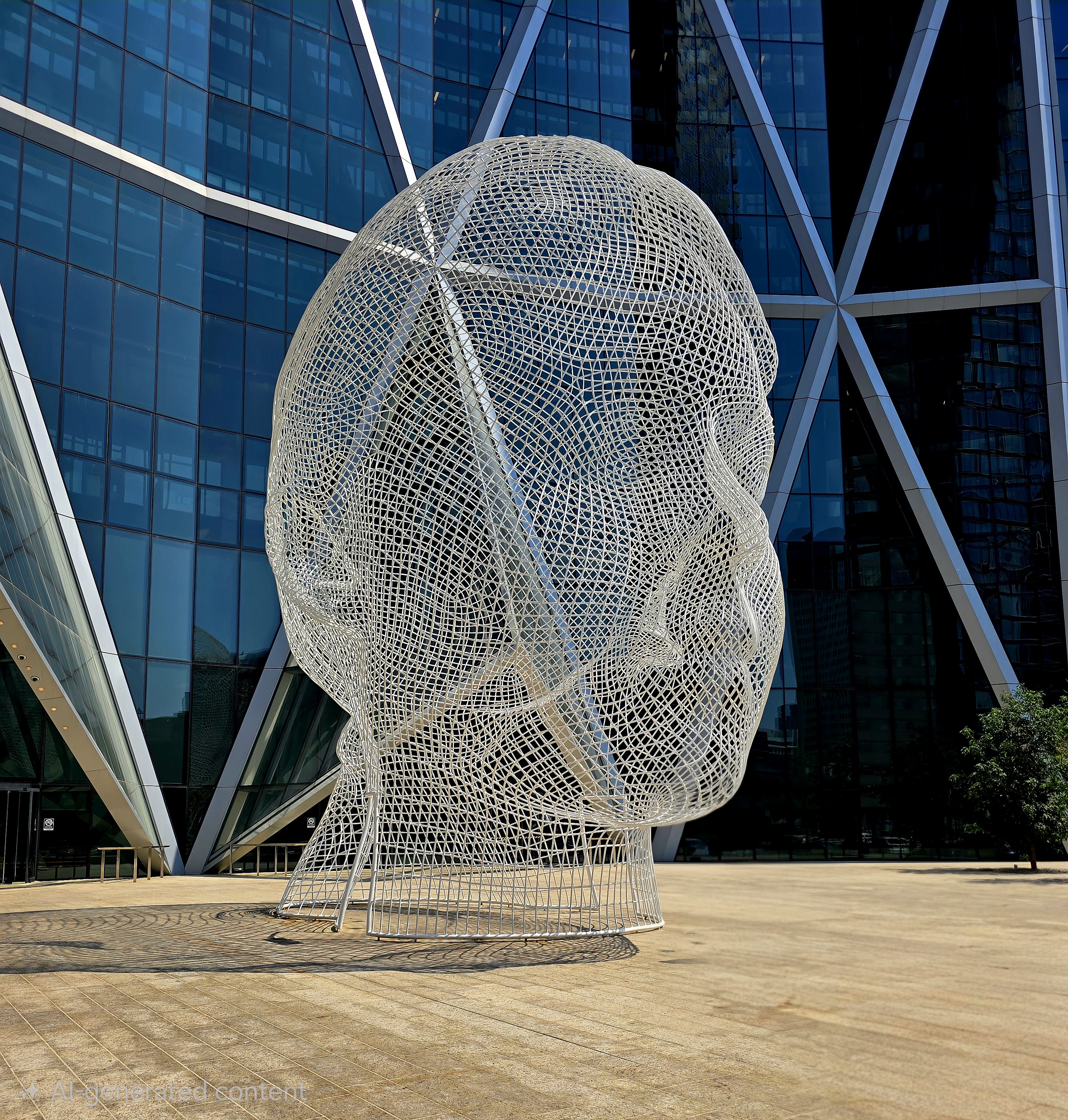
Cochrane is 11 miles from Calgary and we opted to do a three hour walking tour in Calgary. It was the best way to embrace what Calgary, the third largest city in Canada is about. We learned about the iconic sandstone architecture, rich cowboy and oil culture and how the city has grown and changed throughout the years. Rich in culture, new and old buildings, and history.
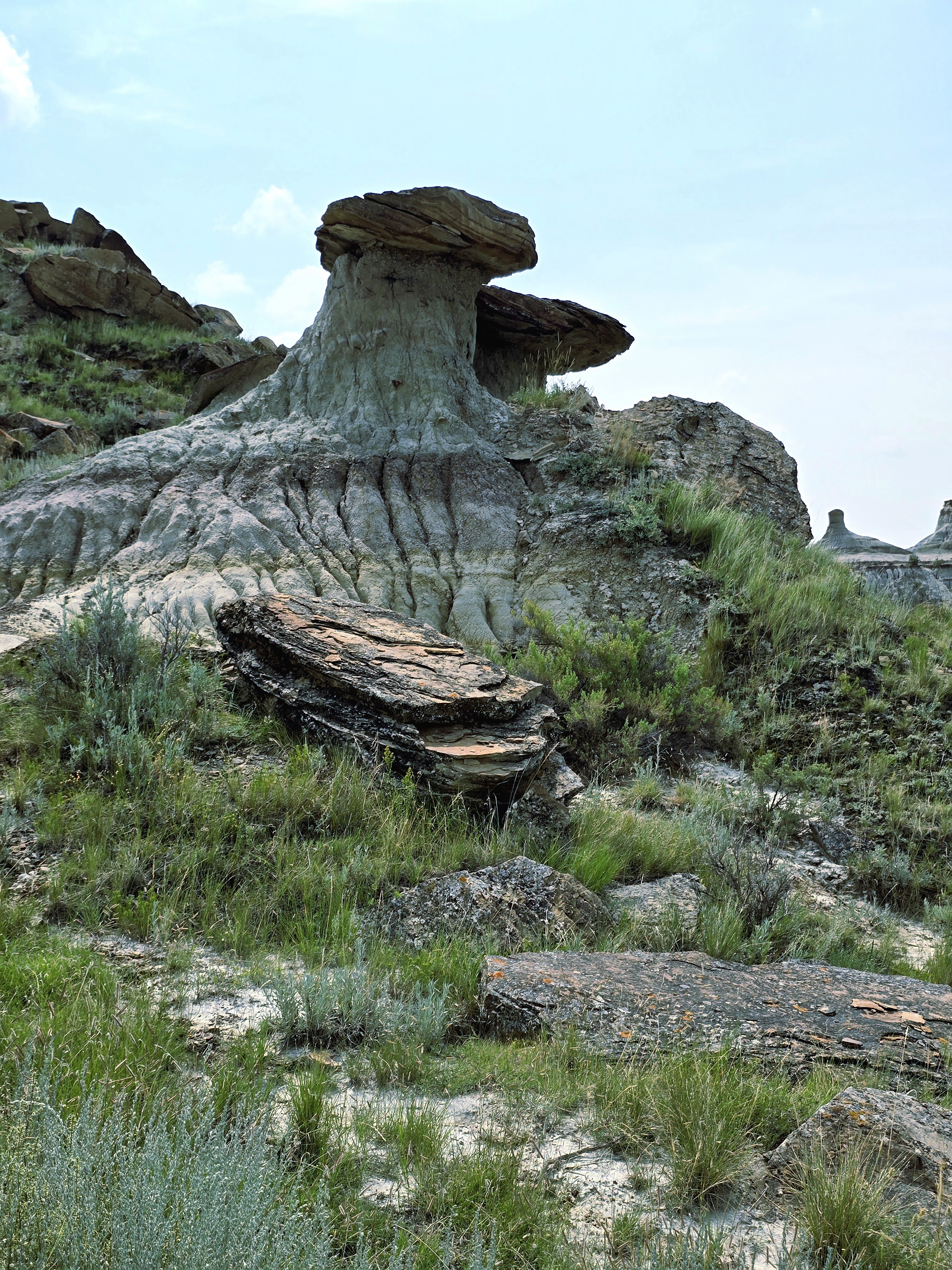
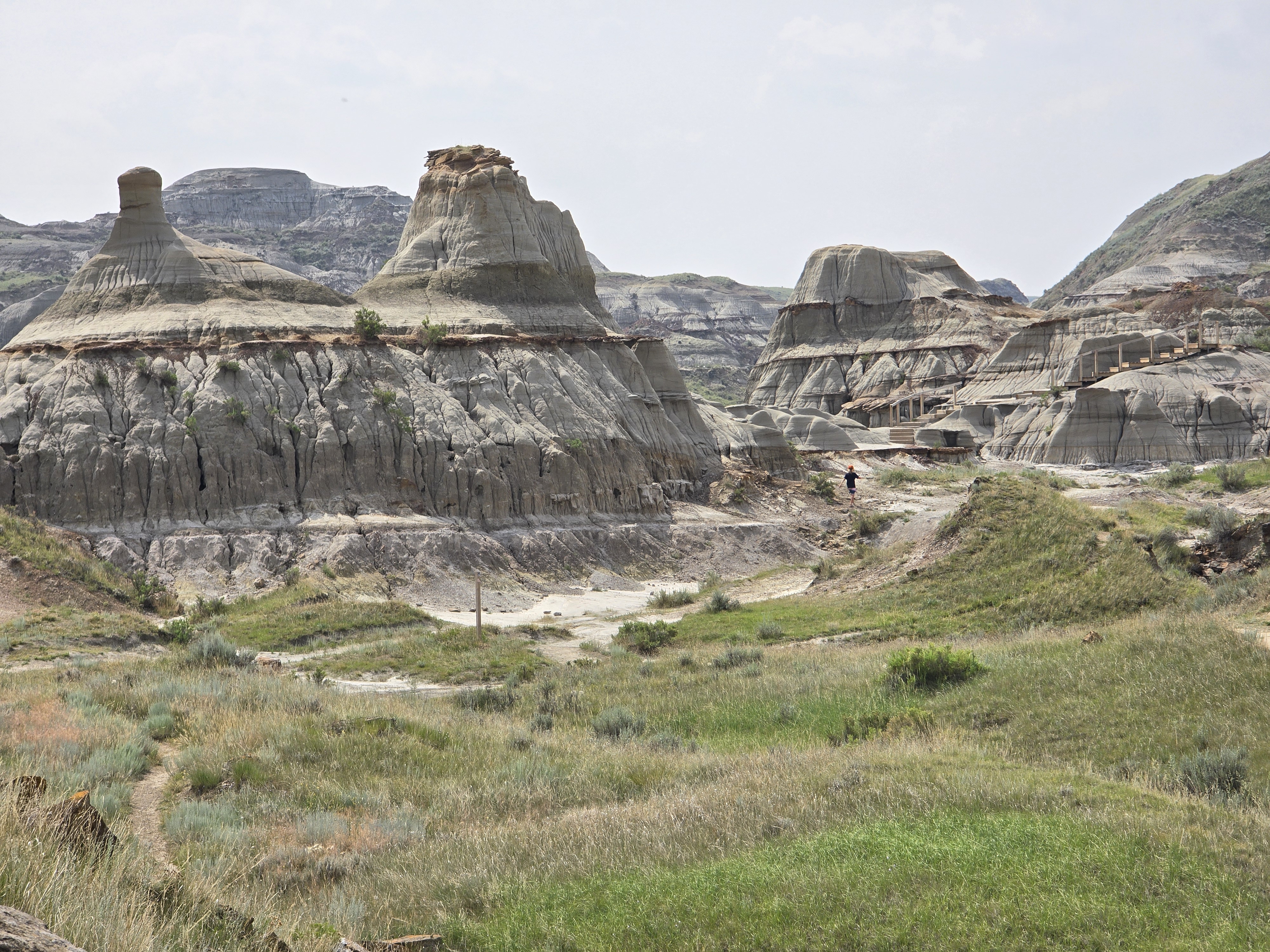
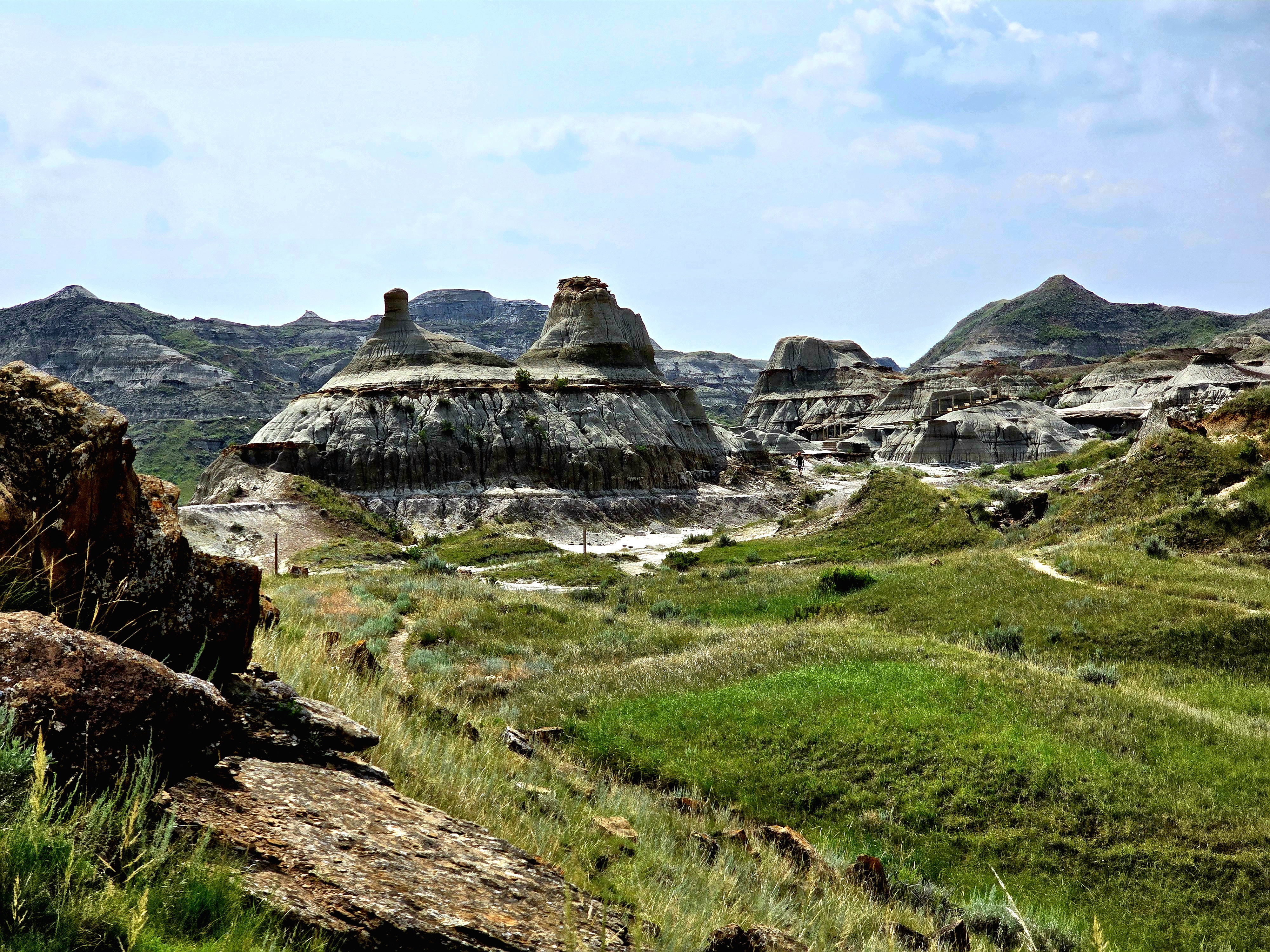
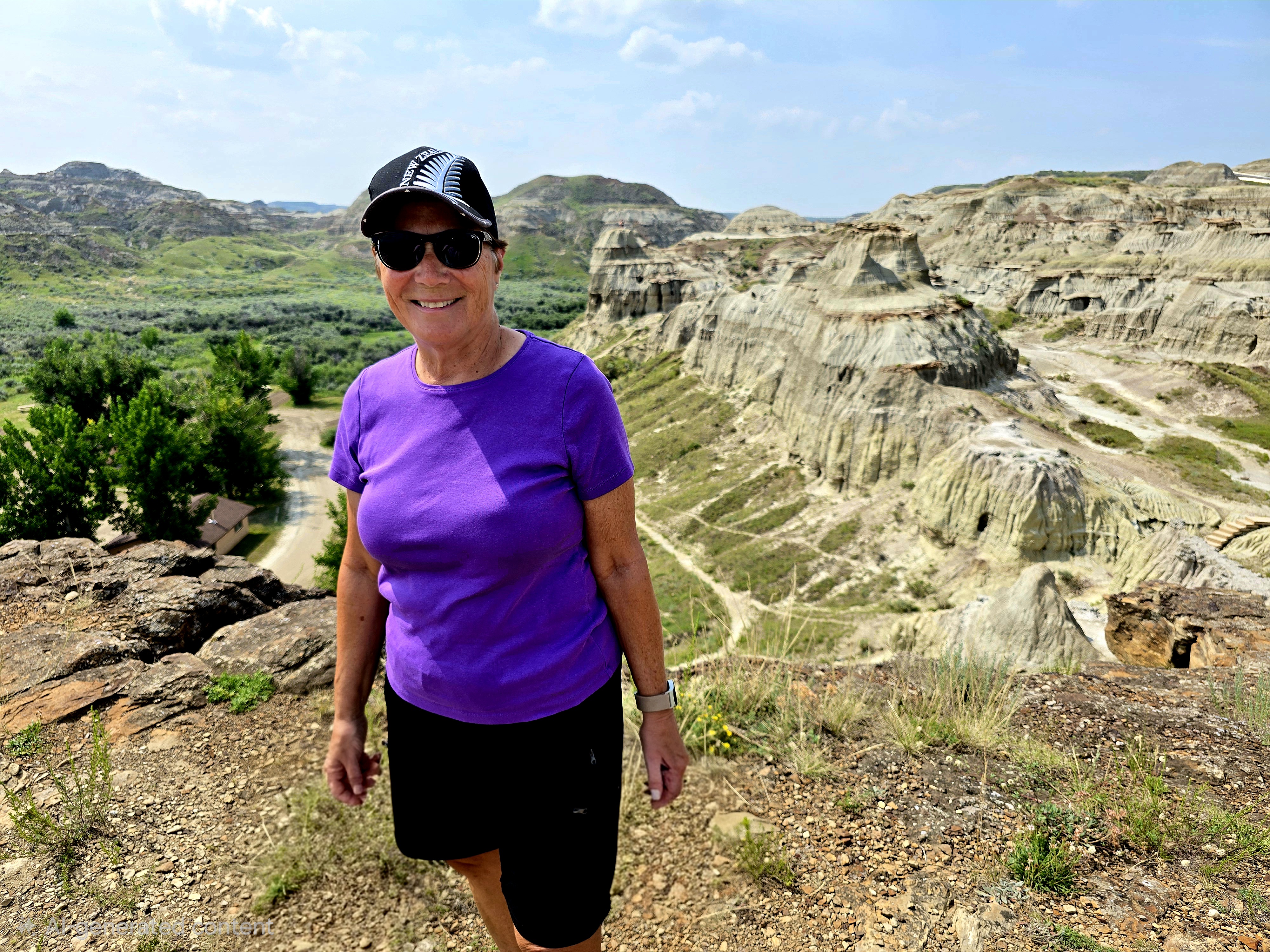
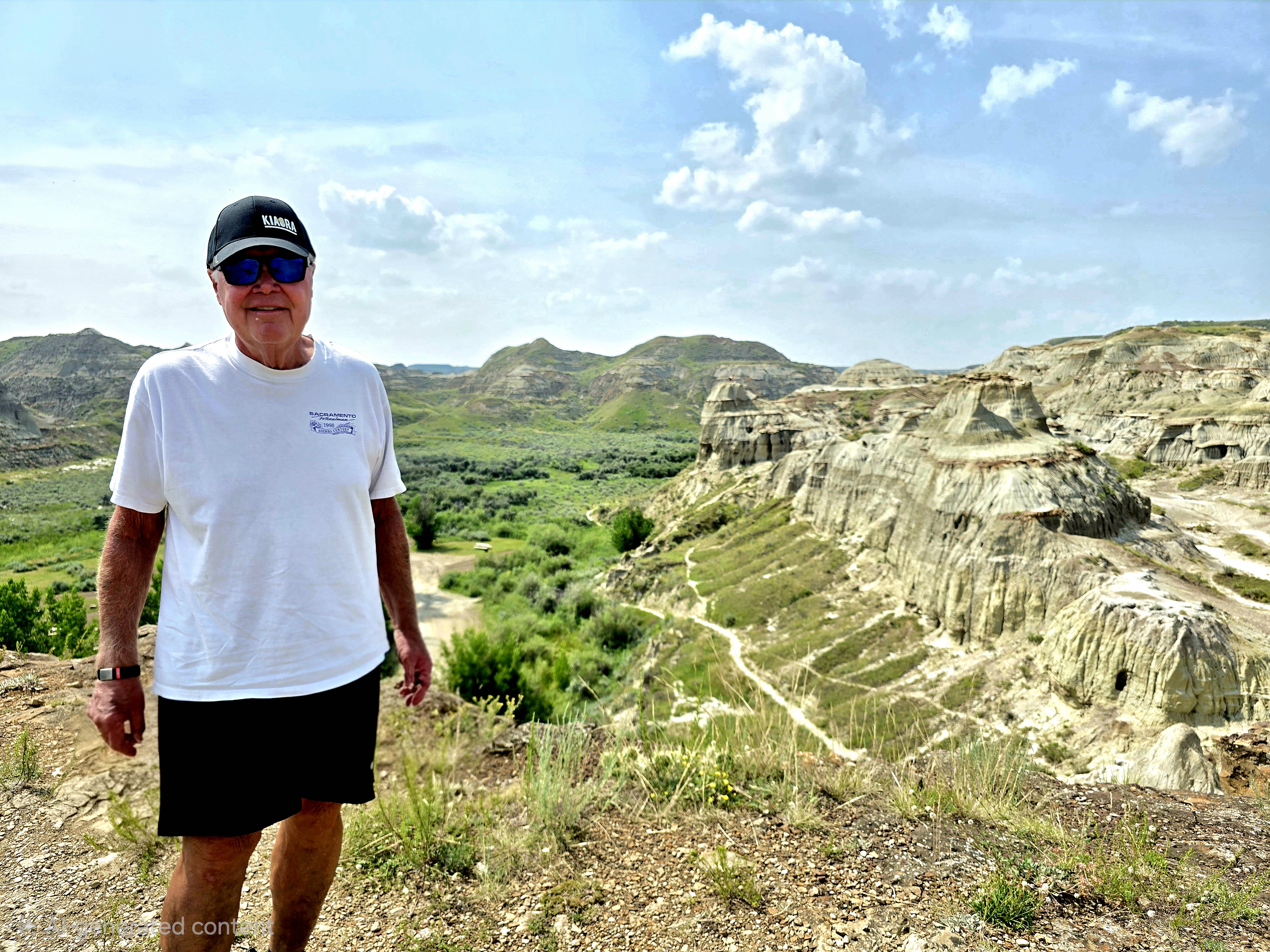
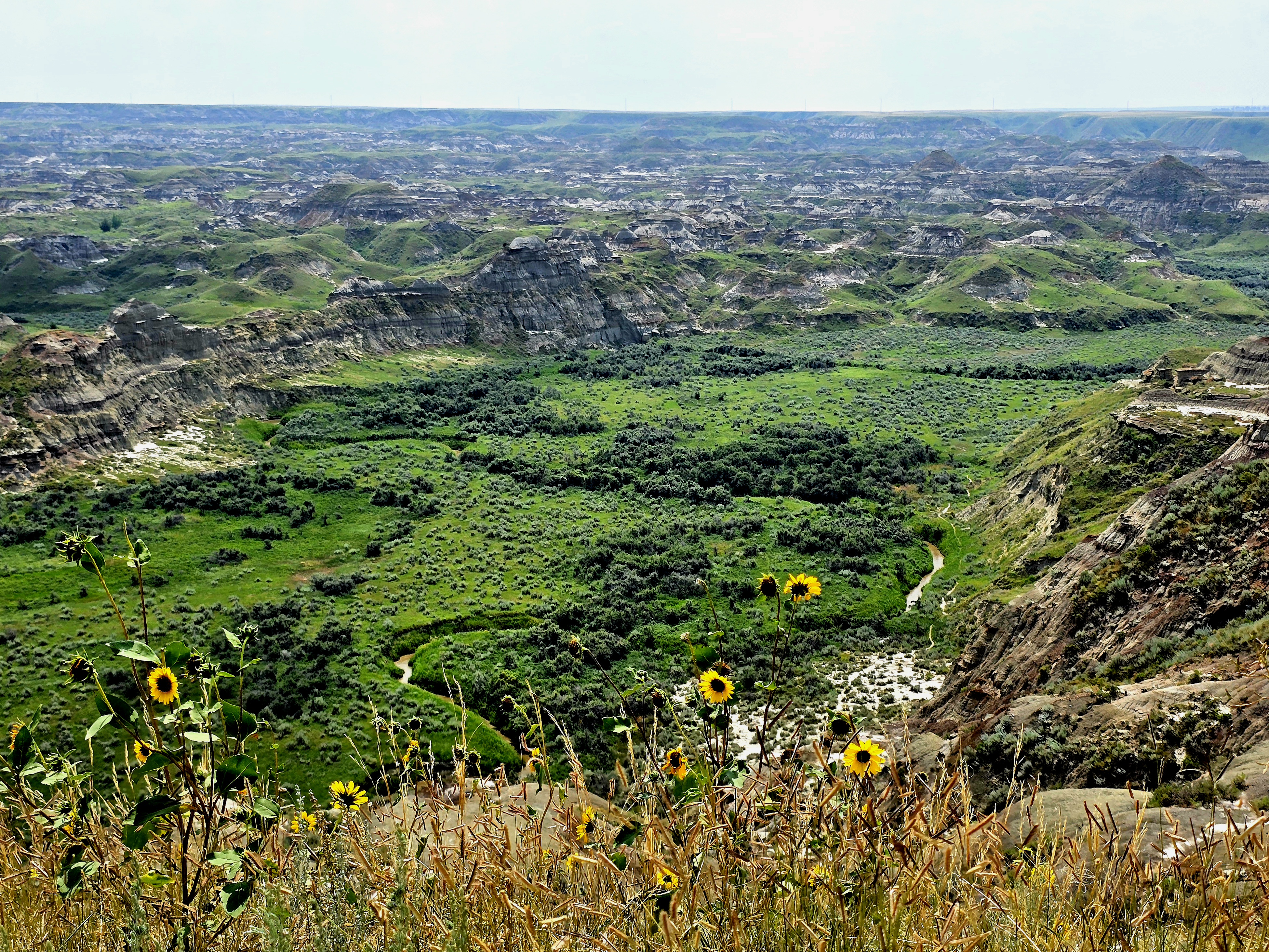
We detoured on our way to Medicine Hat, to the Dinosaur Provincial Park which is situated in the Red Deer River valley. This park is known for its striking badland topography, and abundance of dinosaur fossils. The park is famous for being one of the richest dinosaur fossil locales in the world. Fifty-eight dinosaur species have been discovered at the park and more than 500 specimens have been removed and exhibited in museums around the globe. The renowned fossil assemblage of nearly 500 species of life, from microscopic fern spores to large carnivorous dinosaurs, justified its becoming a World Heritage Site in 1979.
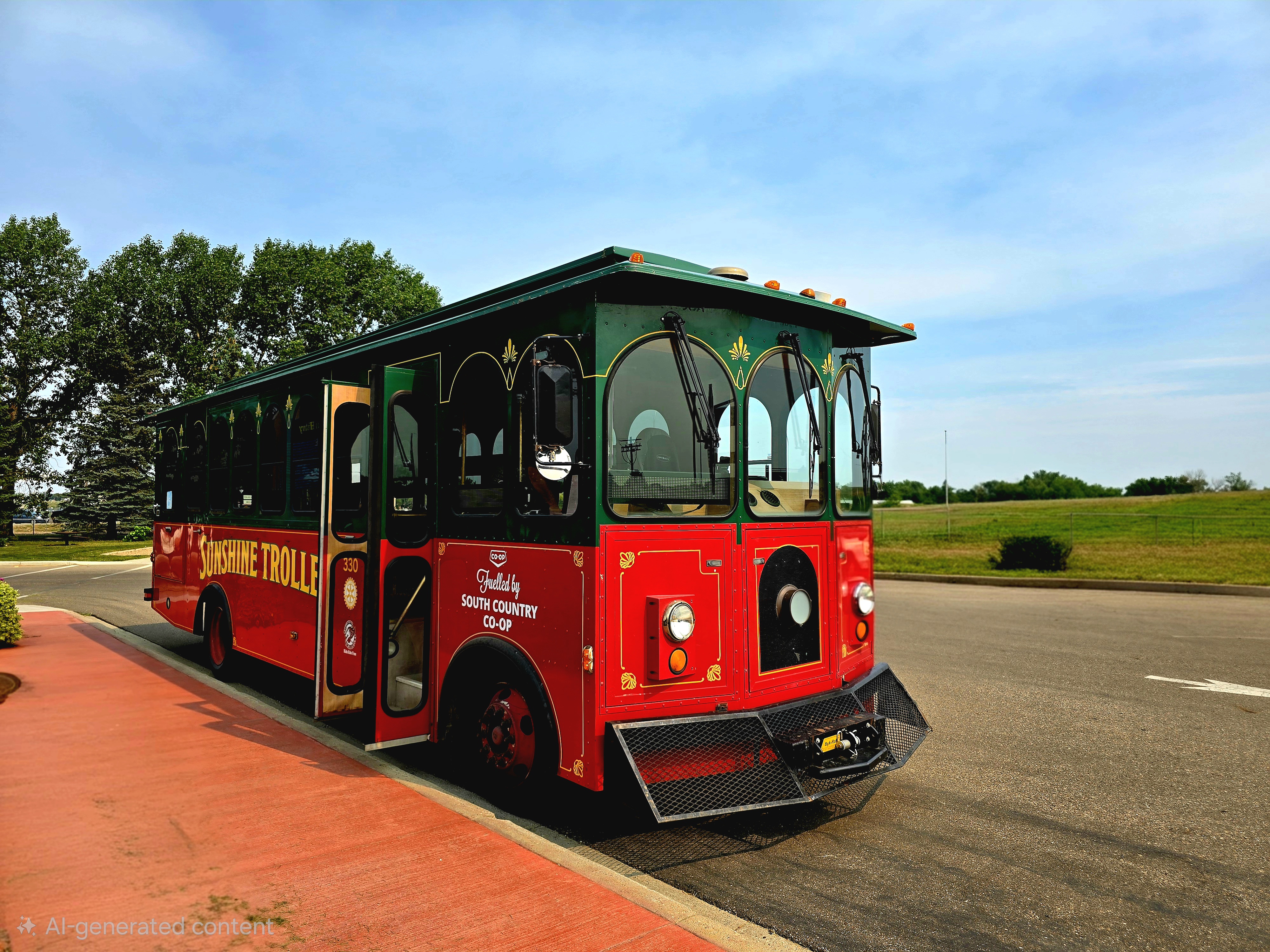
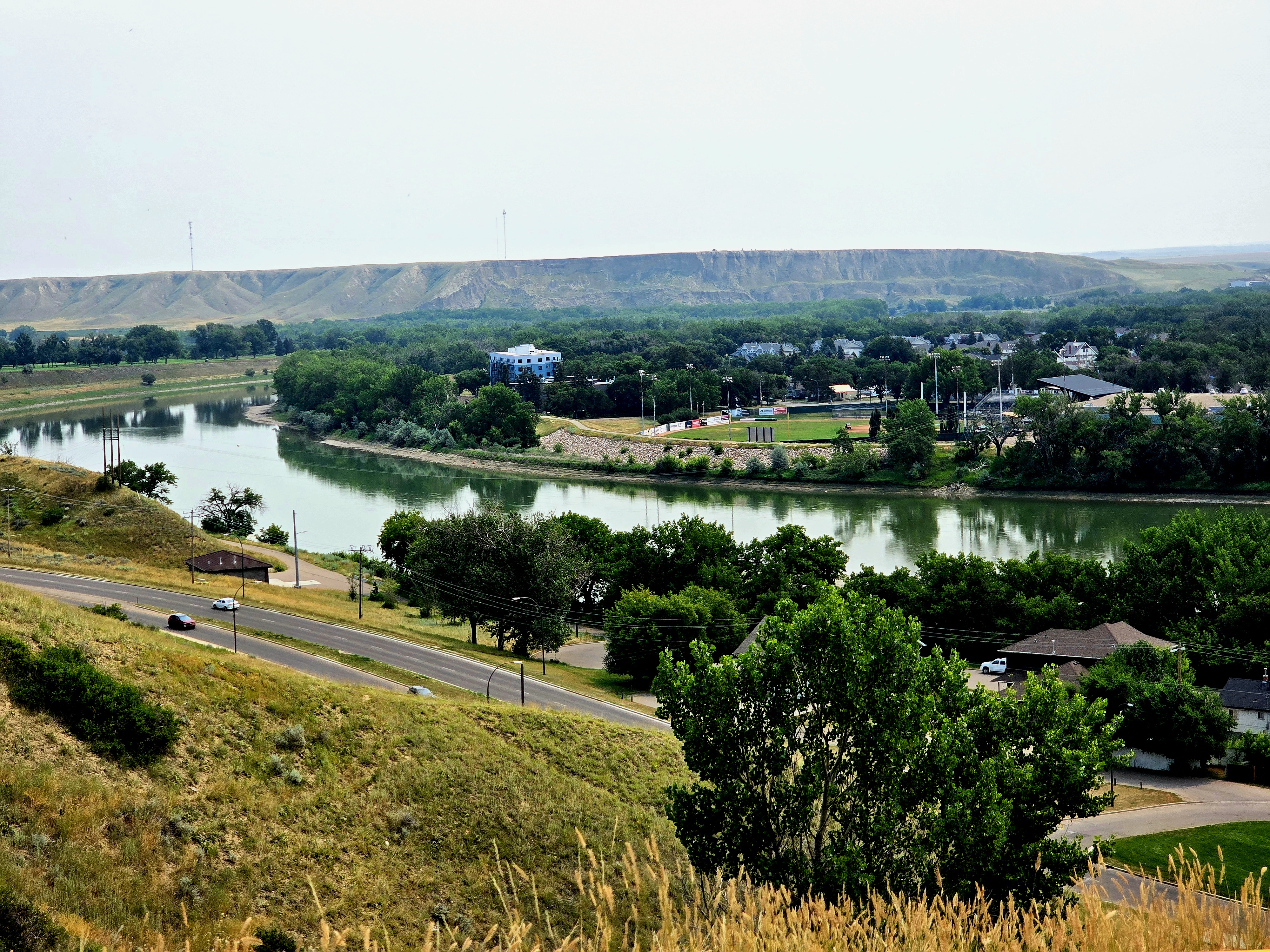
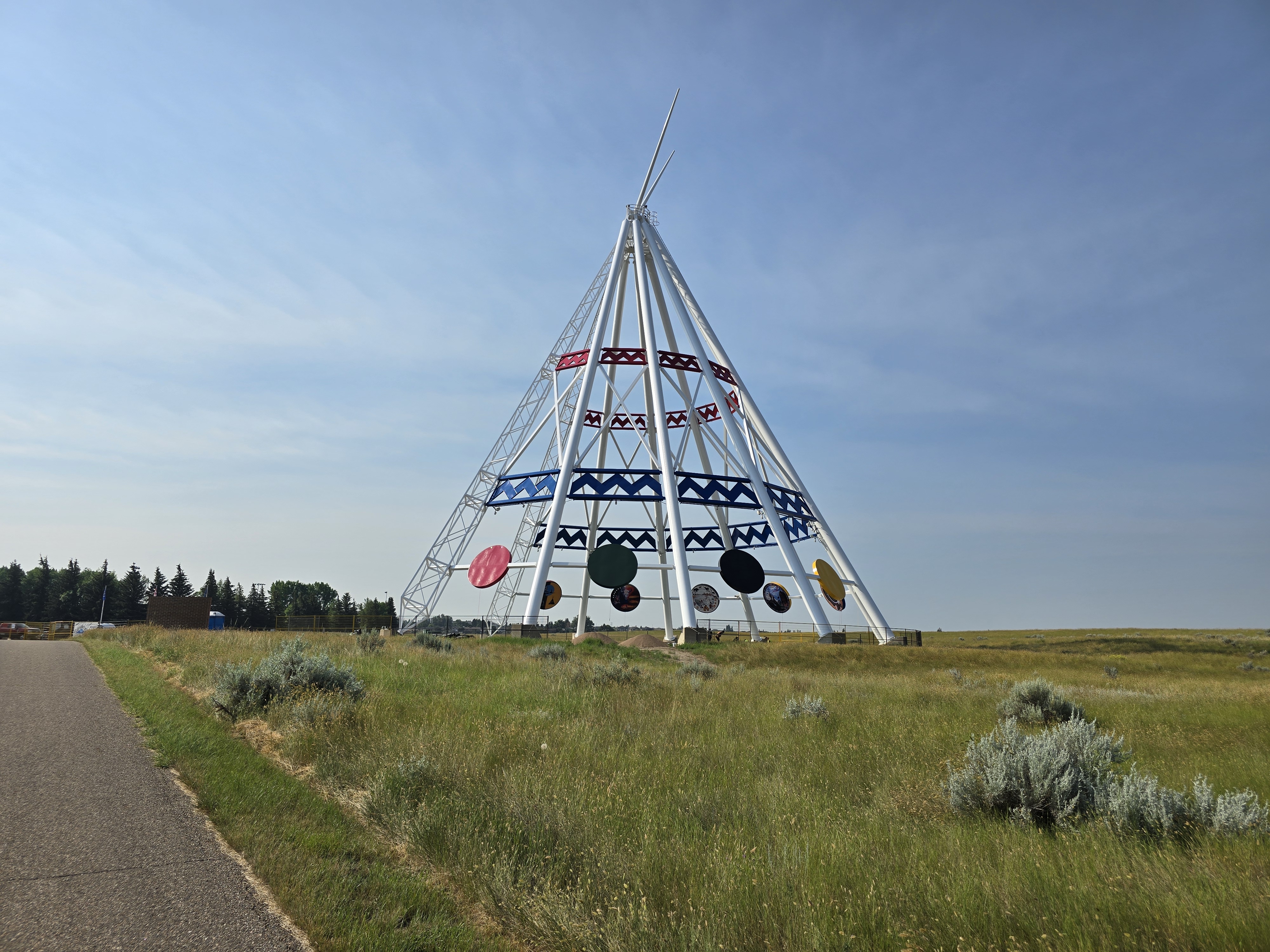
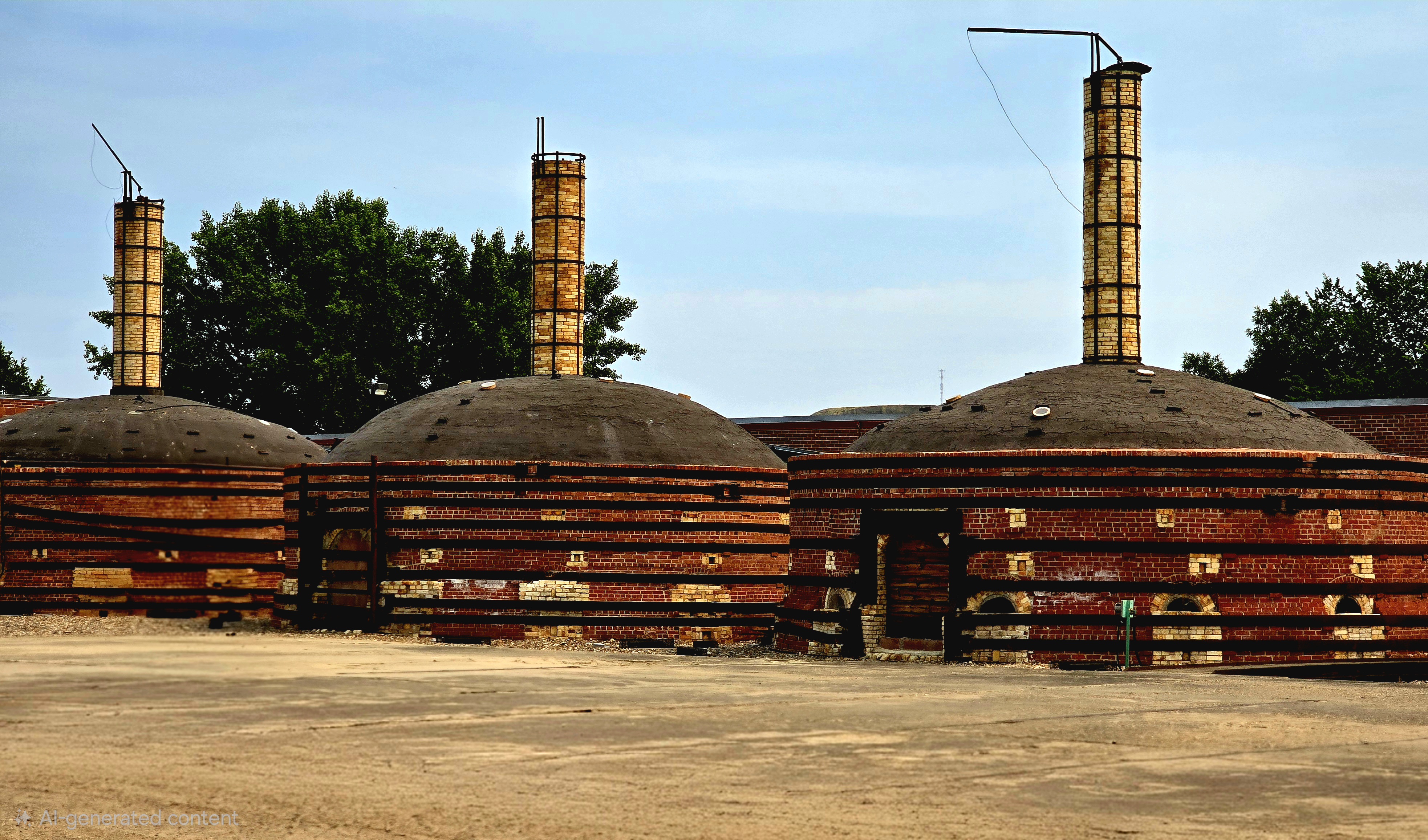
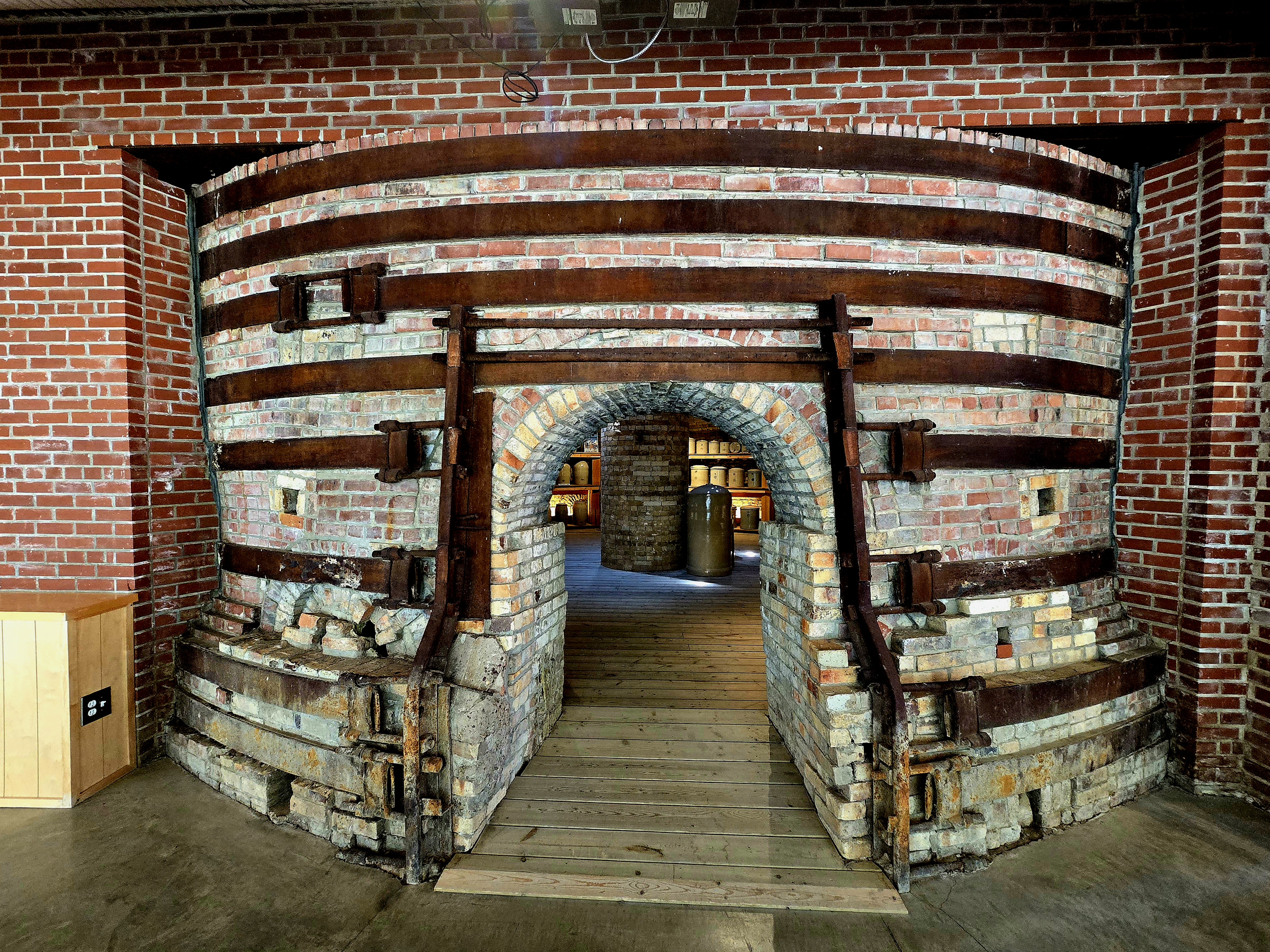
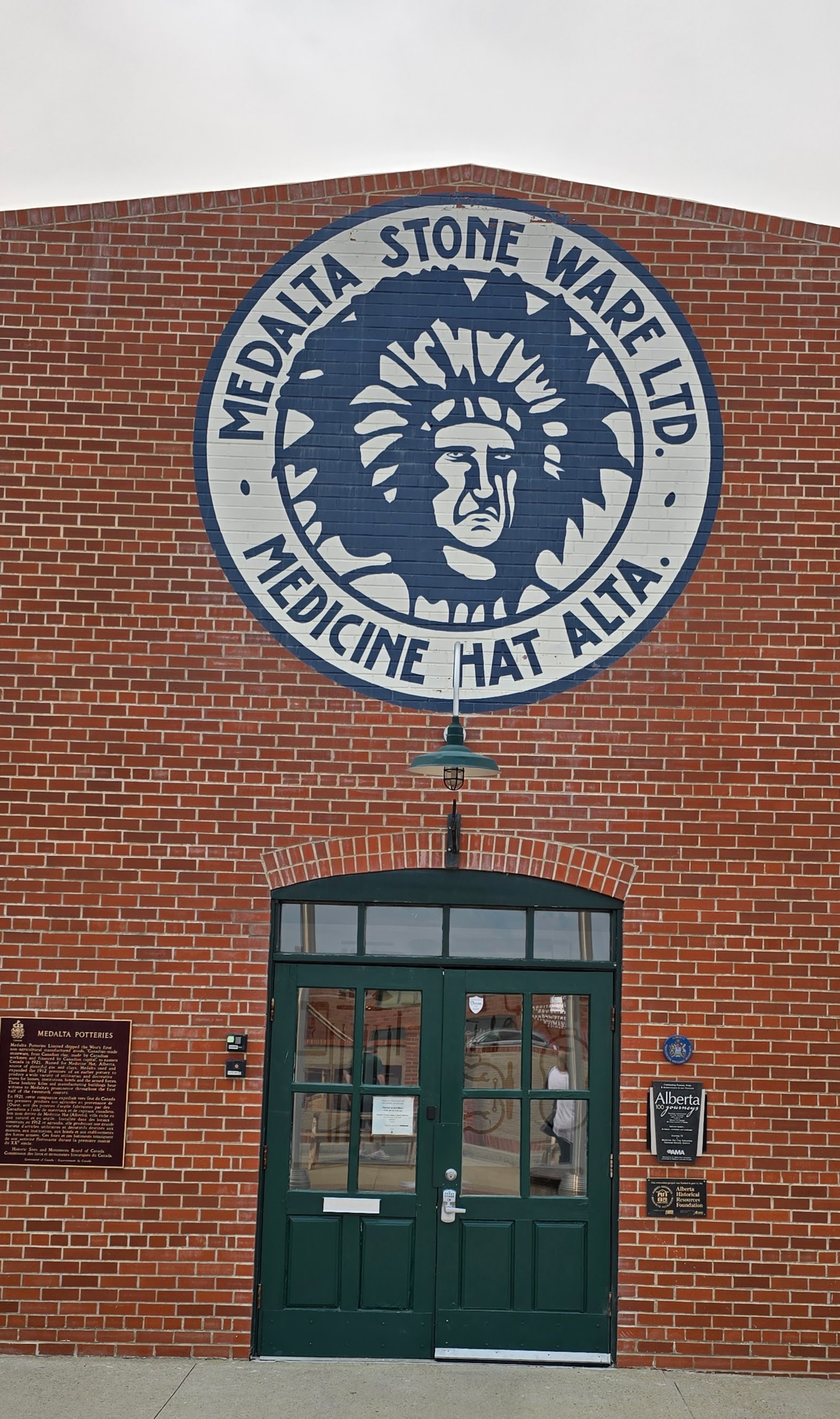
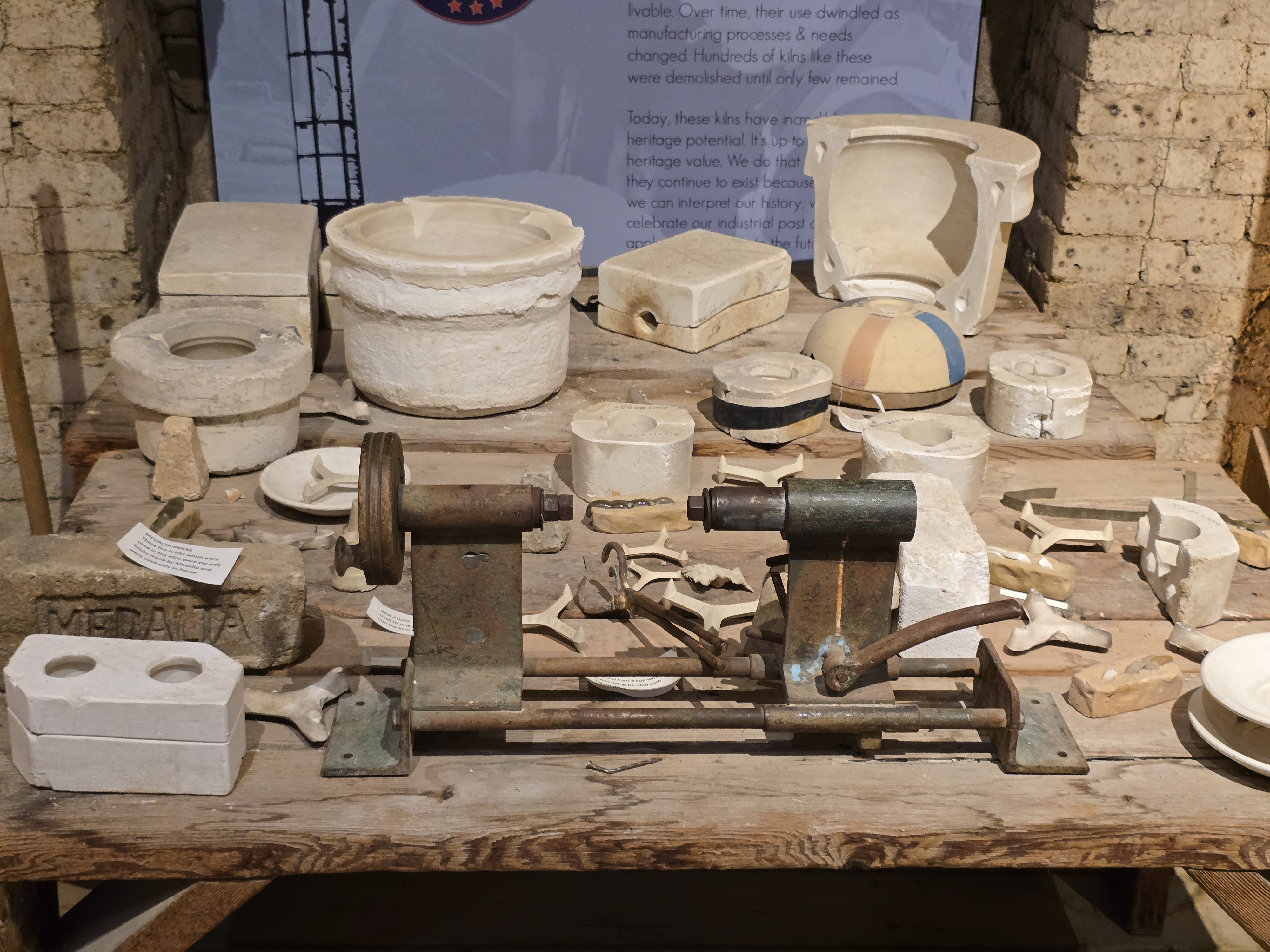
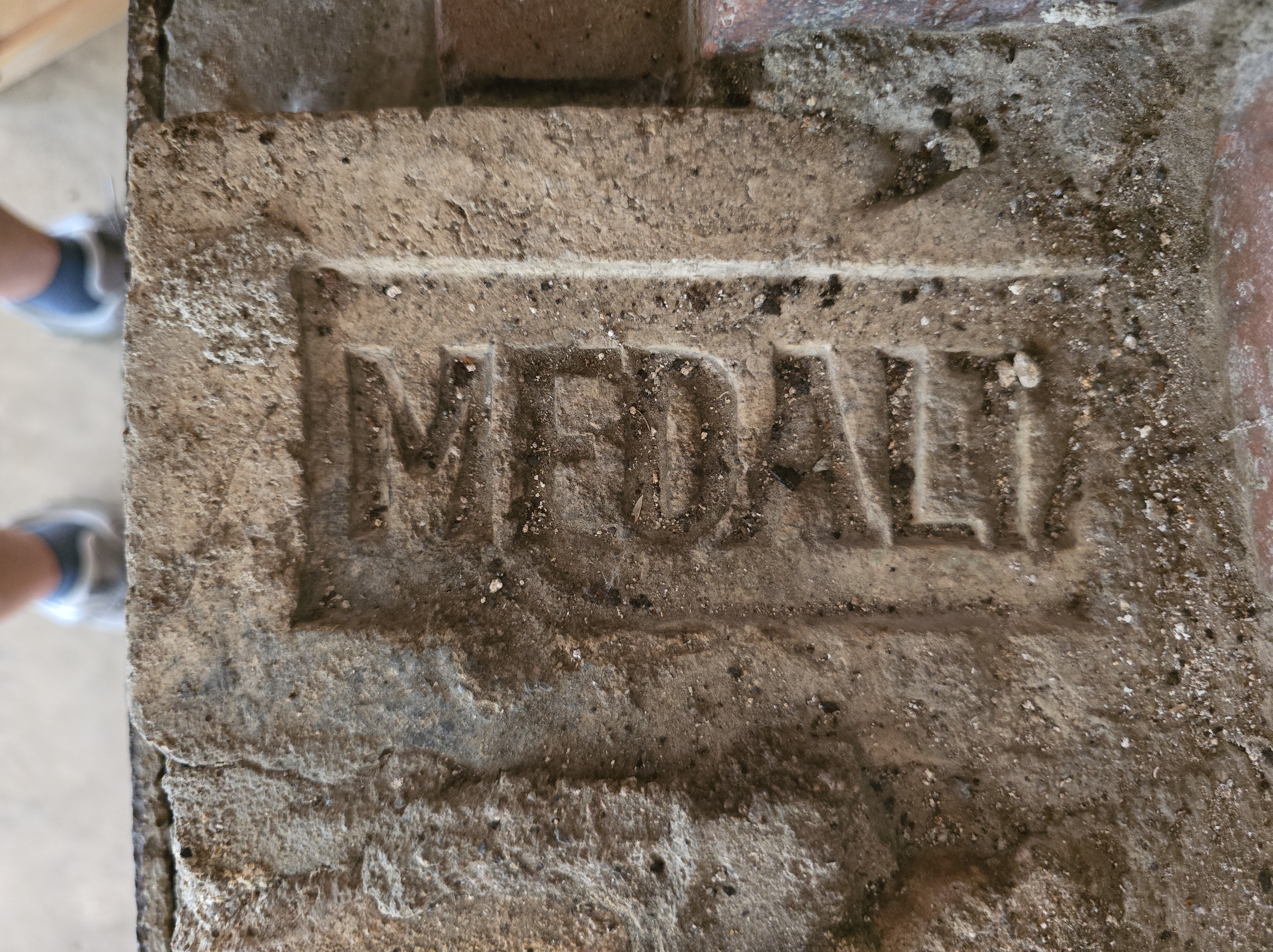
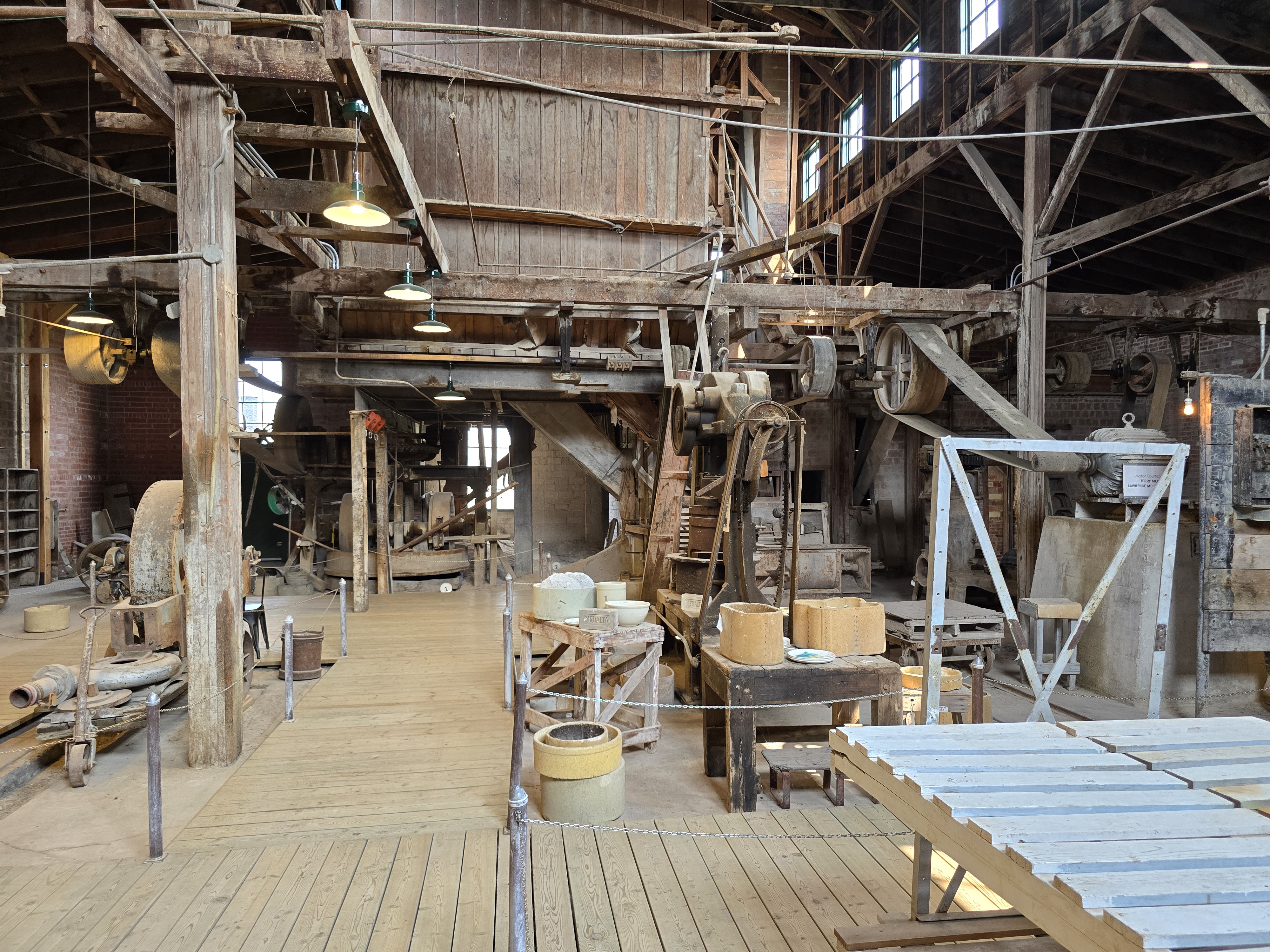
Medicine Hat was our last visit on the trip. Founded in 1883 as a Canadian Pacific Railway construction camp and a North West Mounted Police post. Accidental natural gas discoveries in 1883 in Medicine Hat, is how the city earned the nickname as “The Gas City”. The availability of gas and silt, assured clay products as one of Medicine Hat’s first and most successful early industries.
We boarded the Sunshine Trolley car, and toured through town and the Medalta clay pottery factory.
Our time in Canada ended with a marathon drive back to the US. Five days and traveling approximately 2500 miles. The area between the US and Canada is mostly plains. Loads of hay, wheat, flax and canola fields plus cattle was the scenery. Like the US west, Canada too has an abundance of wide open spaces!
More adventures are on the books for the rest of the year. Can’t wait to share them with you!


Leave a Reply