
Part 2 – New Zealand
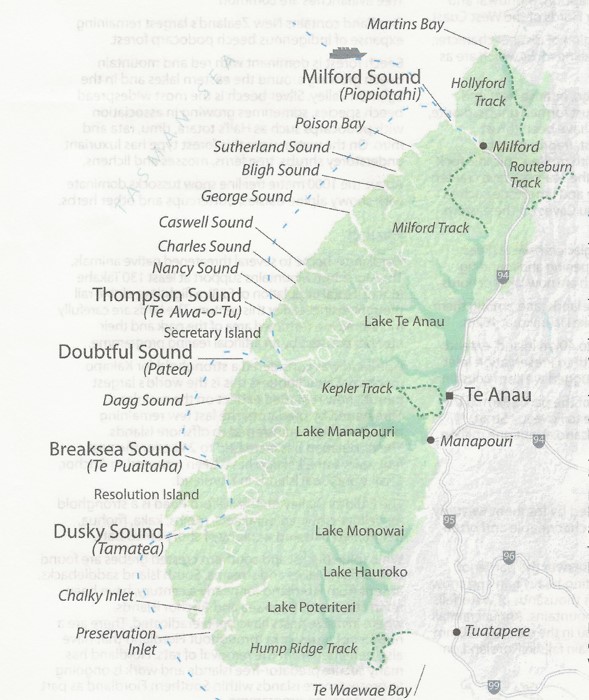
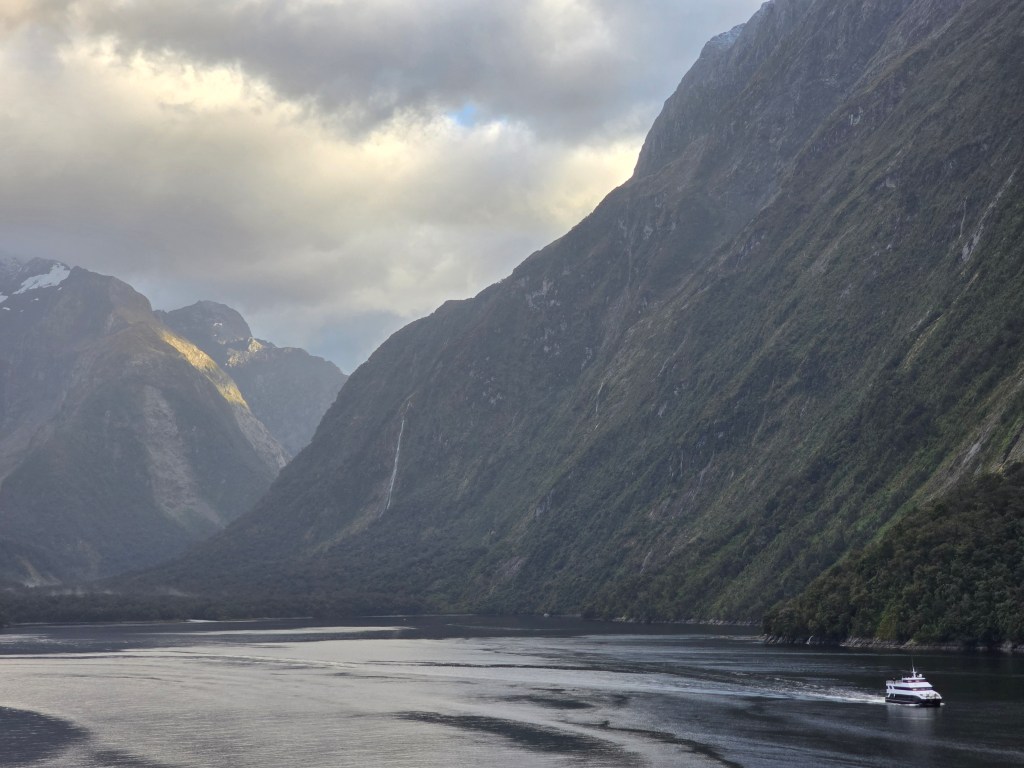
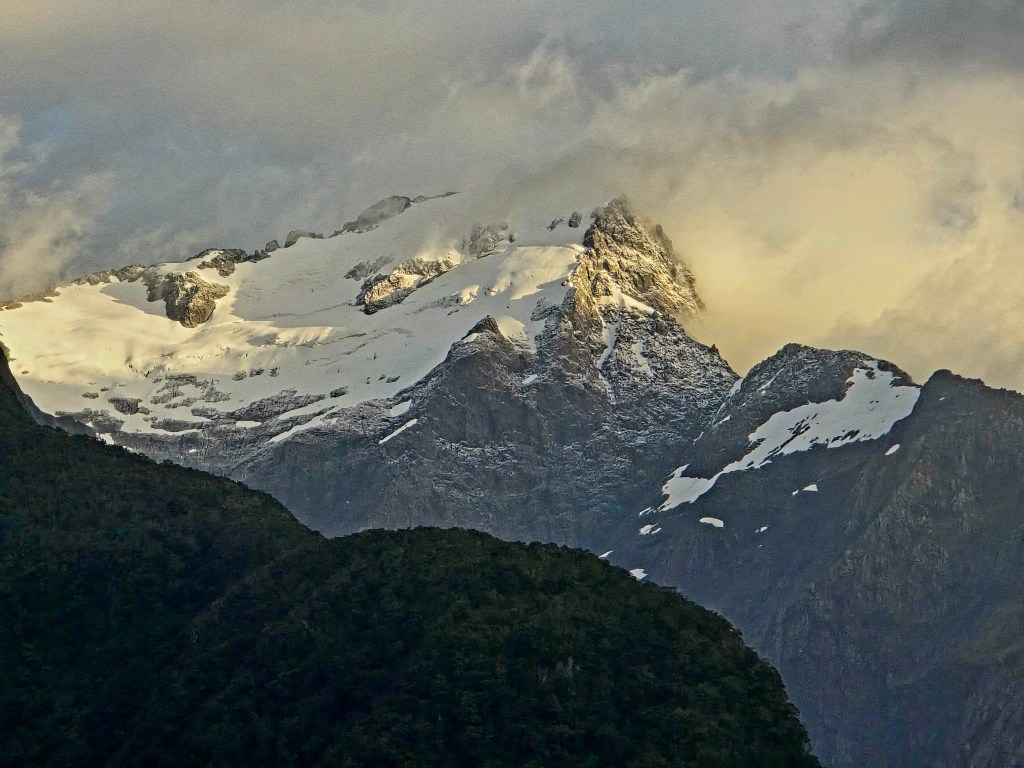
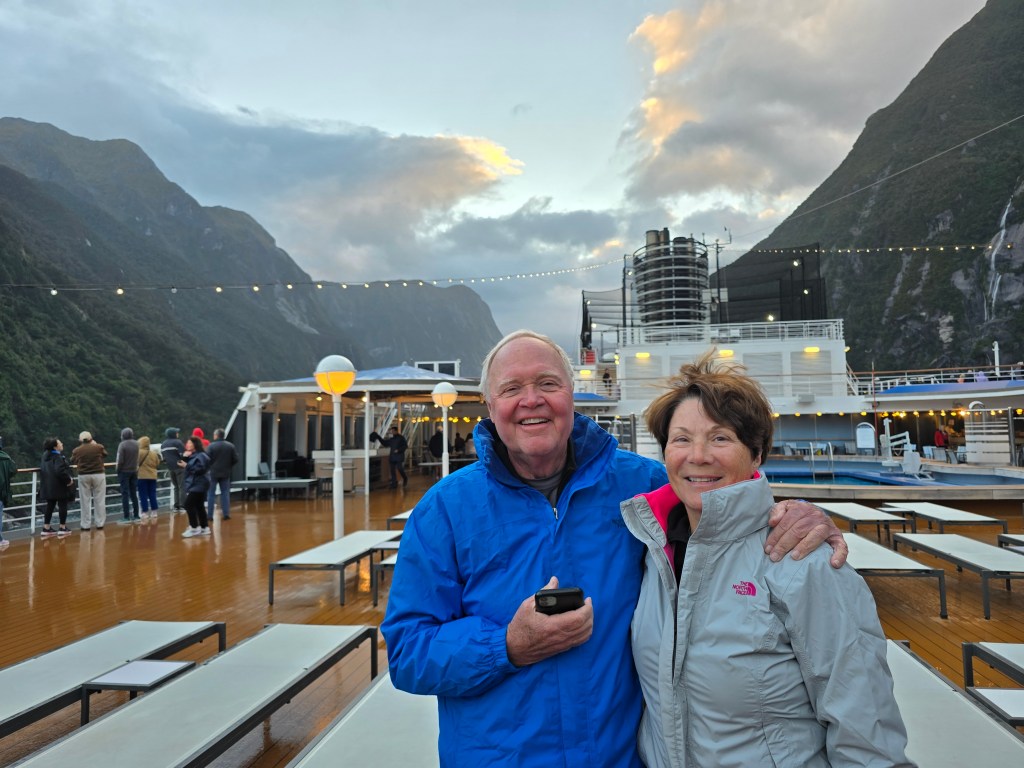
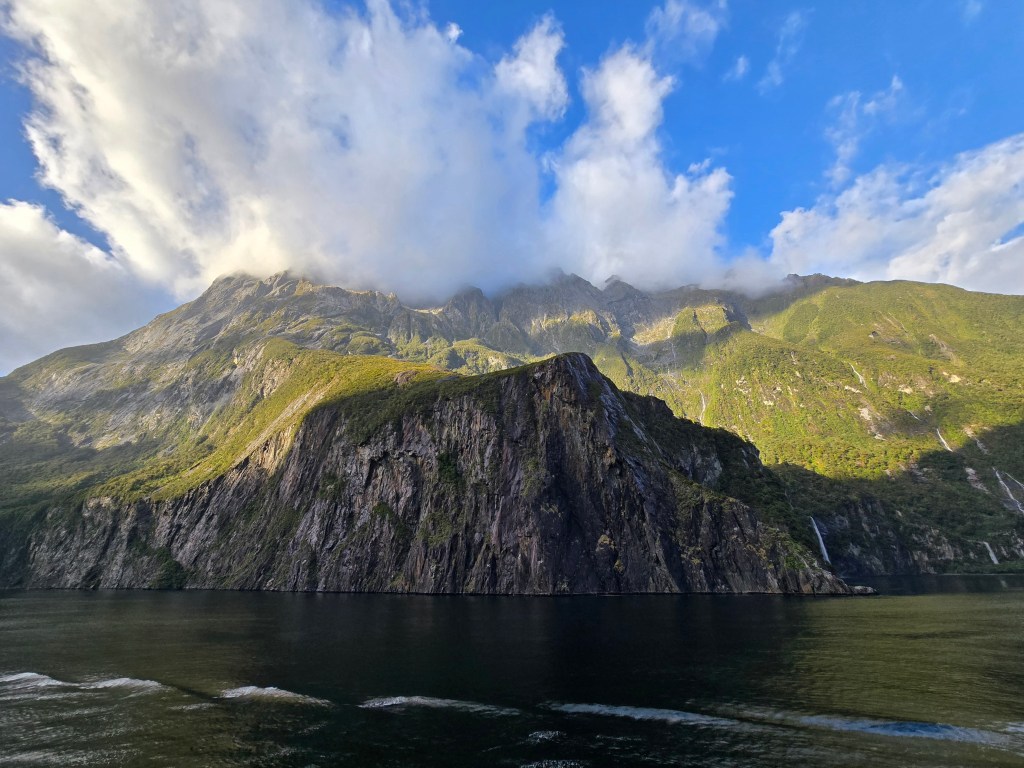
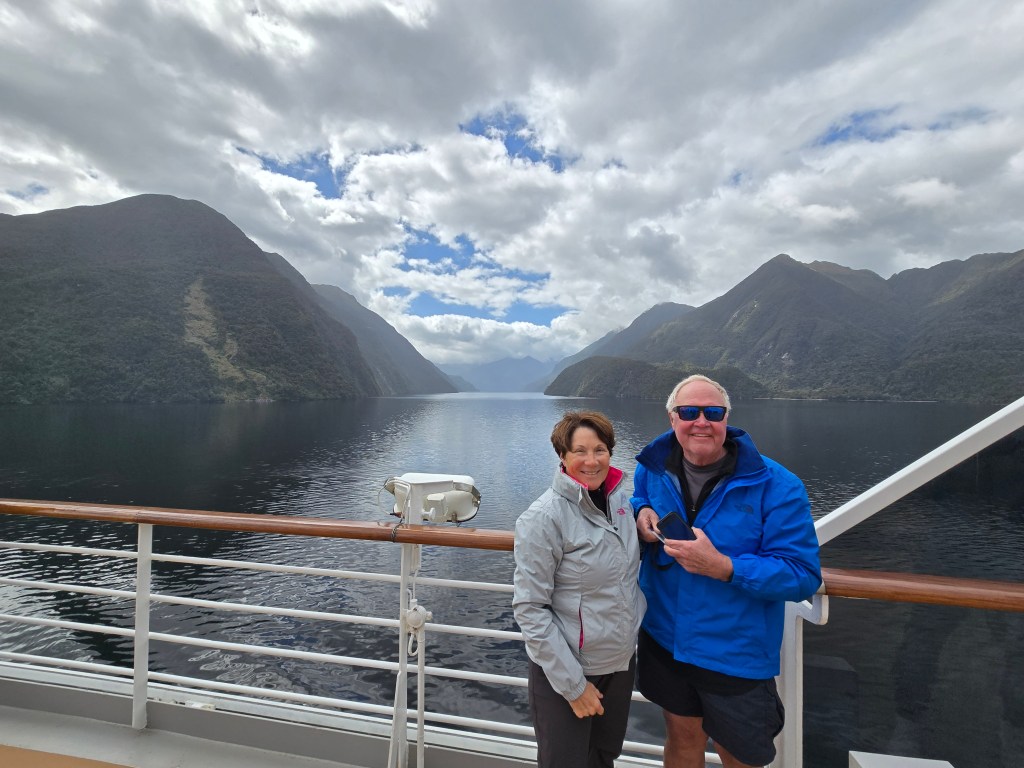
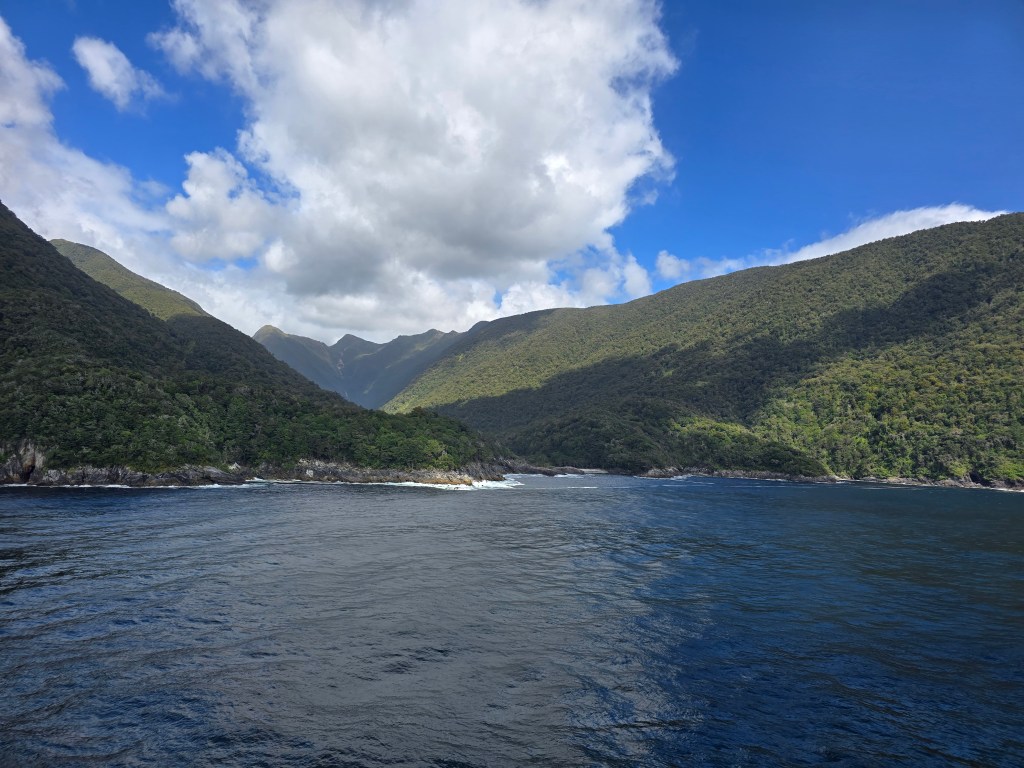
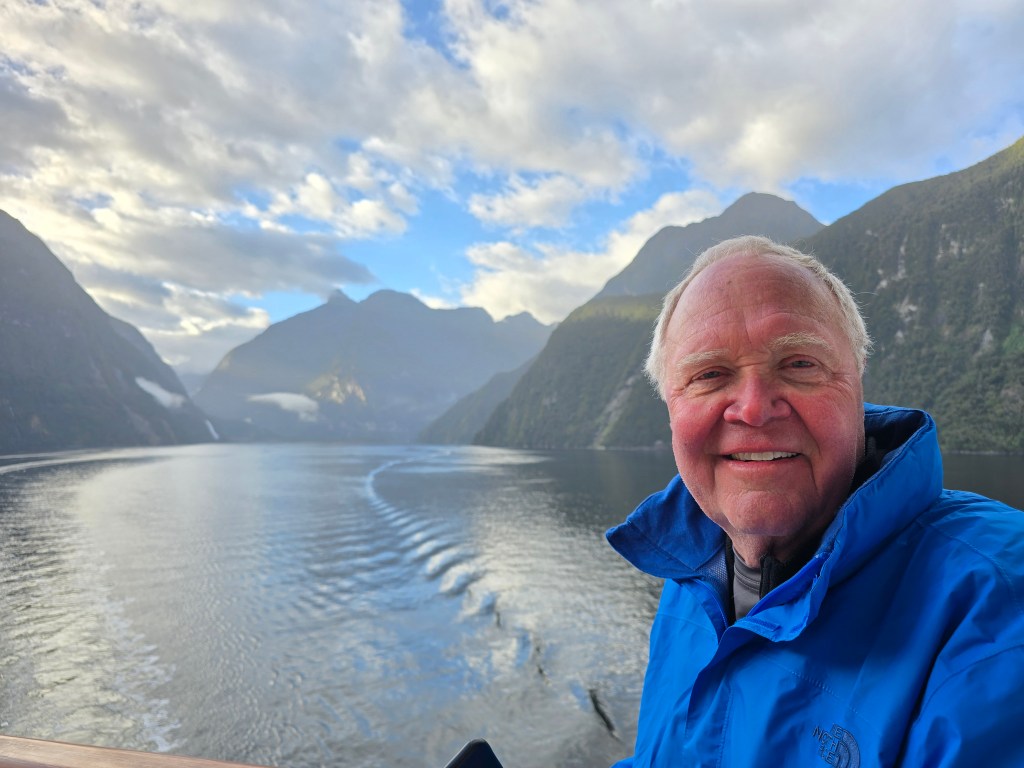
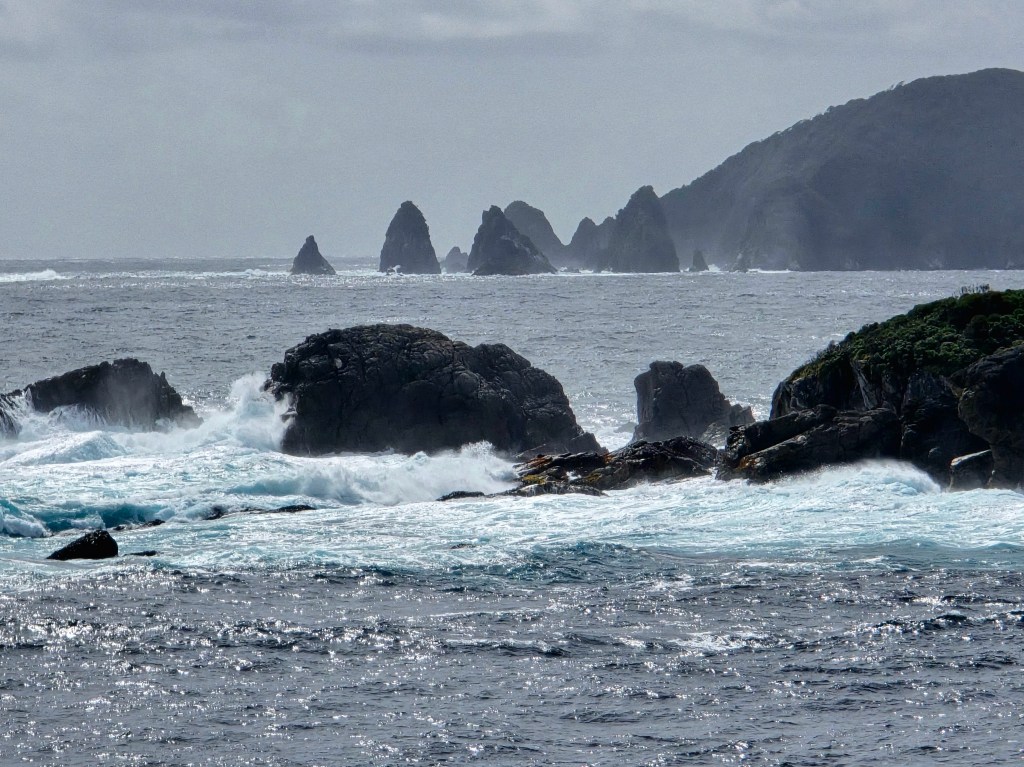
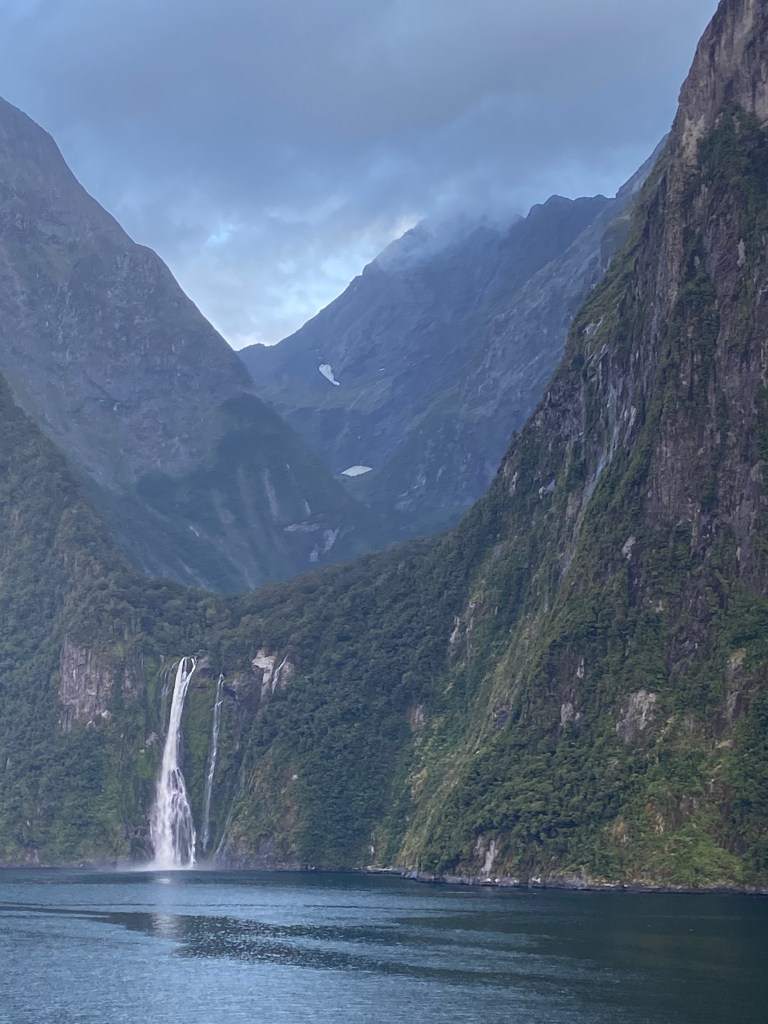
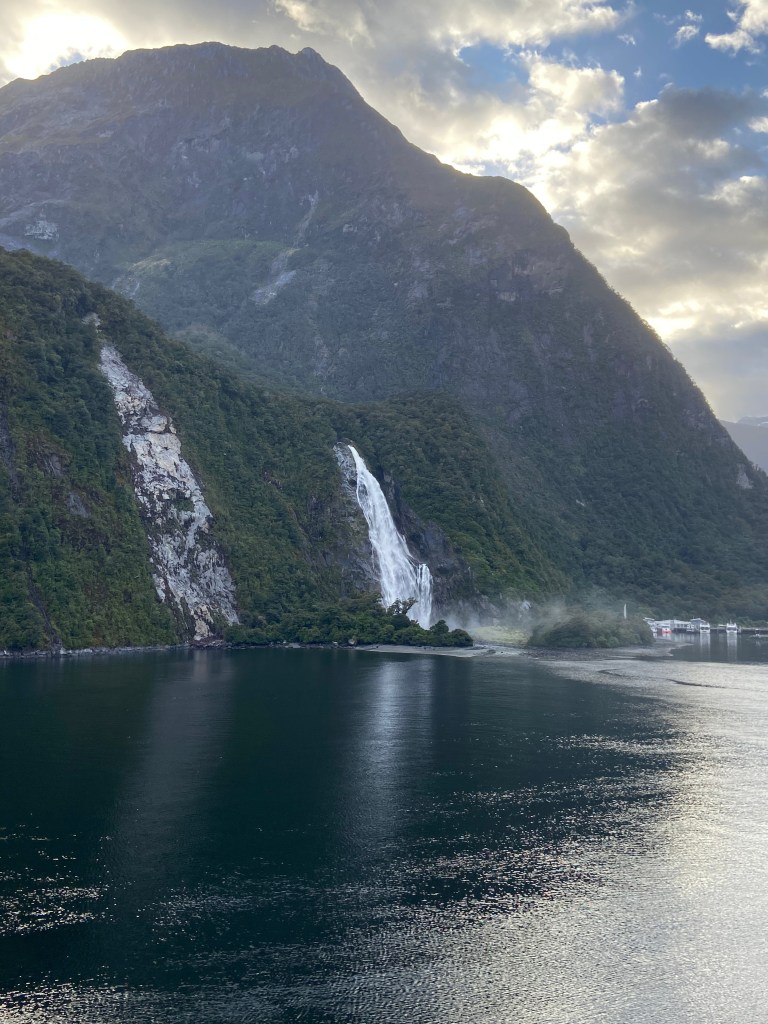
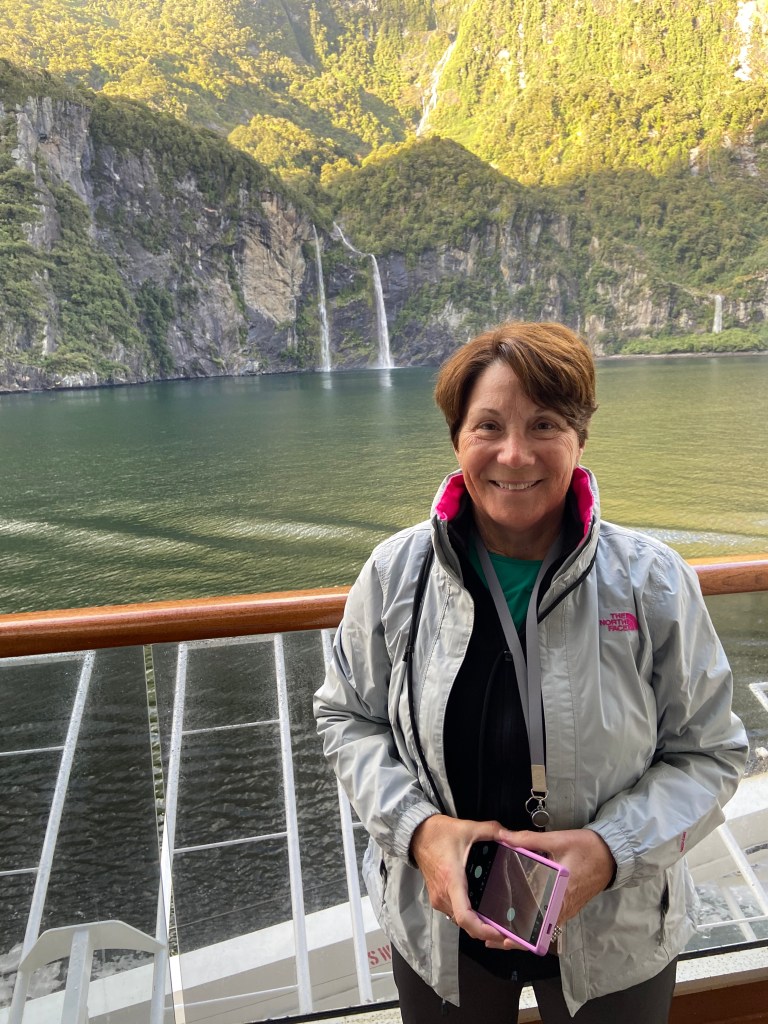
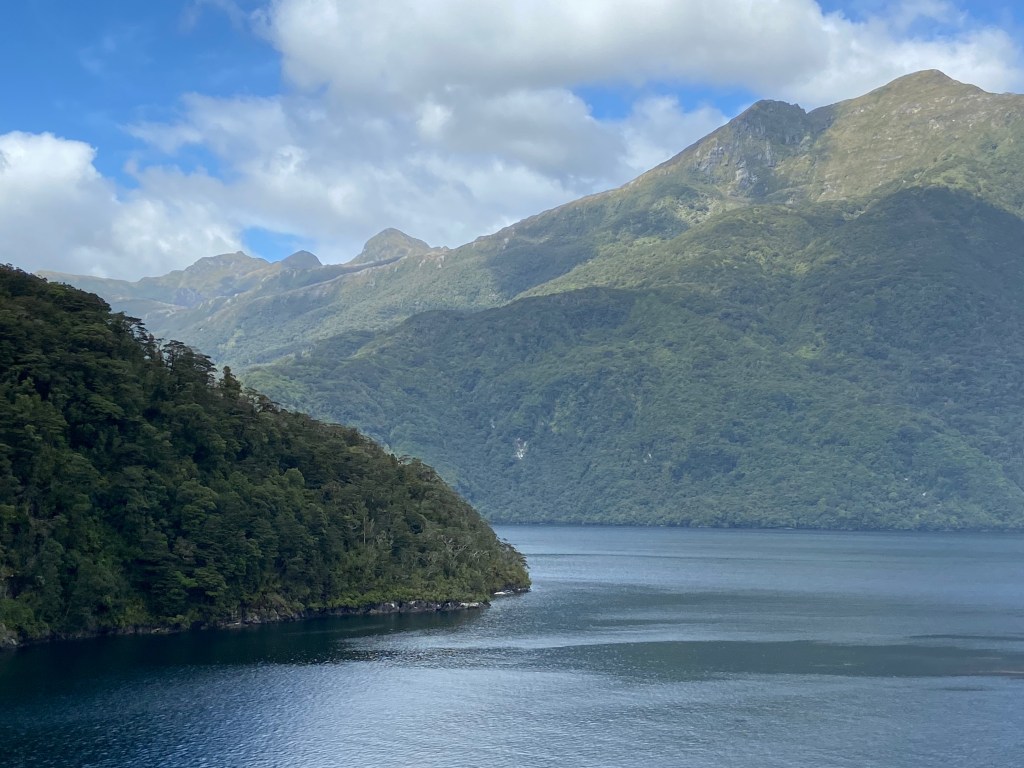
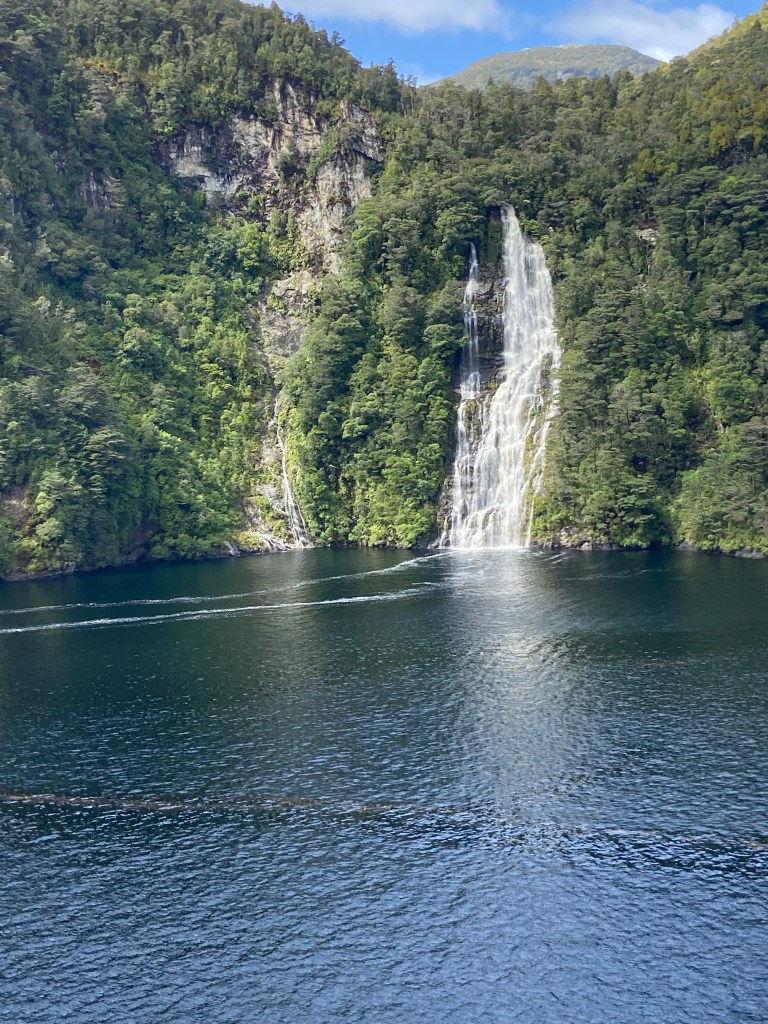
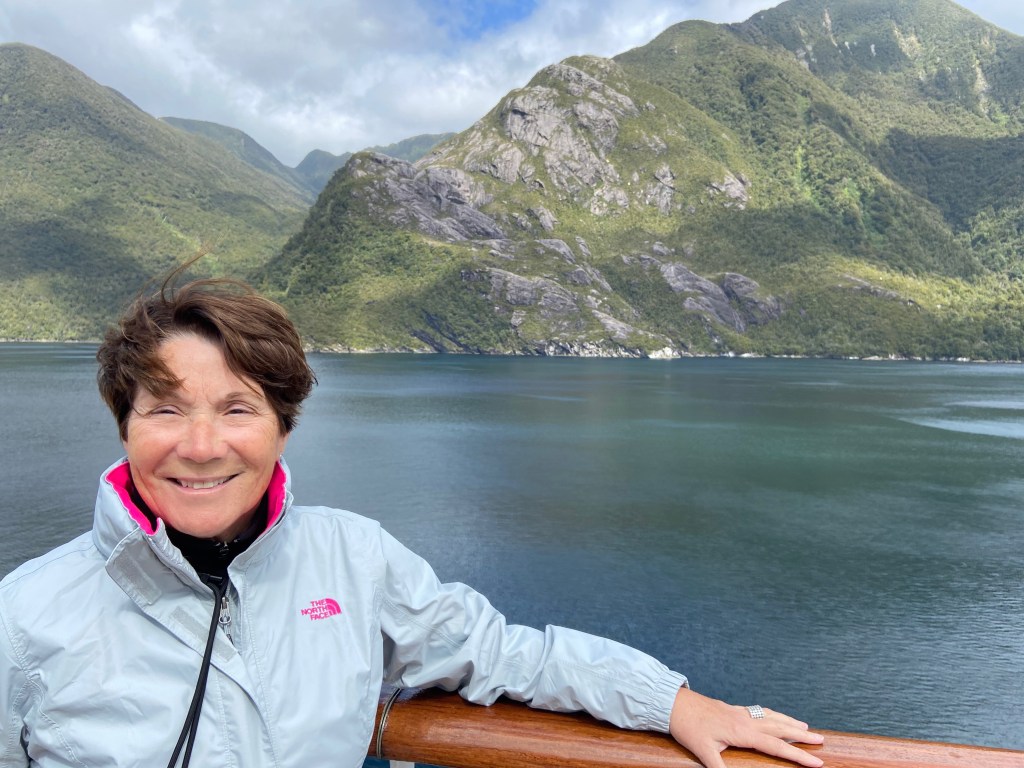
Before we put foot on land in New Zealand, we spent a day at sea cruising in Fiorland. This is New Zealand’s largest national park and is also known as Te Rua-o-te-moko (Shadowland). Fiordland National Park, a UNESCO World Heritage site, is in the southwest of New Zealand’s South Island. It’s known for spectacular glacier-craved fiords and waterfalls. It is home to the Kea, the world’s only alpine parrot and the rare Takahe, a large flightless bird. The park covers over 3.1 million acres which is nearly 5% of the area of New Zealand.
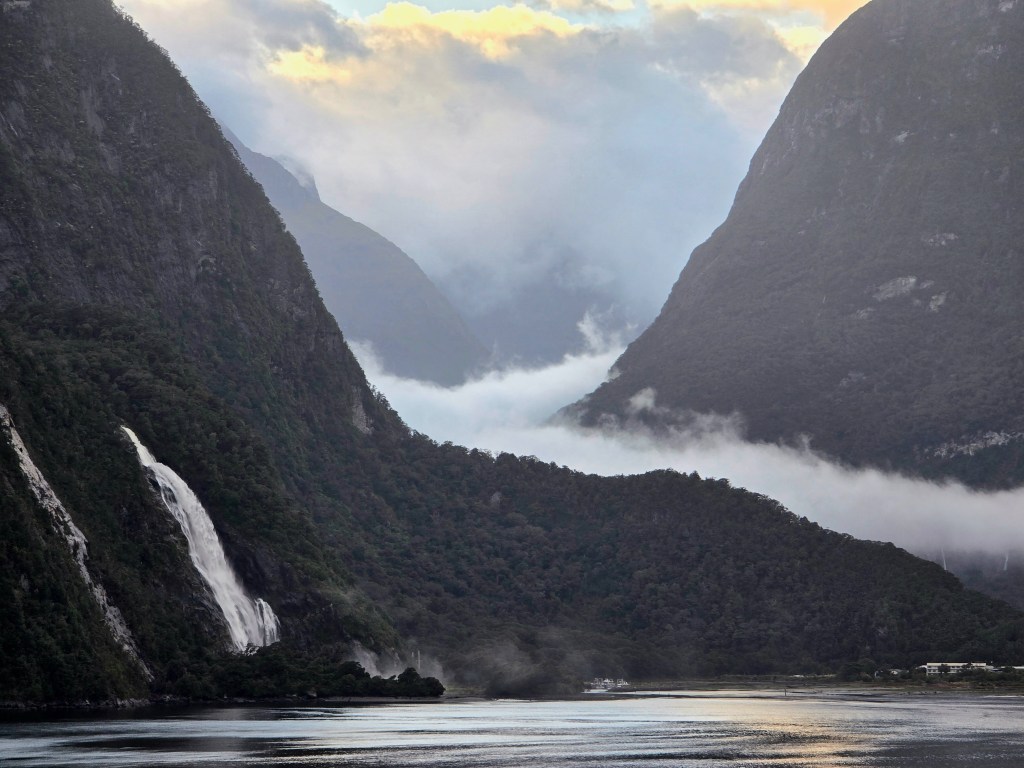
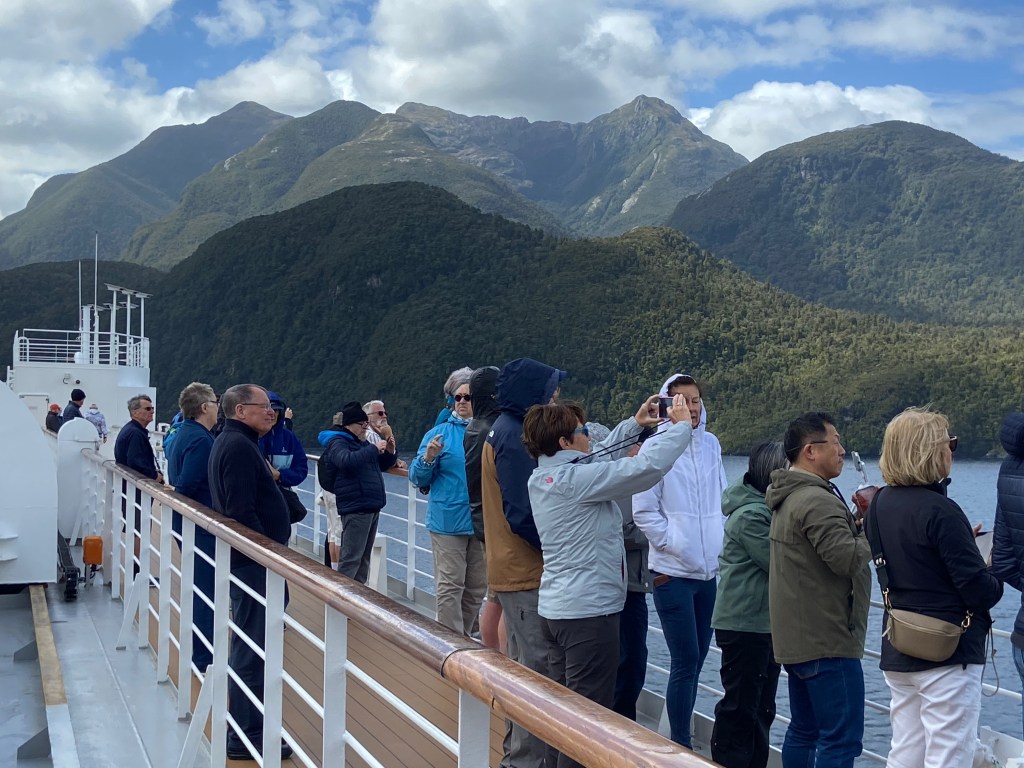
We cruised thru Milford Sound, Thompson Sound, Doubtful Sound, Breaksea Sound and Dusky Sound. Each of these sounds were different and unique! It was a beautiful day, but a chilly one. Thank goodness we had packed polar tech tops and wind jackets or we wouldn’t have been outside all day.
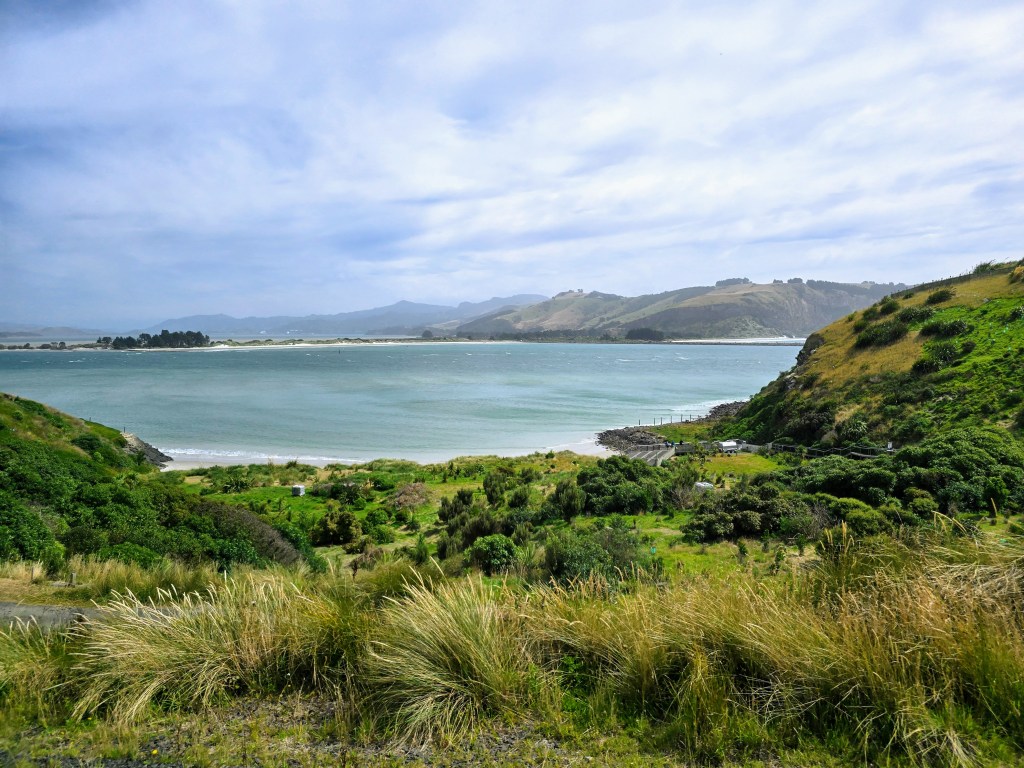
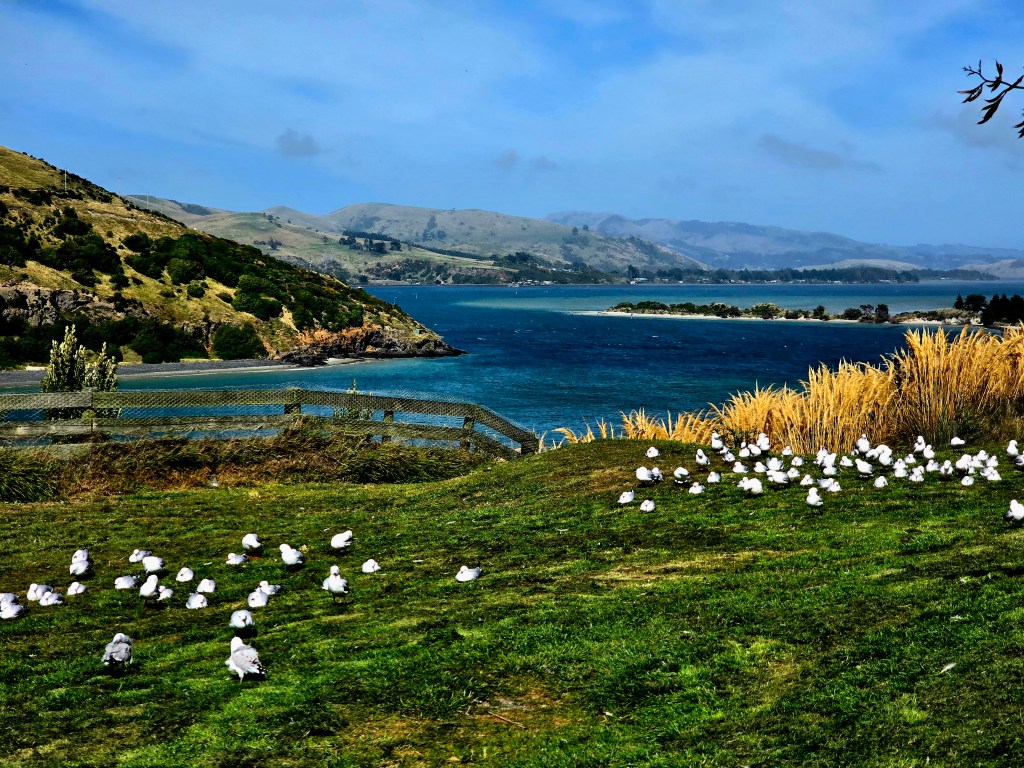
Dunedin, the “Edinburgh of the South”, is home to New Zealand’s first university
and was, during the height of the Central Otago gold rush, the largest city in the
country.
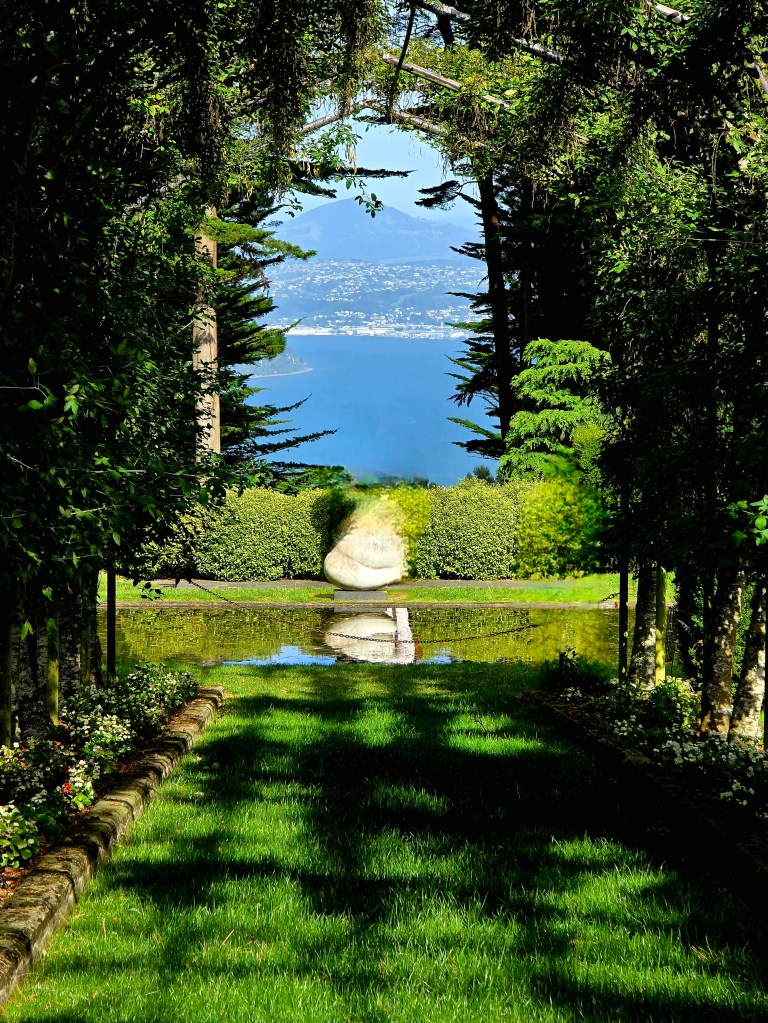
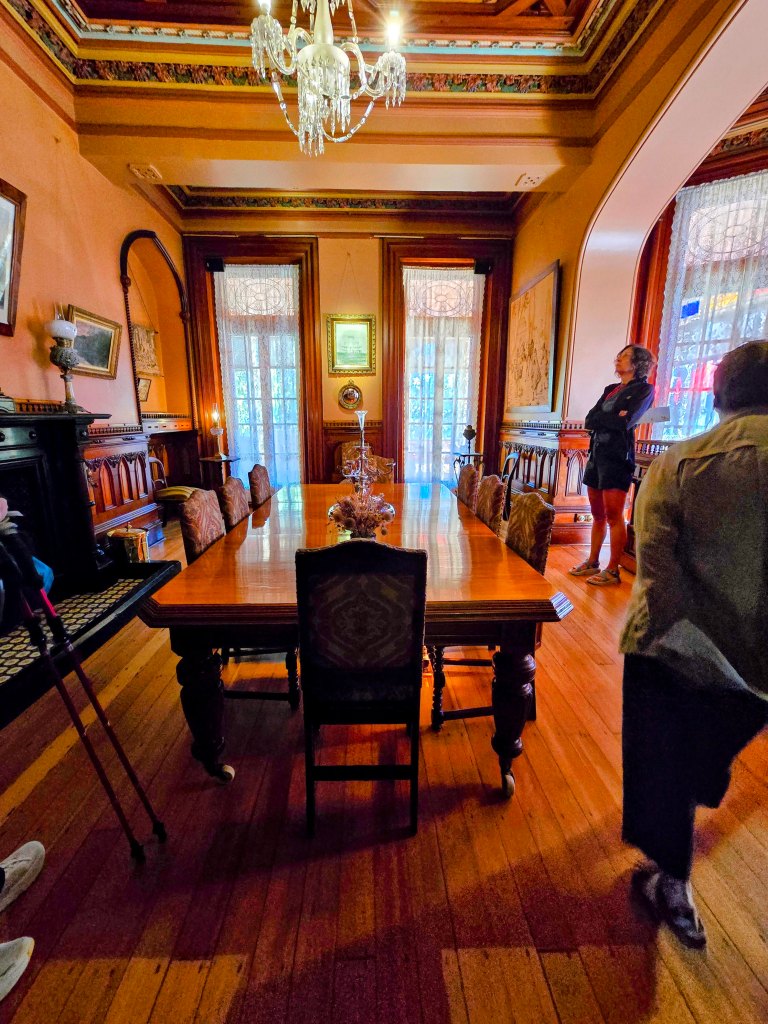
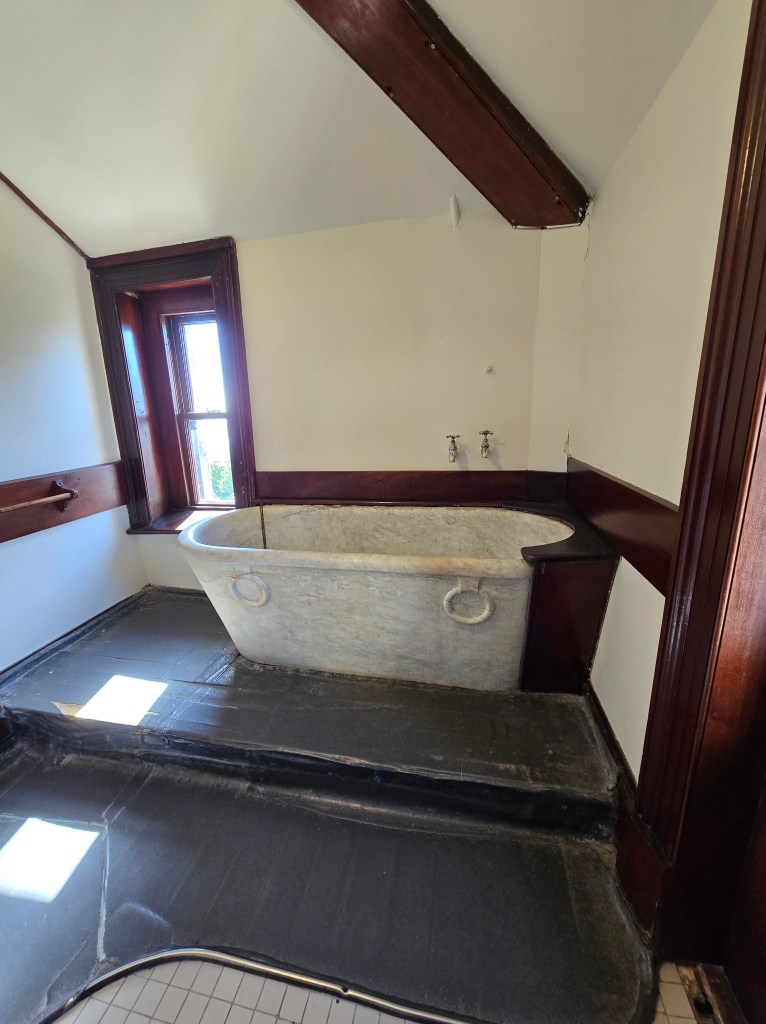
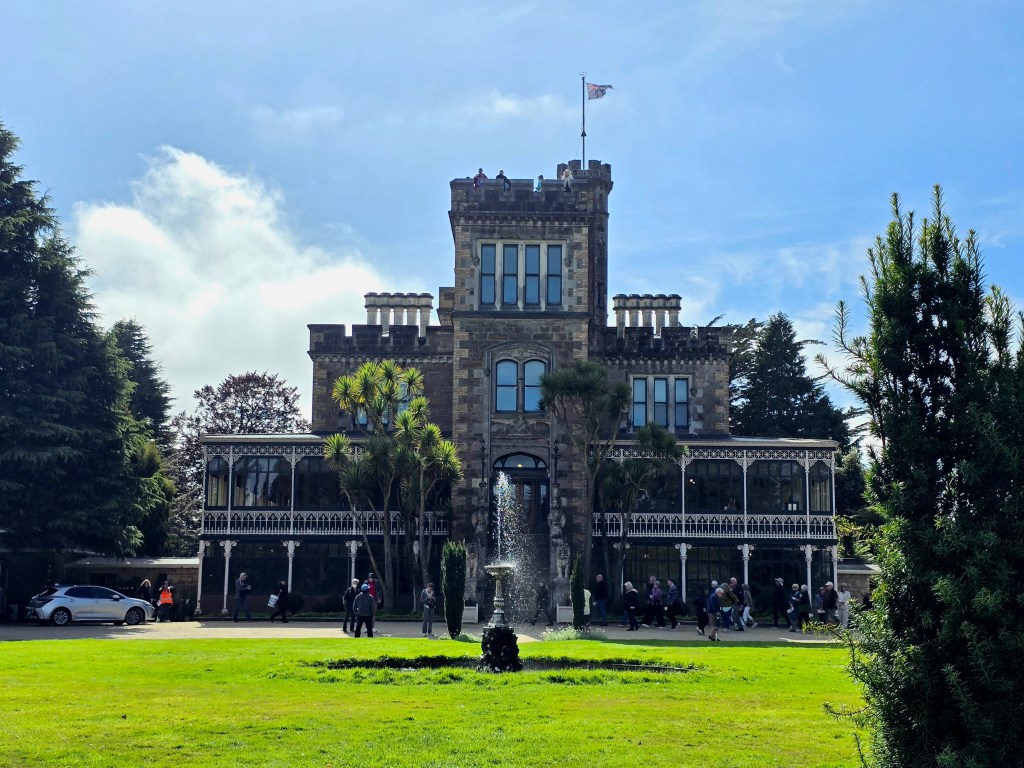
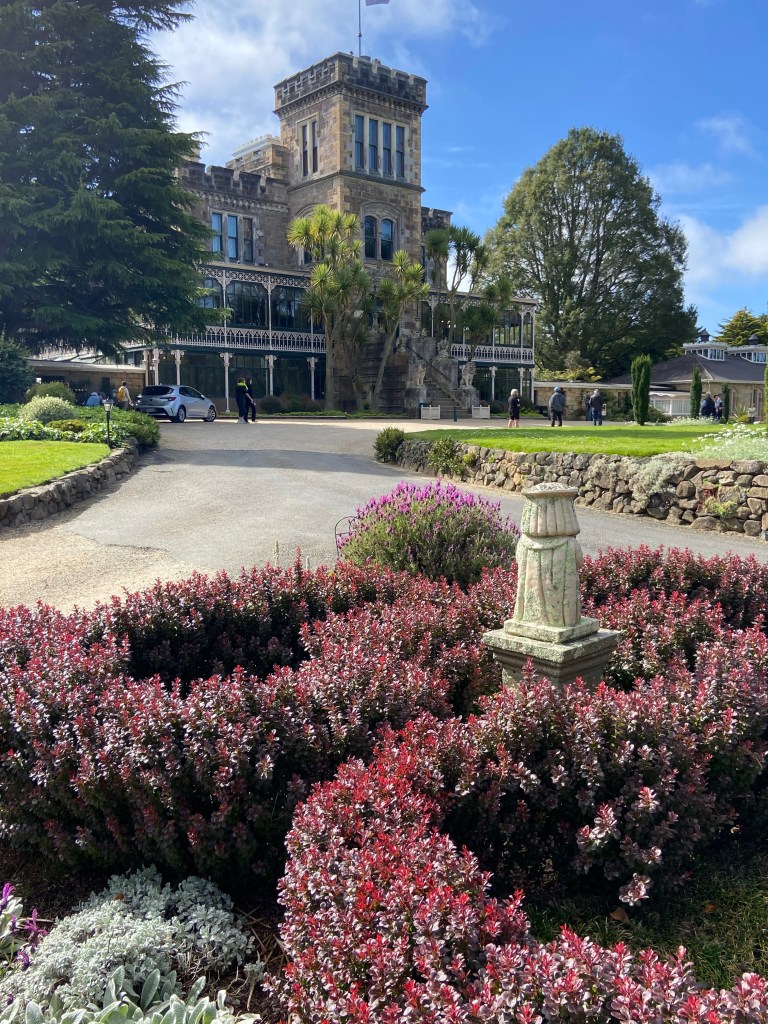
We traveled to Larnach Castle, which is a mock castle, on the ridge of the Otago Peninsula within Dunedin, close to the small settlement of Pukehiki. It is one of a few houses of this scale in New Zealand. The house was built by the William Larnach, a merchant baron and politician, in 1871 for his beloved first wife Eliza. The Castle is still privately owned and cared for by the Barker family who purchased it as their home in 1967. Decades of work have been spent on the Castle’s restoration, with the family having restored empty buildings from ruin and assembled a large collection of original New Zealand period furniture and antiques.
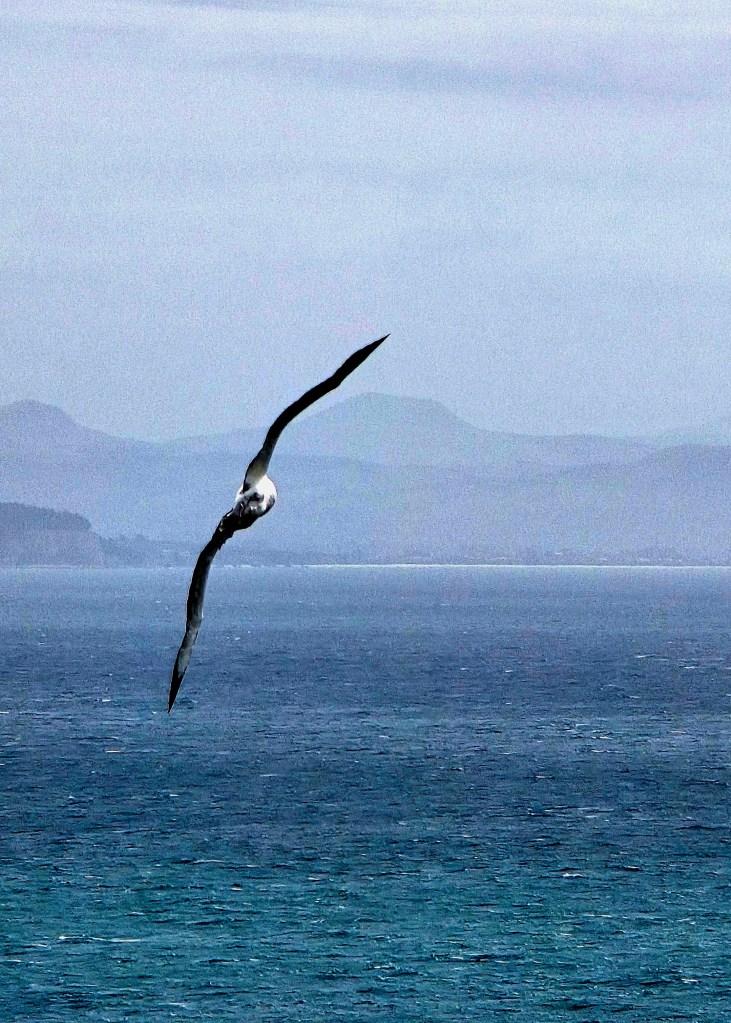
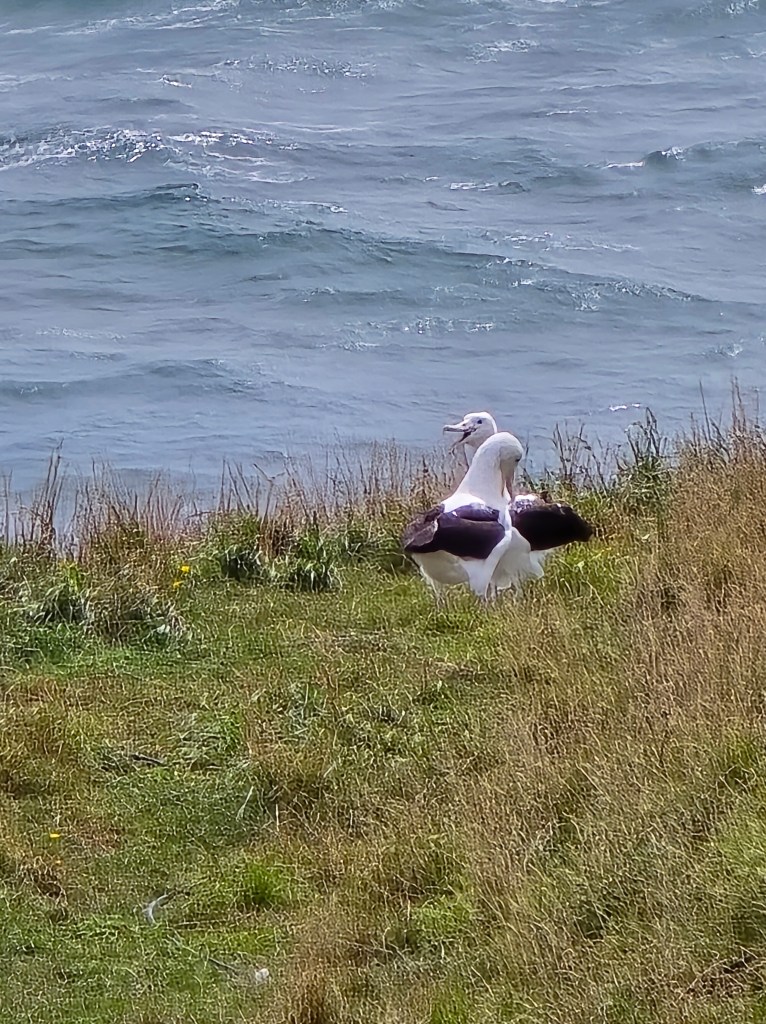
Taiaroa Head (Pukekura) is at the tip of Otago Peninsula in Dunedin. It is famous for the world’s only mainland colony of Northern Royal Albatross in the Southern Hemisphere. The Royal Albatross is one of the largest seabirds in the world, and it is a graceful giant with a wing span of over 10 feet! We were able to observe them swooping and flying over the peninsula, and saw nests of new baby Albatross. Beautiful and amazing creatures!
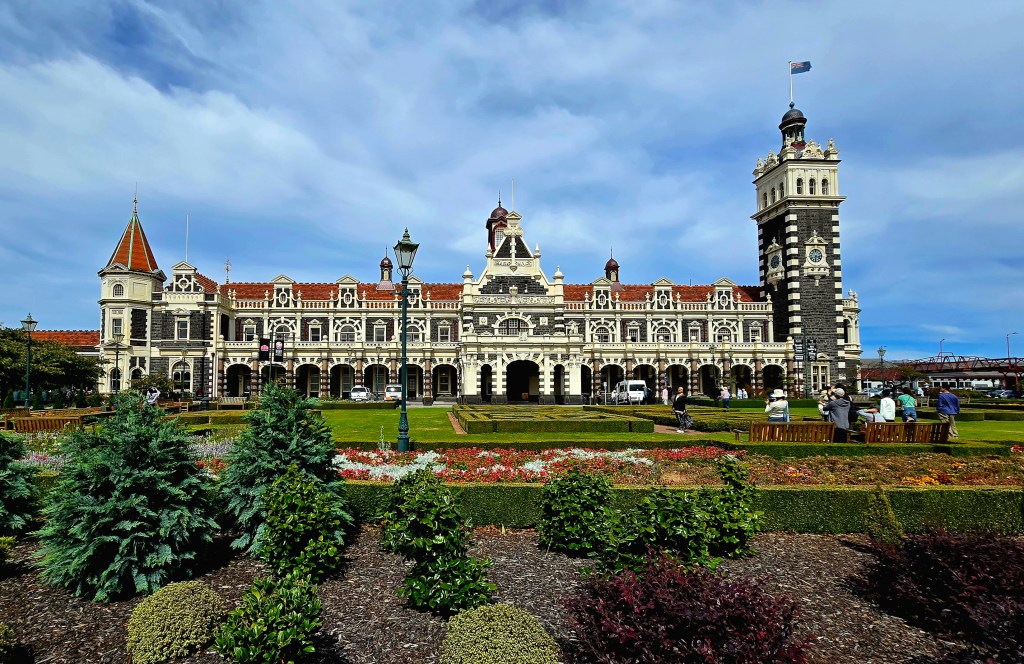
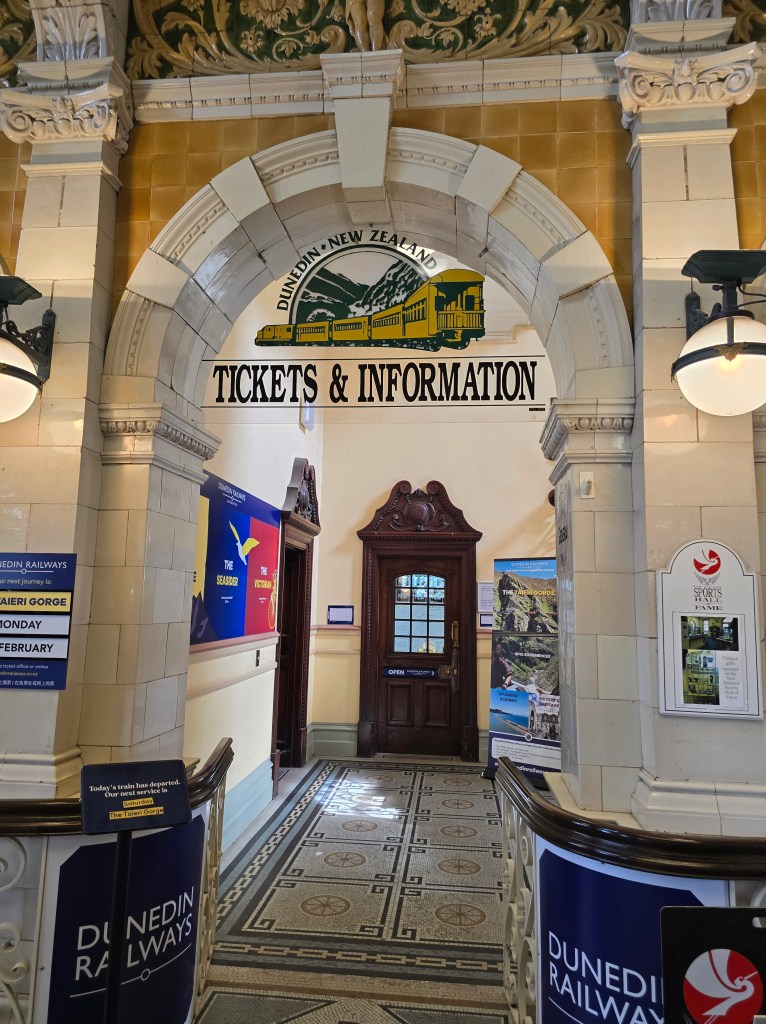
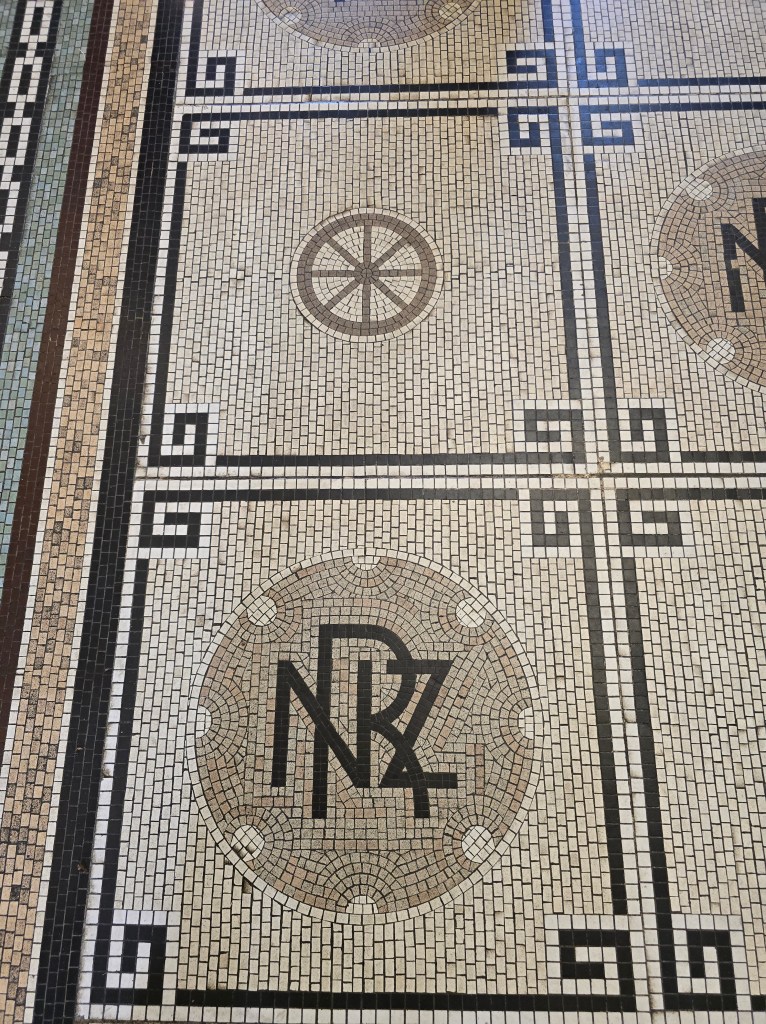
A quick side trip took us to the Dunedin railway station which is a prominent landmark and tourist site in Dunedin. Construction was completed in 1906 and in its early days the station was the country’s busiest, handling up to 100 trains a day. The southern end is dominated by the 121 foot clocktower visible from much of central Dunedin. The station is constructed out of dark basalt (a lava stone) from Kokonga and with lighter Oamaru (hard limestone) stone facings, giving it the distinctive light and dark pattern, The floors are made of 750,000 mosaic tiles manufactured by Minton, a European ceramic manufacturer from the Victorian era. An amazing structure!
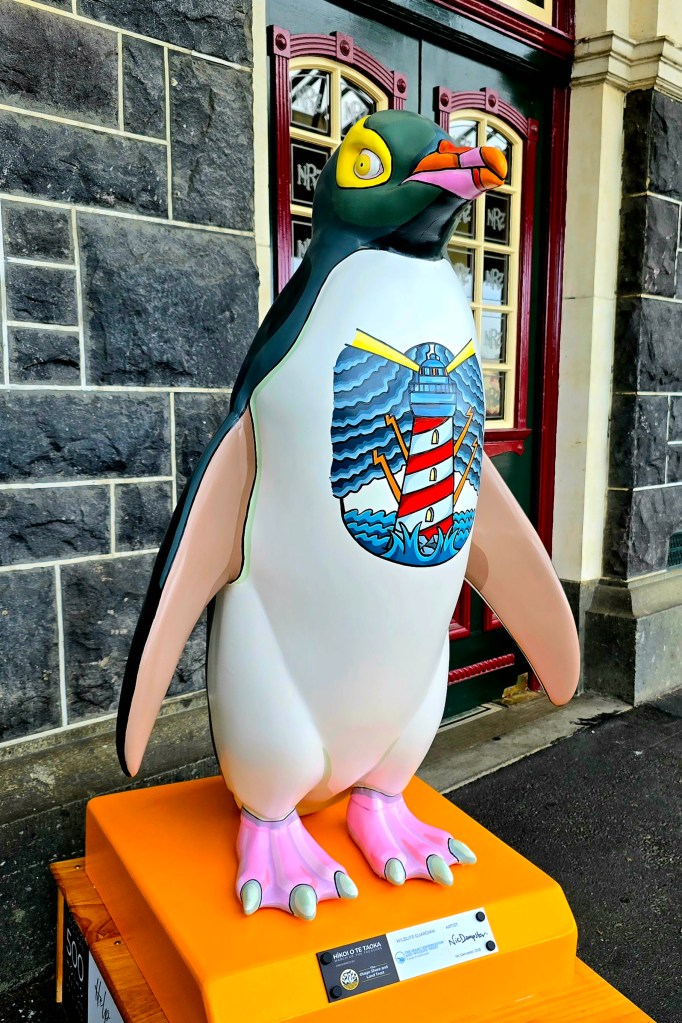
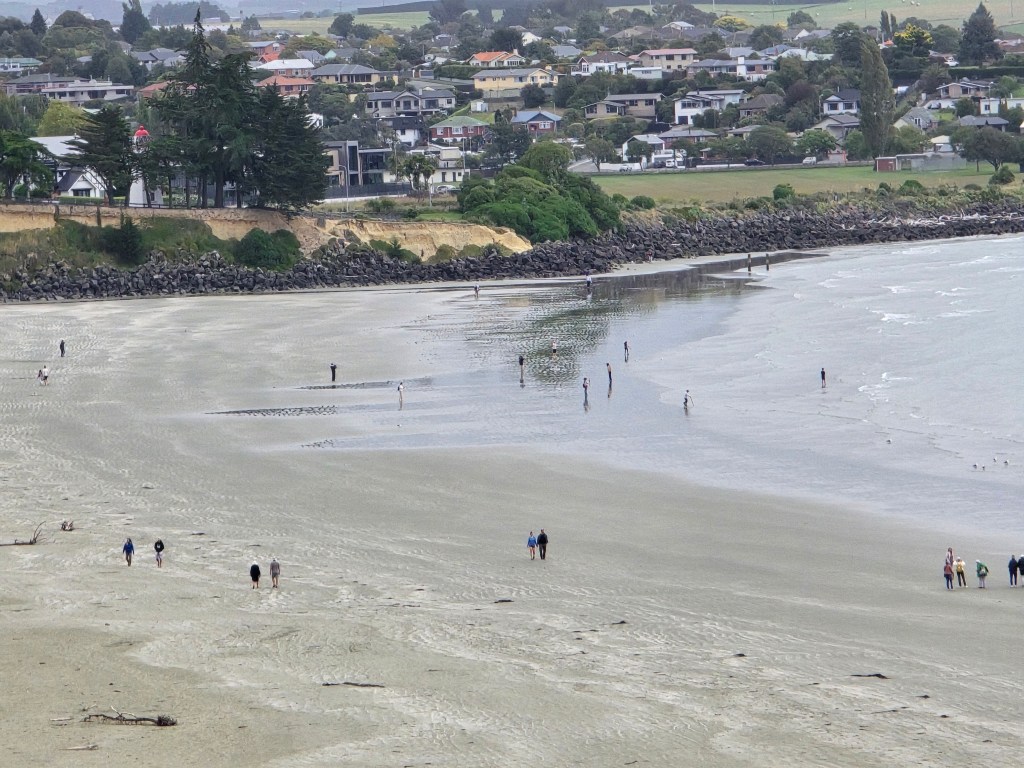
We took a day off from the tour group and did our own thing in Timaru. Timaru is built on rolling hills created from lava flows of the extinct Mt Horrible volcano, which last erupted thousands of years ago. The result is that most of the main streets are undulating and the volcanic rock can be seen in the construction of local bluestone buildings. There was a great craft/farmers market, where Laura found a merino sweater and some green stone (jade stone) bracelets, all made by local artisans.
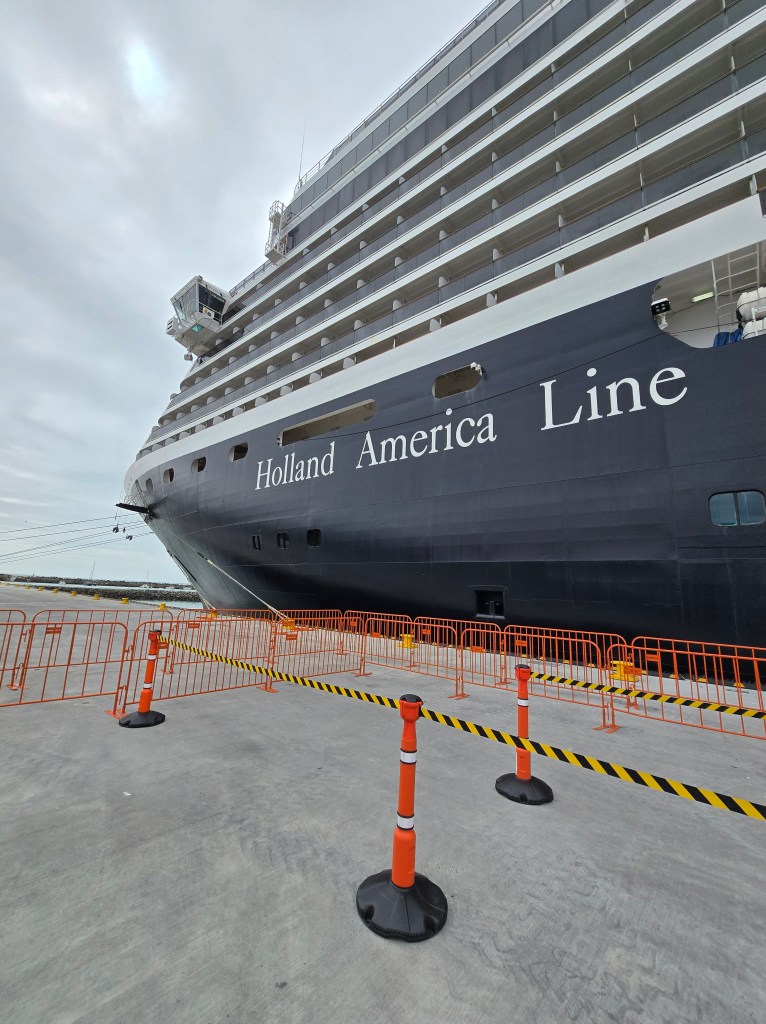
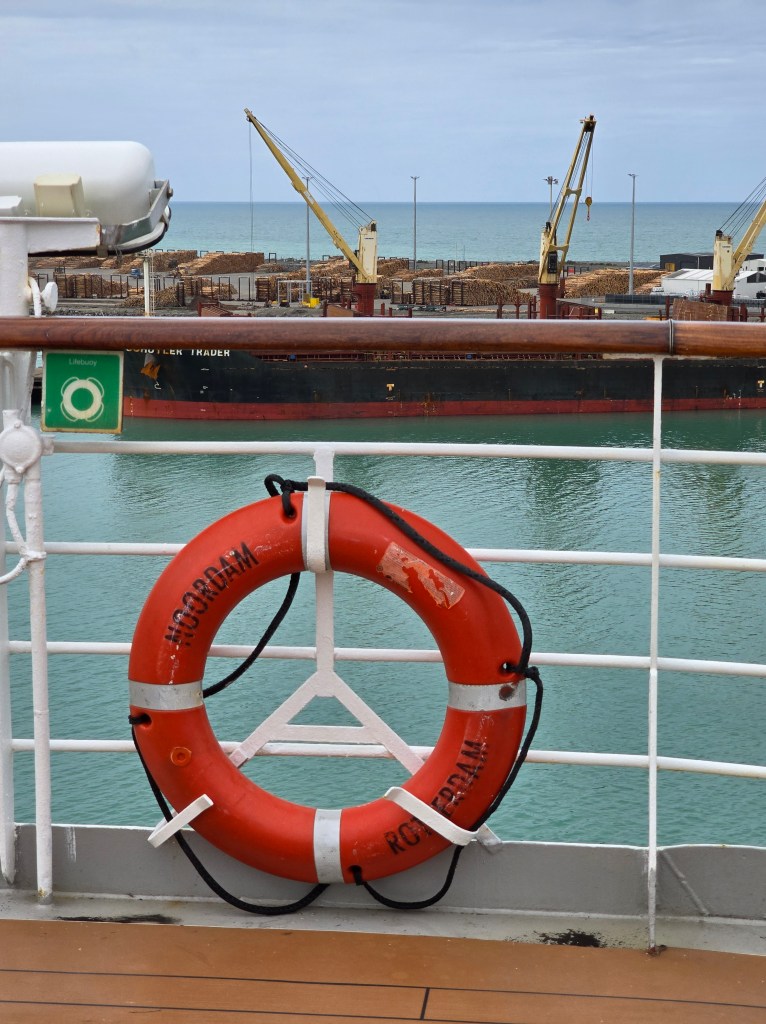
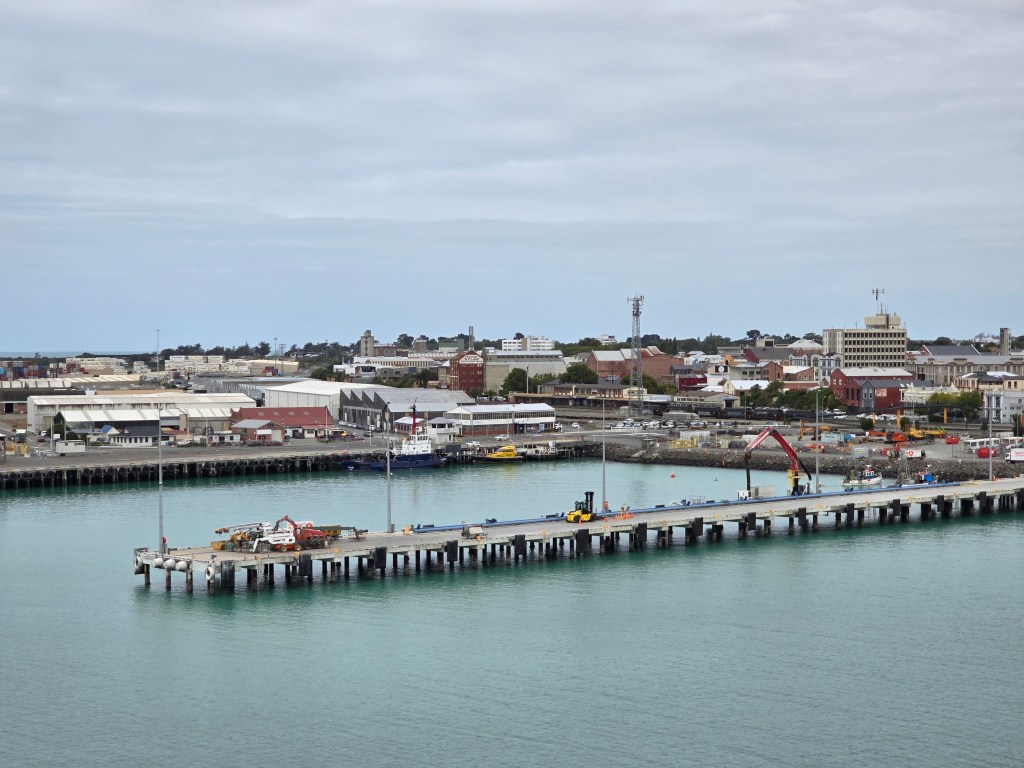
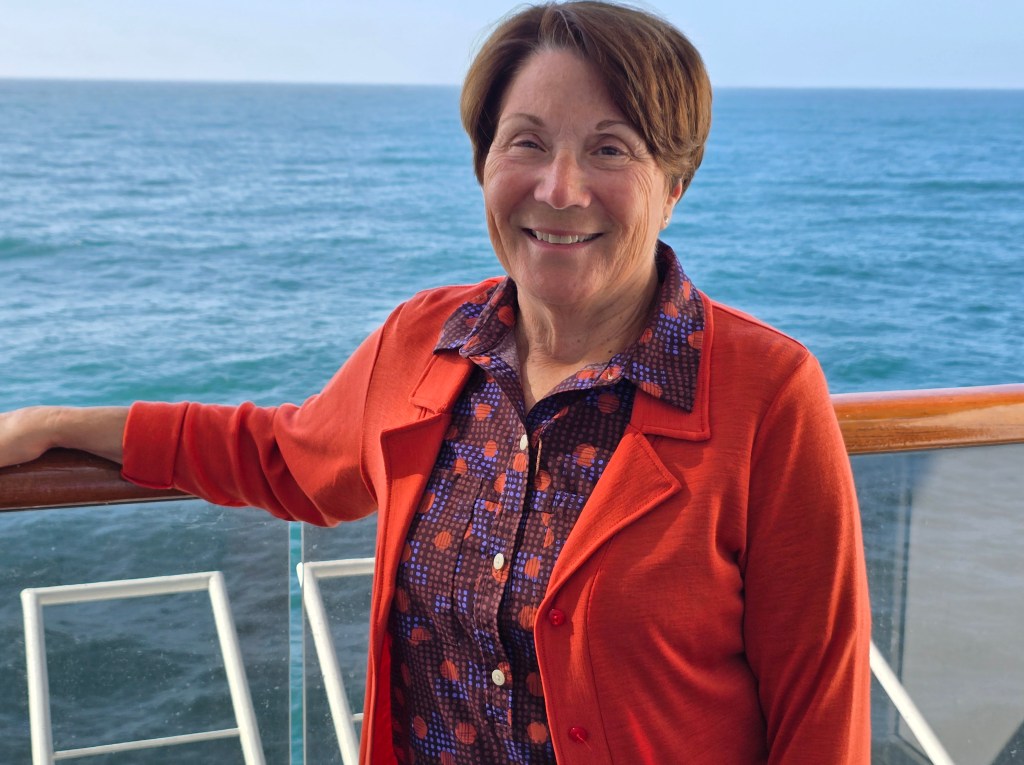
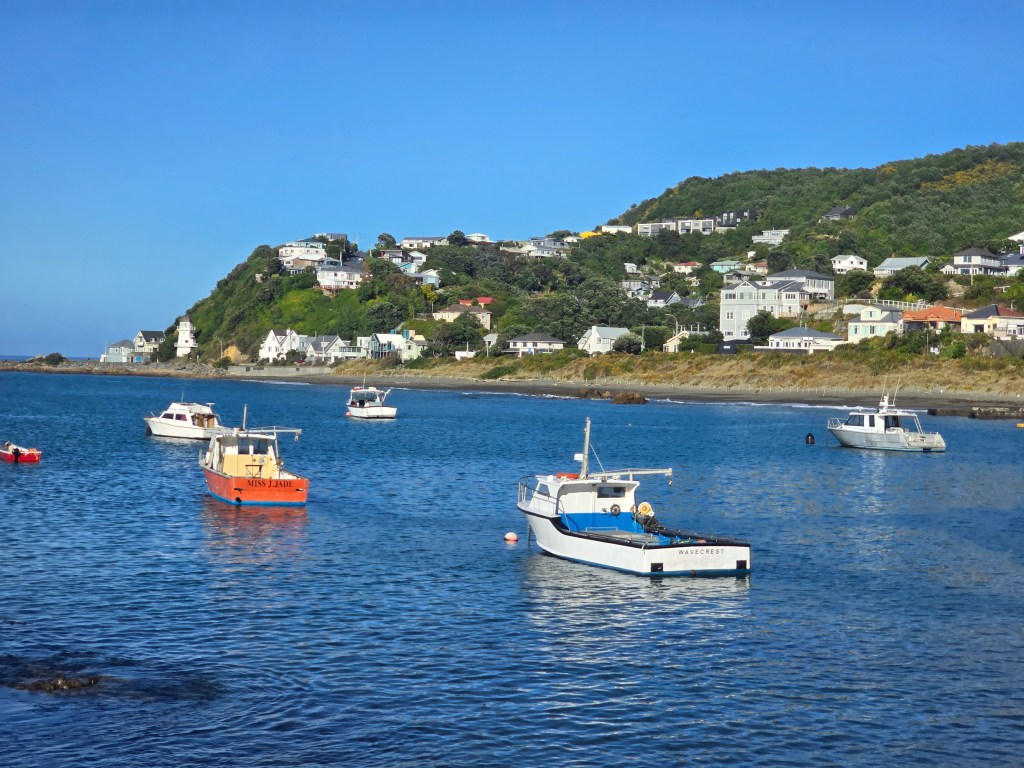
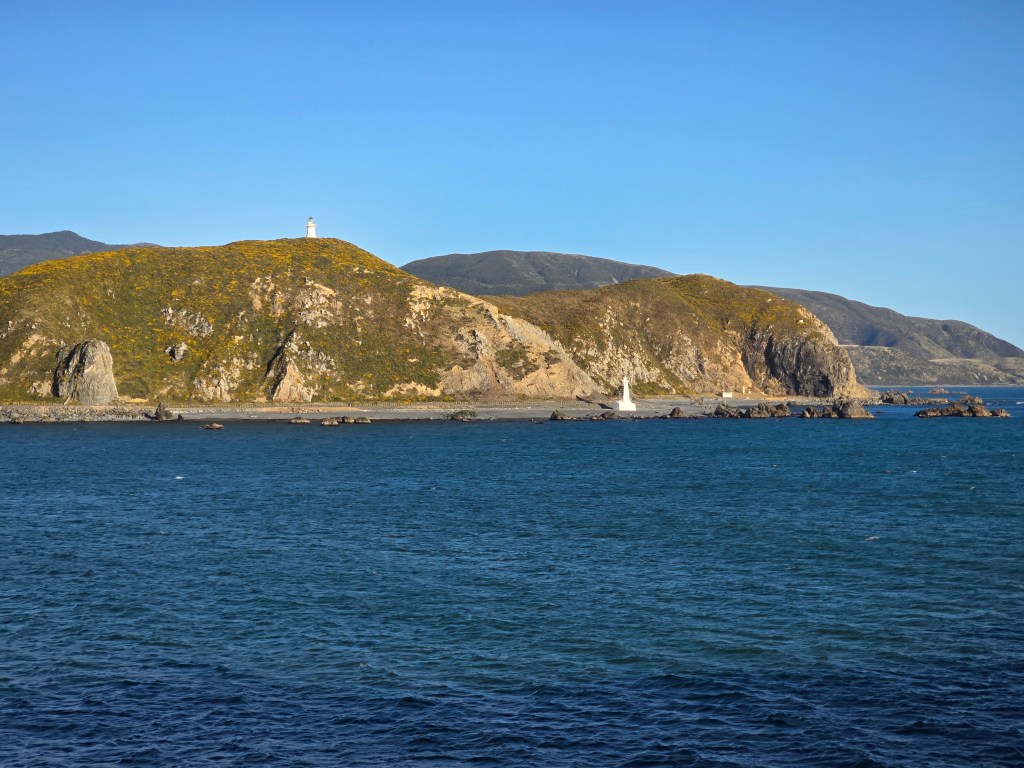
Wellington was our next port stop. It is the capital of New Zealand since 1865, and is located at the southern extremity of the North Island. Its magnificent amphitheater-like harbour, is hemmed in by rugged hills, formed by the flooding of the crater of a very large and long-extinct volcano.
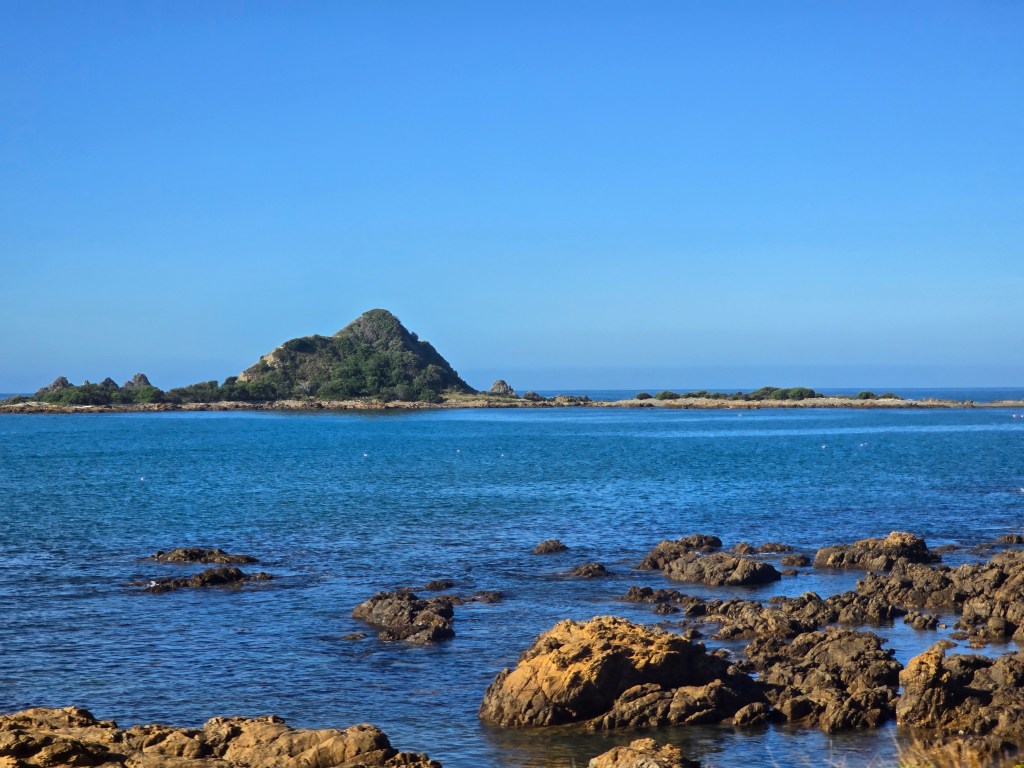
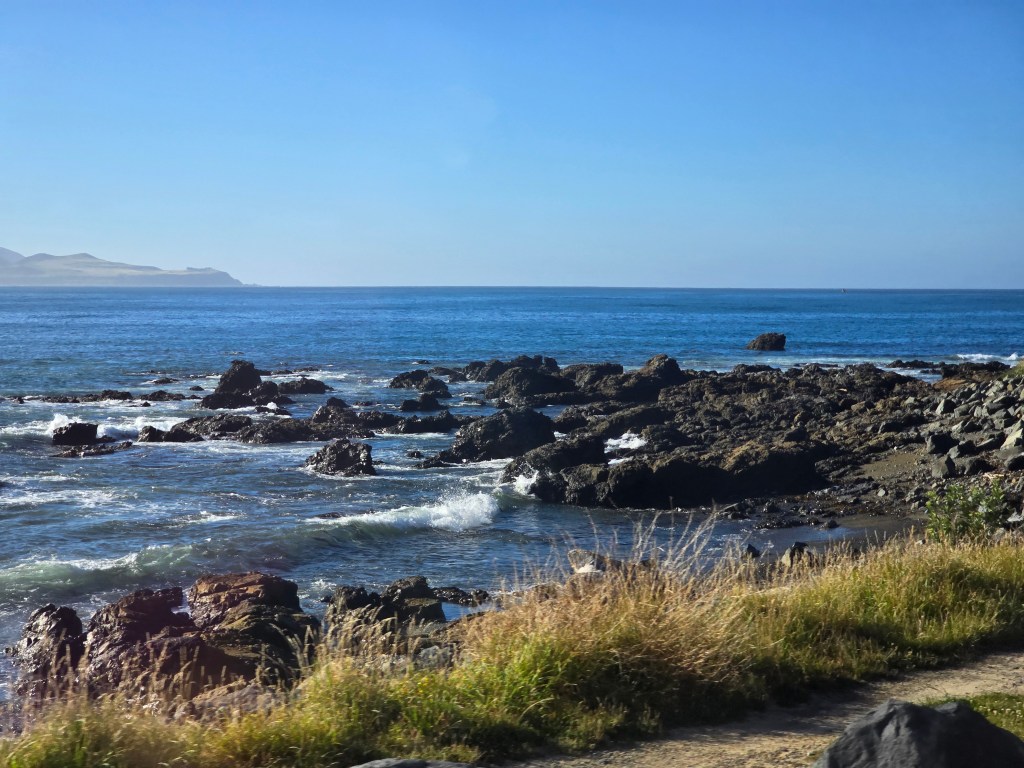
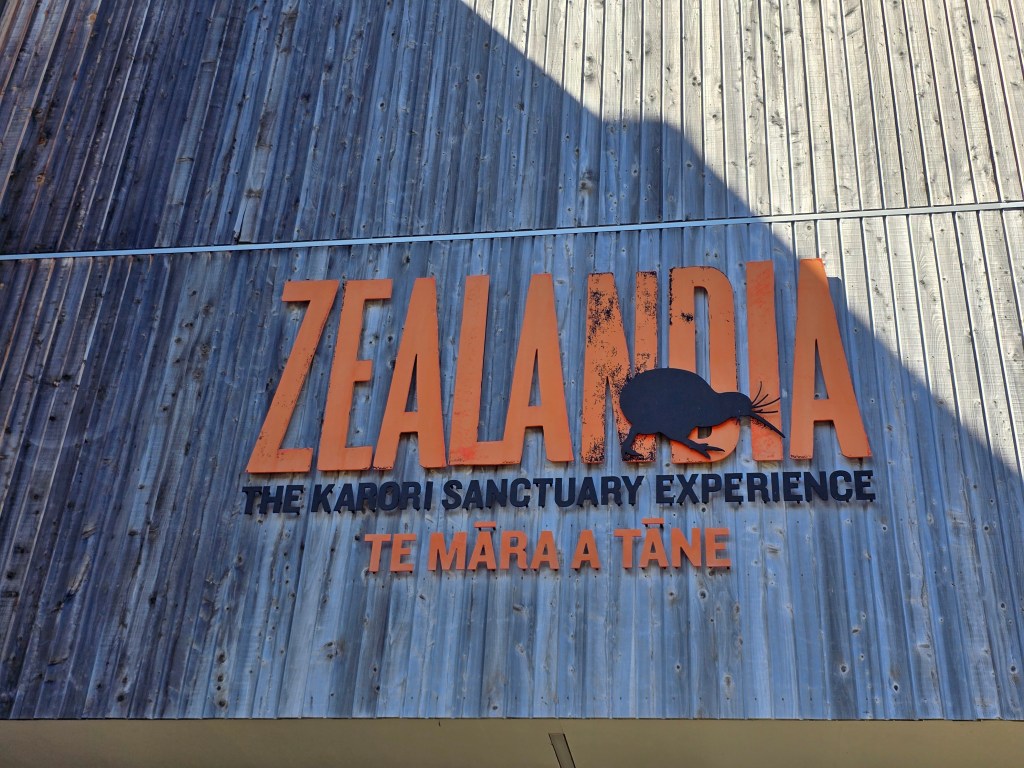
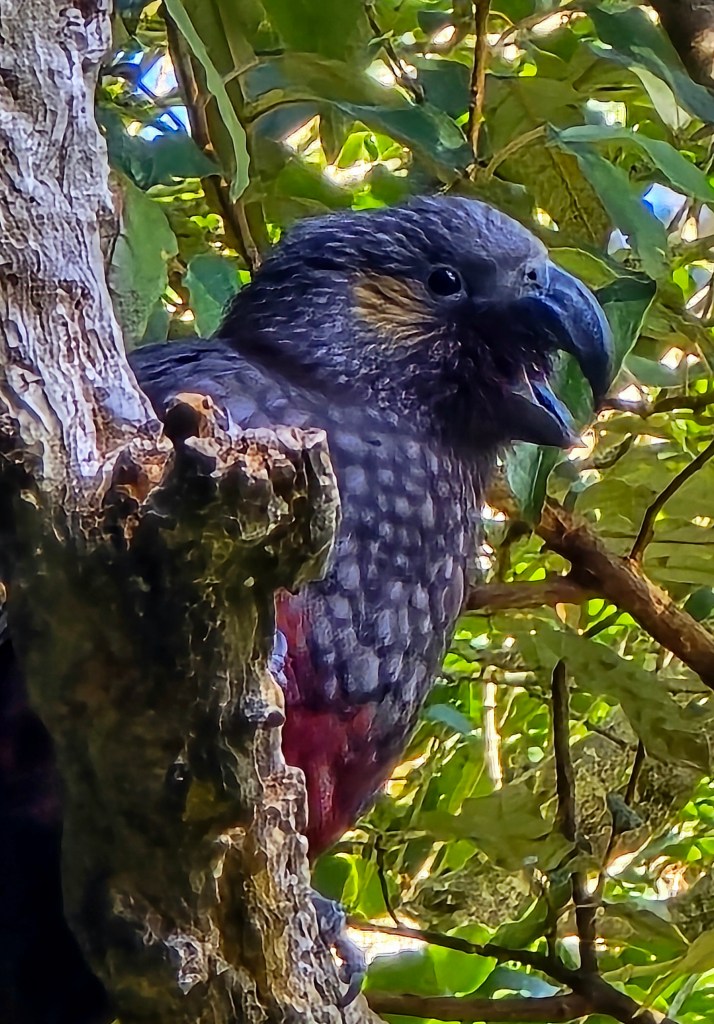
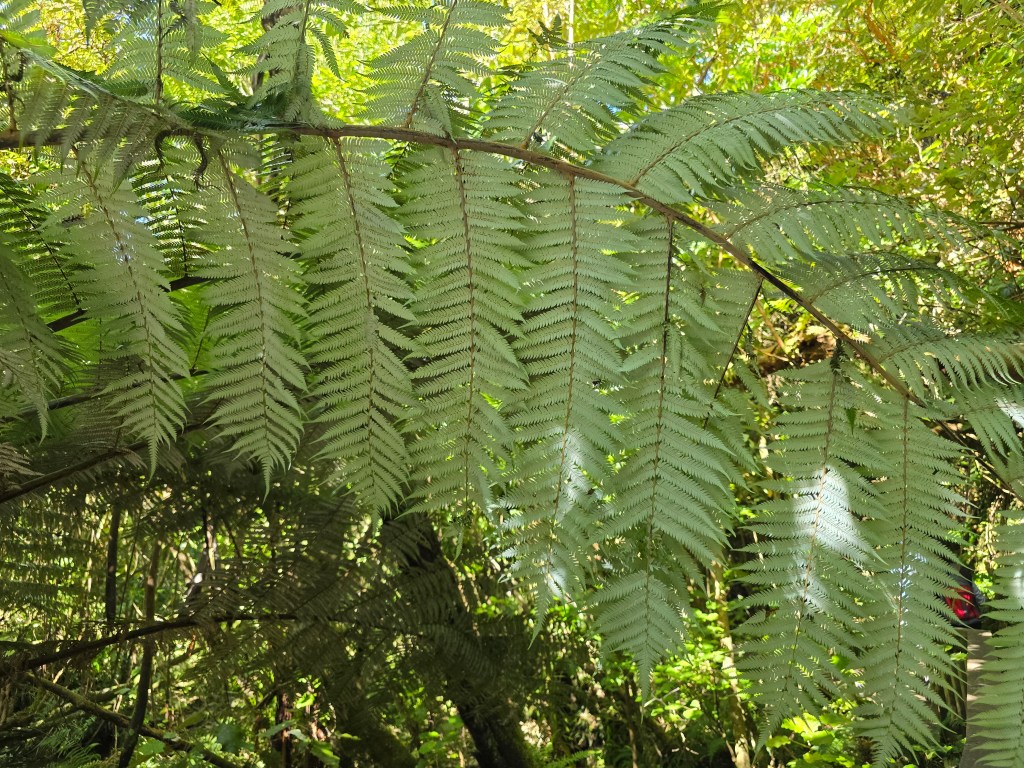
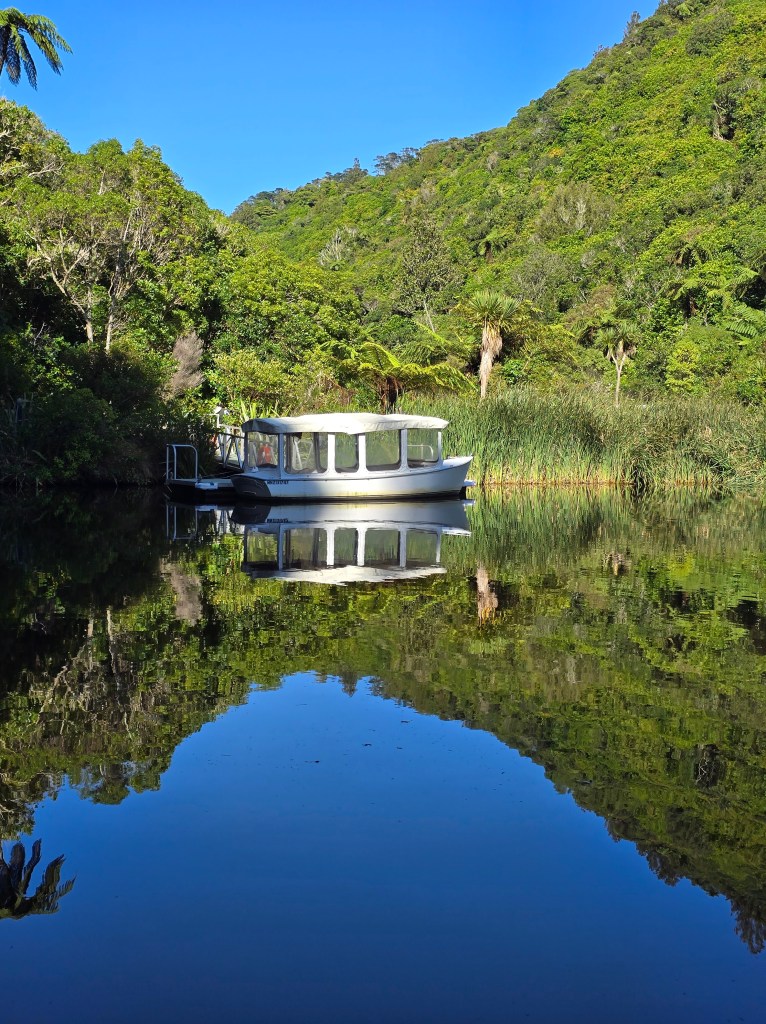
We spent the morning at Zealandia which is a protected natural area in Wellington. It is the first urban completely fenced ecosanctuary, where the biodiversity of 556 acres of forest is being restored. Most of New Zealand’s ecosystems have been severely modified by the introduction of land mammals that were not present during the evolution of its ecosystems, and have had a devastating impact on both native flora and fauna. The focus of our tour was observing the diverse bird life, especially the Kākā a part of the parrot family.
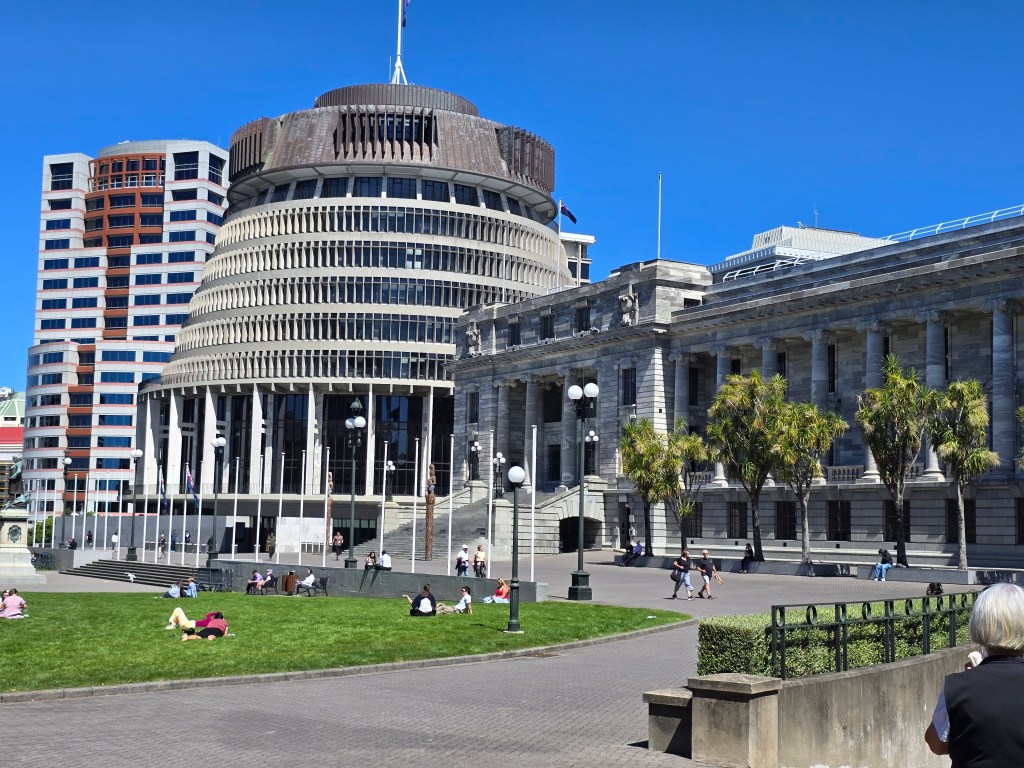
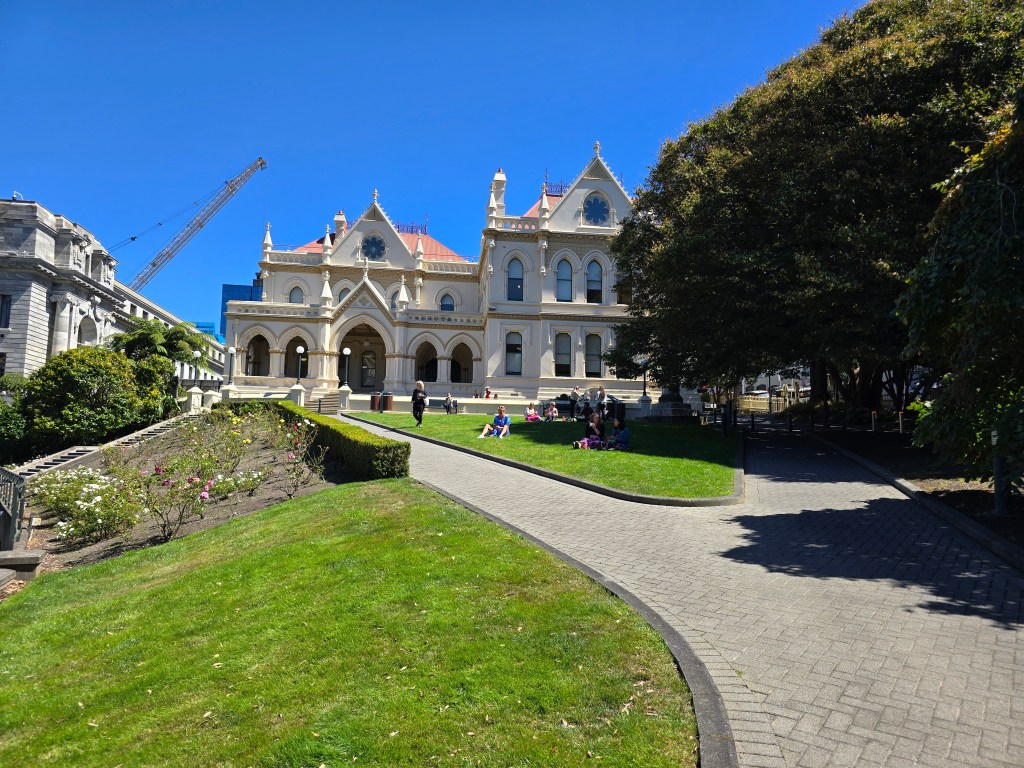
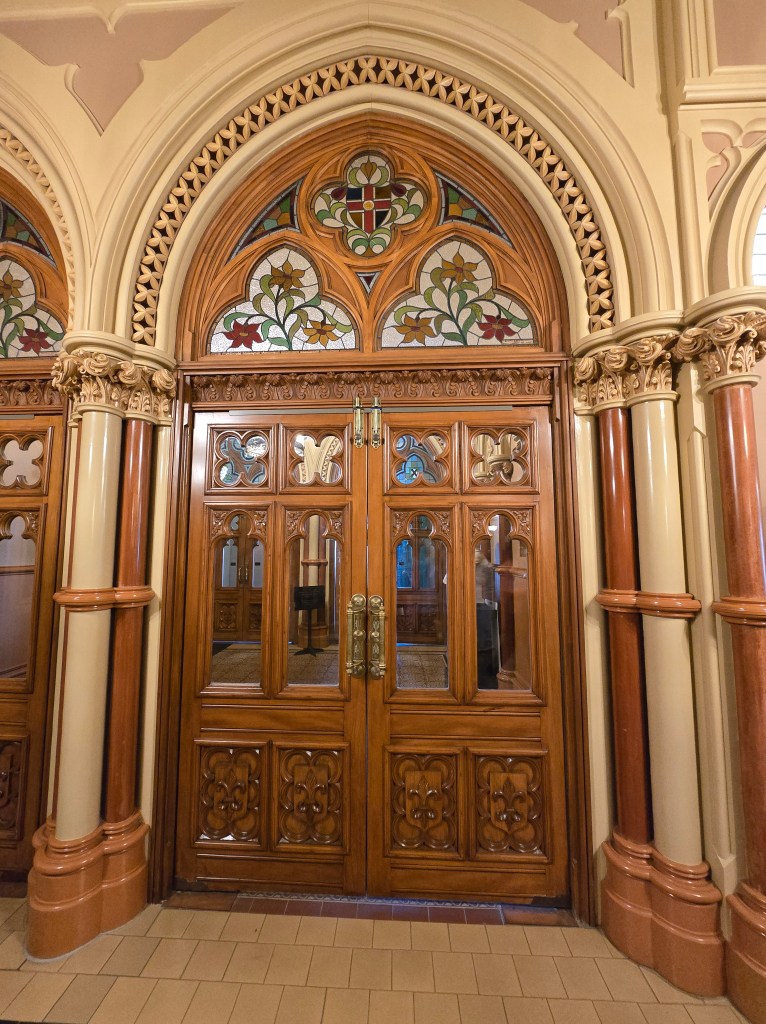
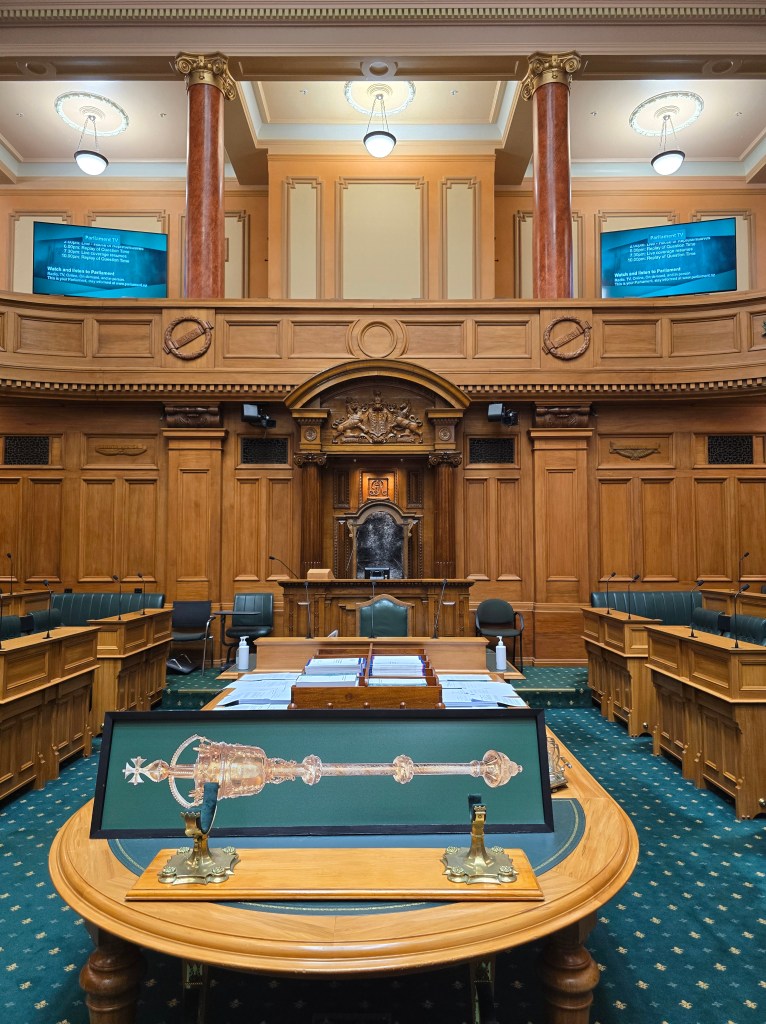
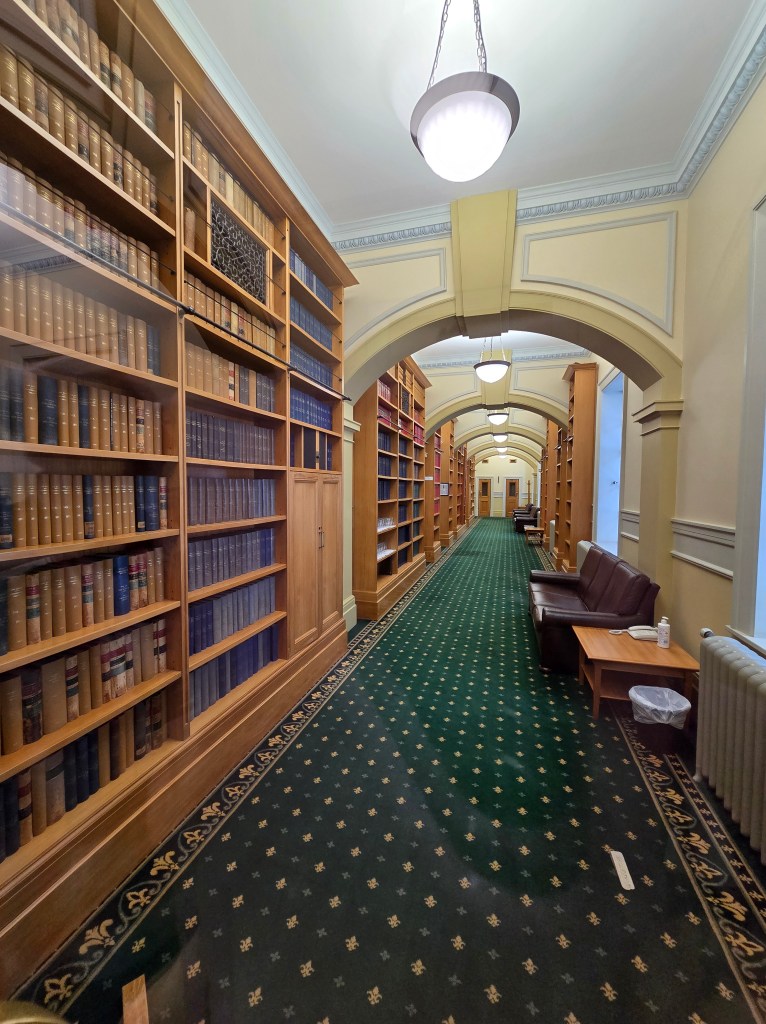
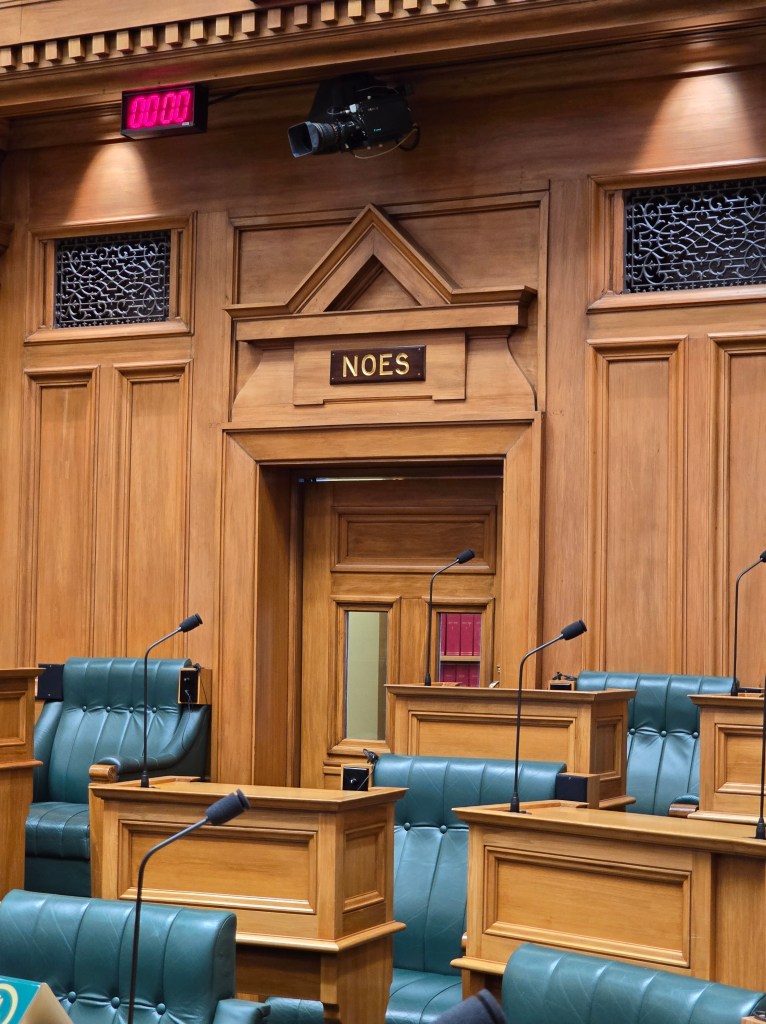
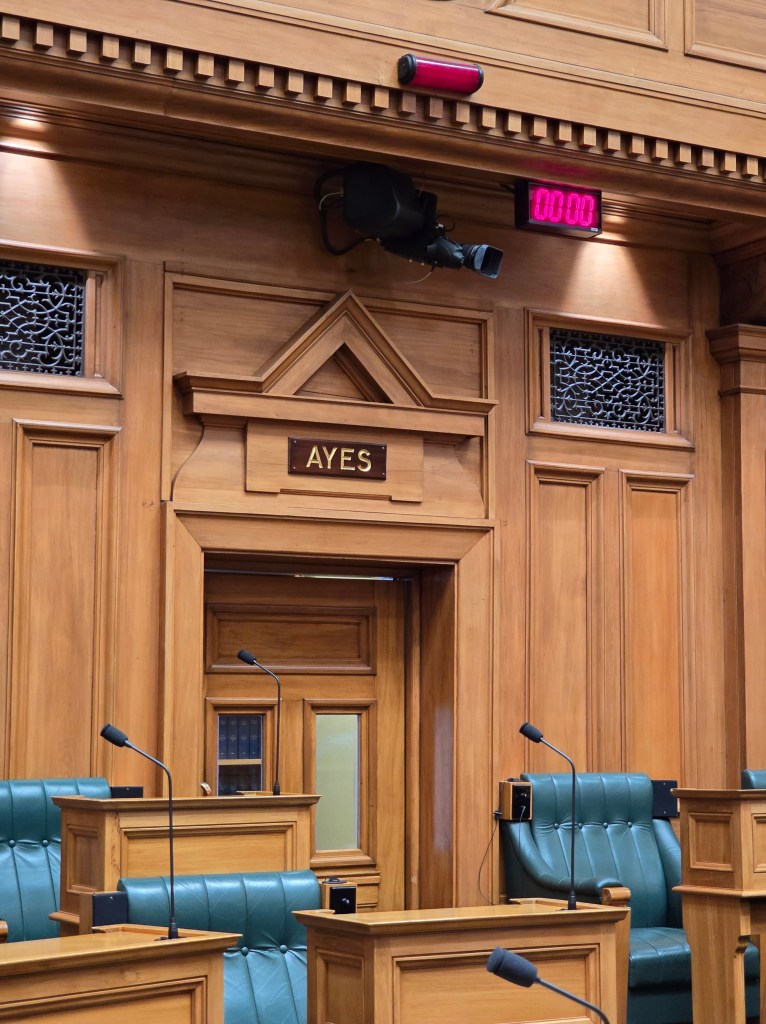
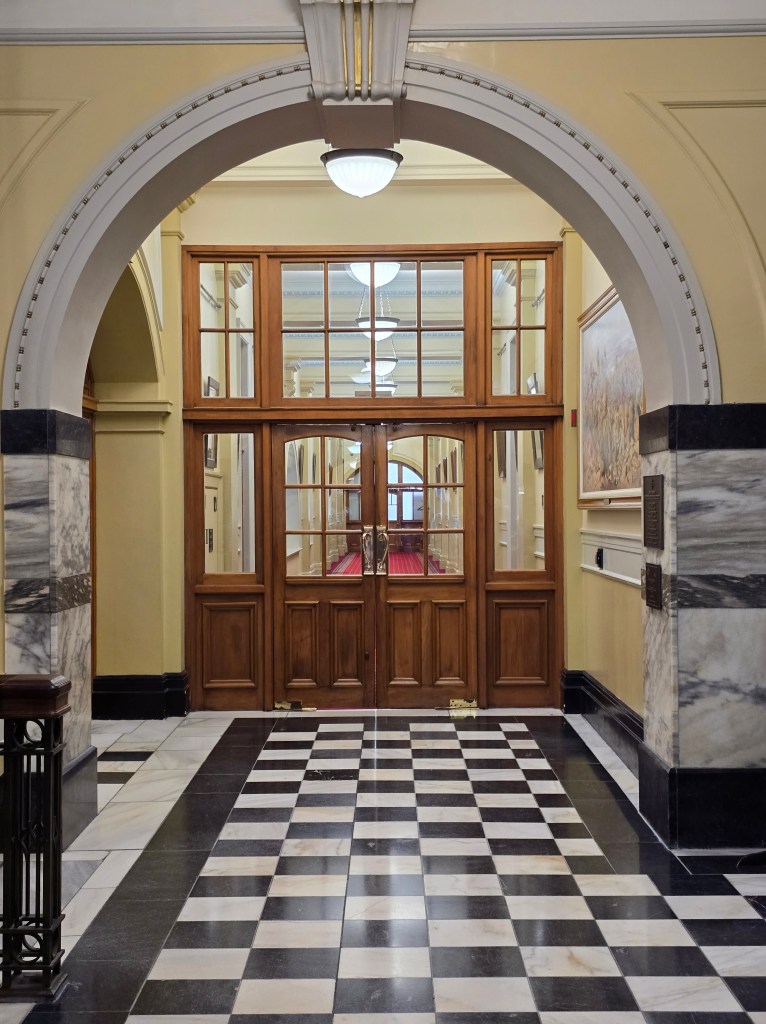
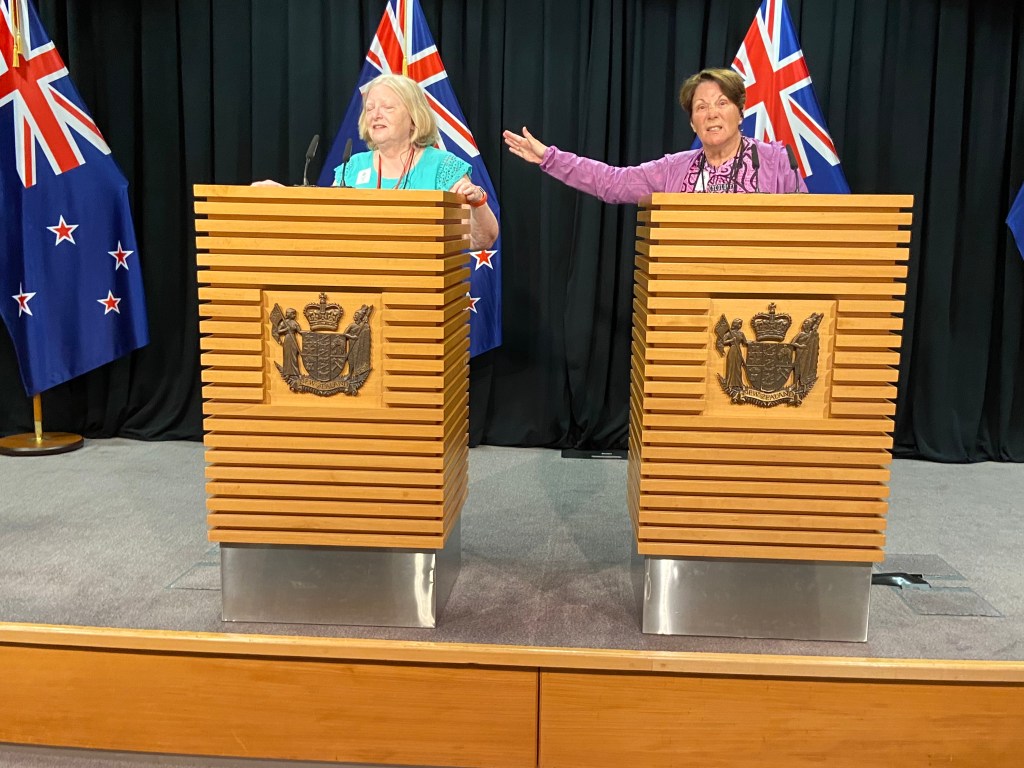
The afternoon was spent learning about how the government of New Zealand functions. This included a tour of The Beehive (the executive wing) where the Prime Minister and Cabinet Ministers have offices, and Parliament House where 120 members of the House of Representatives meet to debate laws and scrutinize the Government’s spending and priorities. New Zealand’s government is a “constitutional monarchy” meaning that there is a Head of State who is a monarch, but their power and functions have constraints set out by the constitutional documents. These documents contain several Acts of Parliament which determine how voting takes place, the term of Parliament, how the government is formed and individual rights.
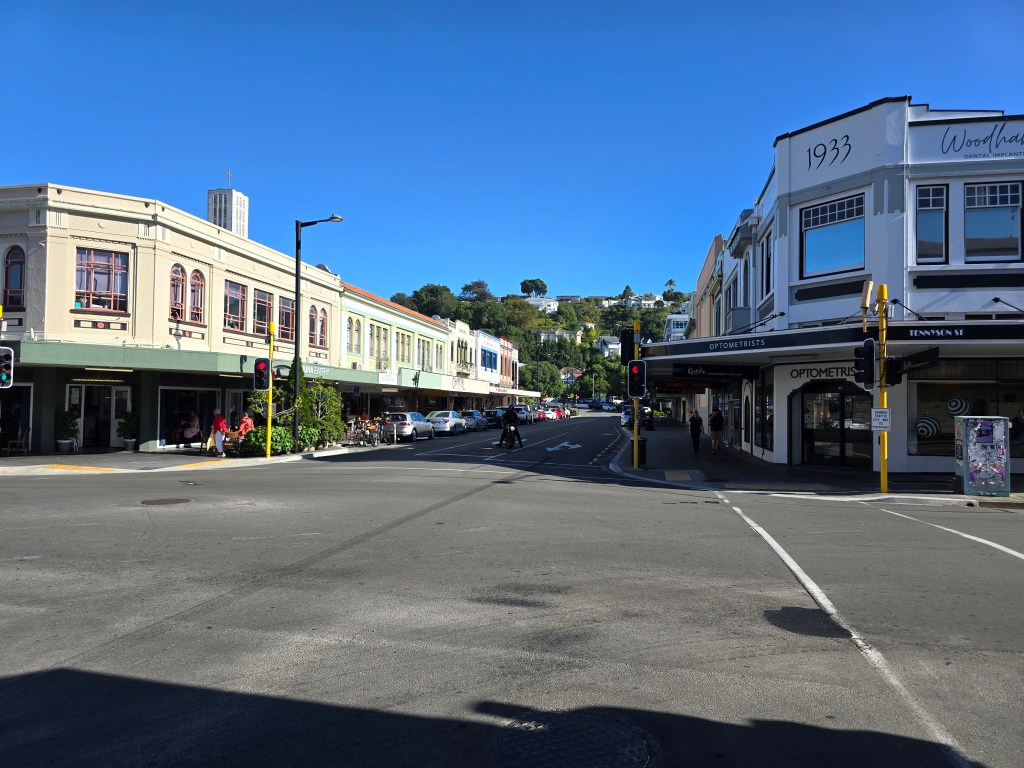
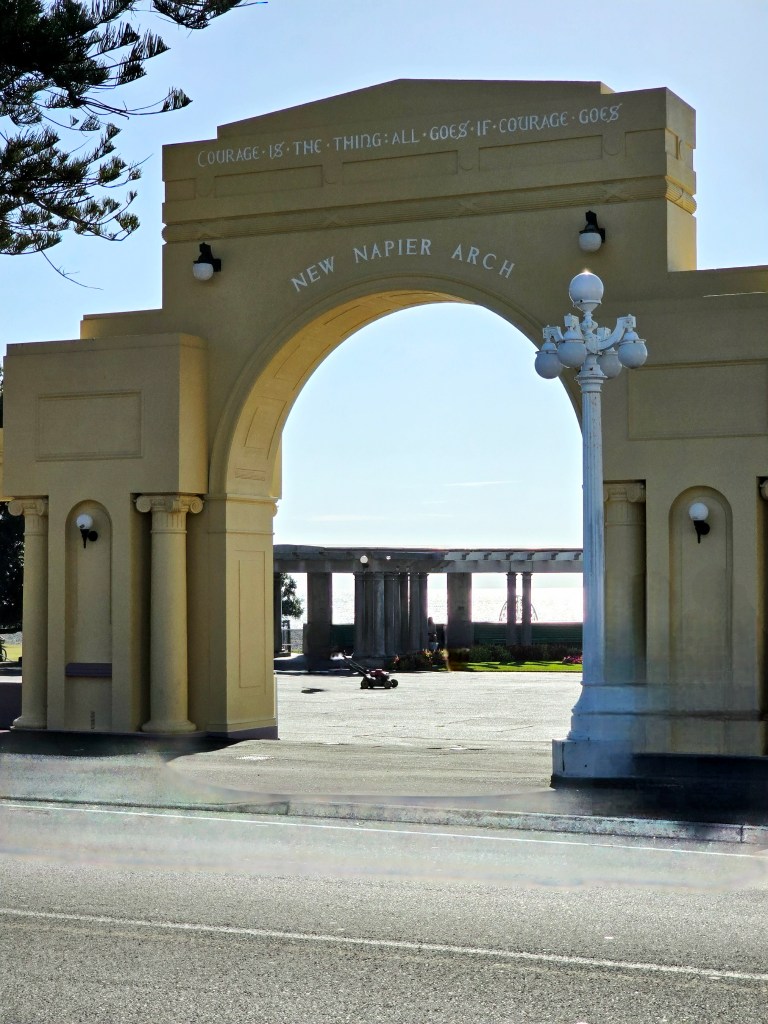
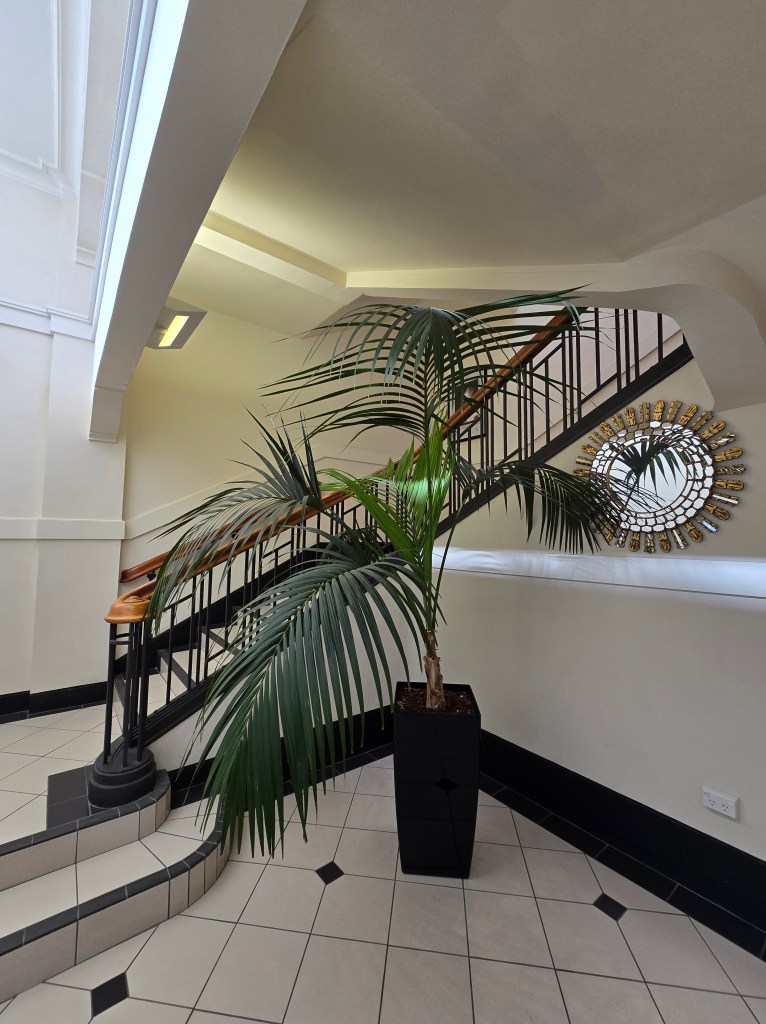
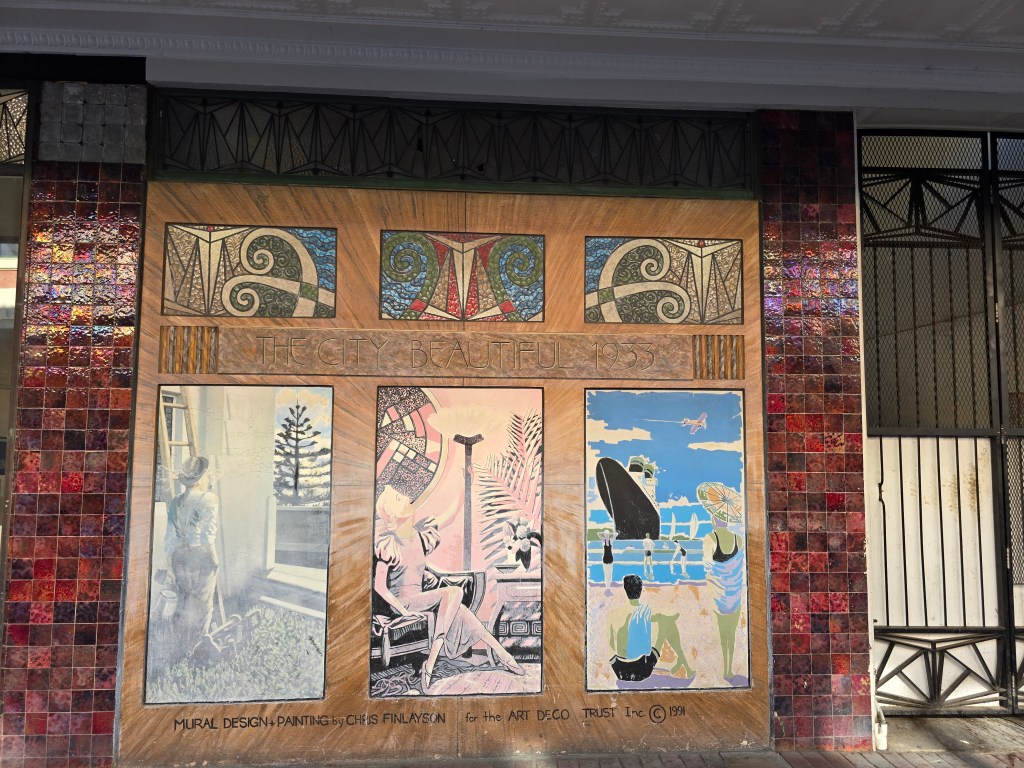
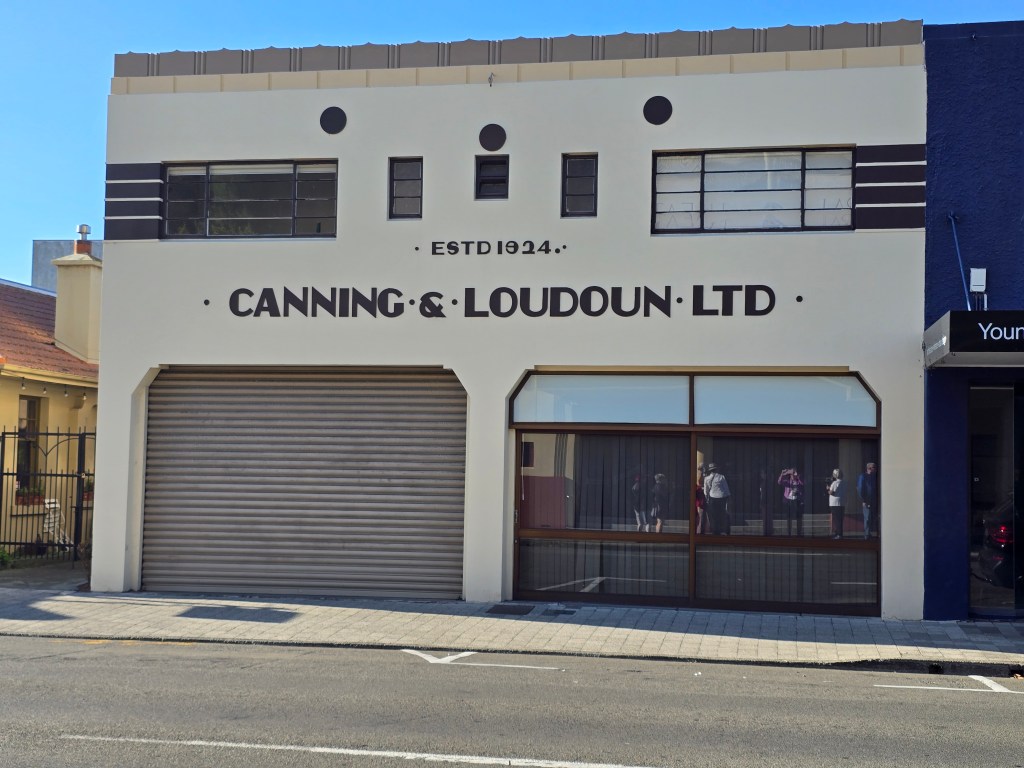
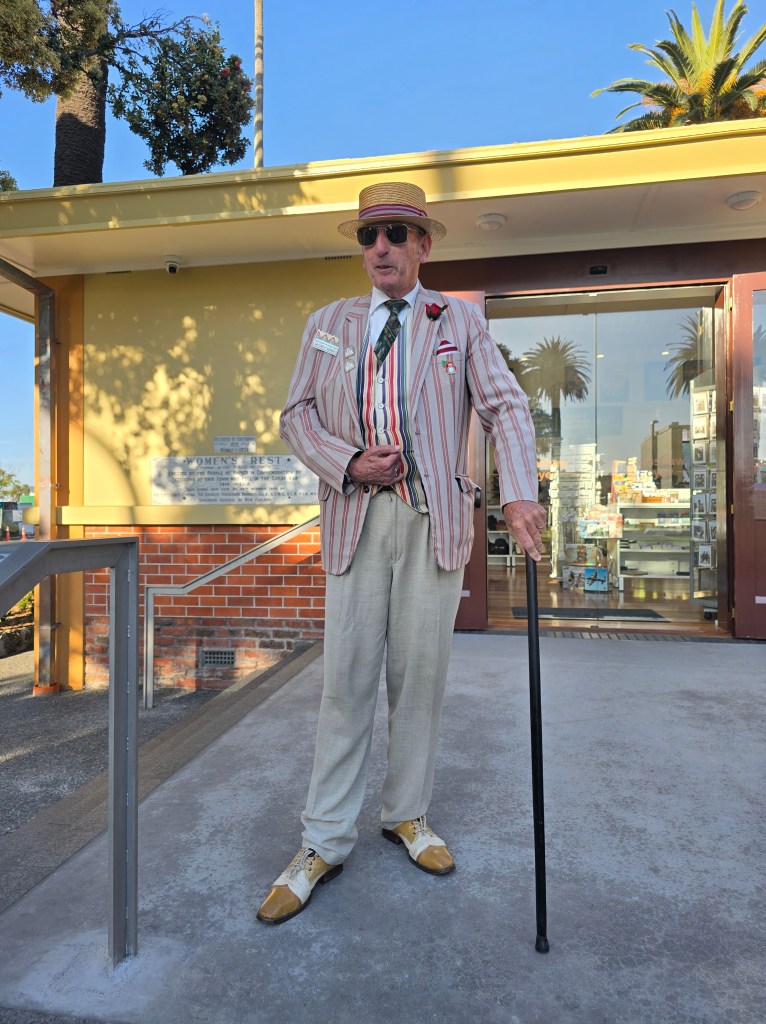
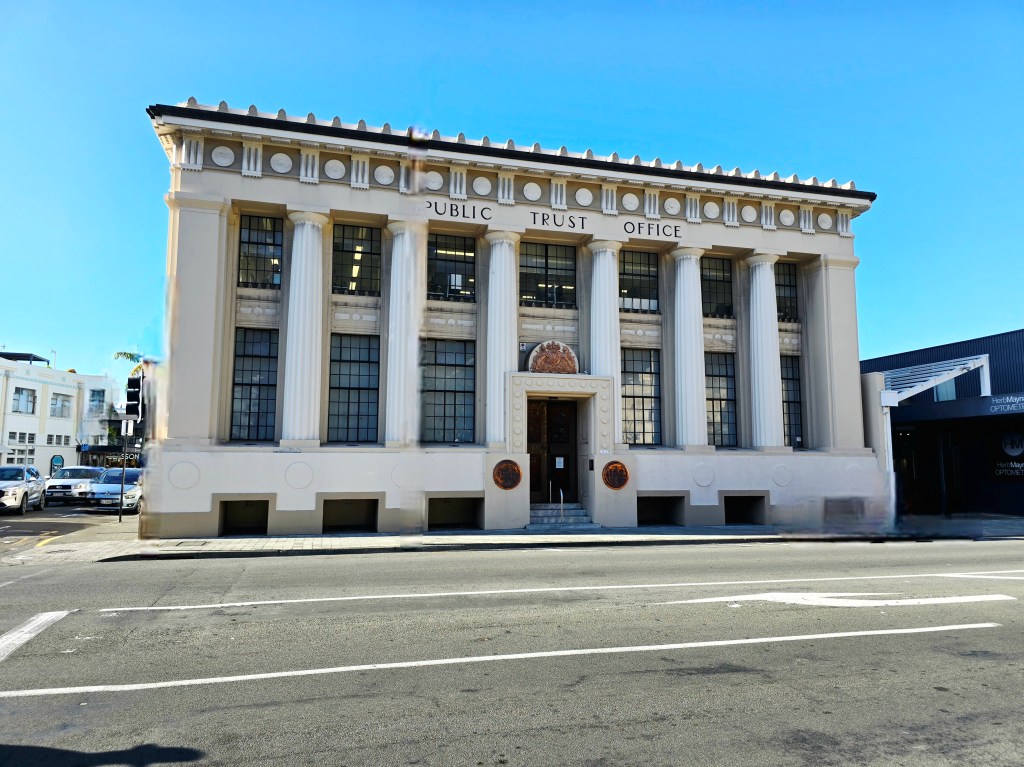
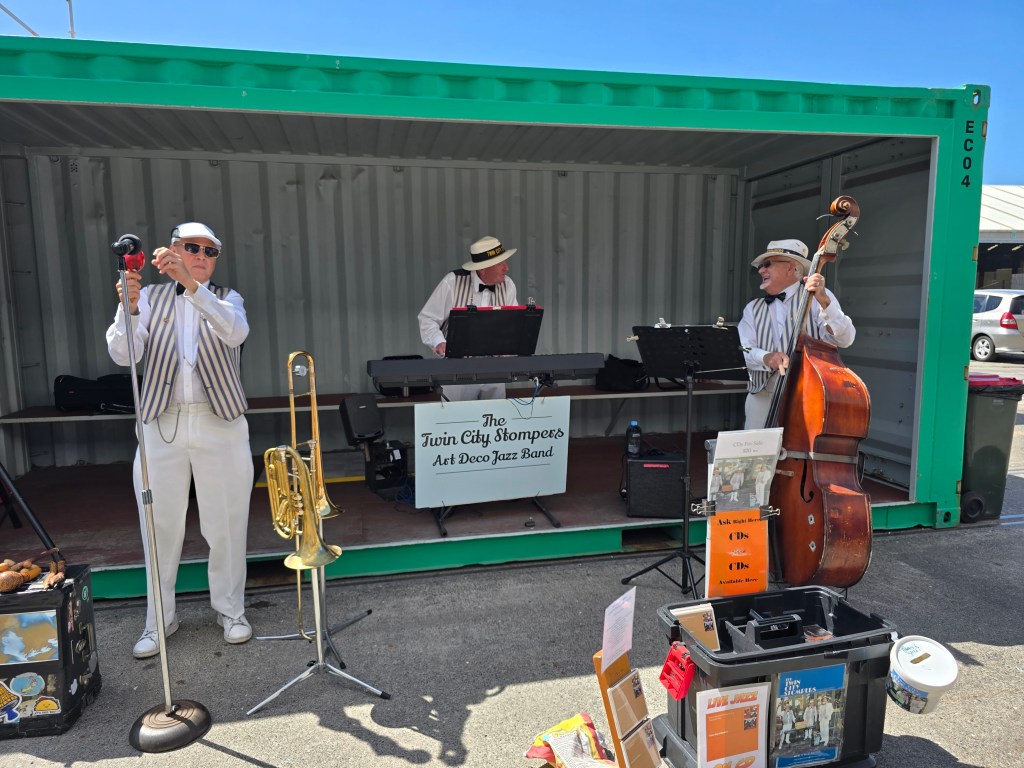
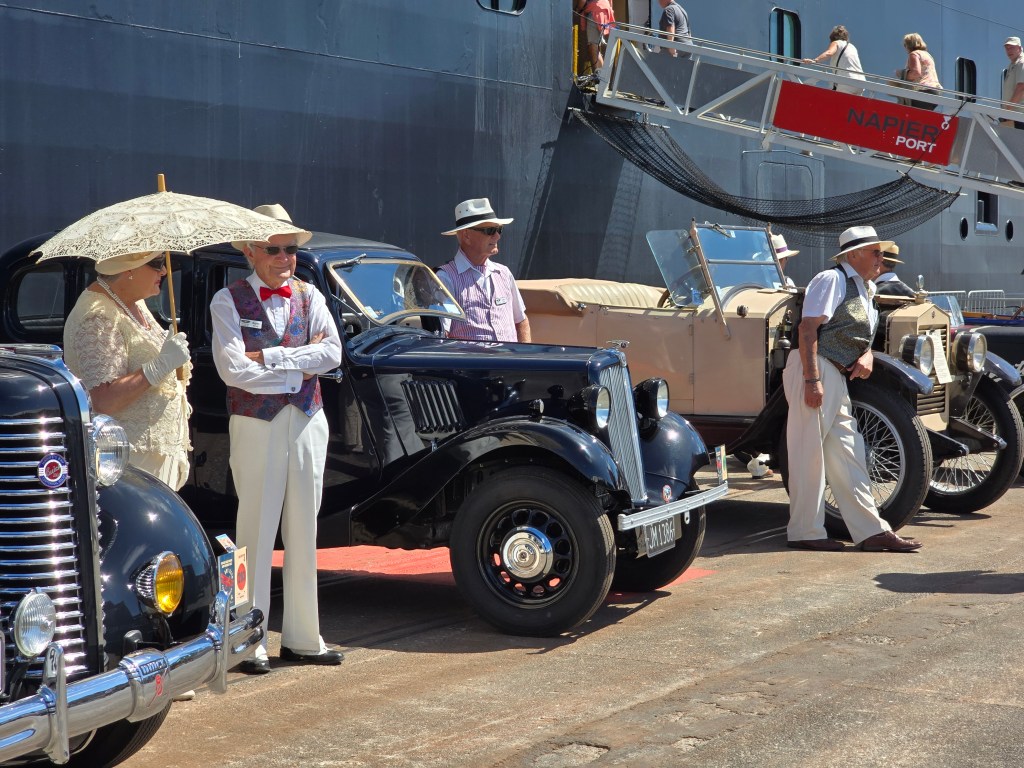
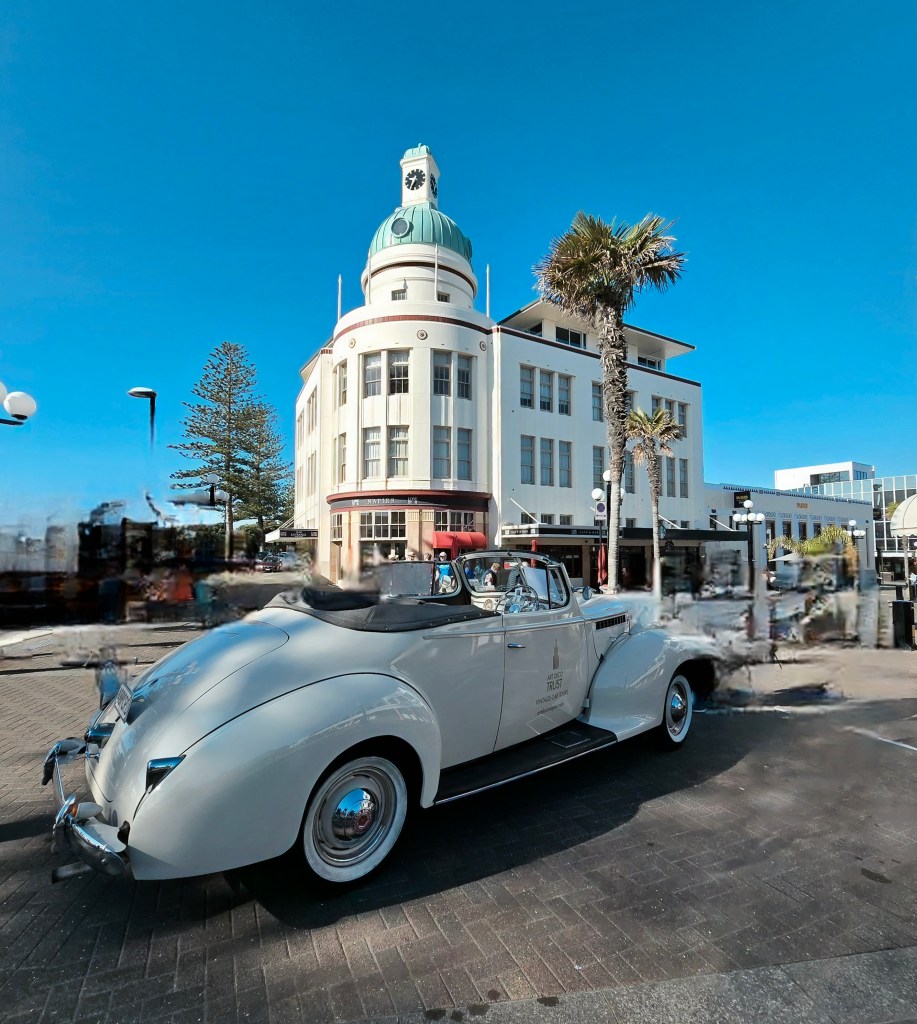
Napier, is a coastal city on Hawke’s Bay. We did a walking tour of the downtown area and learned about the 1931 earthquake’s destruction of this town and the rebuilding of it with the 1930’s Art Deco era focus. Lot’s of similarities to South Beach, Florida. It is enchanting passing along the historic buildings in Napier and you do feel like the 1930’s era is alive today.
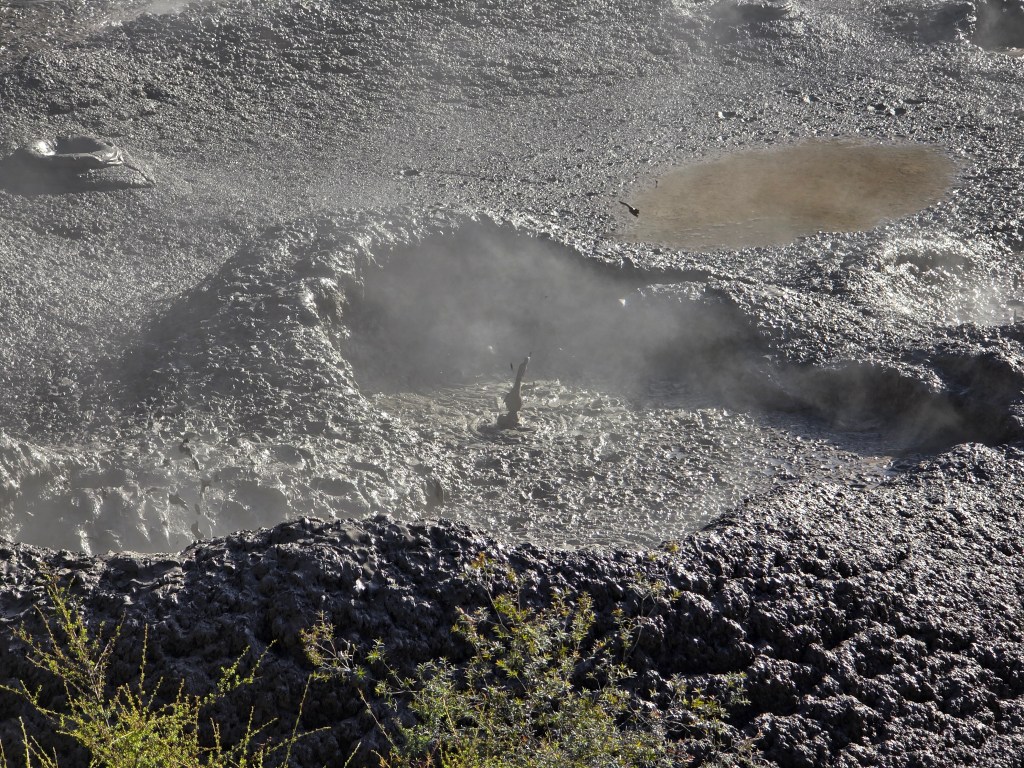
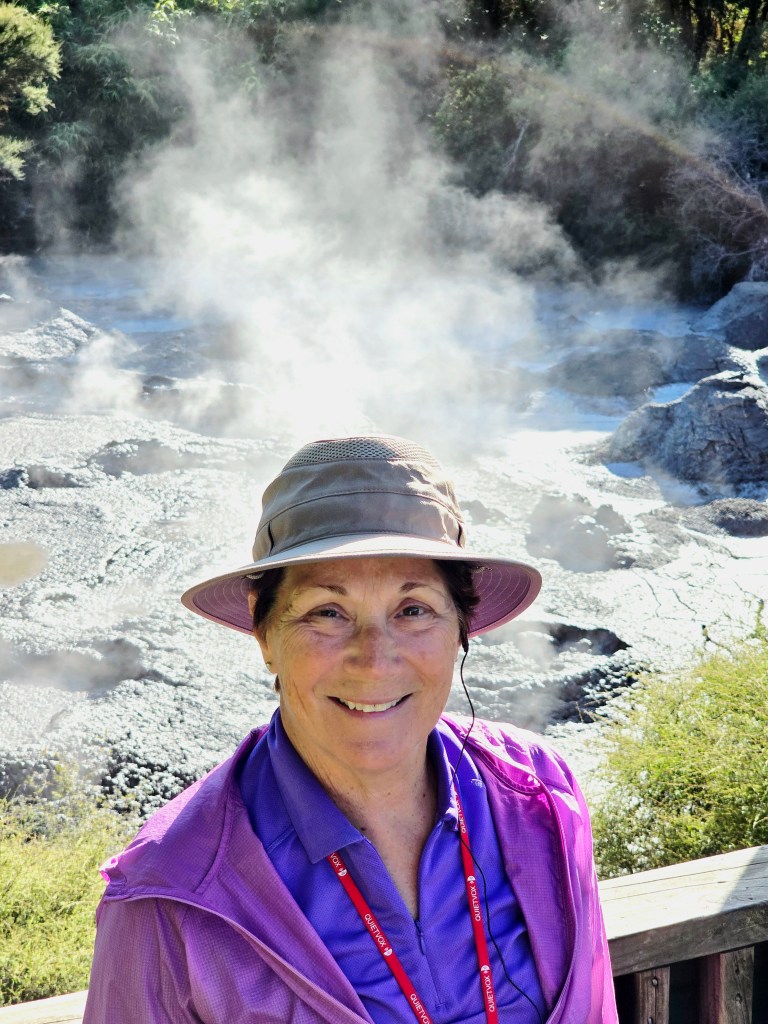
Rotorua, located on the shores of Lake Rotorua is nicknamed the “Sulphur City.” It is a thermal wonderland and it is also an important center of Maori culture.
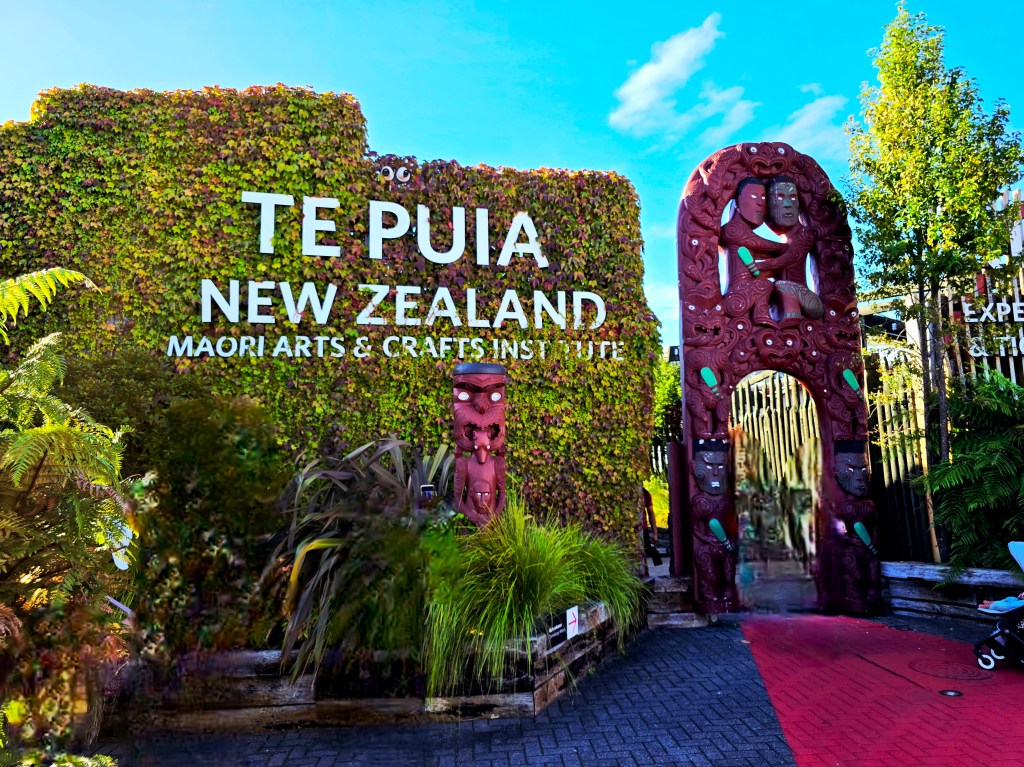
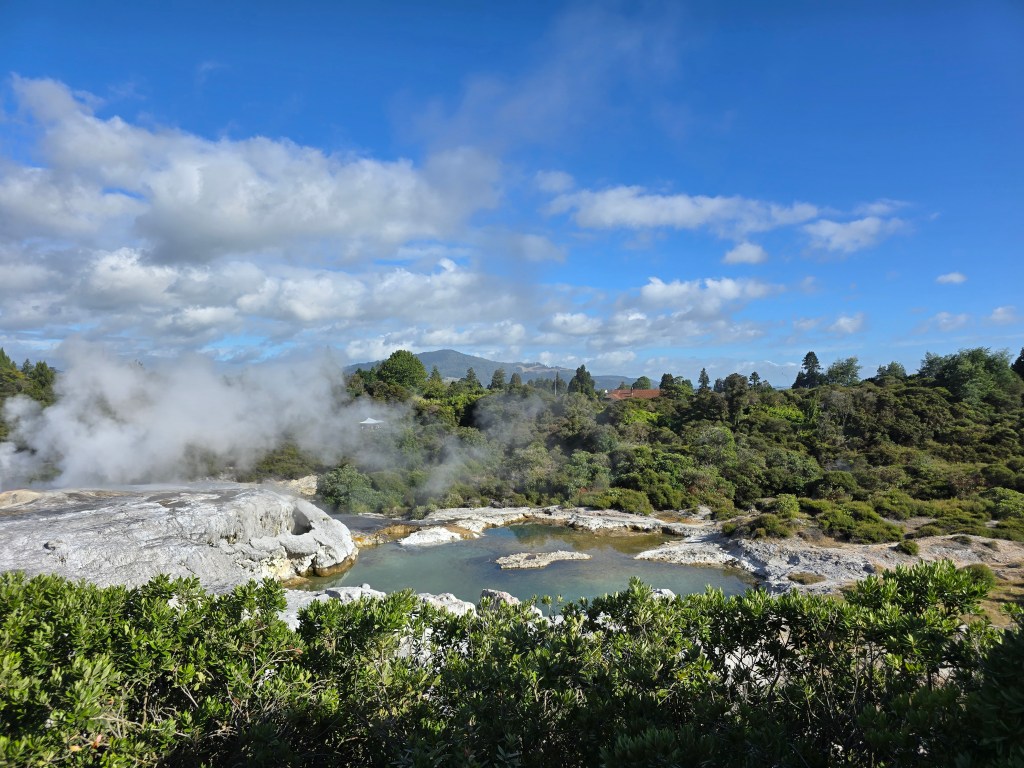
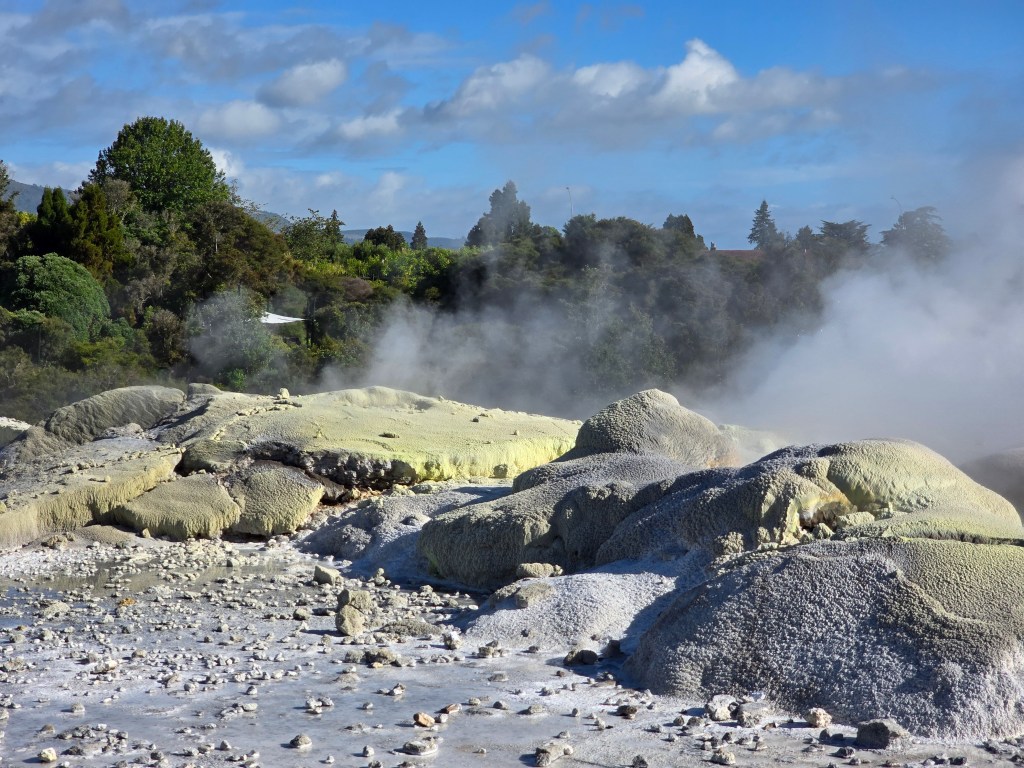
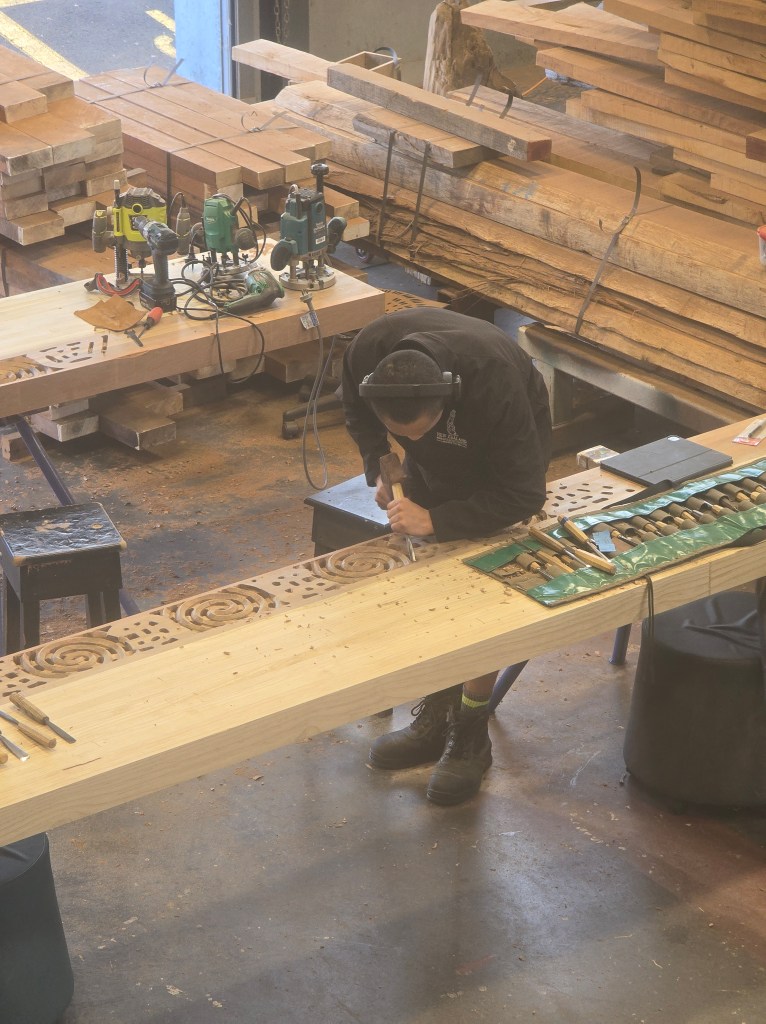
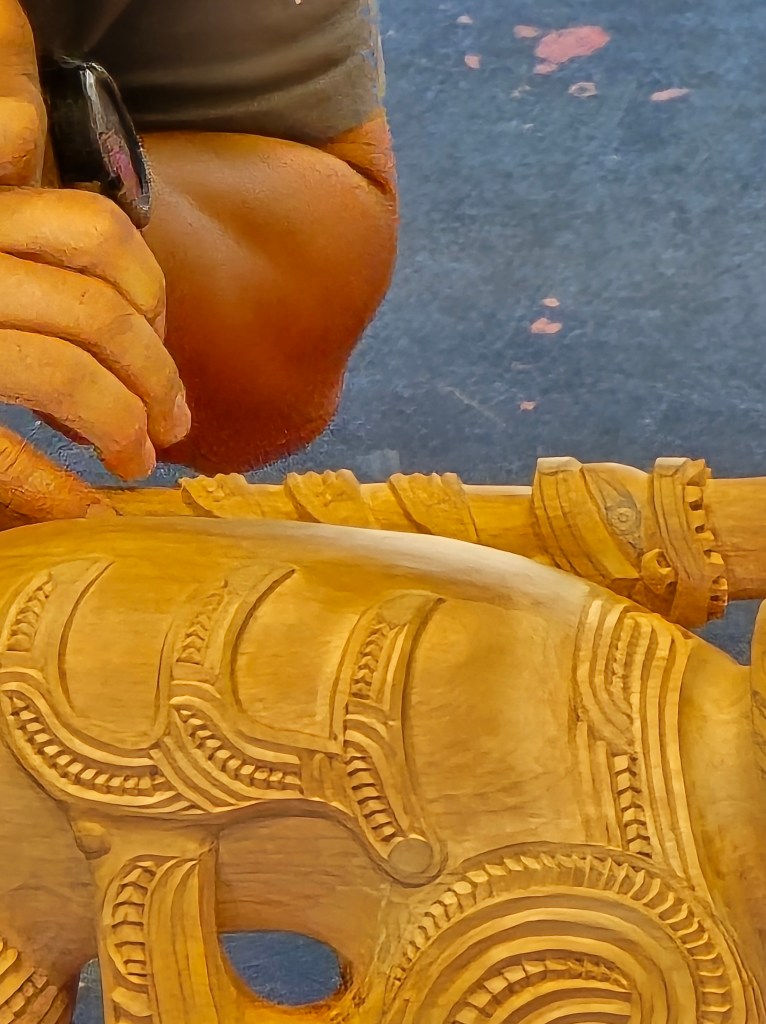
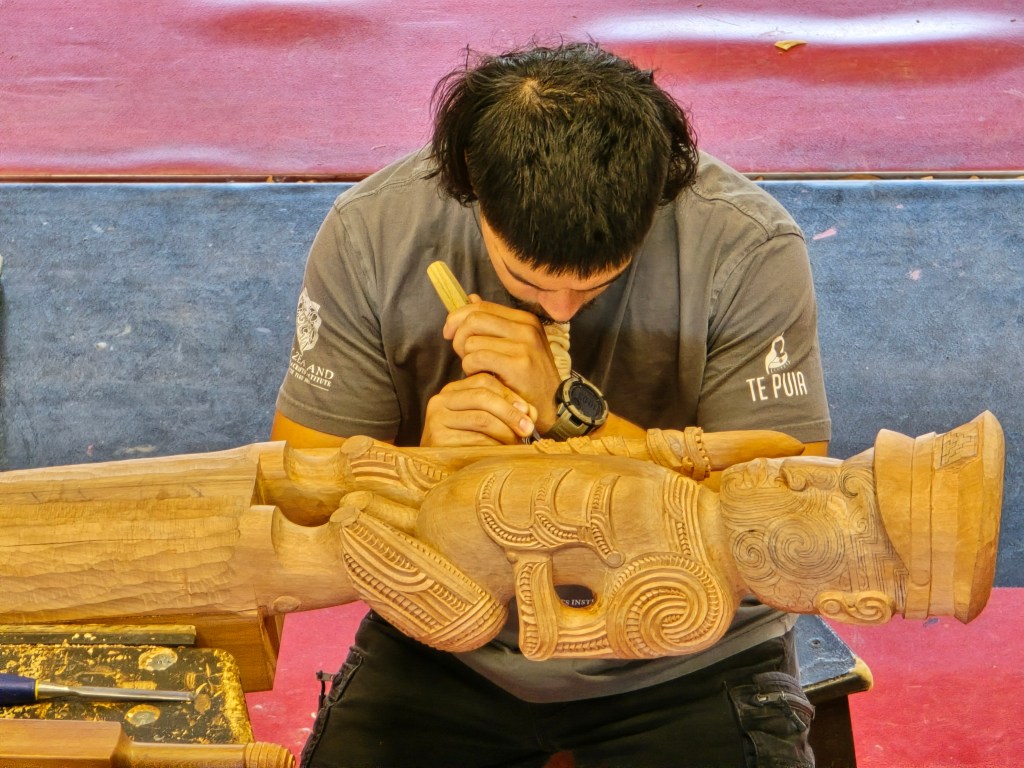
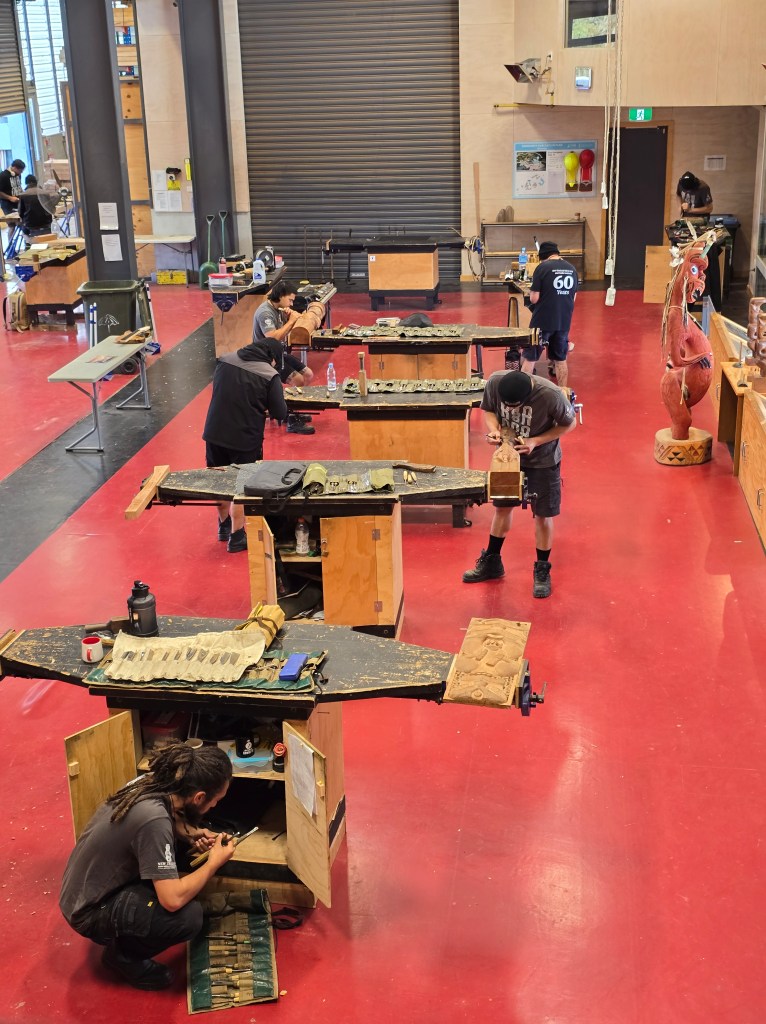
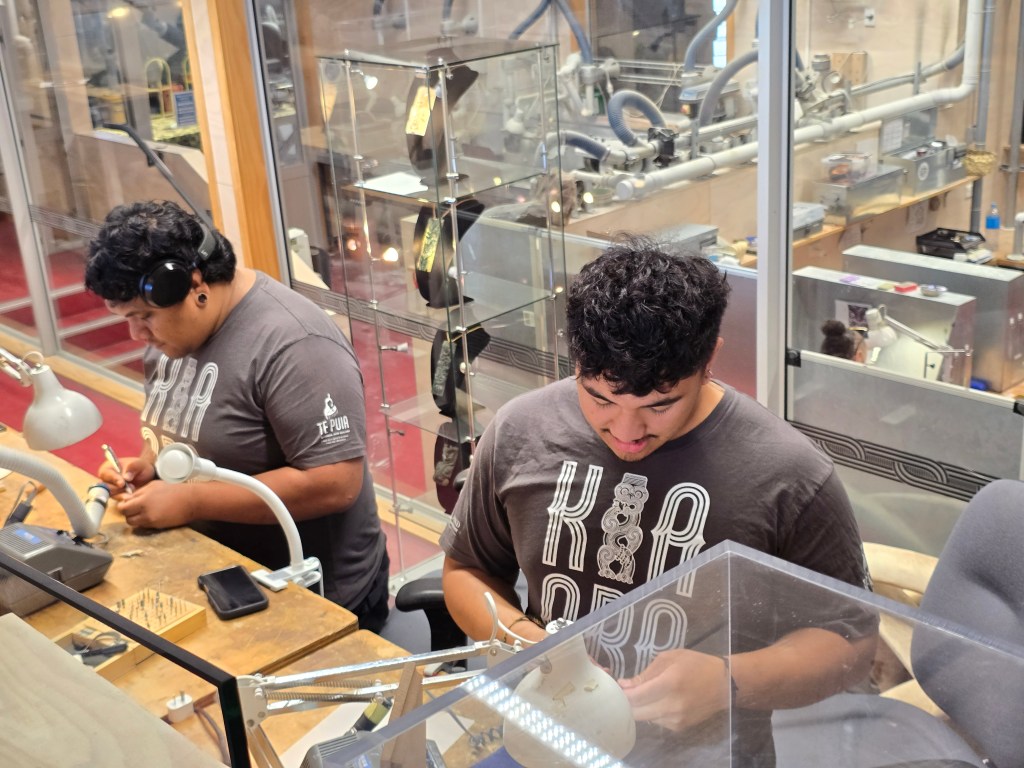
We ventured to Te Puia, the New Zealand Maori Arts and Crafts Institute. Here
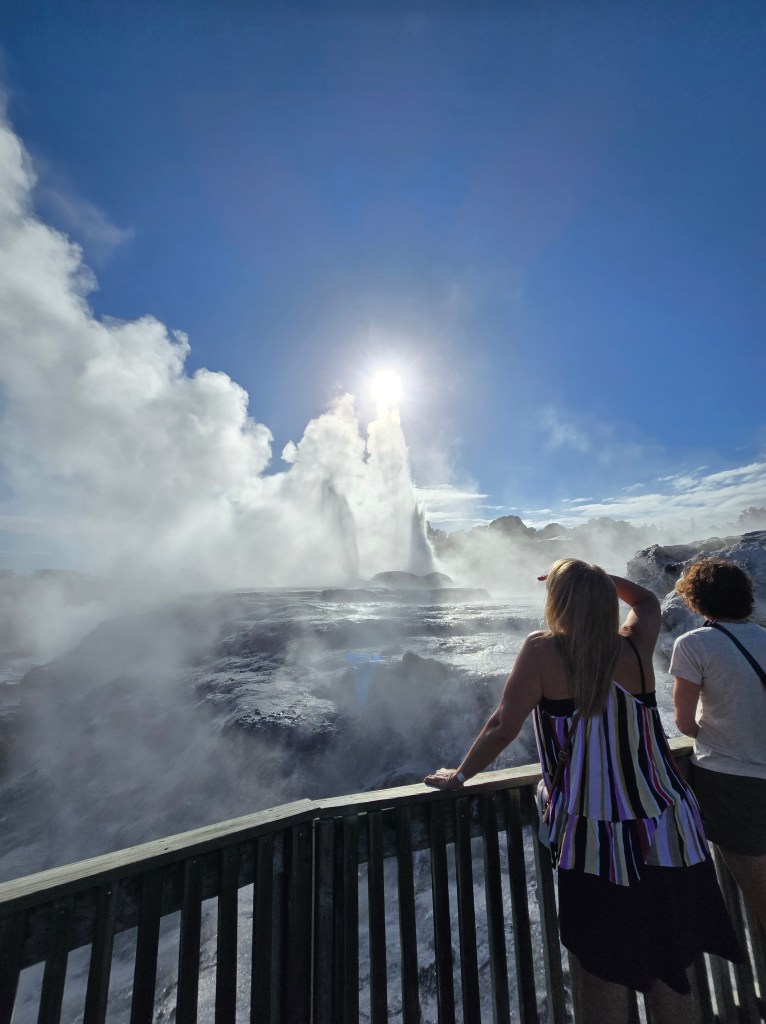
we viewed the Whakarewarewa thermal area, renowned for its boiling mud pools
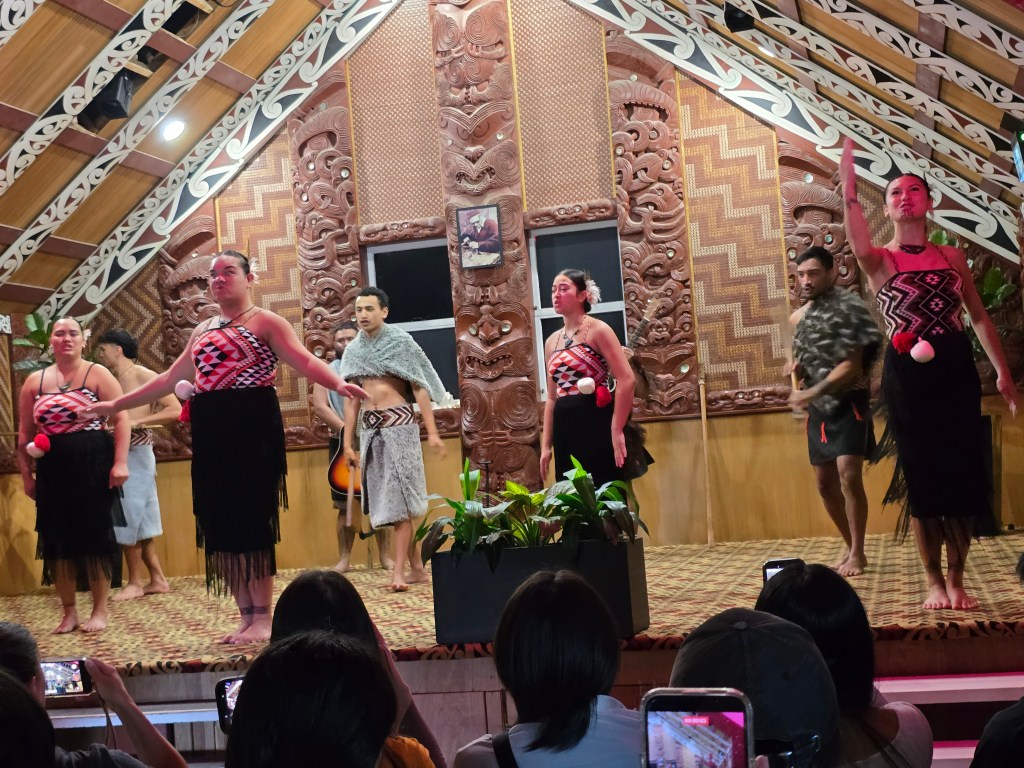
and the spectacular Pohutu geyser. We learned about the role the institute plays in encouraging young Maori to train in the traditional Maori arts and crafts: carving wood and stone, weaving, and traditional building techniques. We had a cultural performance that included the powhiri (welcome), a performance of waiata (songs) and the traditional poi and haka (war dance). It was impressive seeing the younger adults of this area who have embraced their Maori culture and are living it.
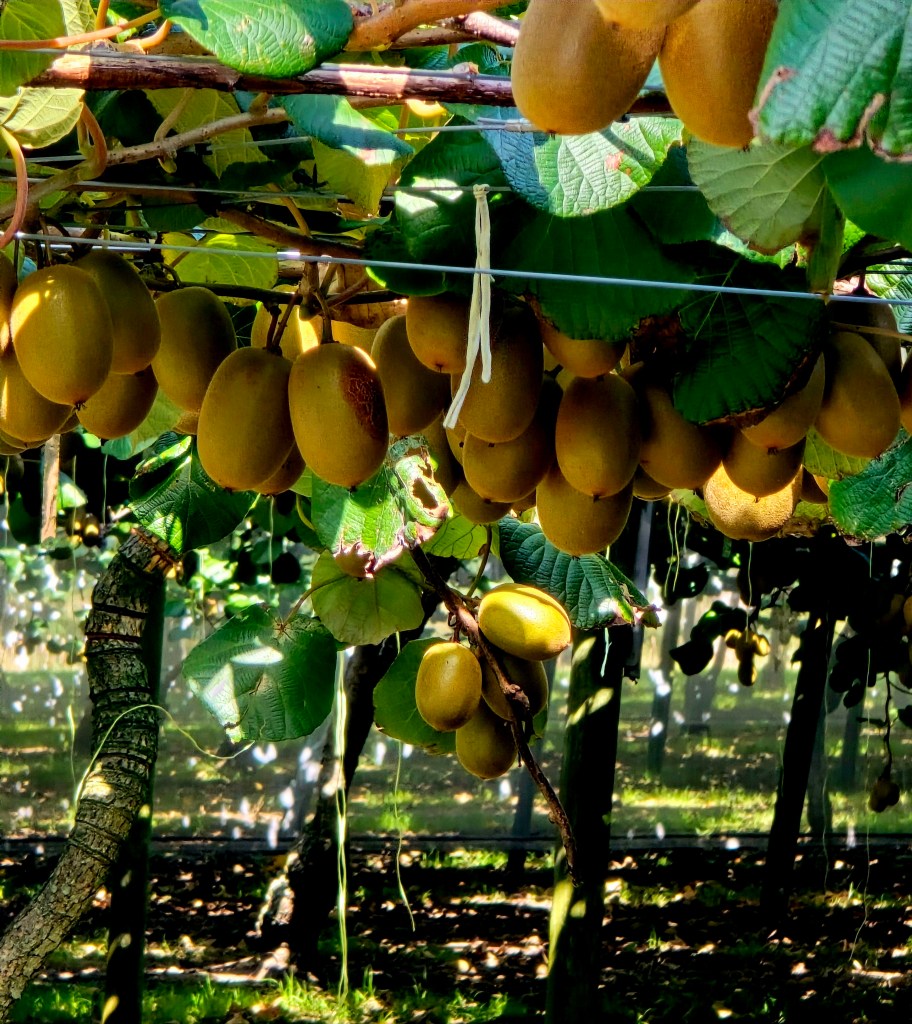
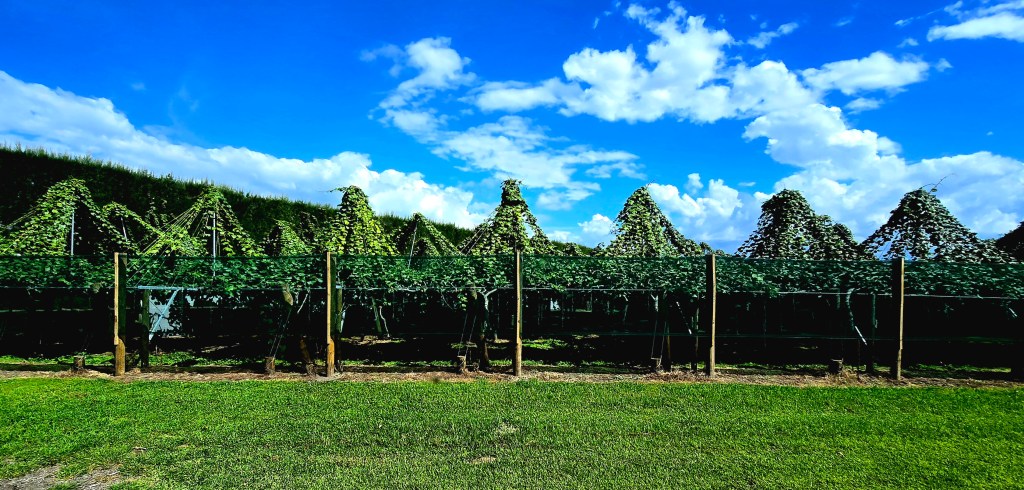
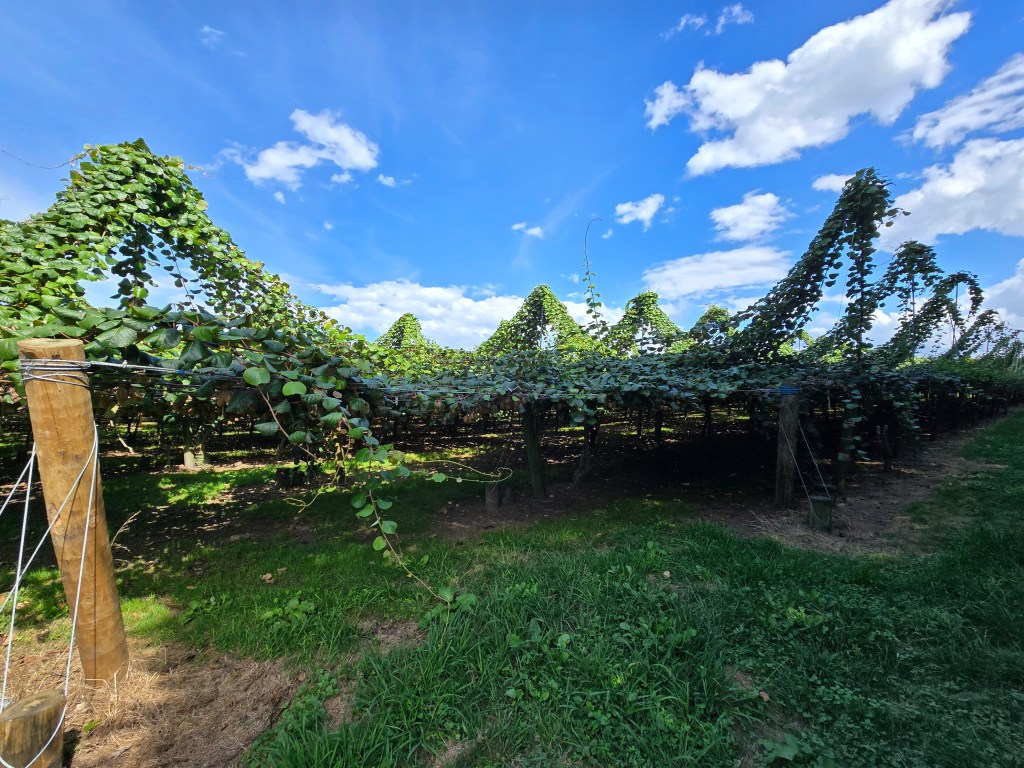
As we traveled to Te Puia, we passed fields of kiwi plants and learned about this unique fruit and how it is harvested throughout New Zealand. There are three types of kiwis.. green, yellow and red. Harvesting is a labor-intensive, hand-picked process from March to June.
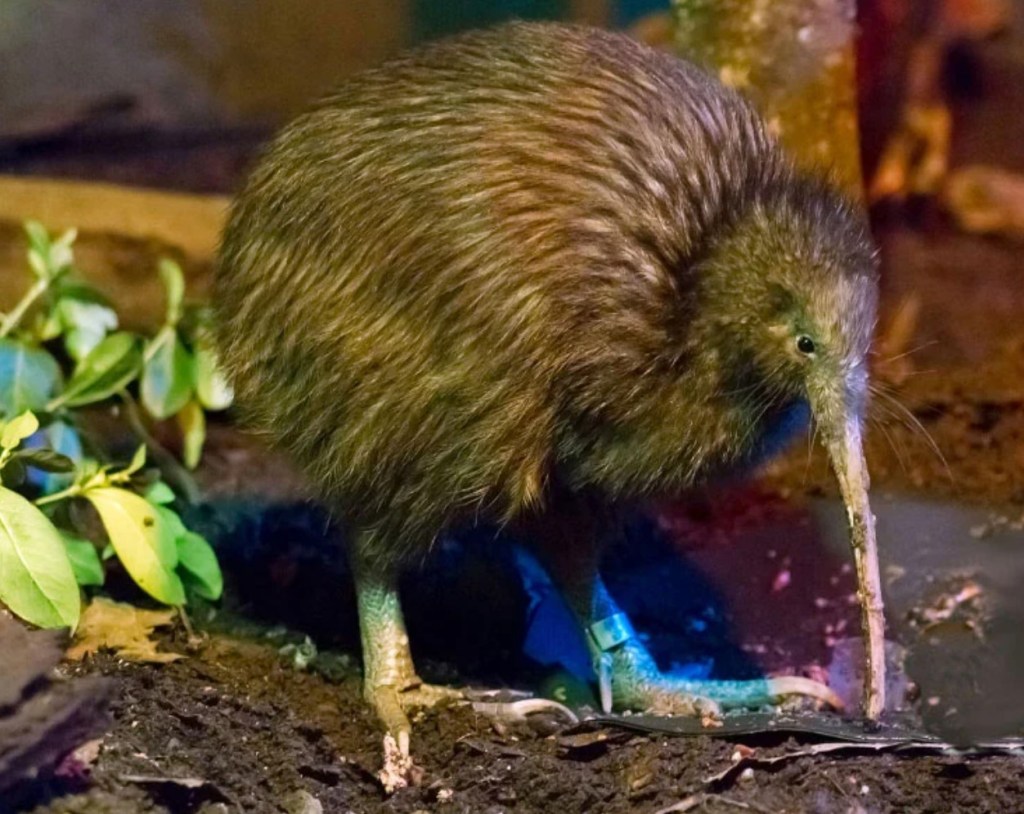
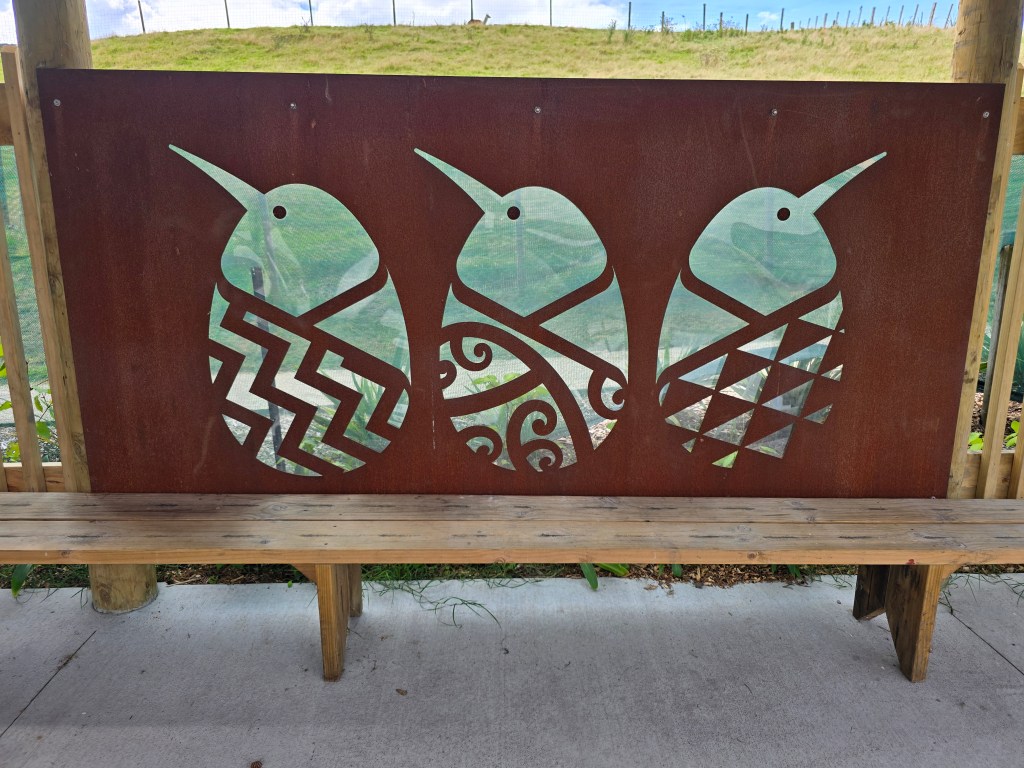
Next up we visited the National Kiwi Hatchery Aotearoa. Here we were introduced to New Zealand’s endangered national bird the Kiwi. The focus of the kiwi hatchery is rearing young kiwi chicks until they are large enough to be released into the wild. Kiwi are flightless birds, nocturnal, have short and stout legs, and use their nostrils at the end of their long beak to detect prey before they see it. We were only able to see the kiwi in the dark and it was hard to decipher what they actually look like, and no photos were allowed. Found this one on the internet to share.
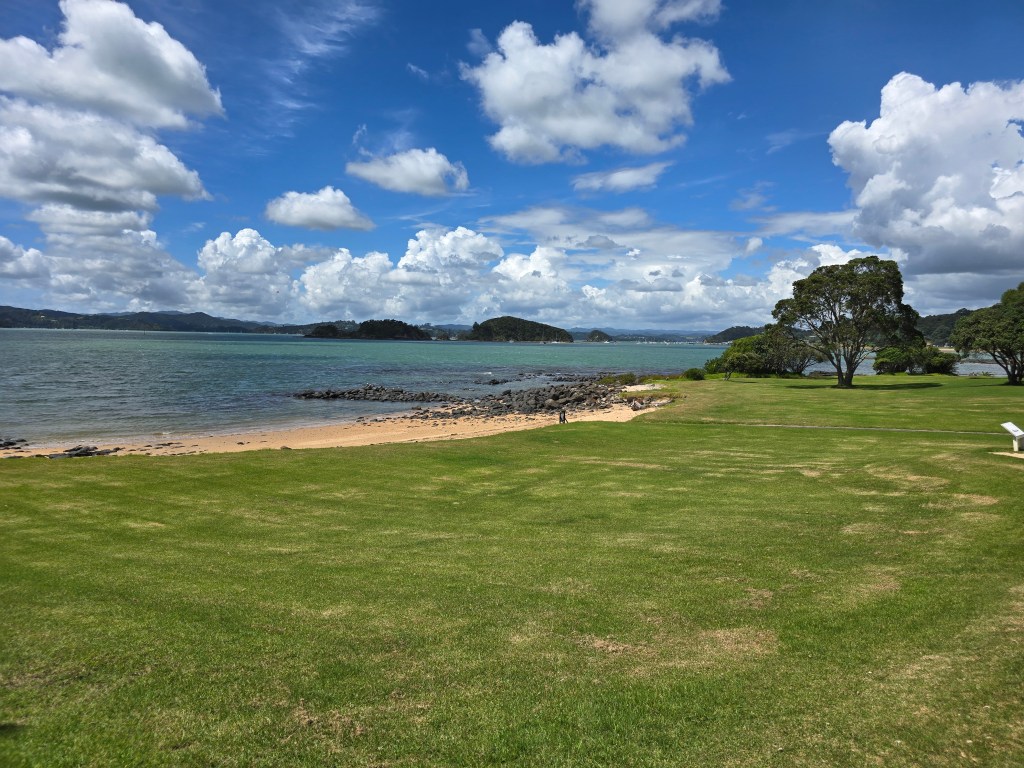
The Bay of Islands is a beautiful place to visit. We had to take a tender to shore…we were crammed in with about 50 other people on the trip over. Tenders are the life boats that are on board the cruise ship. They launch about 4+ and run them to shore and back every 30 minutes or so.
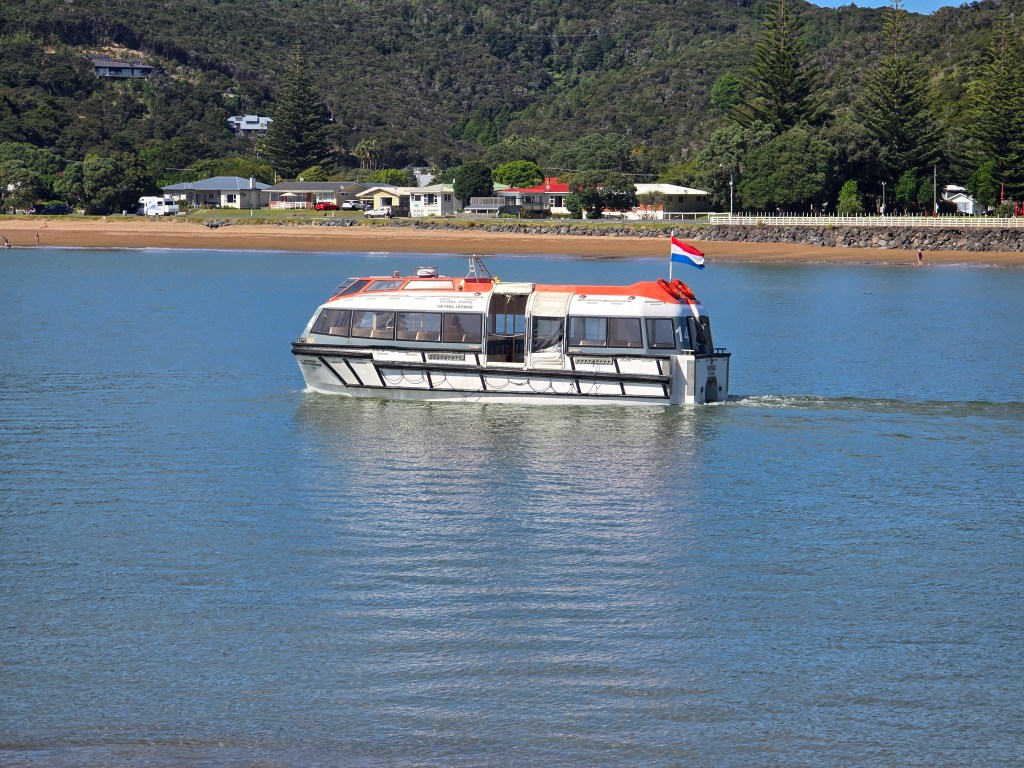
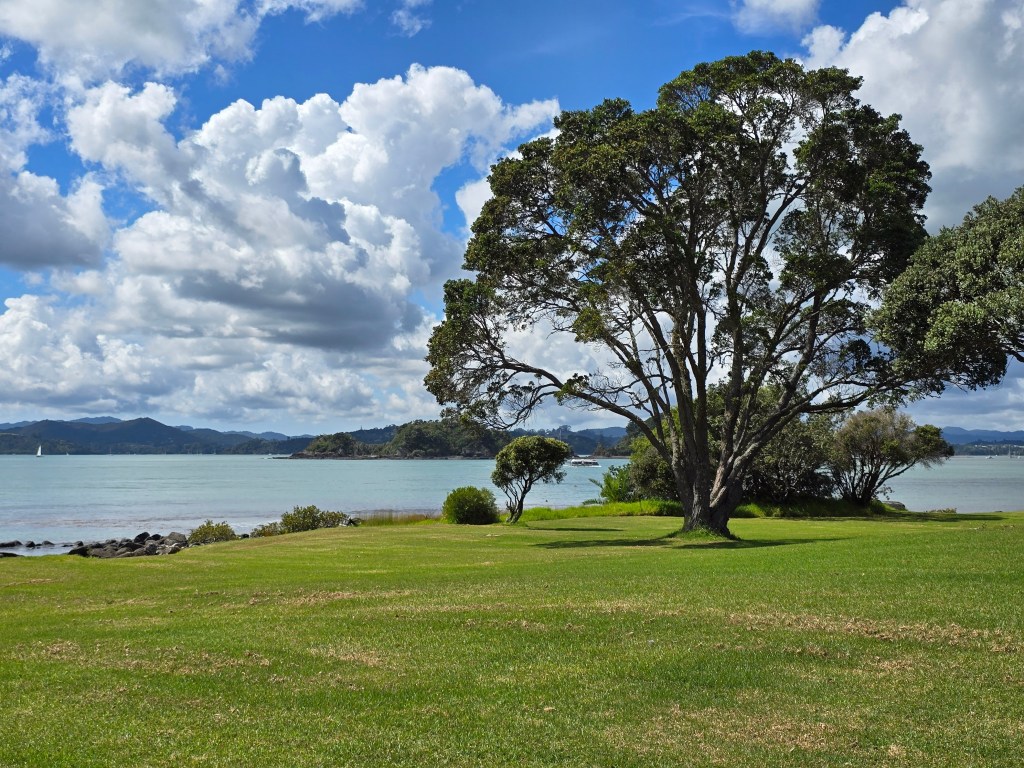
The Bay of Islands is an area on the east coast of the Far North District of the North Island of New Zealand and consists of 144 islands. We entered Waitangi bay where the Waitangi Treaty Grounds are located. The treaty grounds is the place where much of New Zealand’s history was shaped through the signing of the Declaration of Independence in 1835 and the Treaty of Waitangi in 1840. It is often called the birth place of New Zealand.
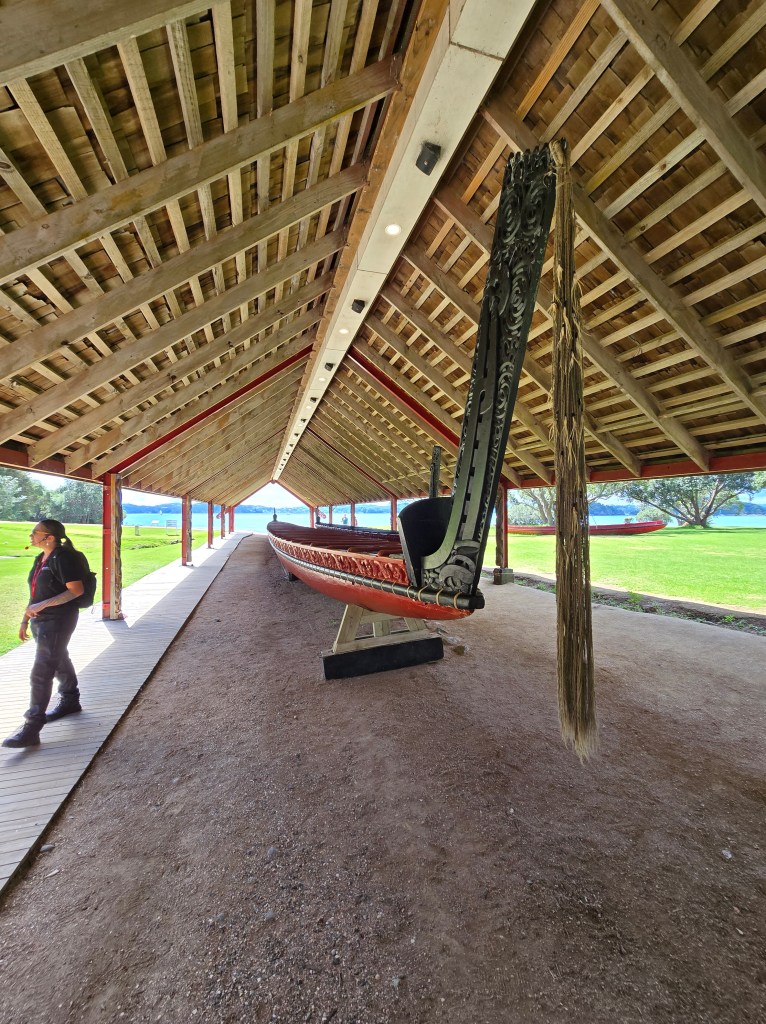
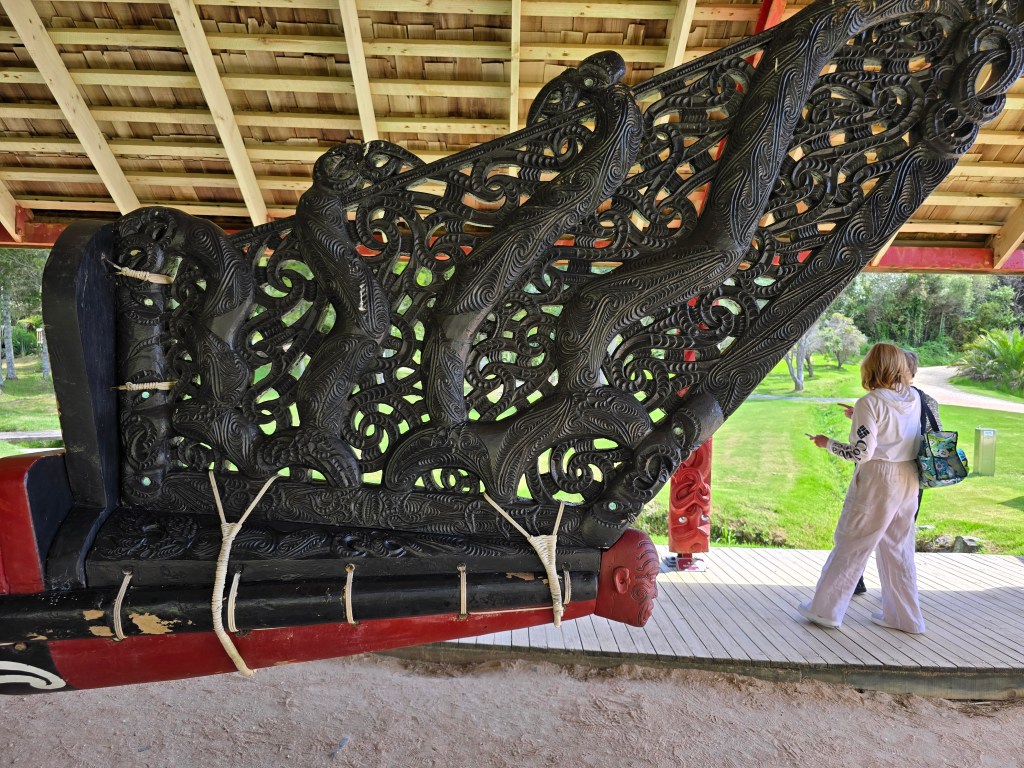
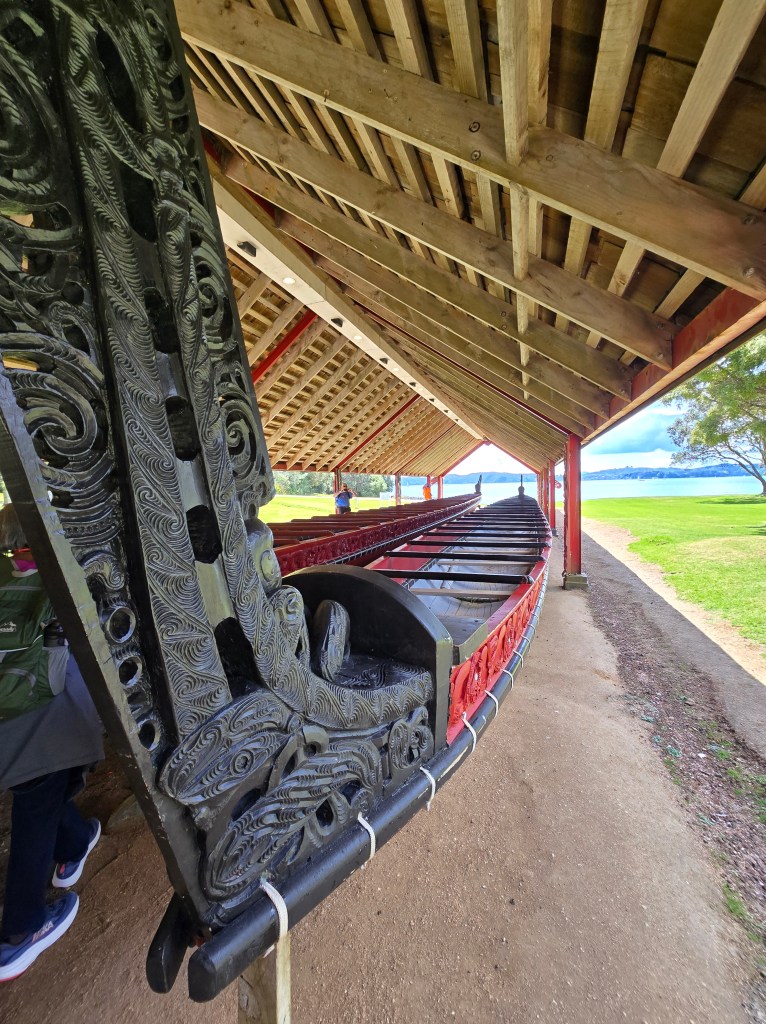
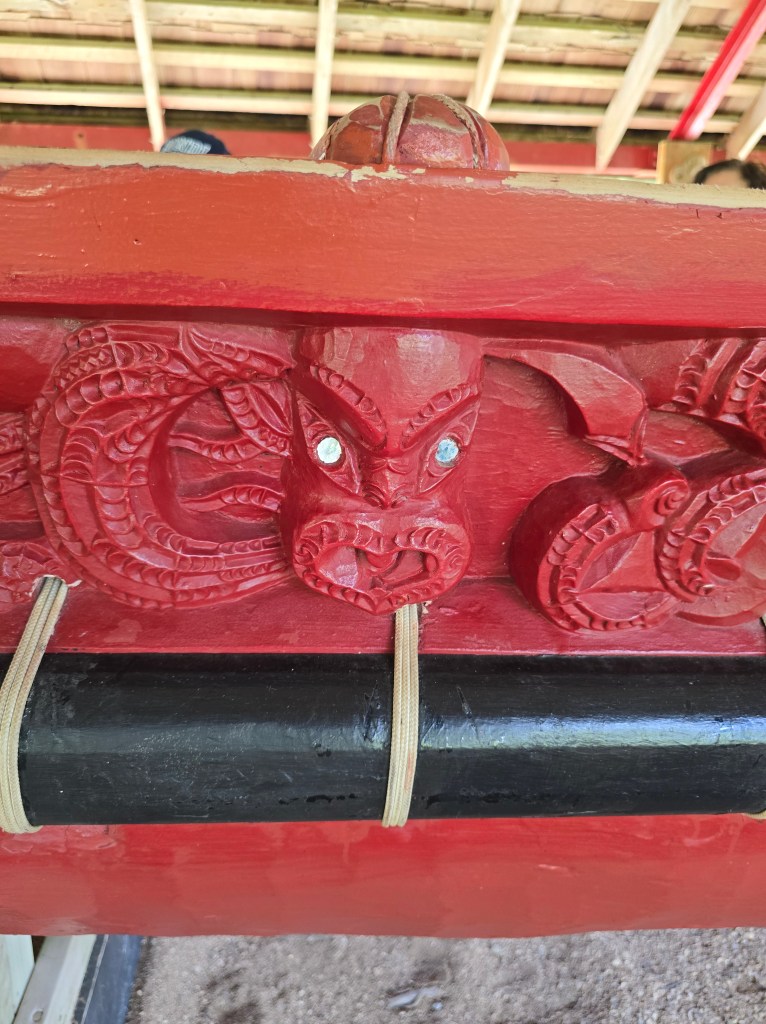
Located on the treaty grounds is the world’s largest ceremonial war canoe, or waka. It is 115 feet long and takes a minimum of 76 paddlers to handle it safely on the water and it’s 86 years old. They use it once a year as part of the Waitangi Day celebrations. The Flagstaff marks the spot where the treaty was first signed in 1840. The flags flying are the first three official flags of New Zealand … The Flag of the United Tribes of New Zealand, the Union Flag and the New Zealand Flag.
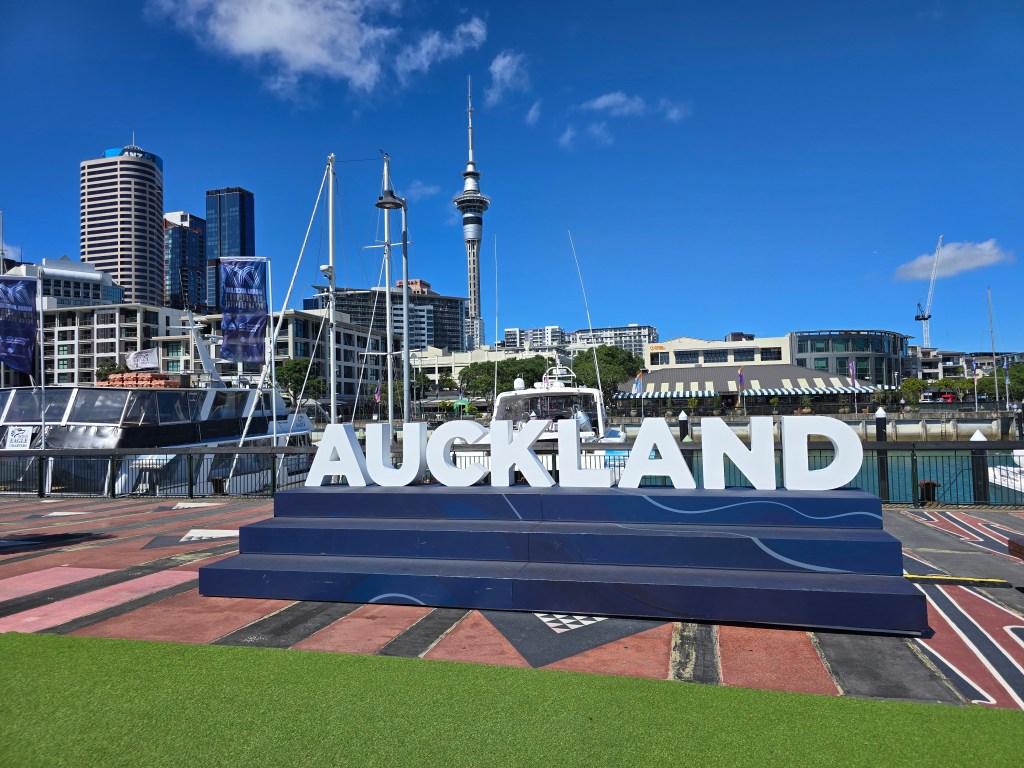
We disembarked from our ship in Auckland. The cruise portion is over and we spend the remainder of the day exploring the “city of sails”. Auckland is the largest city in New Zealand, and over one-third of all New Zealanders live in the greater Auckland area. A third of the city’s population is born outside New Zealand.
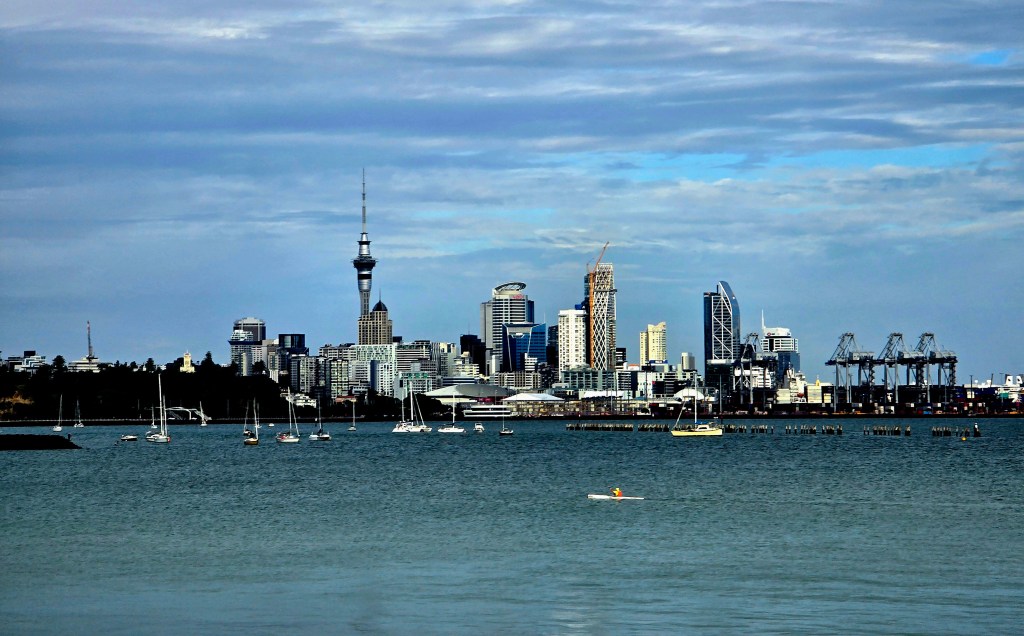
We visited Bastion Point, which is a coastal piece of land in Ōrākei, Auckland, overlooking the Waitematā Harbour. The area is significant in New Zealand history as the site of protests in the late 1970s by Māori against forced land alienation by Pākehā. The views of Auckland were amazing from this point on the beautiful blue sky day.
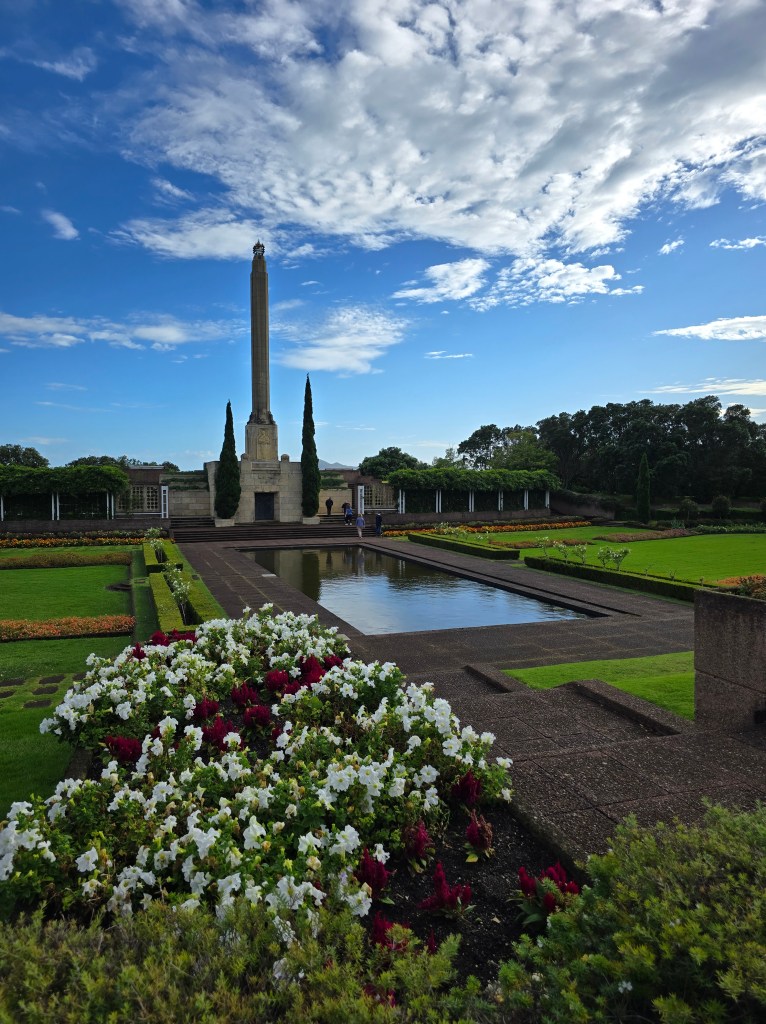
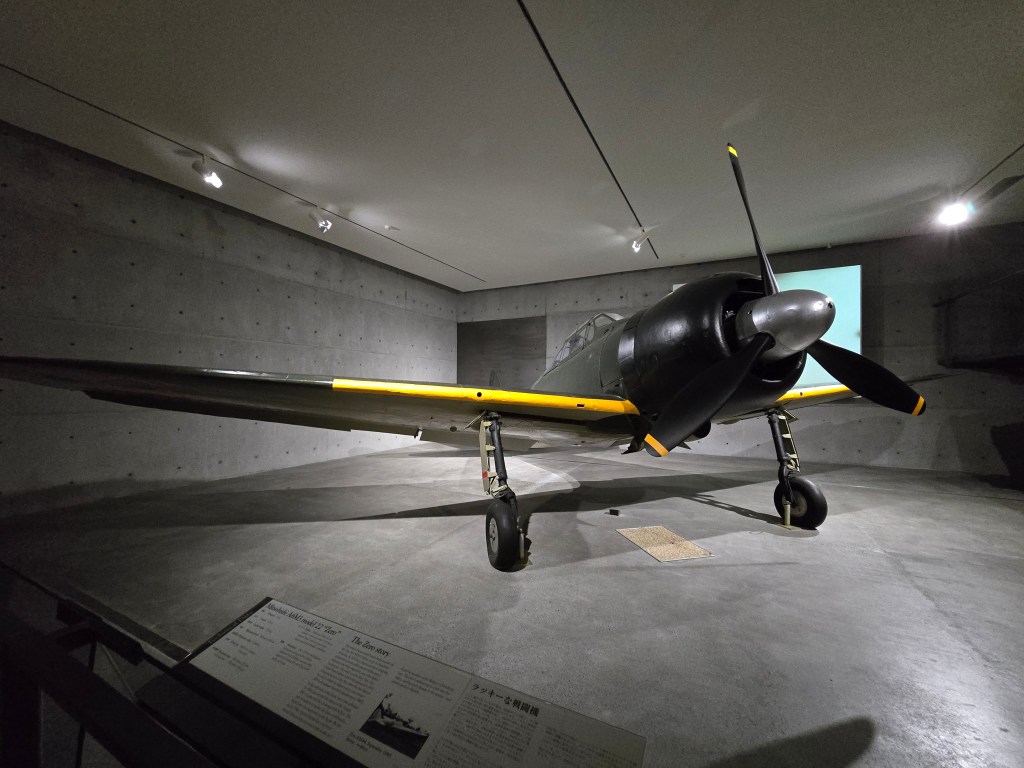
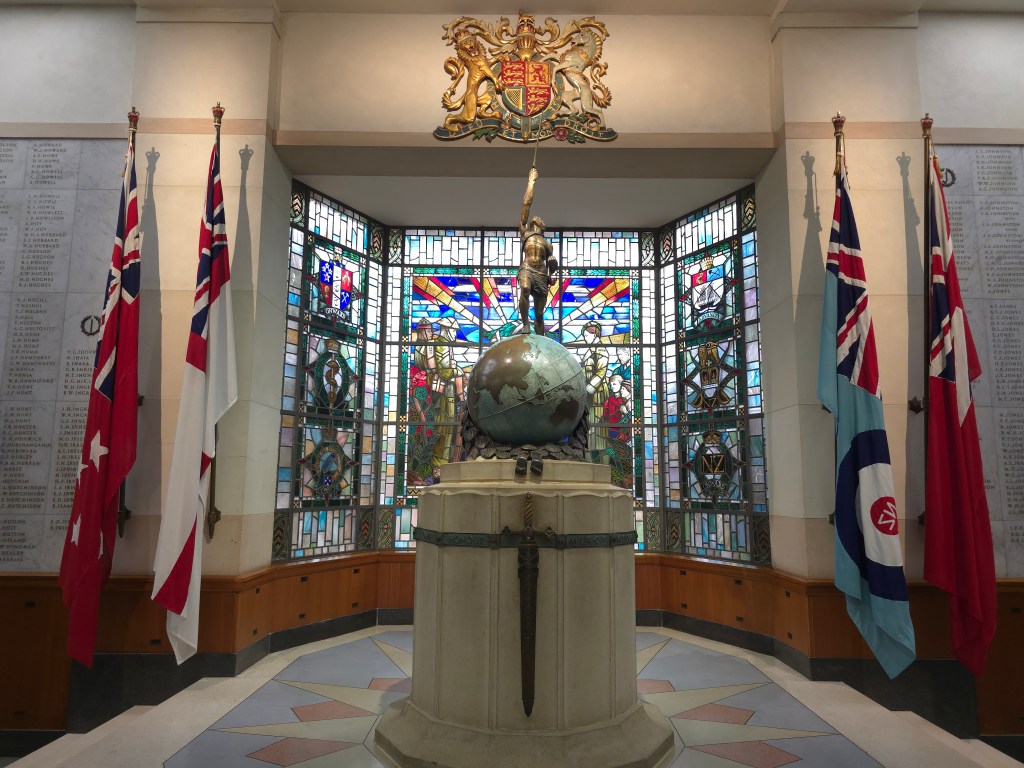
Next on the agenda was the Auckland Museum. This is one of New Zealand’s most important museums and war memorials. Its neoclassical building constructed in the 1920s and 1950s, stands on Observatory Hill, the remains of a dormant volcano in Auckland. This historic museum had so much to see and we didn’t have enough time to thoroughly explore it.
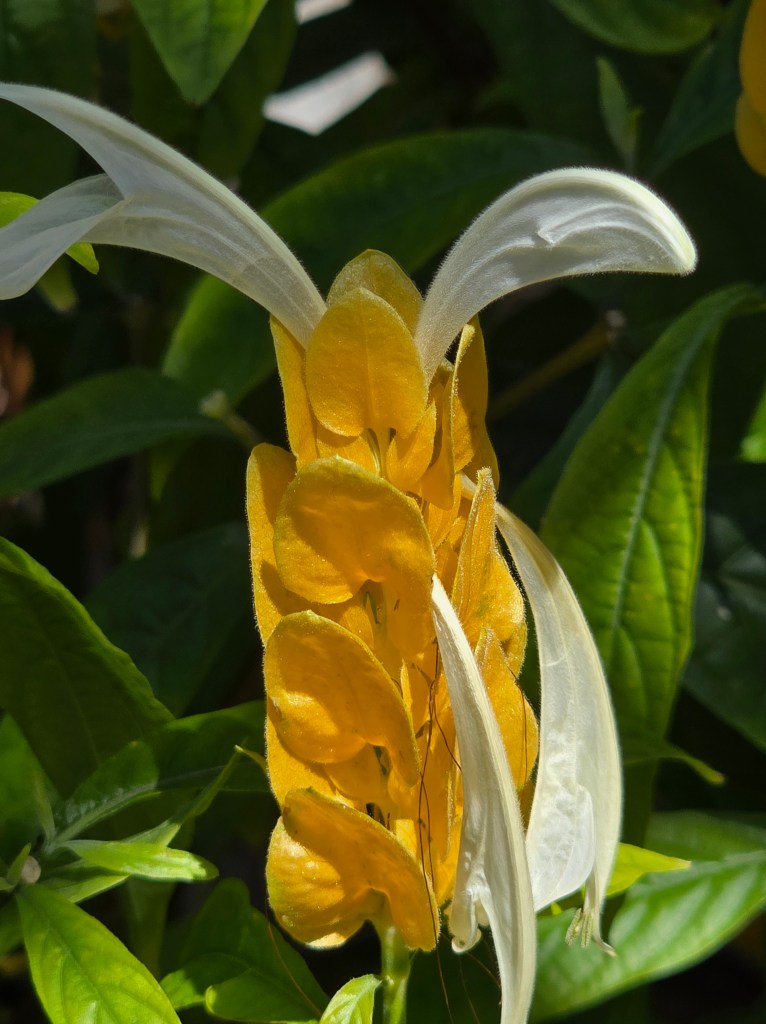
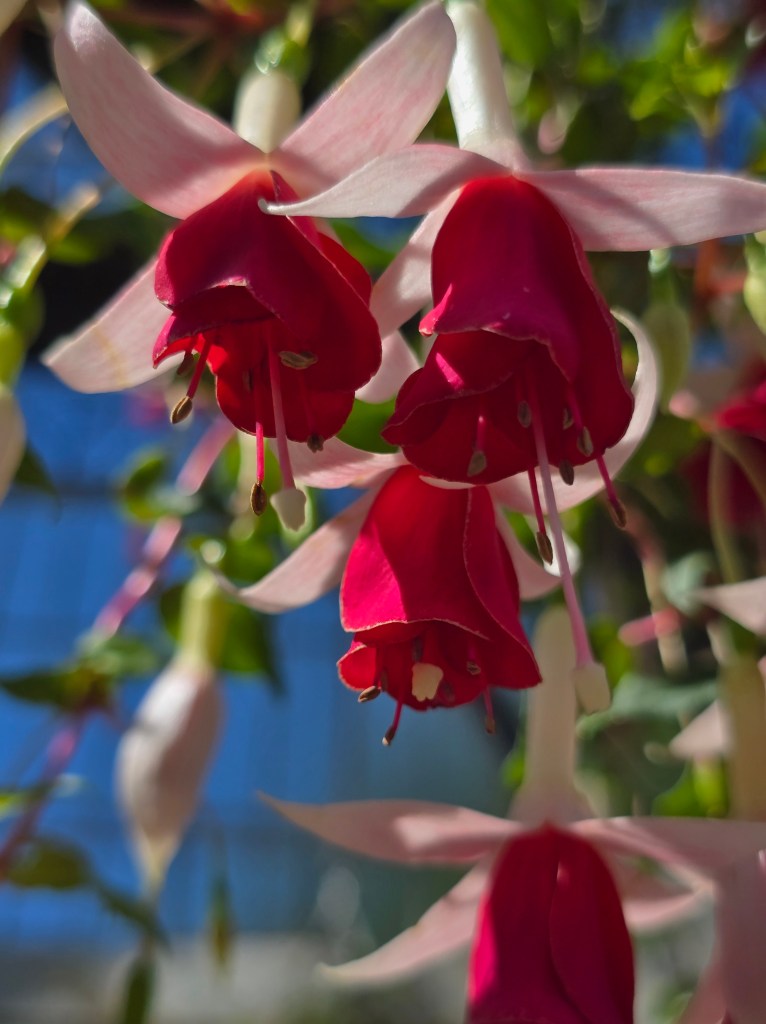
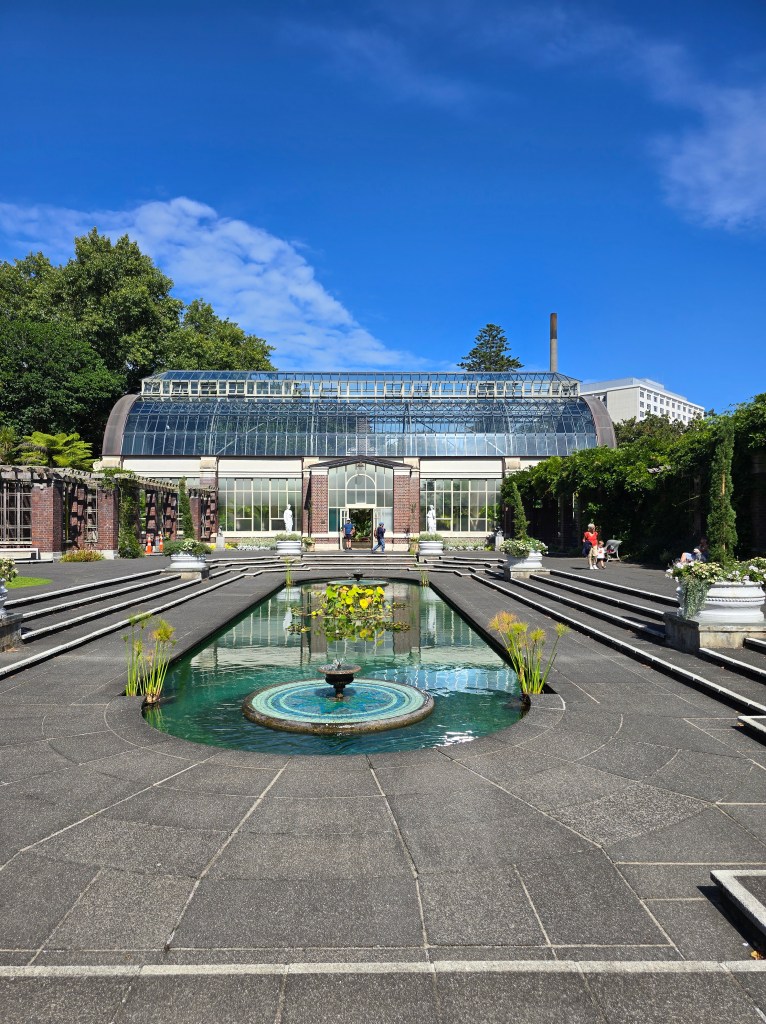
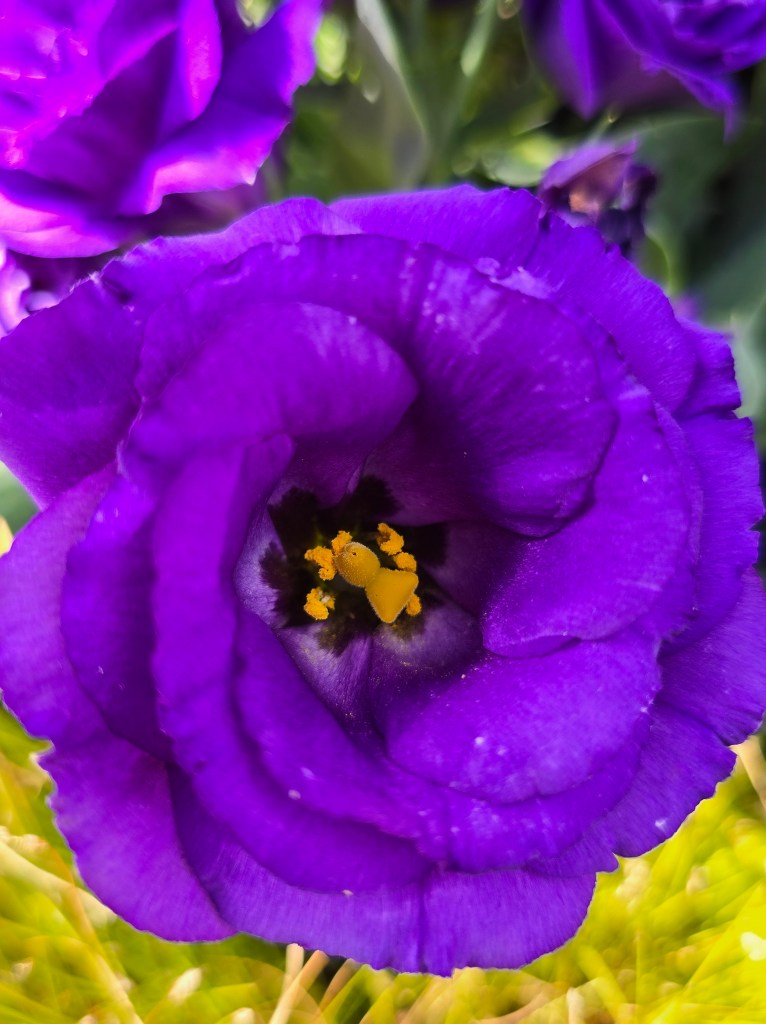
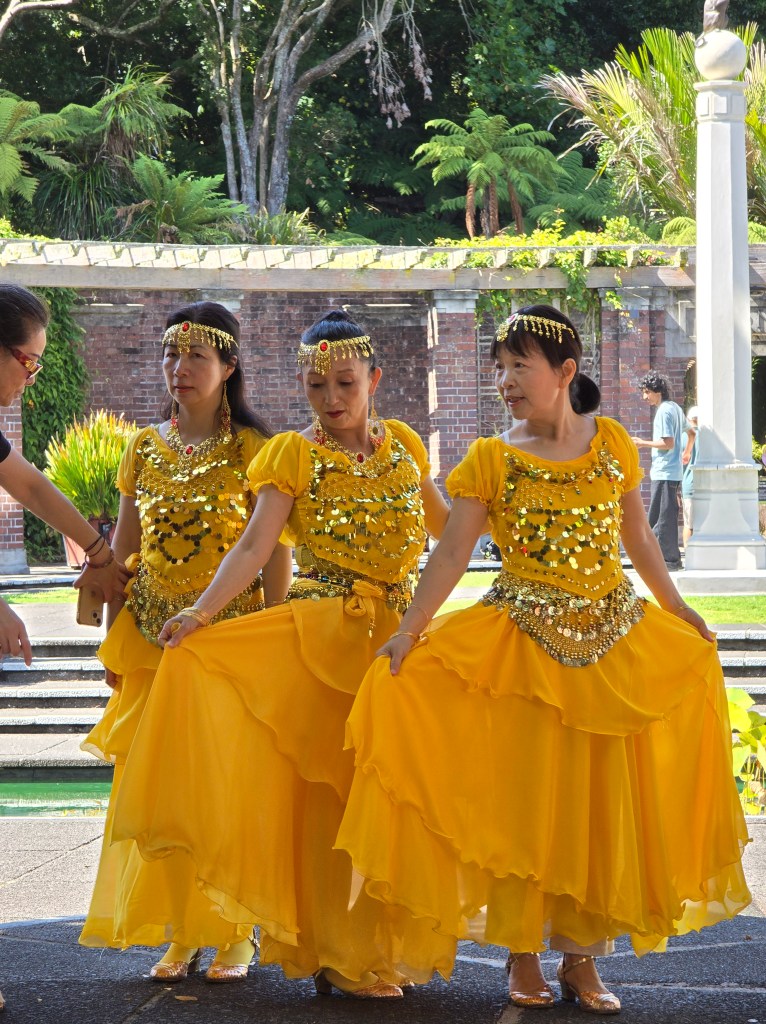
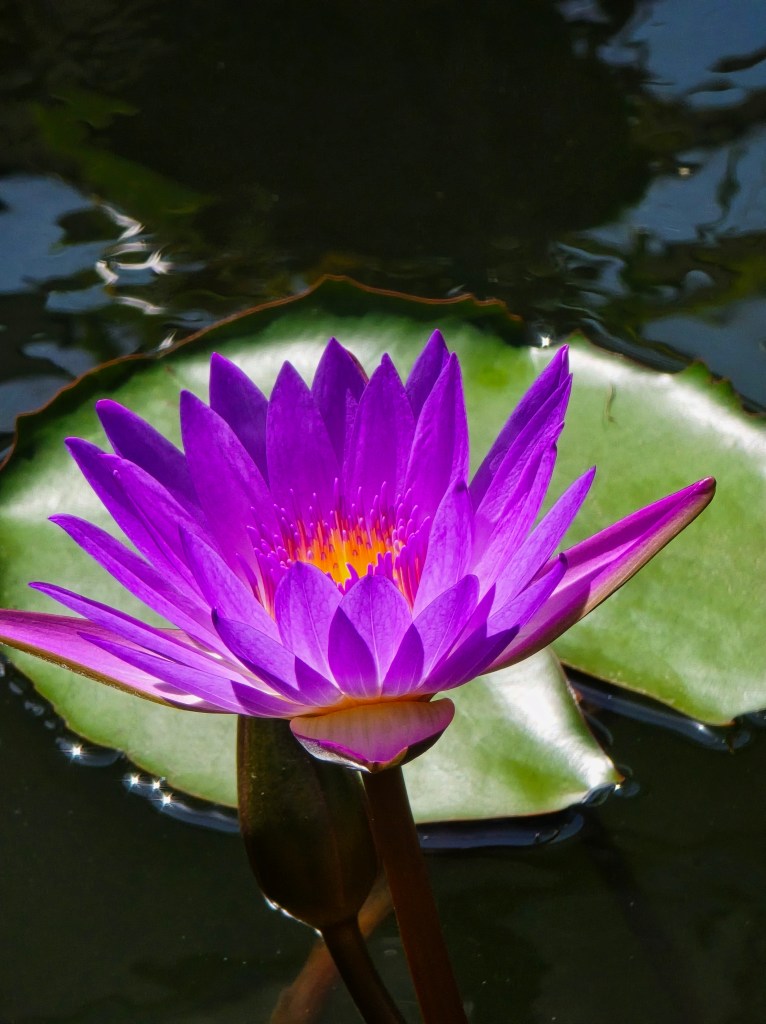
Lastly we did a side trip to a beautiful botanical garden in Auckland. The variety of plants and flowers were amazing. Color’s were so vibrant!
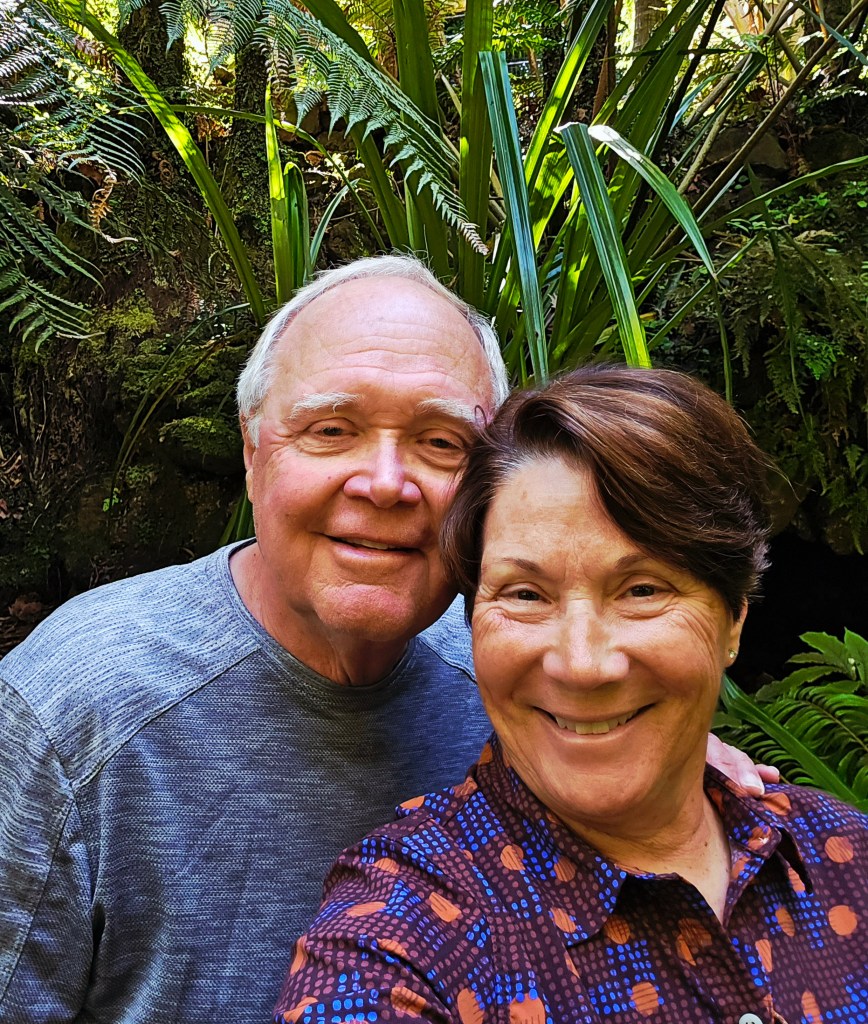
Fourteen days on a cruise ship has us ready to do some exploring on land in New Zealand. Next up we spend five days hiking and seeing the northern part of the North Island.

 Adventures of Tin Can Lulu
Leave a comment