
Pisa, Cinque Terre & Siena
From Firenze (Florence) we headed west to Pisa and Cinque Terre (the Italian Rivera). Cinque Terre is a string of centuries-old seaside villages on the rugged Italian Riviera coastline. In each of the 5 towns, colorful houses and vineyards cling to steep terraces, harbors are filled with fishing boats and trattorias turn out seafood specialties along with the Liguria region’s famous sauce, pesto.
Enroute to Cinque Terre we stopped in Pisa. Pisa is a city in Italy’s Tuscany region best known for its iconic Leaning Tower. Already tilting when it was completed in 1372, the 183 foot white-marble cylinder is the bell tower of the Romanesque, striped-marble cathedral that rises next to it in the Piazza dei Miracoli. Also in the piazza is the Baptistry, whose renowned acoustics are demonstrated by amateur singers daily, and the Caposanto Monumentale cemetery.


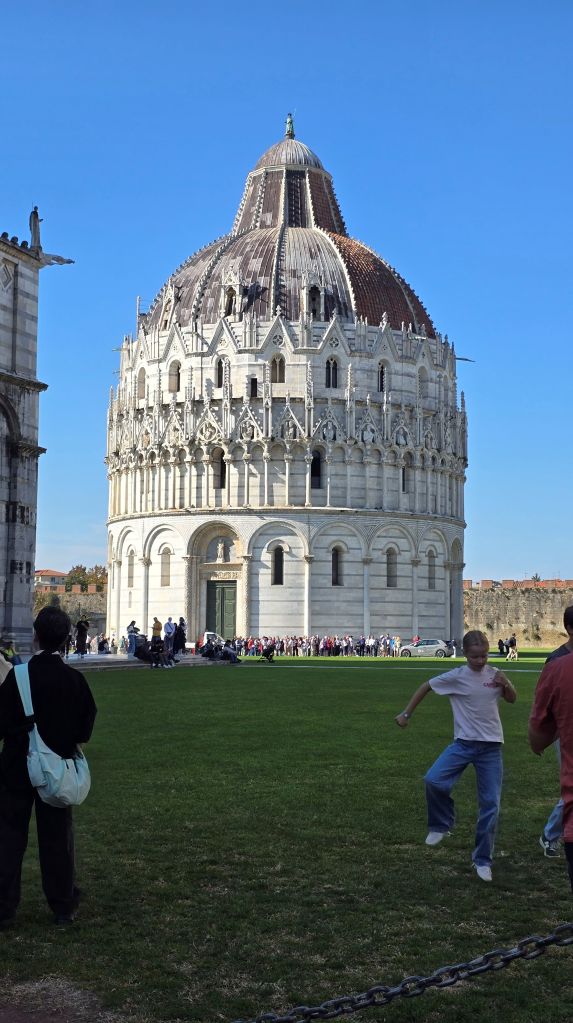

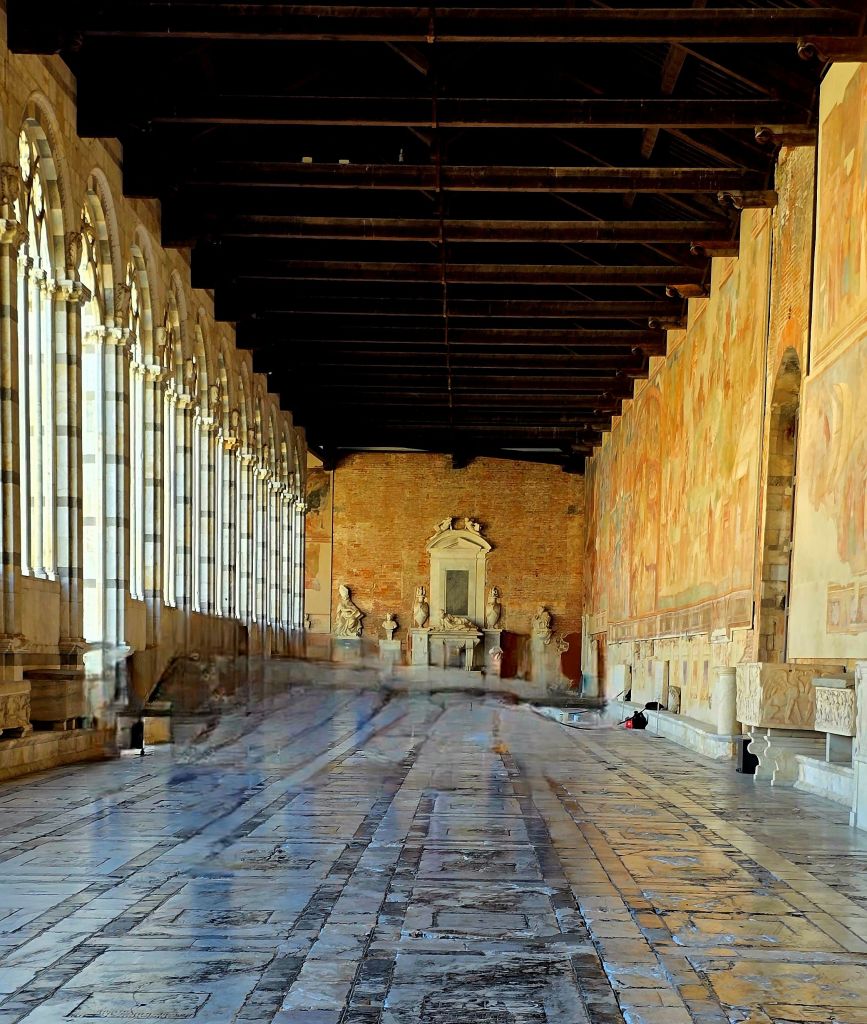

The Leaning Tower of Pisa was amazing. Hard to believe how long it has existed leaning. The tilt began during construction in the 12th century, after the first three stories were built, when the ground settled unevenly, particularly on the south side. Although engineers later tried to compensate by building the upper floors with a slight curve, the tower’s lean continued to worsen before stabilization efforts in the late 20th and early 21st centuries reduced the tilt.
On Rick Steves’ tours you embrace and experience how the locals live in the area. Experiencing the public transportation systems is one part. Due to the location of Cinque Terre, buses cannot get to this area. Dino, our bus driver, dropped us off at the train station for the quick train ride. Nancy advised us to narrow down our luggage as we would also have a walk from the train station to our hotels. So we packed what we needed for two days and slung our carry-on bags over our shoulders and made it!
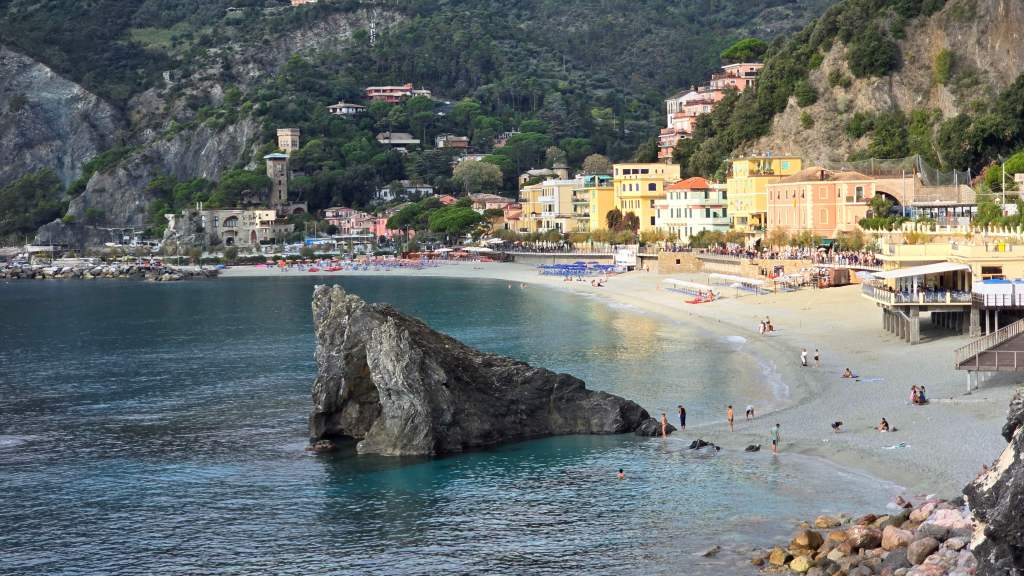
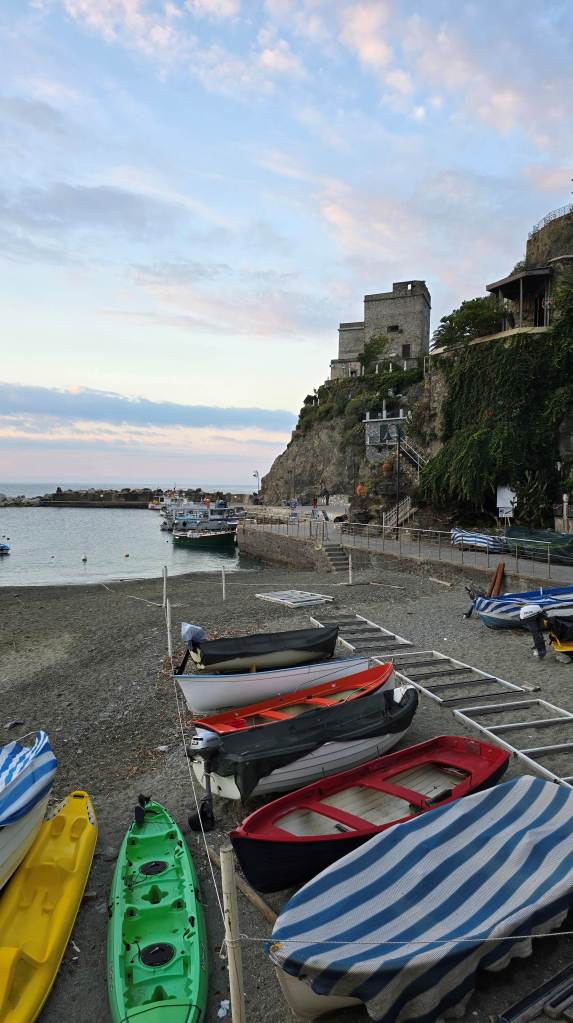
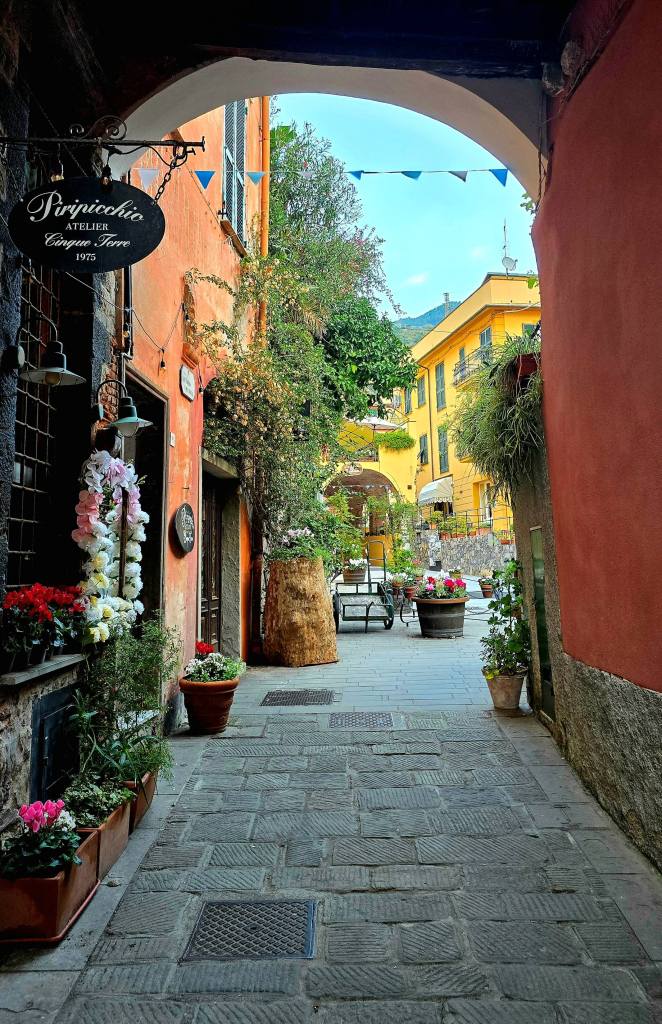
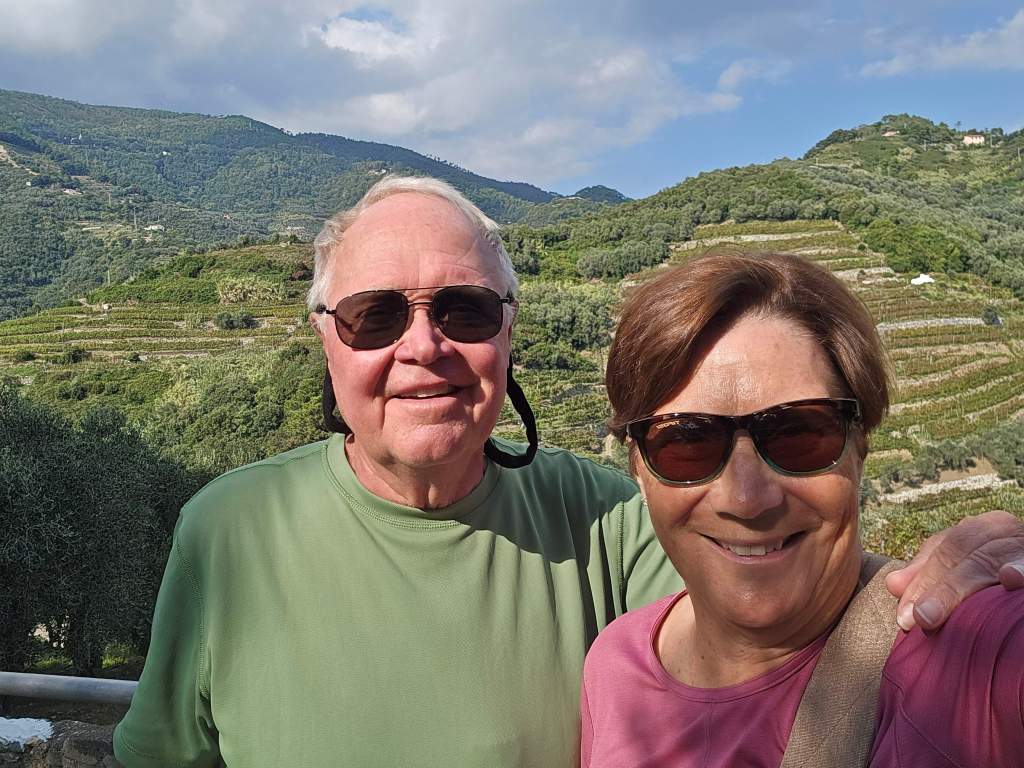
Cinque Terre is exactly like the pictures. We were based in Monterosso al Mare, one of the five towns that make up the Cinque Terre area. The beach at Monterosso runs along most of the coast line. The beach is the only extensive sand beach in the Cinque Terre. The area is famous for its many lemon trees that can be seen throughout Monterosso. It is also renowned for its white wines, grapes, and olives.
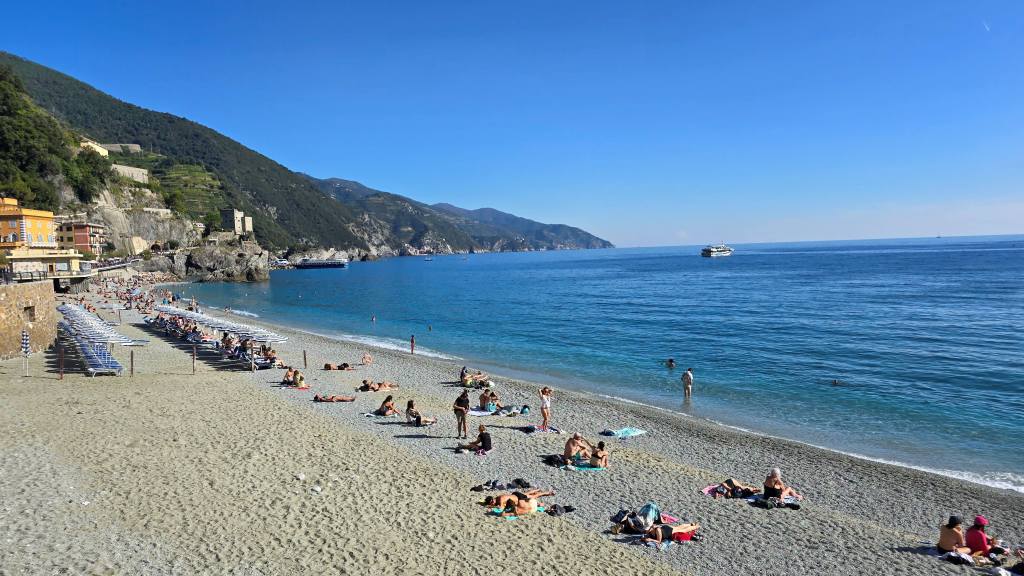
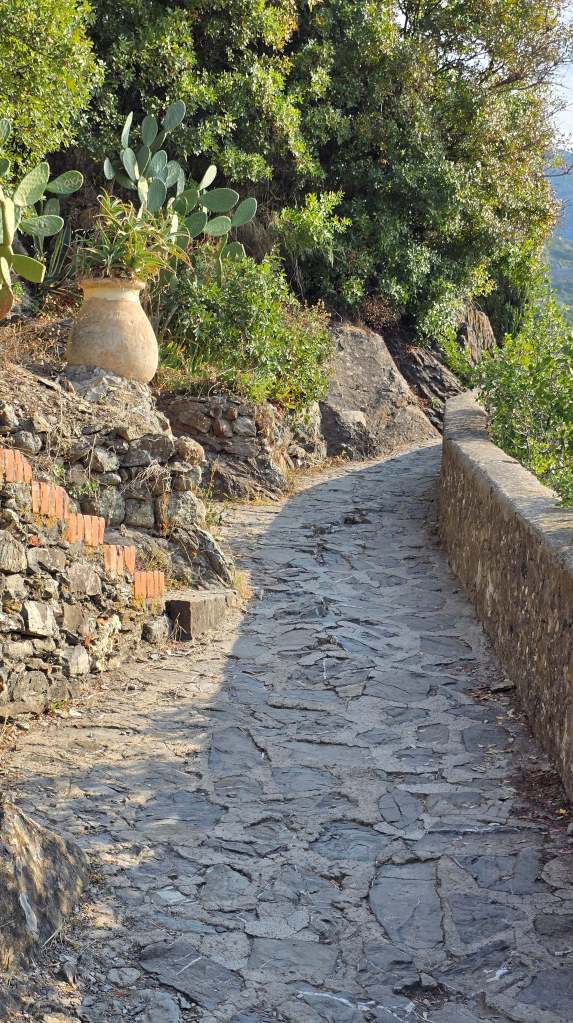
Originally, the village was only accessible by sea or by mule paths that connected the villages of the Cinque Terre and to Via Roma, the main road that connected all of Italy to Rome. These mule paths have been maintained and used over the centuries and now provide hikers with a more intimate view of the sea-swept Cinque Terre. The area was recently designated as part of the national park system and is considered a protected area, to the effect of limited development and resource usage.
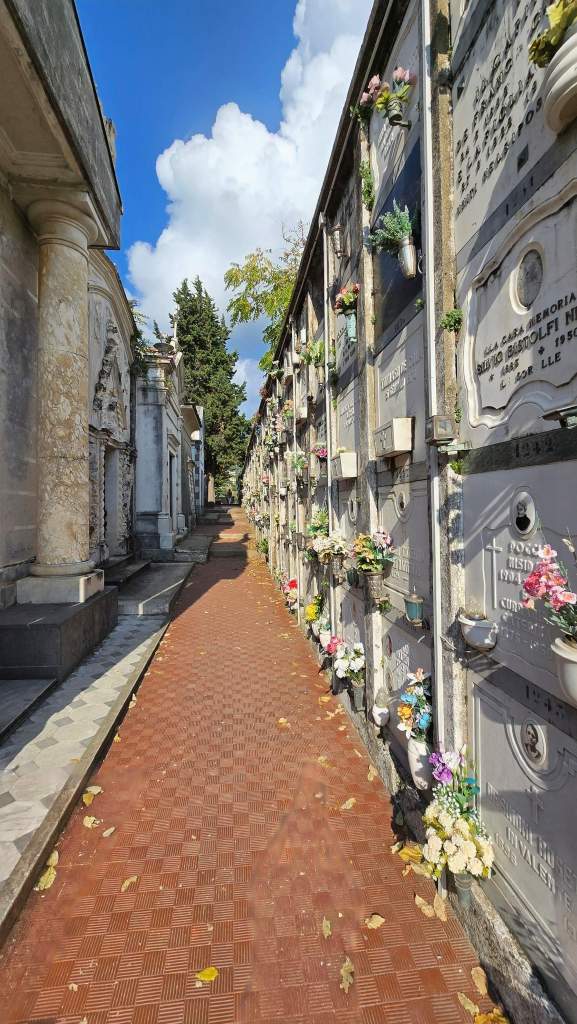
We hiked in and around Monterosso. It is very hilly, but we found lemon trees, a cemetery on a hilltop, wineries and restaurants hidden on the hiking trails. A beautiful area and we wish that we had more time to explore the other cities of Cinque Terre.


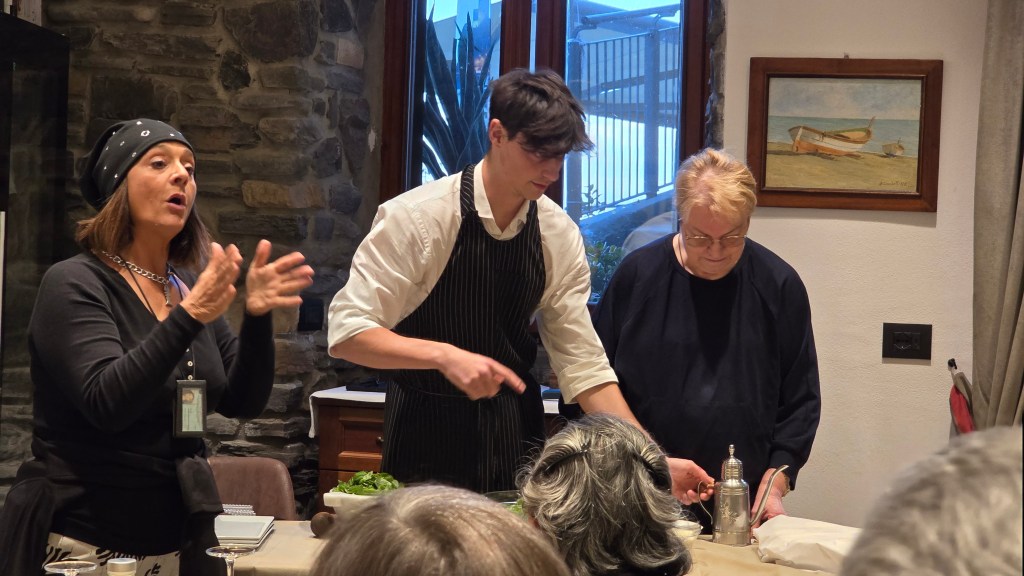
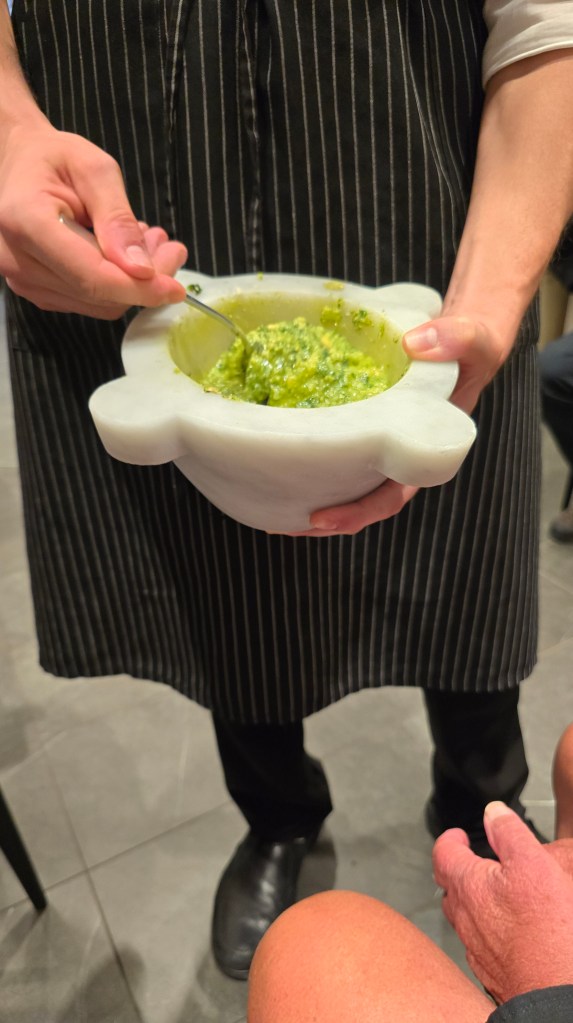
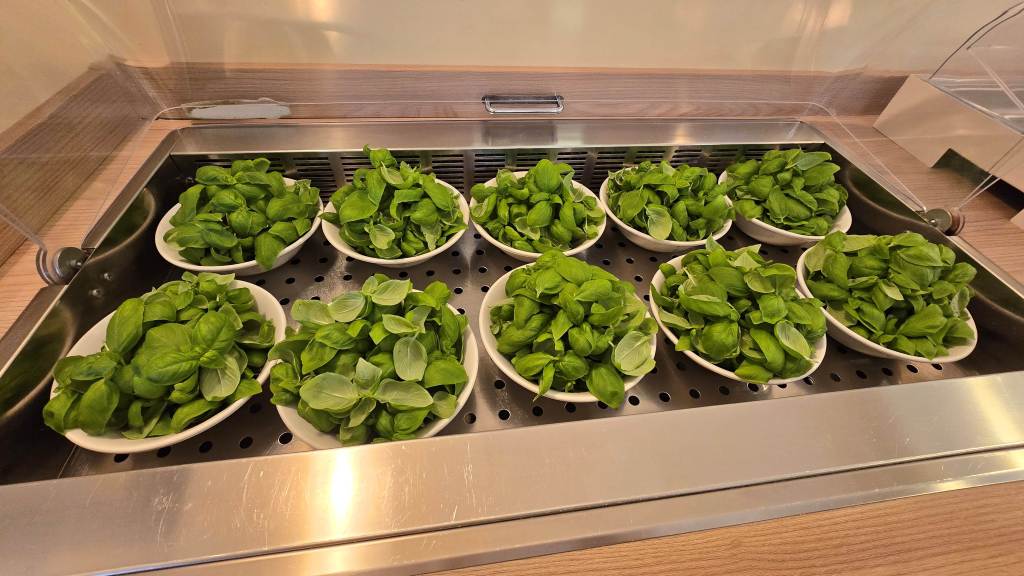
Pesto making was experienced at our hotels in Monterosso. The first night the owner with her grandson did a pesto making demonstration. There are only five ingredients for pesto; basil, pine nuts, grated Parmigiano Reggiano, garlic and extra virgin olive oil. “Deliziosa” (delicious)!!


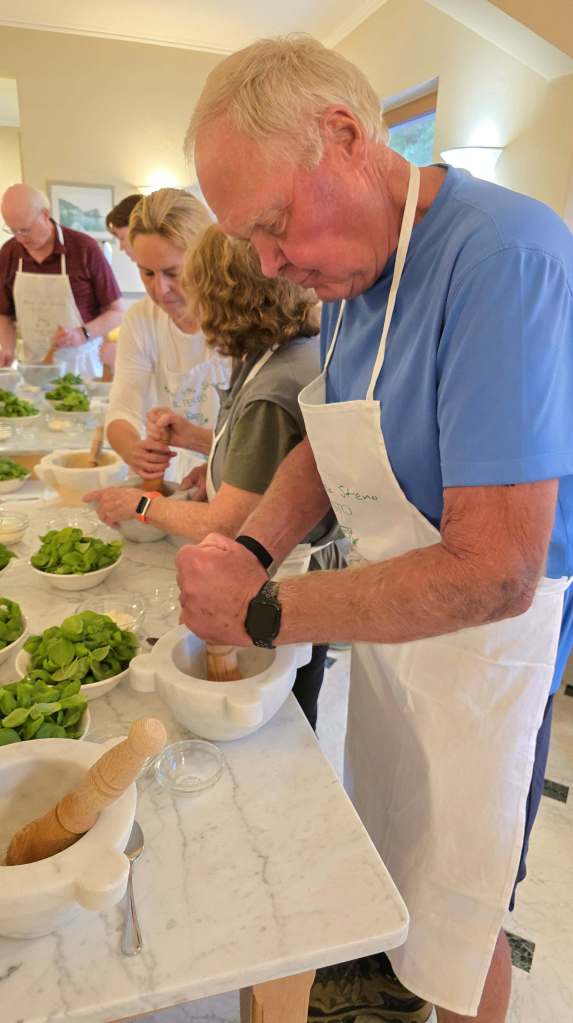
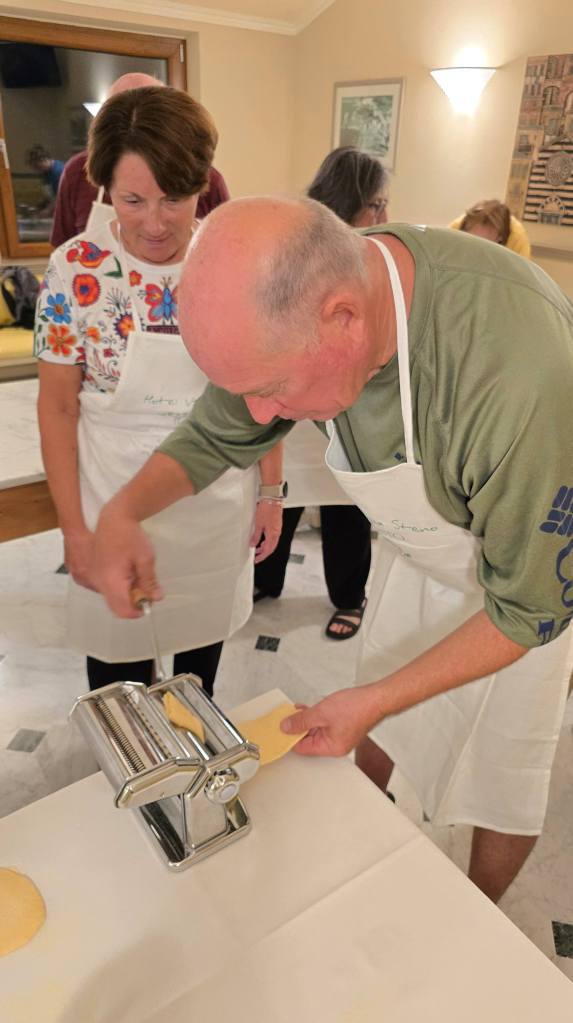
On our second evening, 10 of us participated in a pasta, gnocchi, pesto and tiramisu cooking class. OMG it was one of the best meals that we had in Italy. Fresh, hand made and yummy! We have the recipes from the class and hope to recreate that wonderful meal in the future.
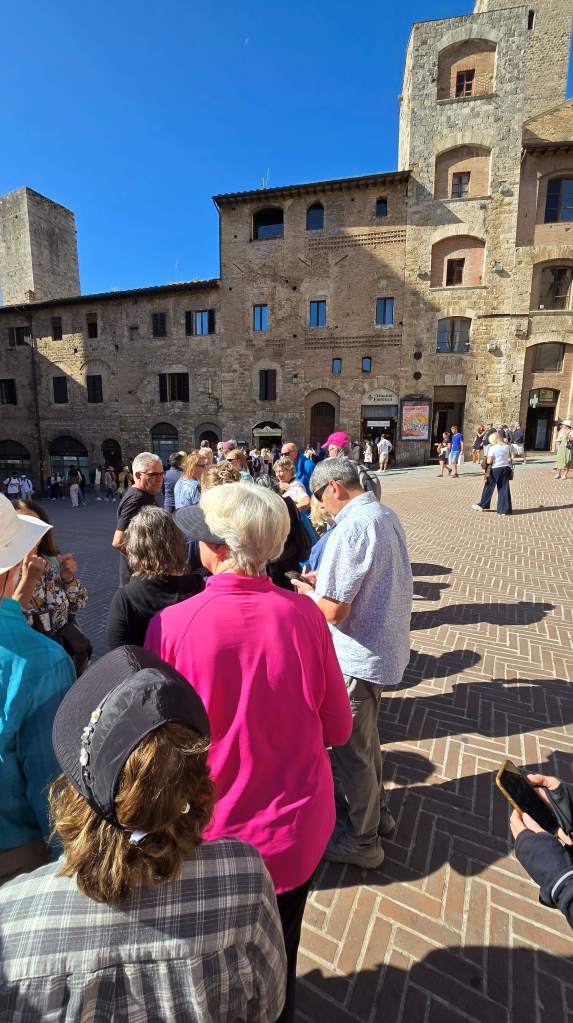
Siena was our next stop, but first we stopped in San Gimignano (also known as the Town of the Five Towers), an Italian hill town in Tuscany, southwest of Florence. Encircled by 13th-century walls, its old town centers on Piazza della Cisterna, a triangular square lined with medieval houses. It has a skyline of medieval towers, including the stone Torre Grossa.
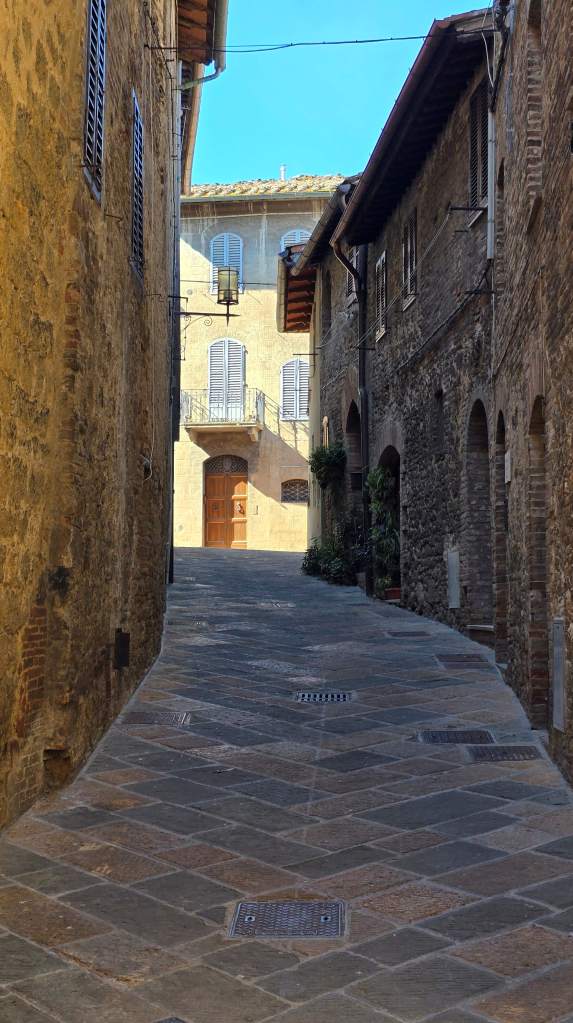

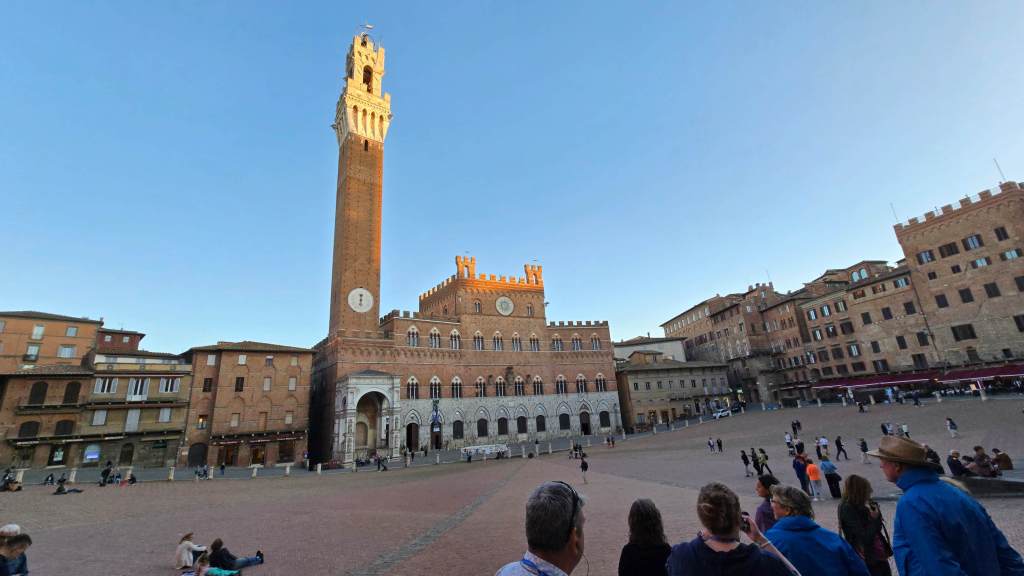
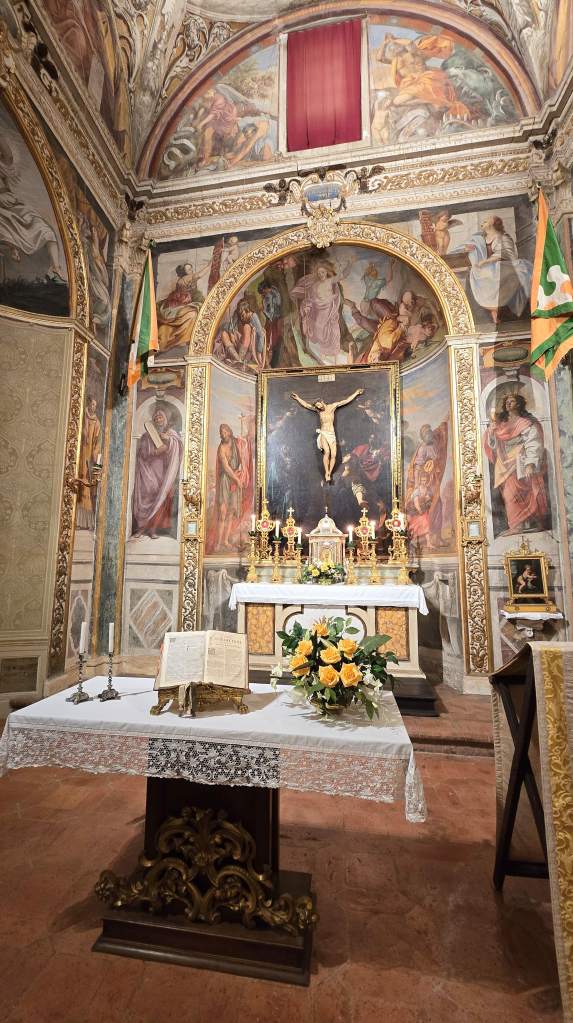
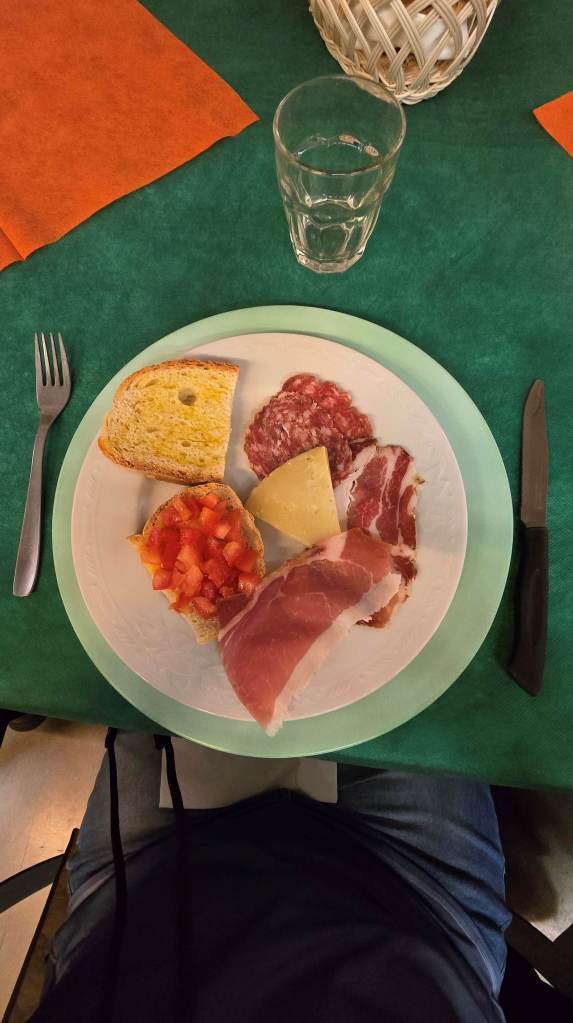
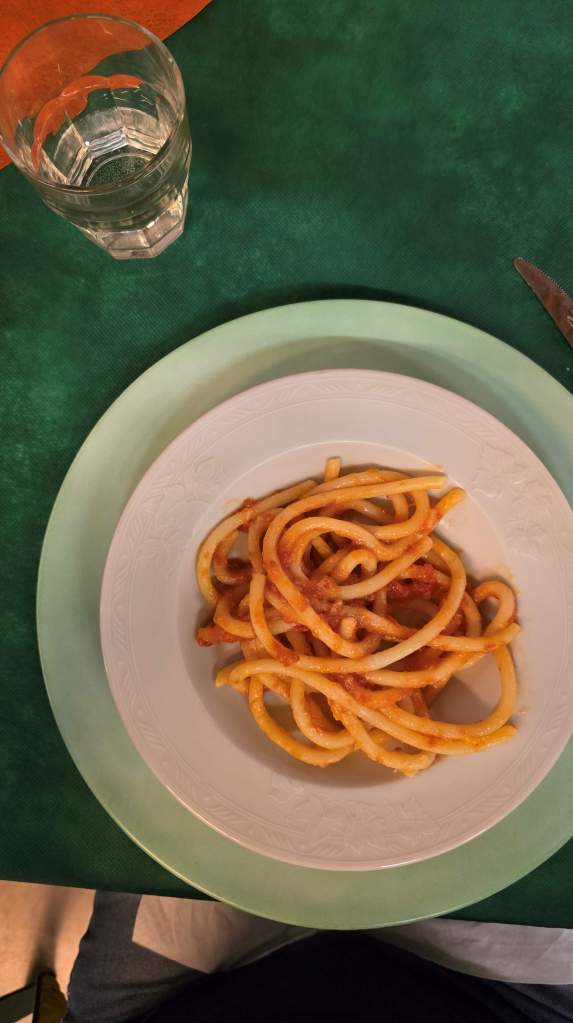
Once we arrived in Siena, we had a local guide who shared all of the history of this town and her passion for the Palio — the famous horse race held twice a year in Piazza del Campo. There are 17 district neighborhoods (wards) in Siena. Each district is named after an animal or symbol, with a long history and complicated heraldic and mythological associations. The districts complete in the horse race in July and August (high tourist season). The 28 of us, on the tour, had a wonderful dinner prepared by the town’s proud contrade (district) Forest (Selva in Italian). The symbol of Forest is a rhinoceros at the base of an oak tree hung with hunting tools. We learned that crime is low in Siena. It is believed that locals would not want to dishonor their district with bad behavior. Something we could learn from! The contrade Forest most recent victory was July 2, 2023.

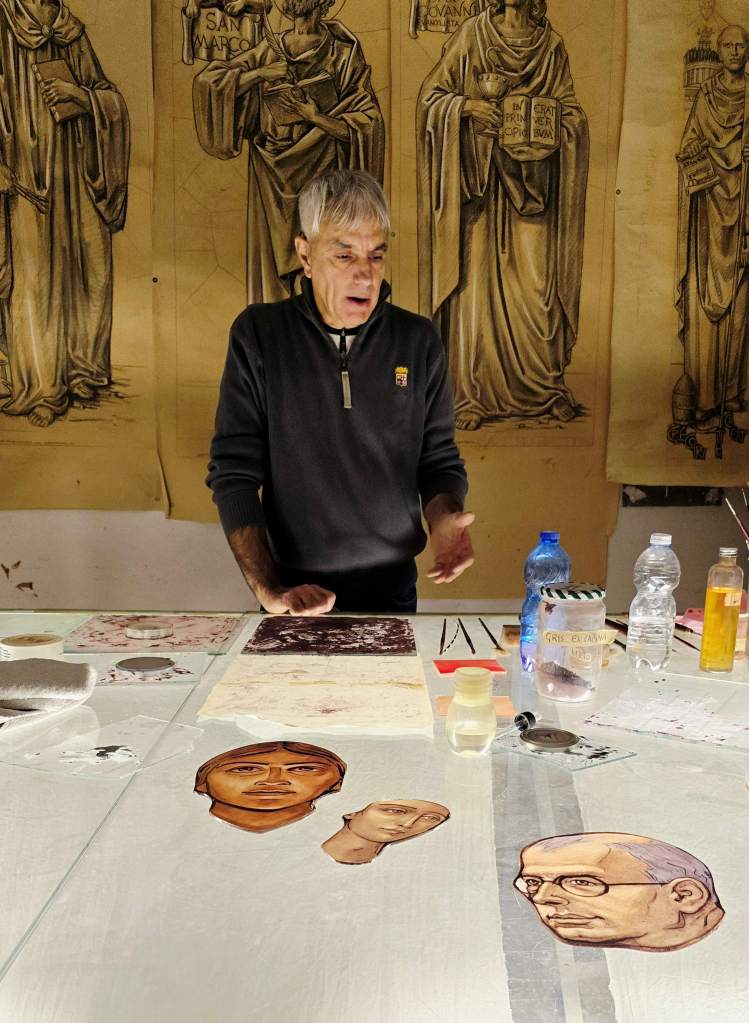
Our visit in Siena ended with an informative visit to a local stained-glass workshop. The owner explained the steps involved with creating, designing and making the massive stain glass windows today and how he fuses the traditional and contemporary techniques of stained-glass making.


 Adventures of Tin Can Lulu
Leave a comment