
Lake Como and Firenze (Florence)
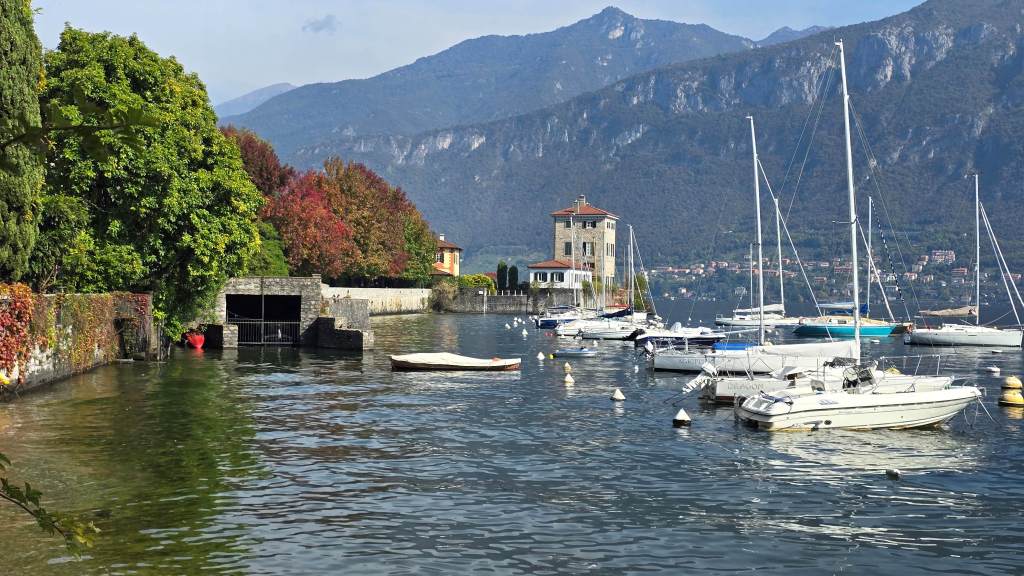
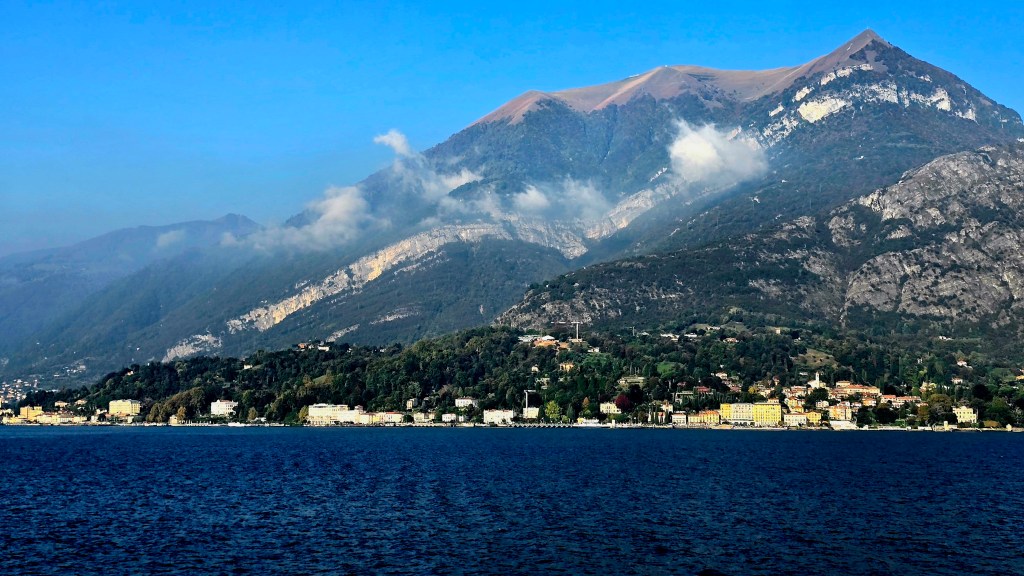
Lake Como, locally known as Lago di Como or Lario, is one of Italy’s most magical destinations, a place where alpine beauty meets Italian elegance. Located in Lombardy, just north of Milan. Shaped by ancient glaciers and known for its distinctive “Y” form, Lake Como is the third-largest lake in Italy and one of the deepest in Europe.
Enroute to Lake Como we stopped at the town of Sirmione to visit the Scaligero Castle. This castle was a fortification built after the middle of the fourteenth century on the waters of the Lake Garda. Scaligero Castle is one of Italy’s best preserved castles. Lake Garda is the largest lake in Italy. The lake cuts into the edge of the Italian Alps, and glaciers formed this alpine region at the end of the last ice age.

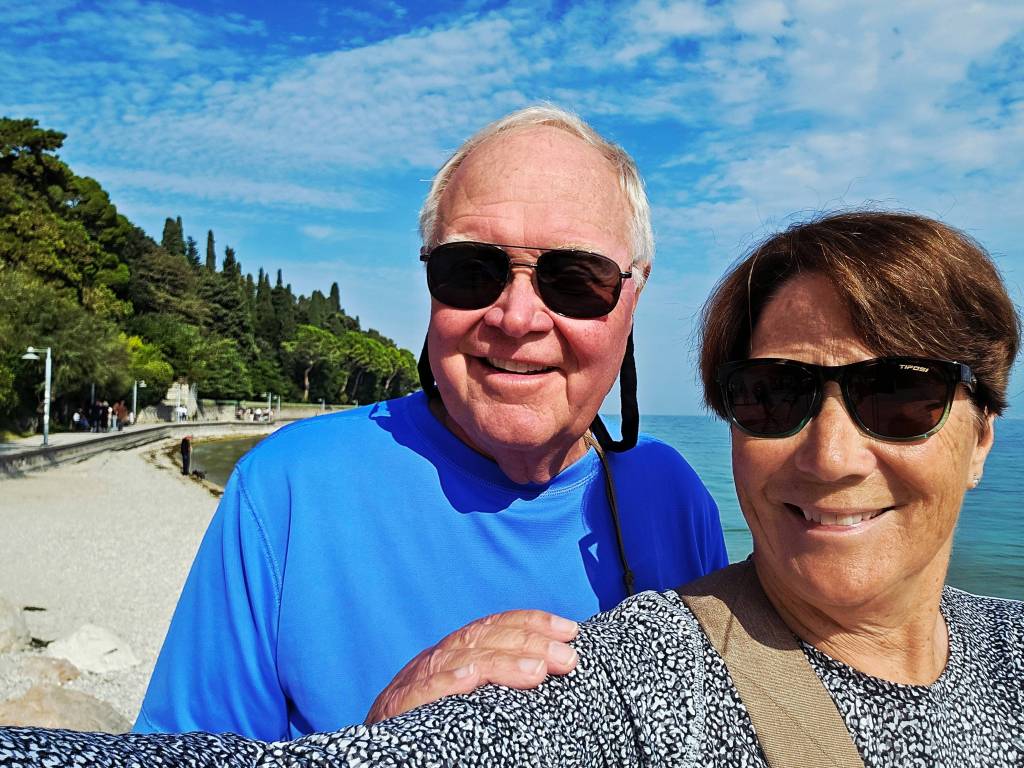

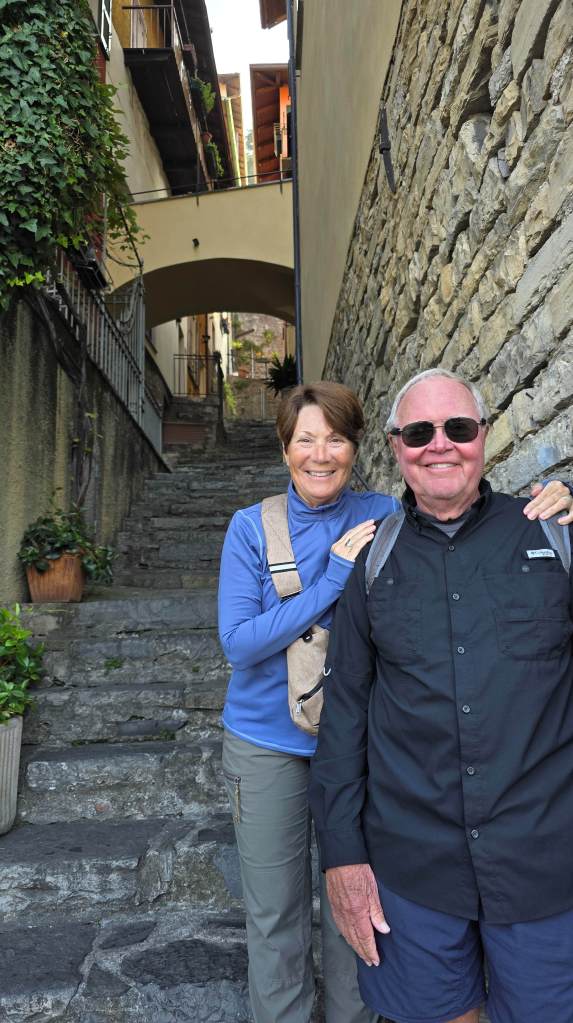
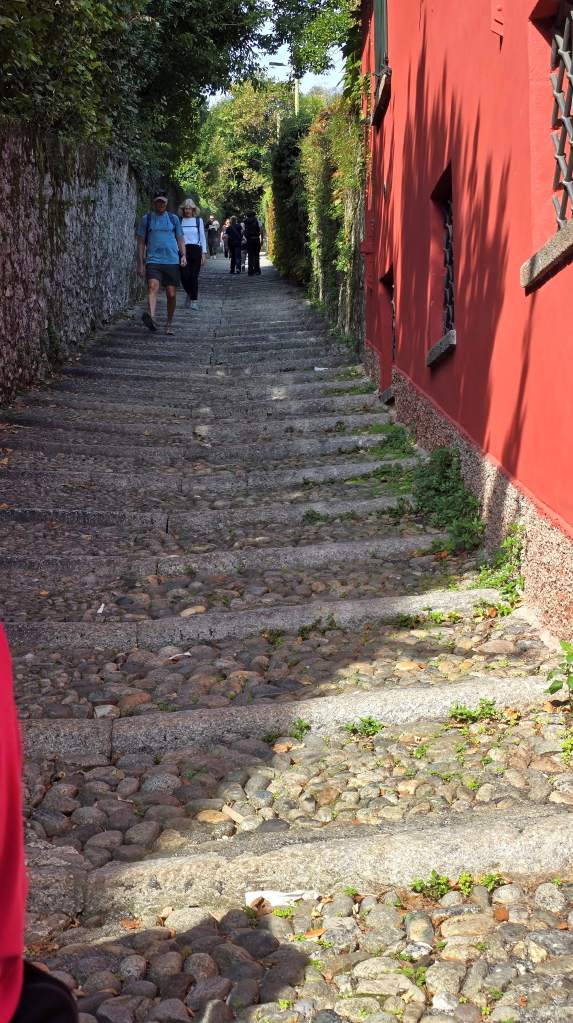
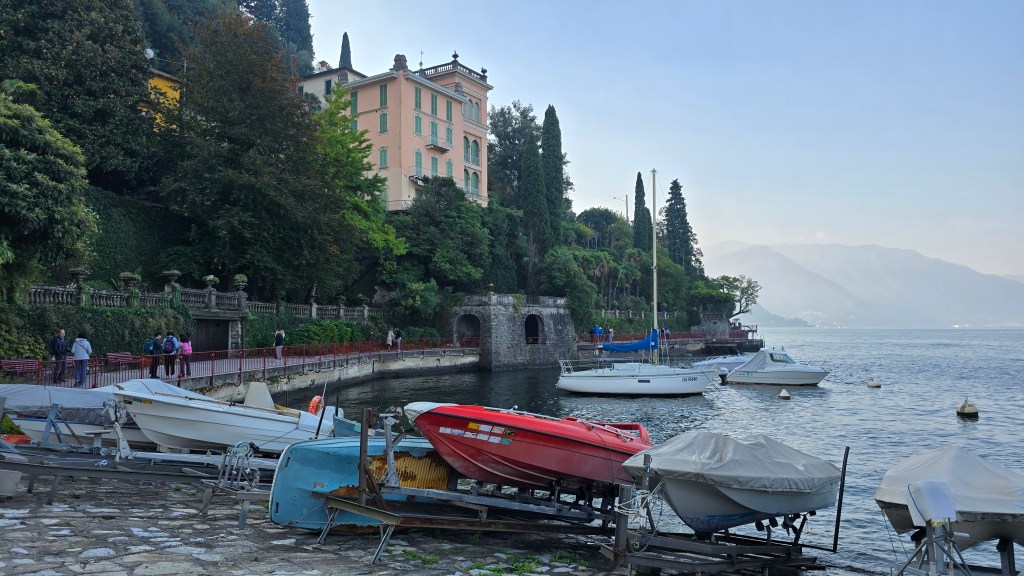
We had a wonderful day exploring two towns on Lake Como, Bellagio and Varenna. Getting to Bellagio was an experience. We were on a small roadway that hugged the lake. We had a local bus driver (and a smaller bus) for the day, who knew how to maneuver thru the narrow turns and oncoming traffic, with barely a hand width of space between the bus and oncoming vehicles. Italian drivers are truly masters!!
And lastly, no George Clooney sightings!!

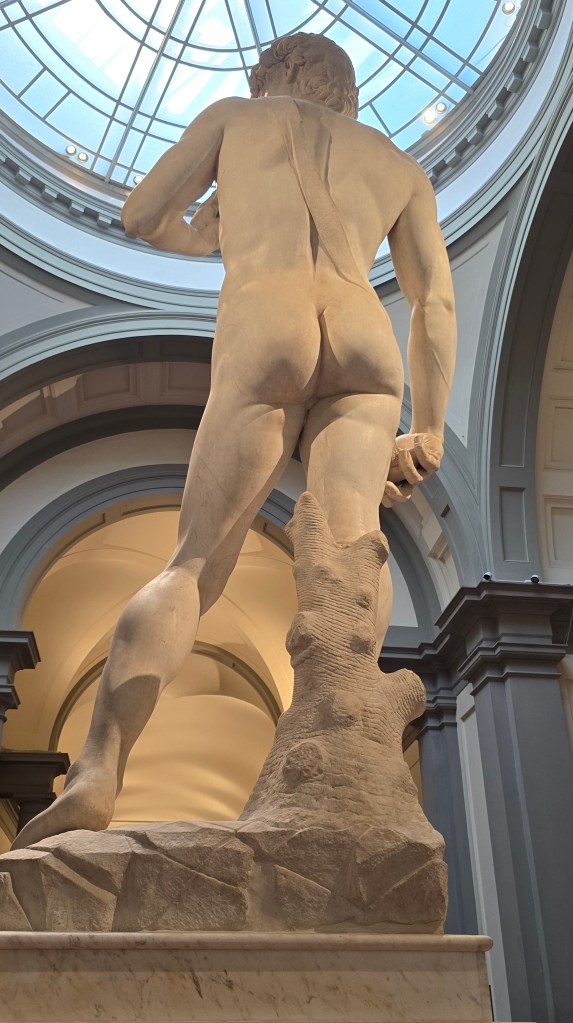
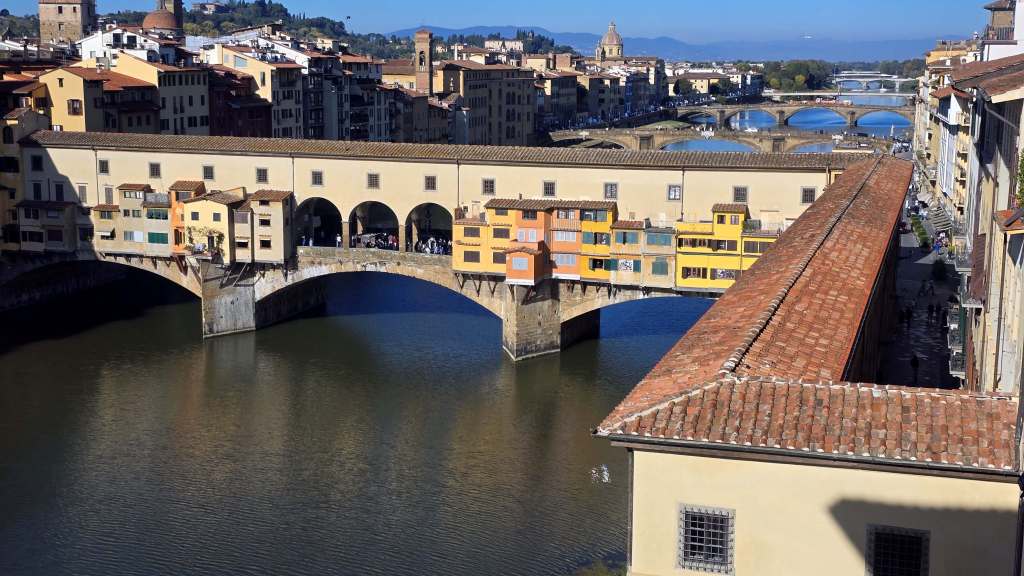
The drive to Florence was our longest on the trip, six hours. Firenze (Florence), capital of Italy’s Tuscany region, is home to many masterpieces of Renaissance art and architecture. One of its most iconic sights is the Duomo, a cathedral with a terracotta-tiled dome engineered by Brunelleschi and a bell tower by Giotto. The Galleria dell’Accademia displays Michelangelo’s “David” sculpture. The Uffizi Gallery exhibits Botticelli’s “The Birth of Venus” and da Vinci’s “Annunciation.”
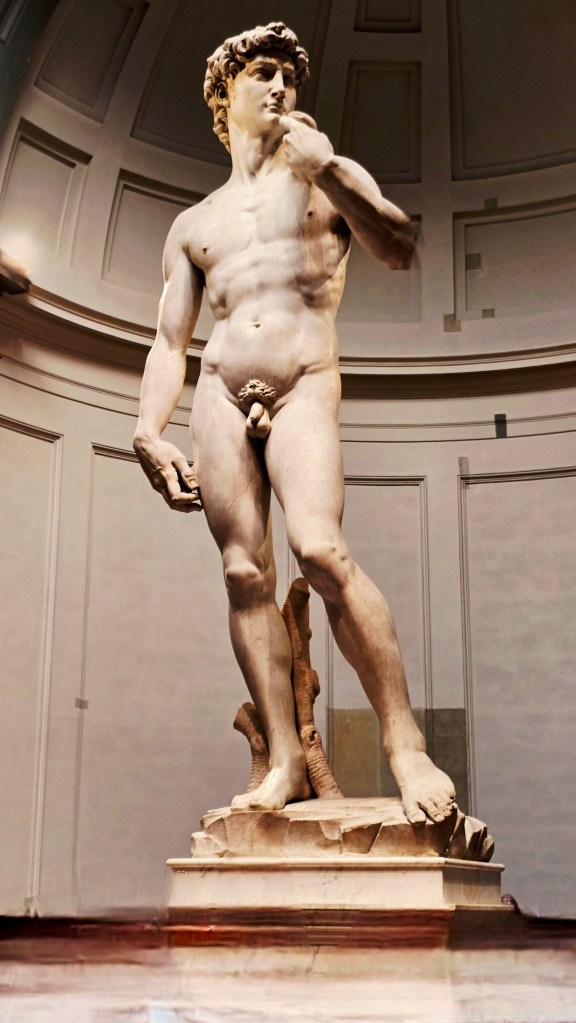
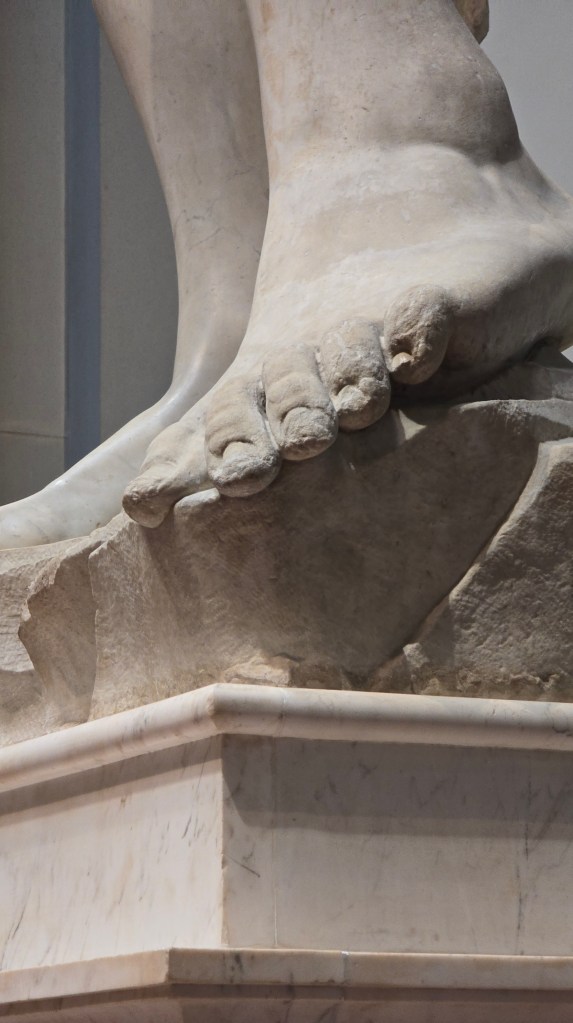
Once we arrived in Florence we immediately were immersed into this city. We had a local guide who escorted us to the Galleria dell’Accademia the home to Michelangelo’s David. David is a masterpiece of Italian Renaissance sculpture in marble created from 1501 to 1504 by Michelangelo. The height is 17 feet and it weighs 6.2 tons. David was the first colossal marble statue made in the High Renaissance, and since classical antiquity, a precedent for the 16th century and beyond.
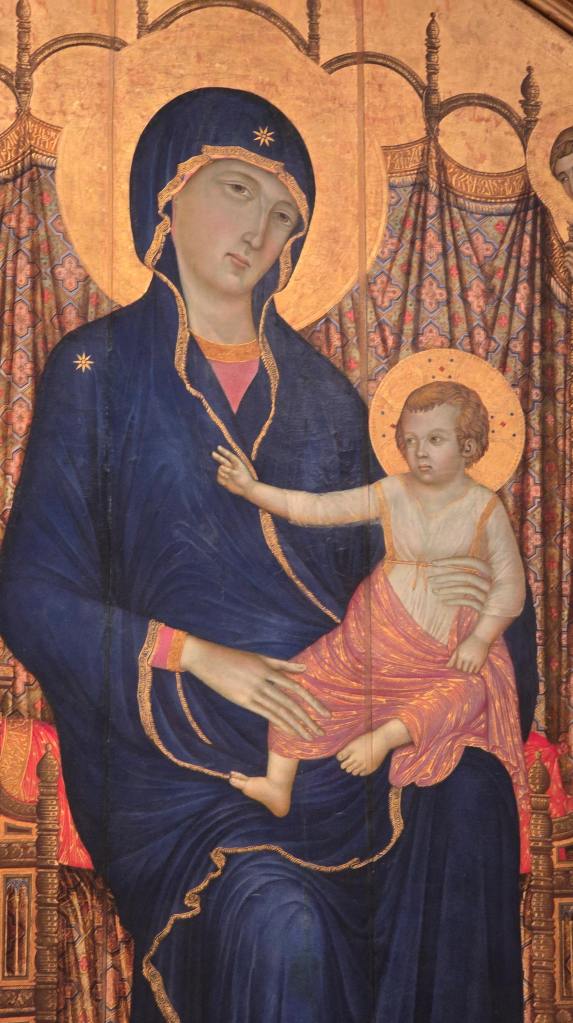
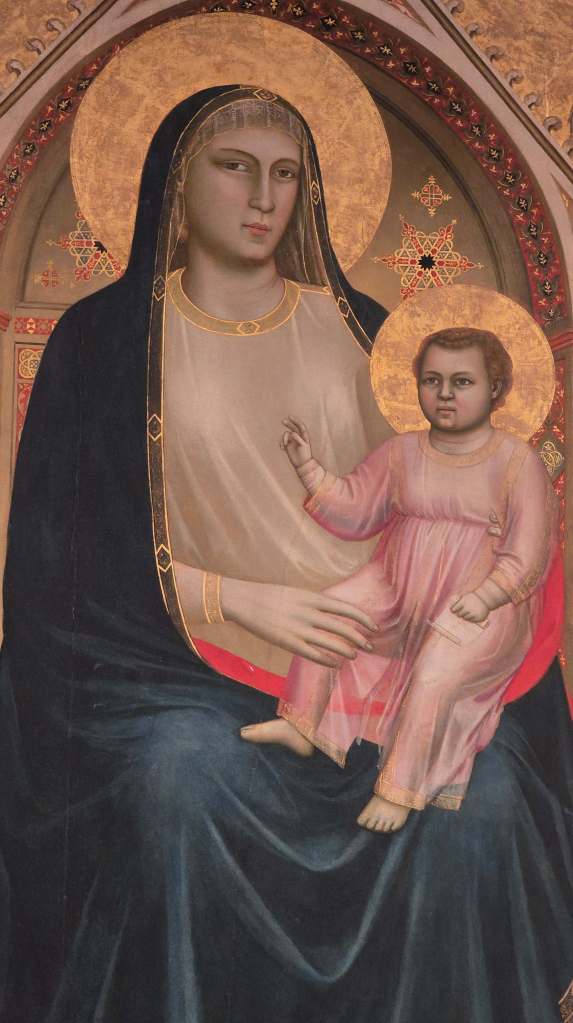
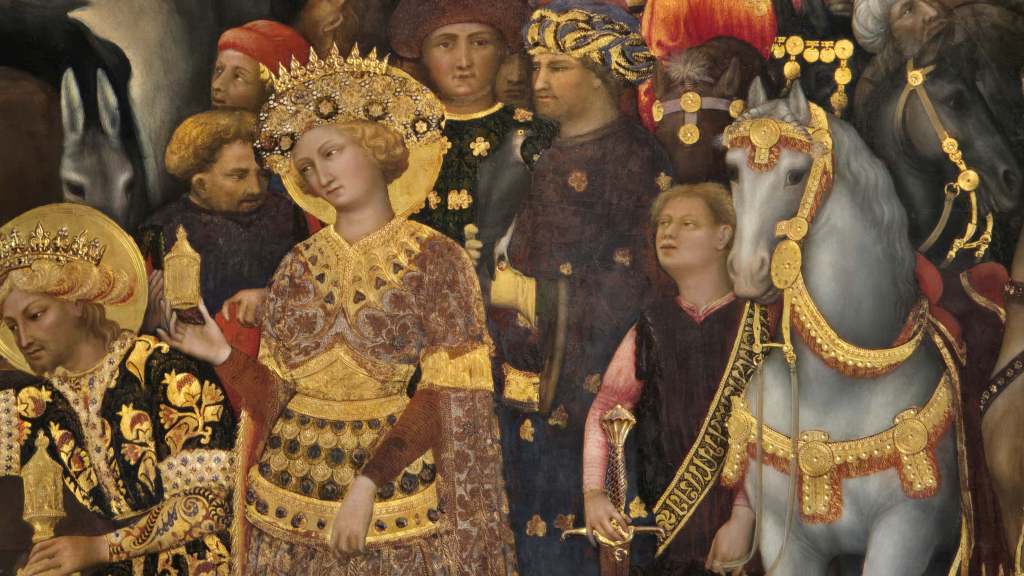
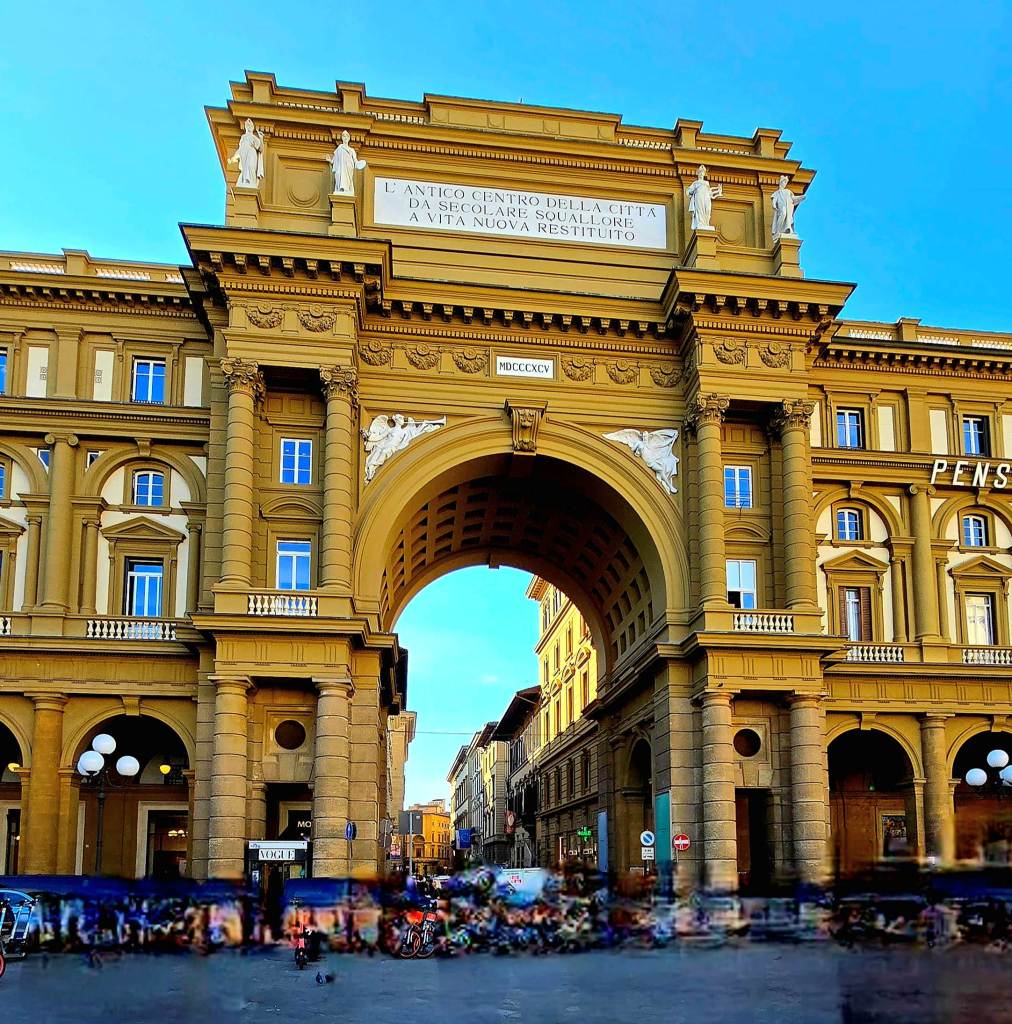
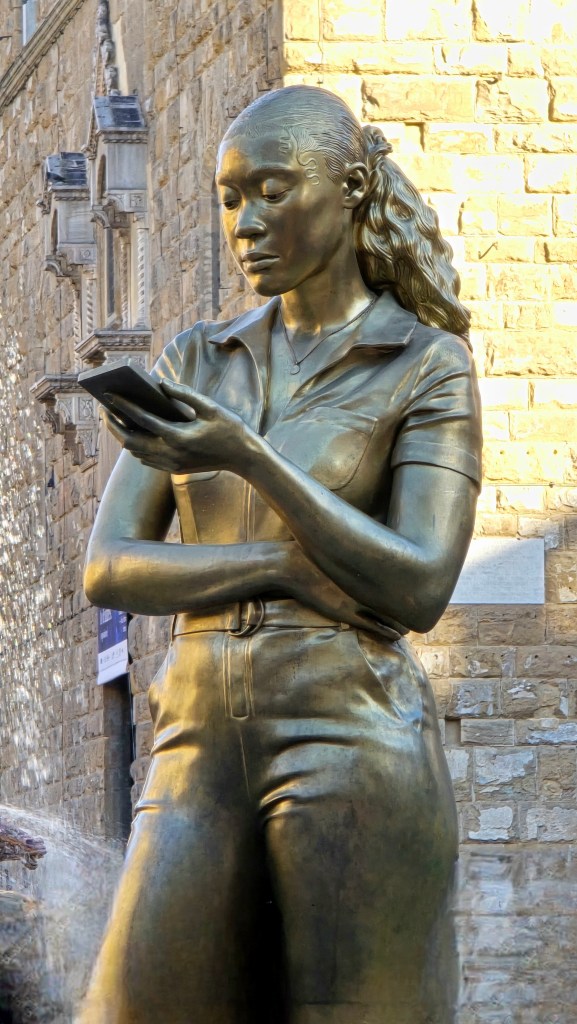
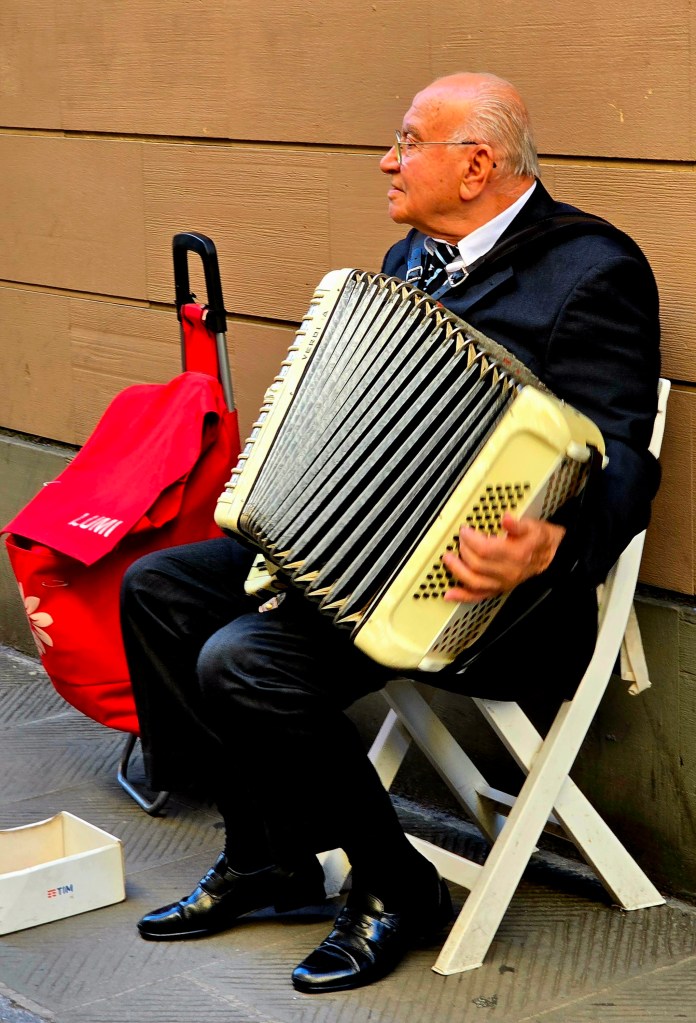
Our second day we, once again, had a local guide who continued our education about the Renaissance period and masters from this era. We visited the Uffizi Gallery and wandered the quieter side streets in Florence. We actually found it easy to get around from our hotel (with a little help from Google maps). Laura was on a mission to find a leather purse in Florence which is known for it’s high quality of leather goods. She was successful!!




 Adventures of Tin Can Lulu
Leave a comment