
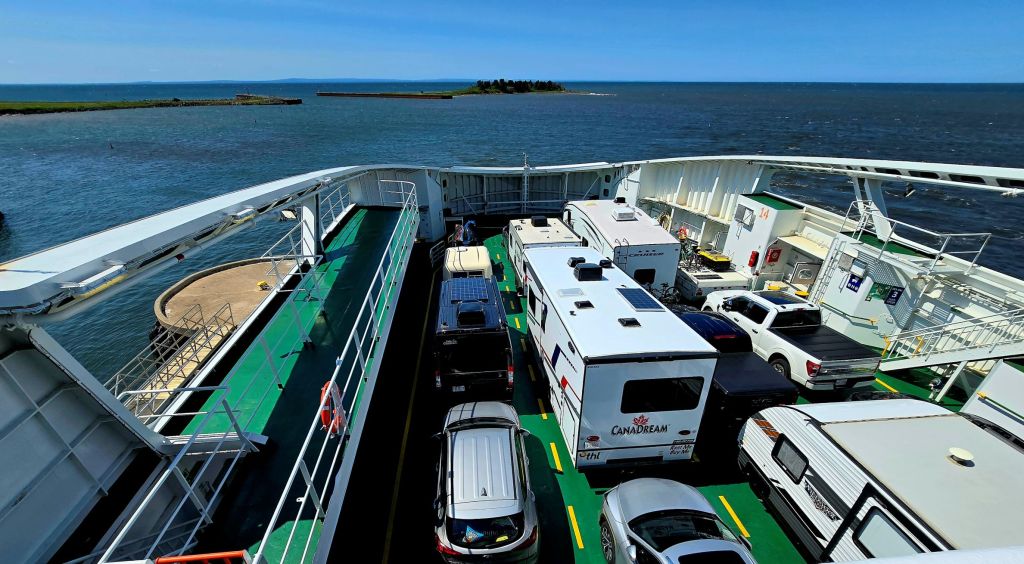
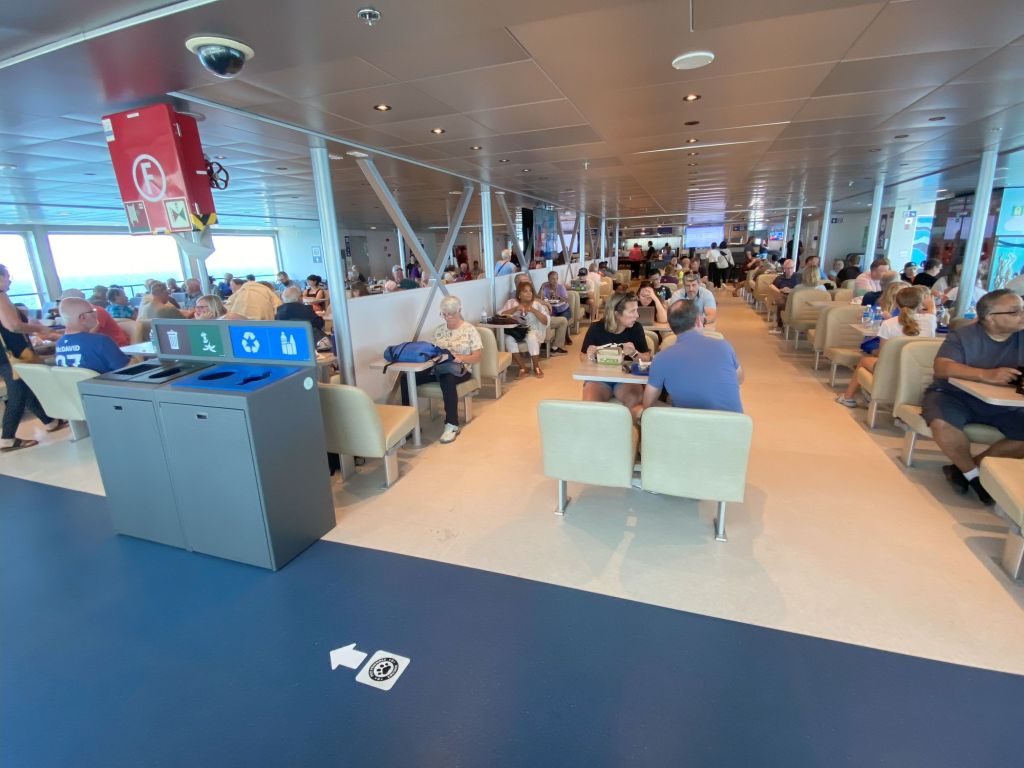
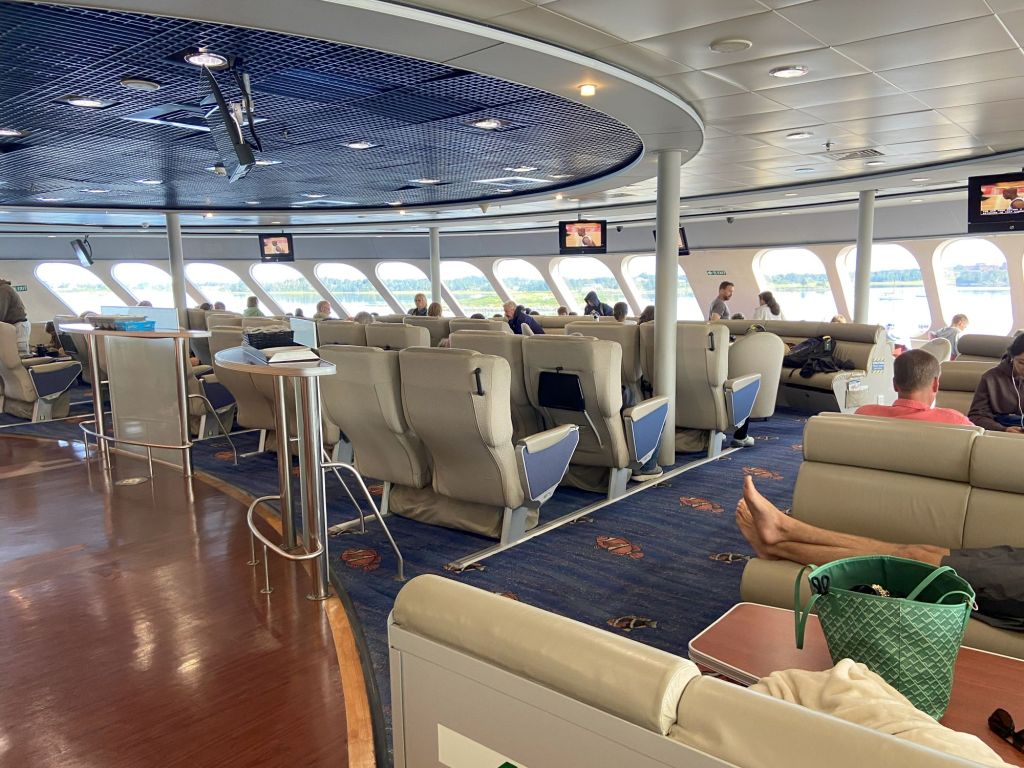
Traveling between islands is either via The Confederation bridge or by ferry. From PEI to Nova Scotia it was a ferry ride from Wood Islands, PEI to Caribou, Nova Scotia, a 75 minute ride. The ferries are very luxurious and have many amenities including live music and food & drink options. It’s a very peaceful way to travel between islands.

Nova Scotia is the second-smallest province by area. The province comprises the Nova Scotia peninsula and Cape Breton Island, as well as 3,800 other coastal islands. It is surrounded by four major bodies of water: the Gulf of Saint Lawrence to the north, the Bay of Fundy to the west, the Gulf of Maine to the southwest, and the Atlantic Ocean to the east. The province is the world’s largest exporter of Christmas trees, lobster, gypsum, and wild berries.
We spent our visit on Nova Scotia exploring Sydney which is on Cape Breton Island and Halifax which is on the southern side.
Sydney was founded in 1785 by the British and served as Cape Breton Island’s colonial capital until 1820 when the colony merged with Nova Scotia and the capital moved to Halifax. In the early 20th century Sydney became home to one of the world’s largest steel plants, fed by the numerous coal mines in the area under the ownership of the Dominion Steel and Coal Corporation. Sydney Harbour played an important role during World War II. Once a Royal Canadian Navy base, HMCS Protector, was established to stage supply convoys bound for Europe. These convoys tended to be slower and had the prefix SC for Slow Convoy.
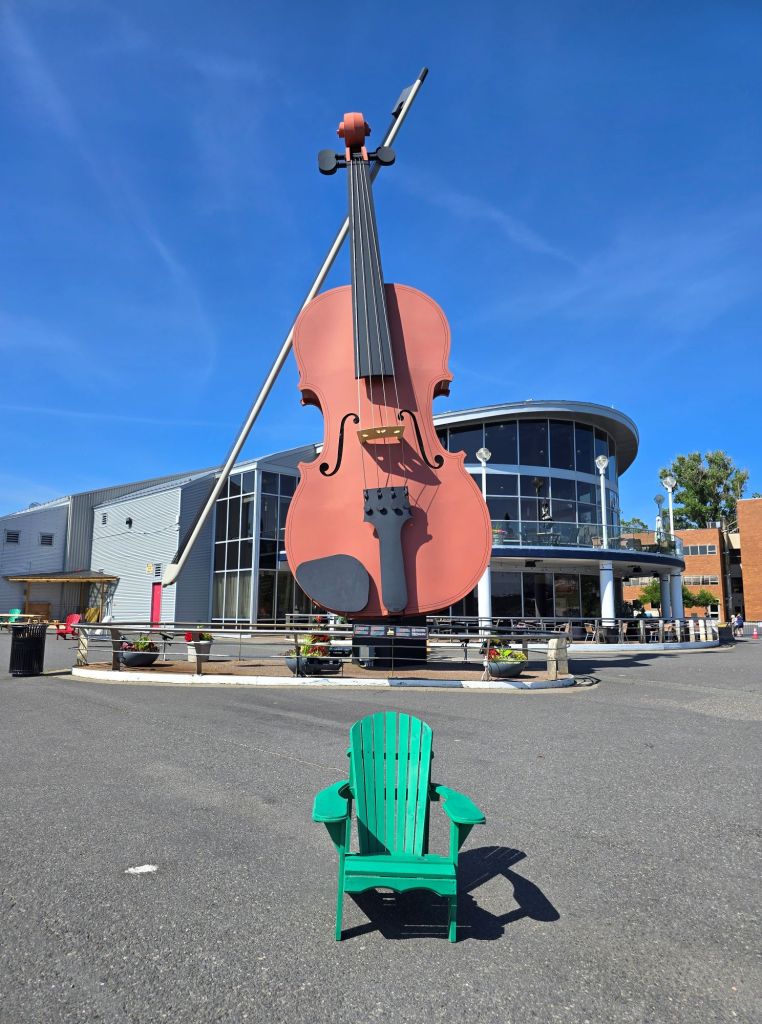
The boardwalk in Sydney Harbor is a 1.6 mile urban walk. There are picturesque views of the harbor and city. It is the home to the world’s largest fiddle that is 55 feet tall and weighs 8 tons. It’s meant to illustrate the importance of fiddle music to Cape Breton’s culture. Fiddlers arrived in Cape Breton some 200 years ago from Scotland, and the style of music continues to flourish.

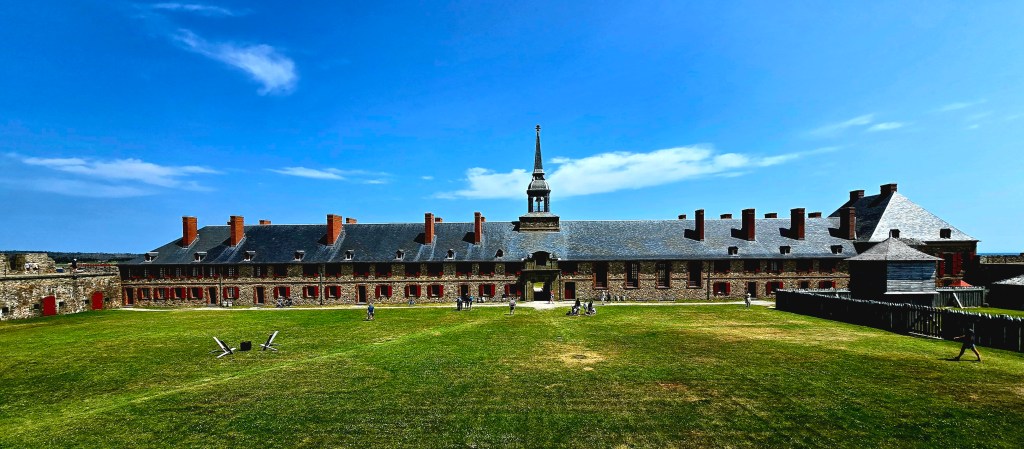
The Fortress Louisbourg is a National Historic Site and the location of a one-fifth reconstruction of an 18th-century French fortress at Louisbourg on Cape Breton Island, Nova Scotia. The original settlement was founded in 1713 by settlers and initially called Havre à l’Anglois. Subsequently, the fishing port grew to become a major commercial port of cod. The fortress was destroyed twice in the late 1700’s (by the British) and left in ruins.
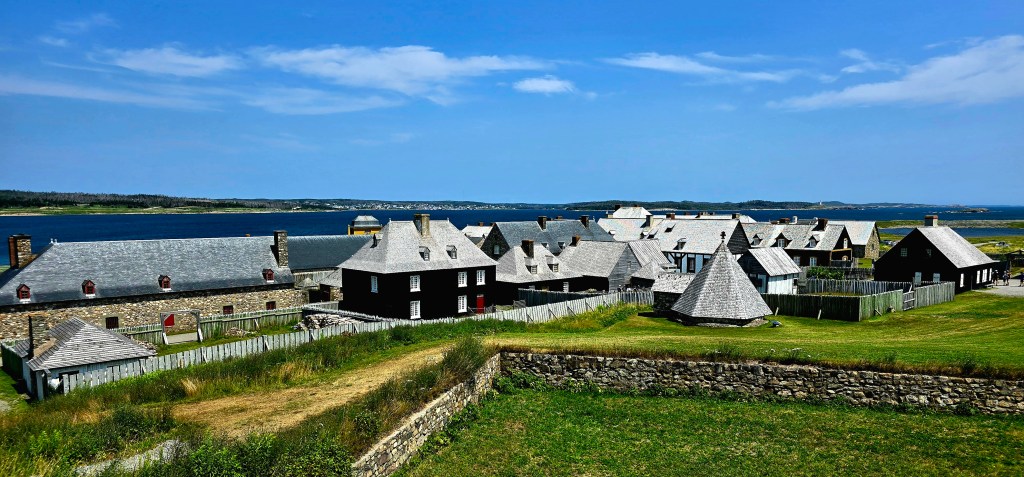
The Government of Canada rebuilt one-fifth of the town, and its fortifications; the multi-year work commenced in 1963. The site of the fortress was designated a National Historic Site in 1920. In 1961, the government of Canada decided to undertake a historical reconstruction of one-fifth of the town and fortifications with the aim being to recreate Louisbourg as it would have been at its height in 1744. That work began in 1963. Laid off coal workers, and many others, were employed to do the reconstruction project.


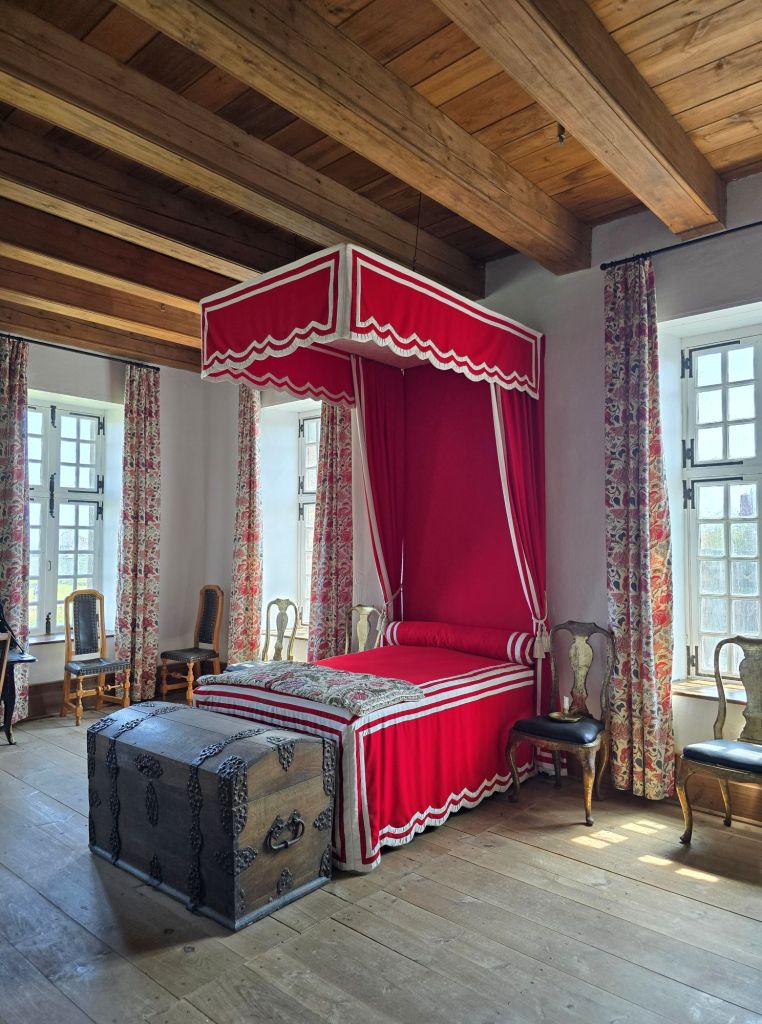
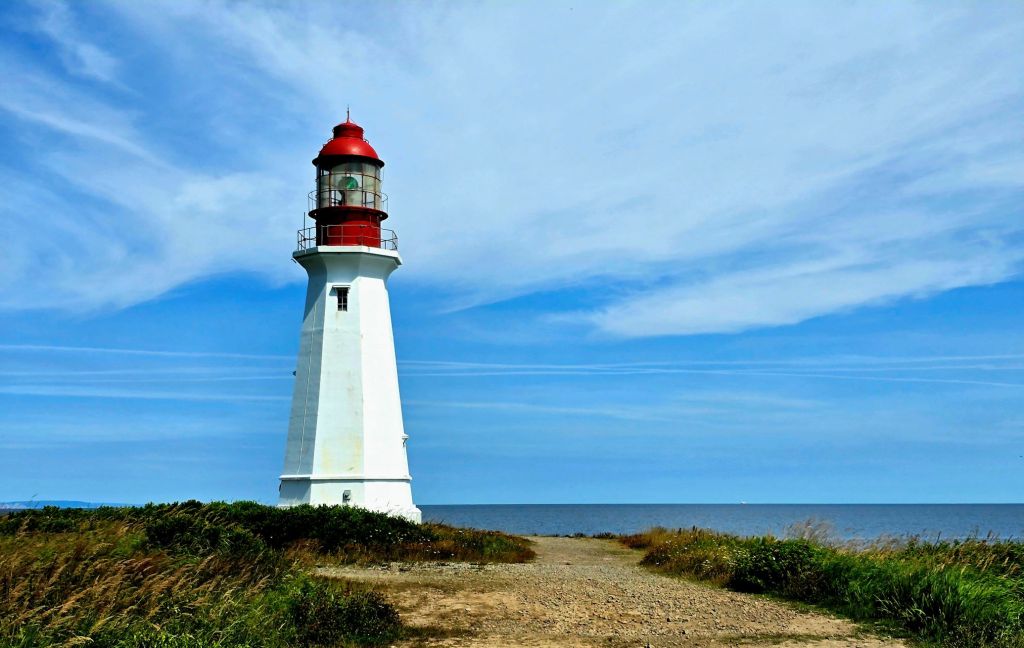
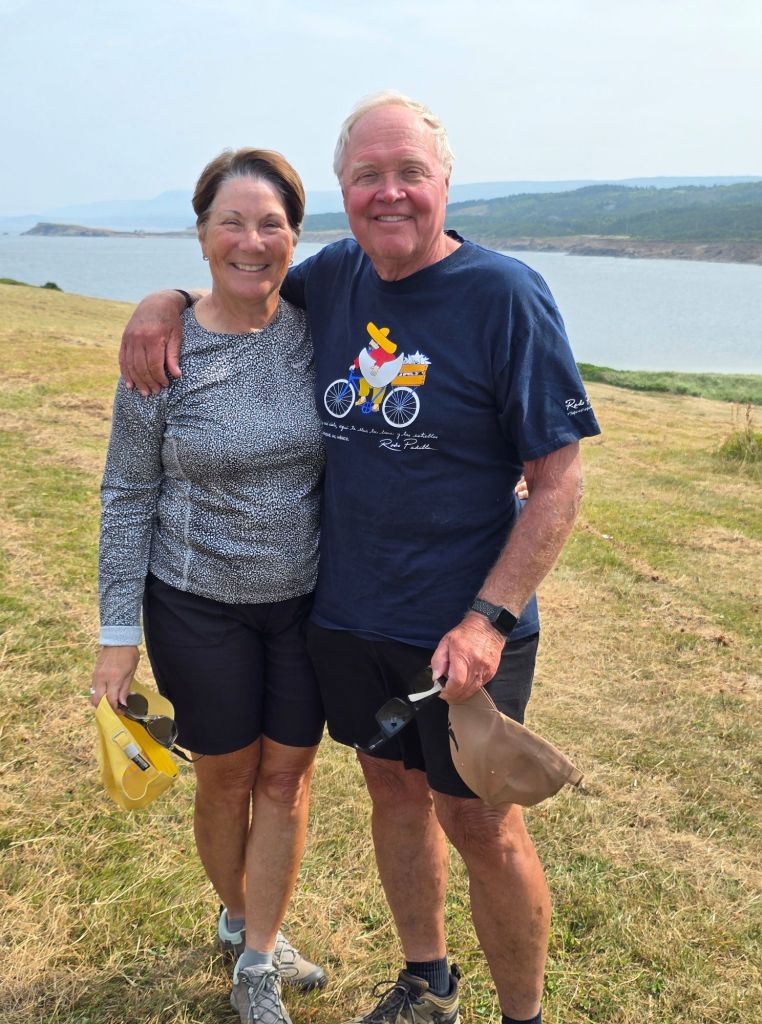
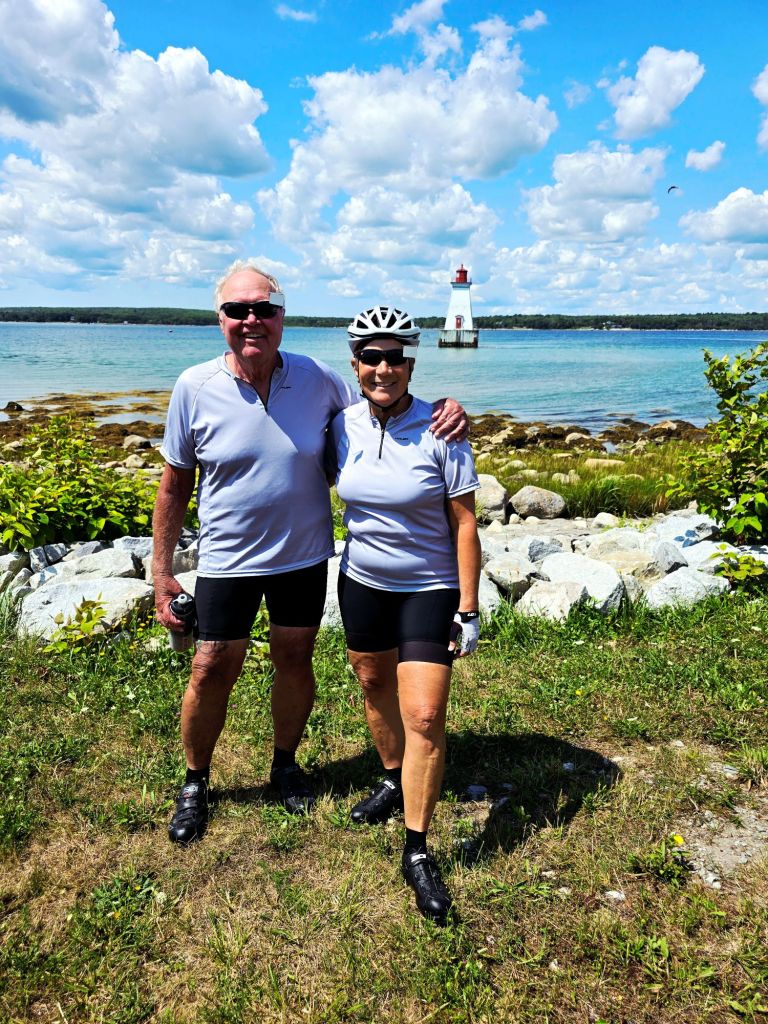
We were able to do a bike ride to Low Point Lighthouse near Sydney. We were skeptical of the route but the last half was beautiful and along the coastline.
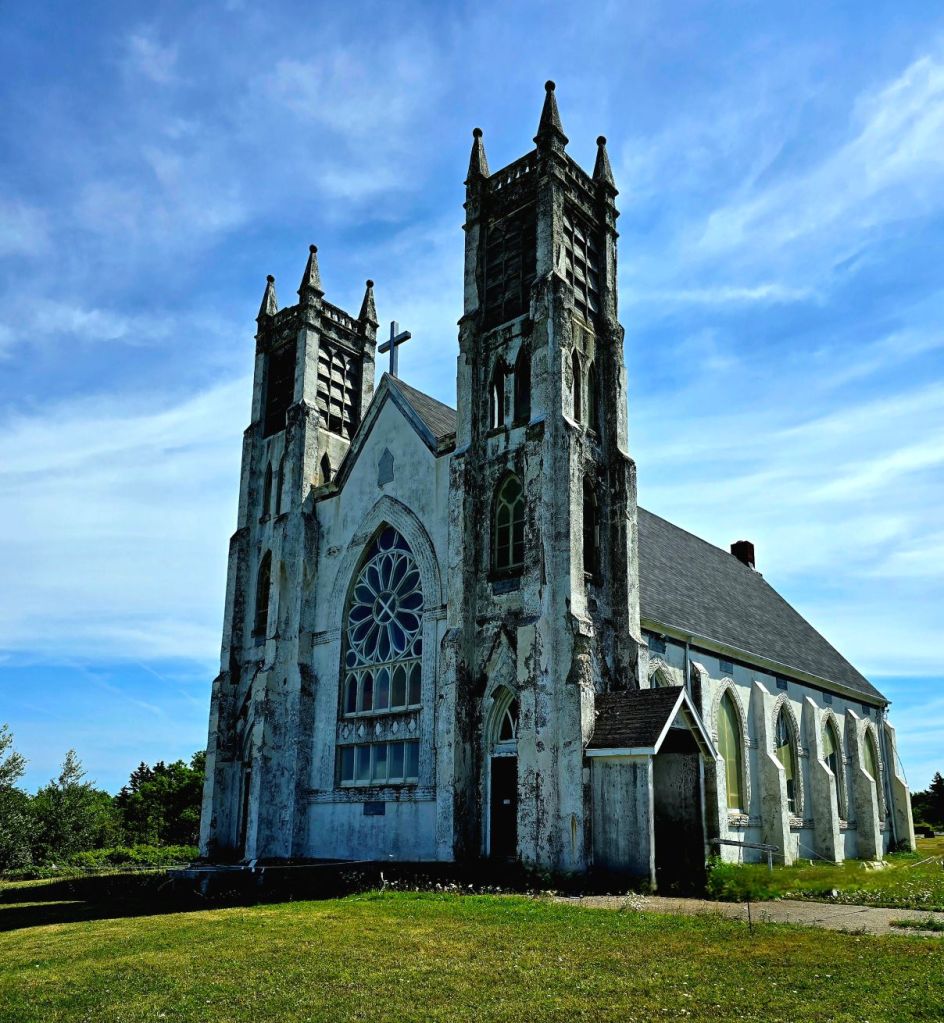
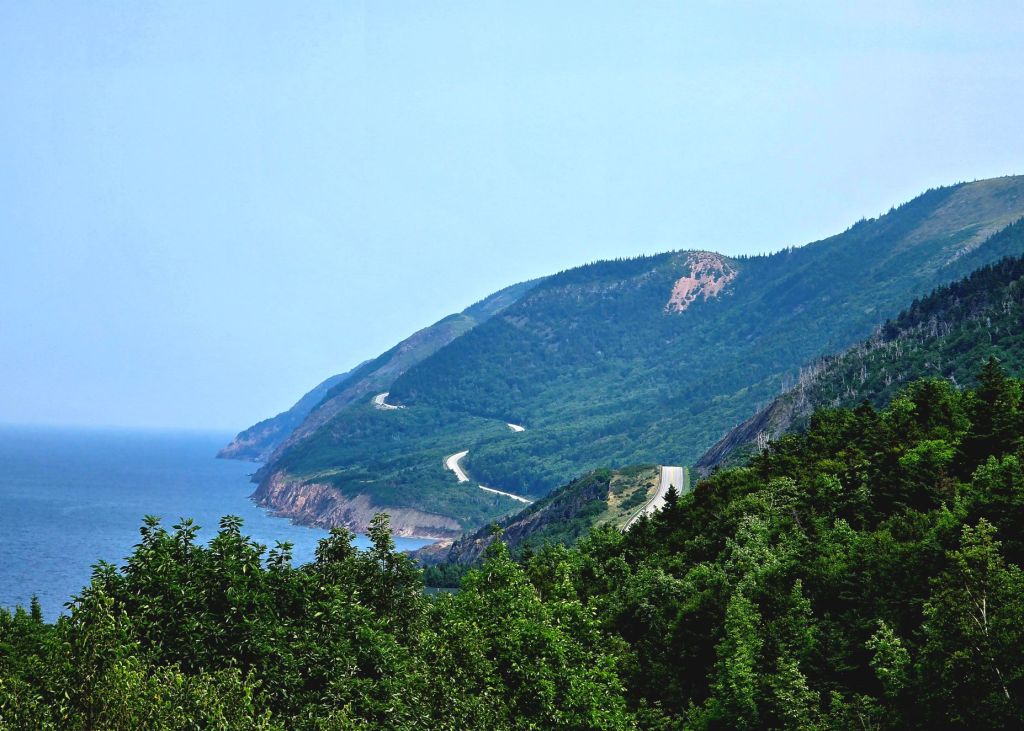
The famous Cabot Trail is located near Sydney. It is a 185 mile loop that winds through the Cape Breton Highlands and the Cape Breton Highlands National Park, offering stunning views of the coastline and highlands. It’s known as one of the world’s most beautiful drives.
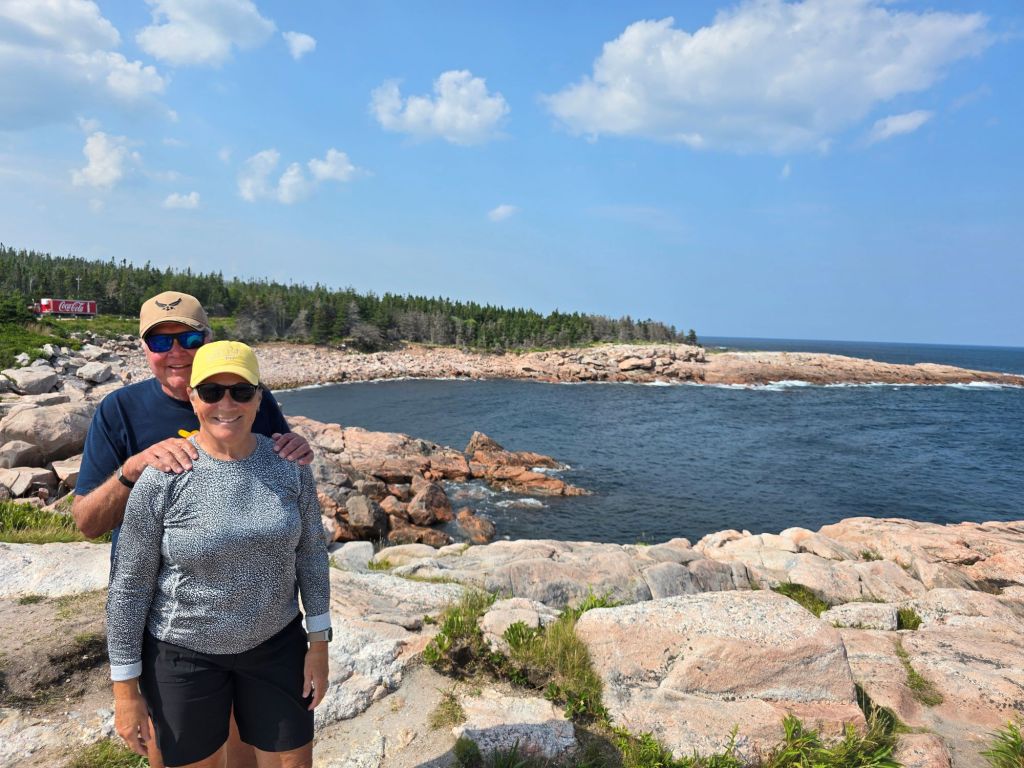
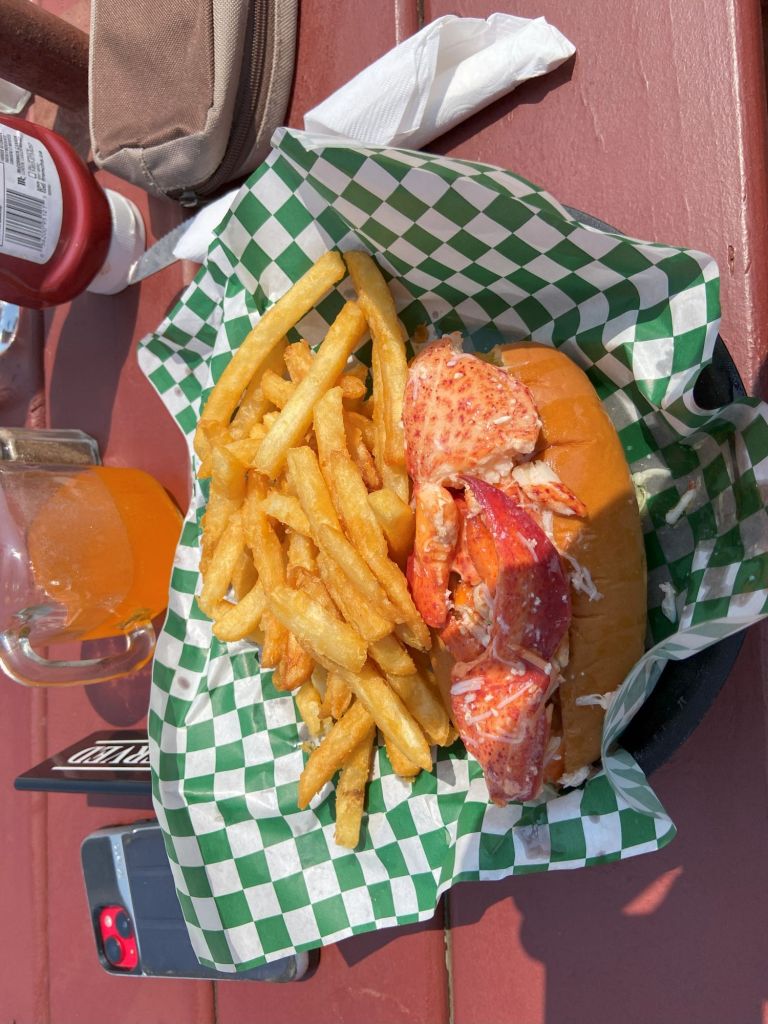
We opted to do a guided van tour with Cabot Discovery Tours. The van held 12 people. This was a very wise choice we made. The roadway was twisty/hilly and would have been a lot of work to drive on our own. Our tour guide Frank, was a local, born and raised in the area. He had many tales, historic facts, and cultural information that he shared with us. We went counterclockwise and the tour ended up taking 9.5 hours. It was a long day but the beautiful scenery made the time fly by quickly. Earle had the best lobster roll of the trip at the Rusty Anchor Restaurant…huge chunks of lobster!




Halifax is the capital and most populous municipality of the Canadian province of Nova Scotia, and in Atlantic Canada. Halifax is an economic center of Atlantic Canada. It is geographically large, and there are over 200 official communities and neighborhoods within the municipality that vary from rural to urban.
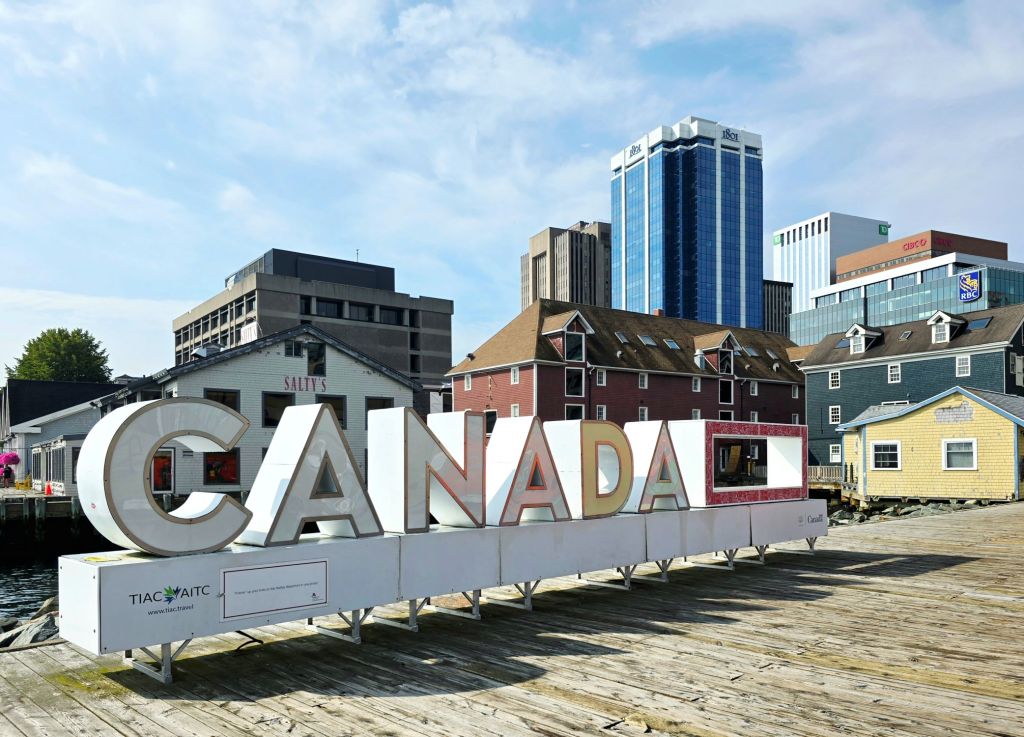
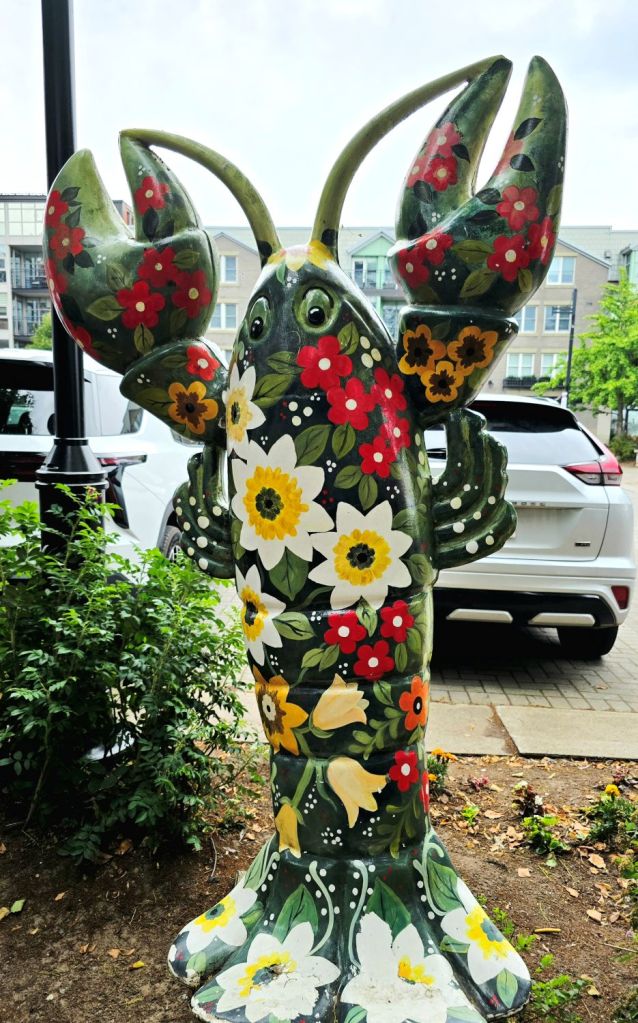
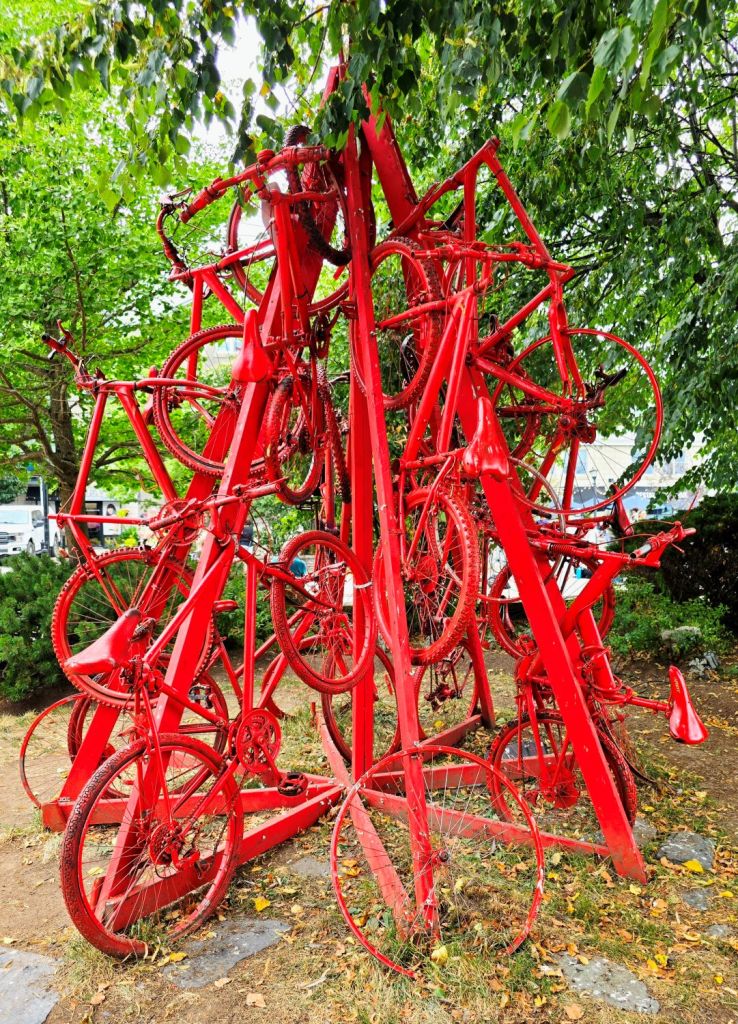
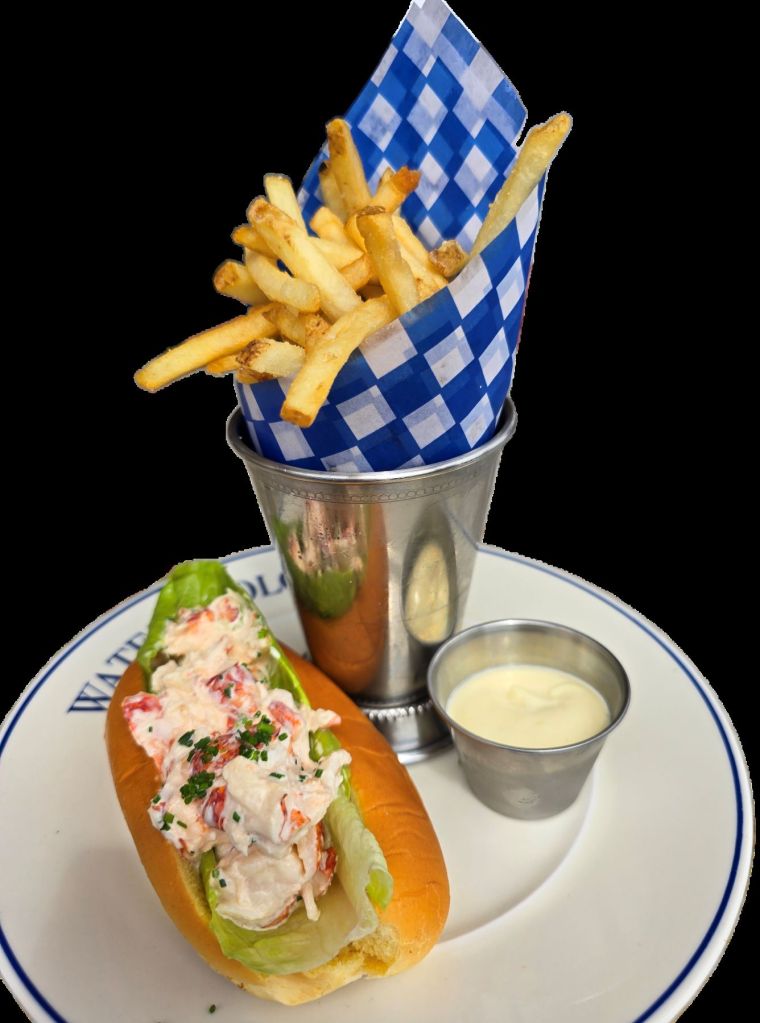
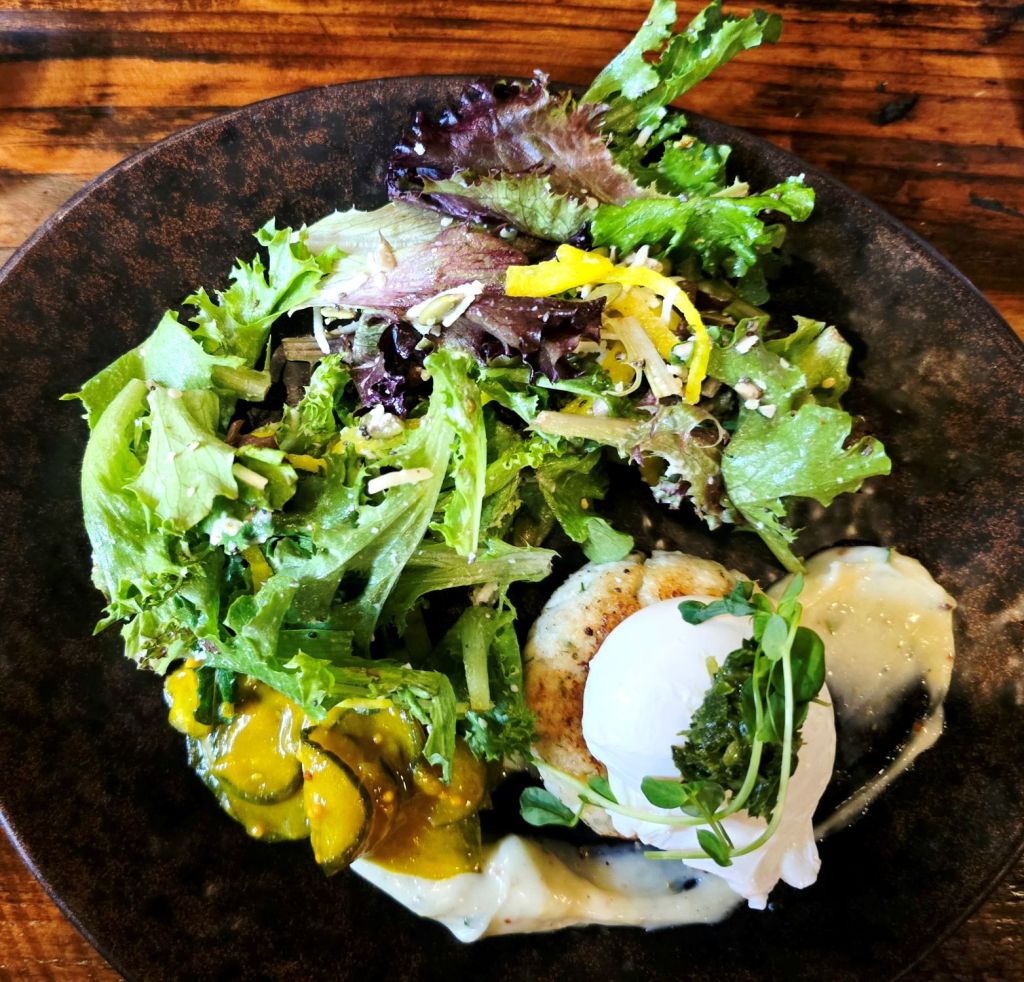
To become familiar with Halifax we did The Waterfront Seafood Tour with Curated Food Tours Company. We only had 6 participants on this tour and that made for a cozy afternoon and wonderful facts about the eating scene in Halifax. There were four stops; seafood chowder at Stones Throw, lobster roll from Water Polo, fish cake with poached egg from Black Sheep, and lastly artisanal ice cream (sorbet) and an assortment of decadent chocolates from Rousseau Chocolatier. All were amazing and delicious.

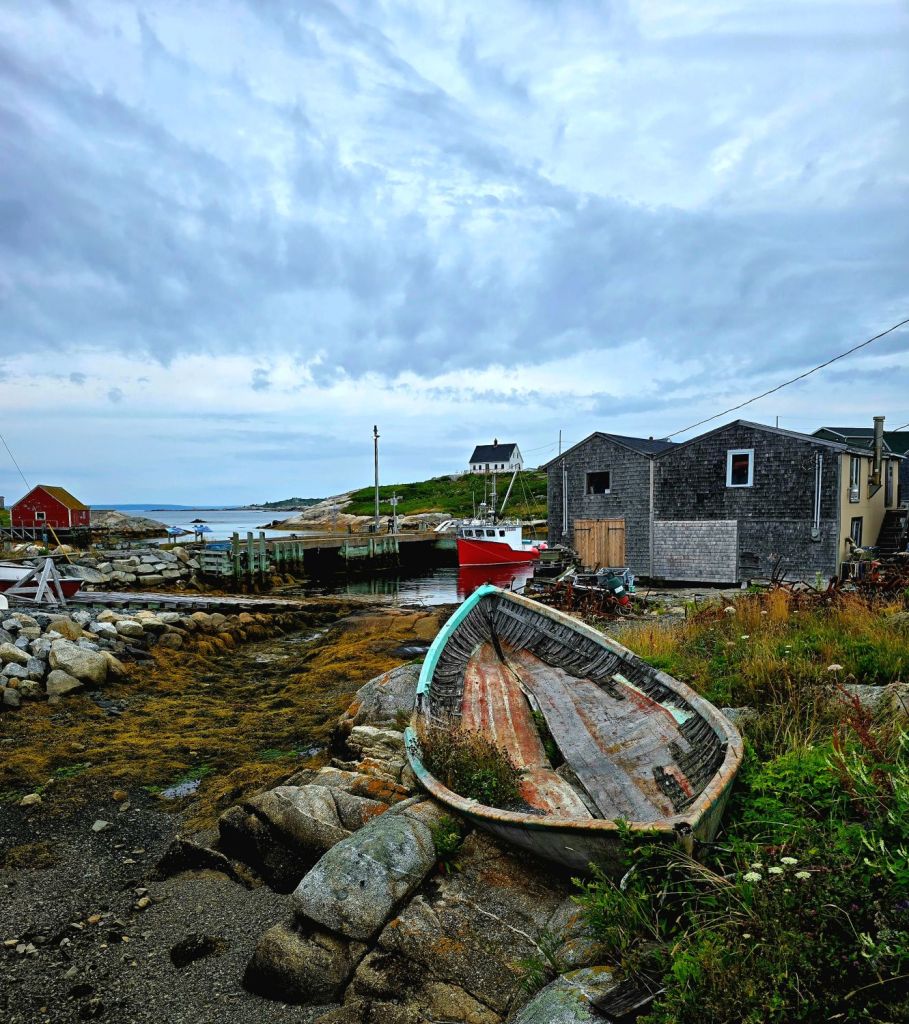
Peggy’s Cove was founded in 1811 when the province of Nova Scotia issued a land grant of more than 800 acres to six families of German descent. The settlers relied on fishing as the mainstay of their economy but also farmed where the soil was fertile. Today the town is a major tourist attraction, although its inhabitants still fish for lobster, and the community maintains a rustic undeveloped appearance.



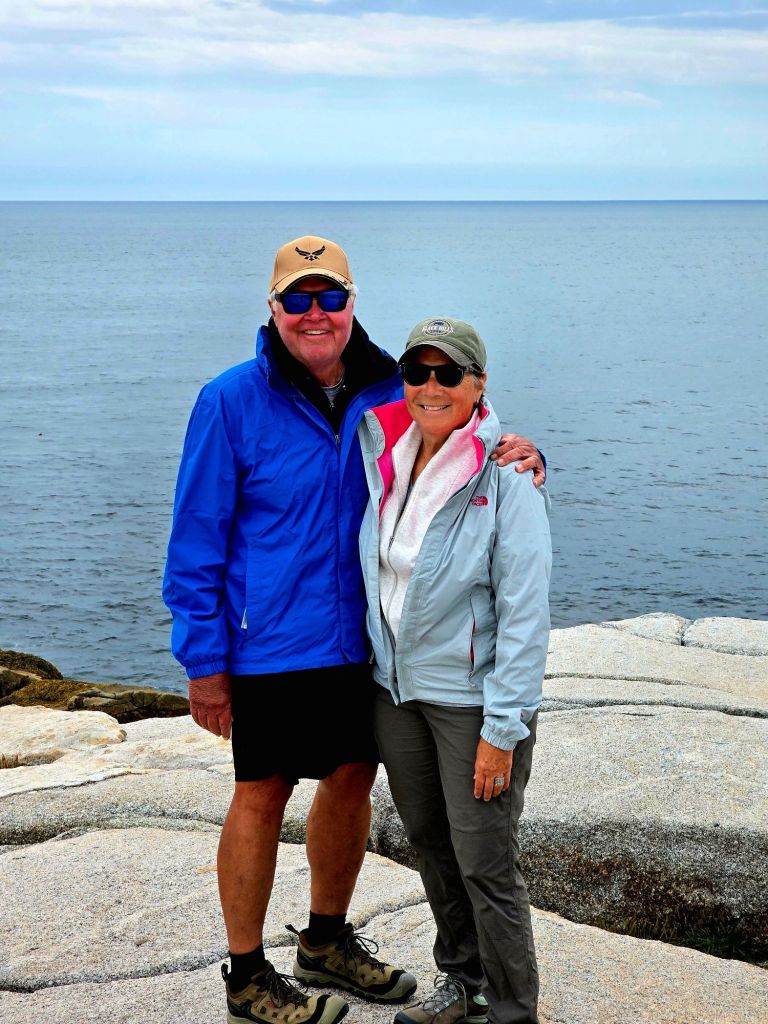
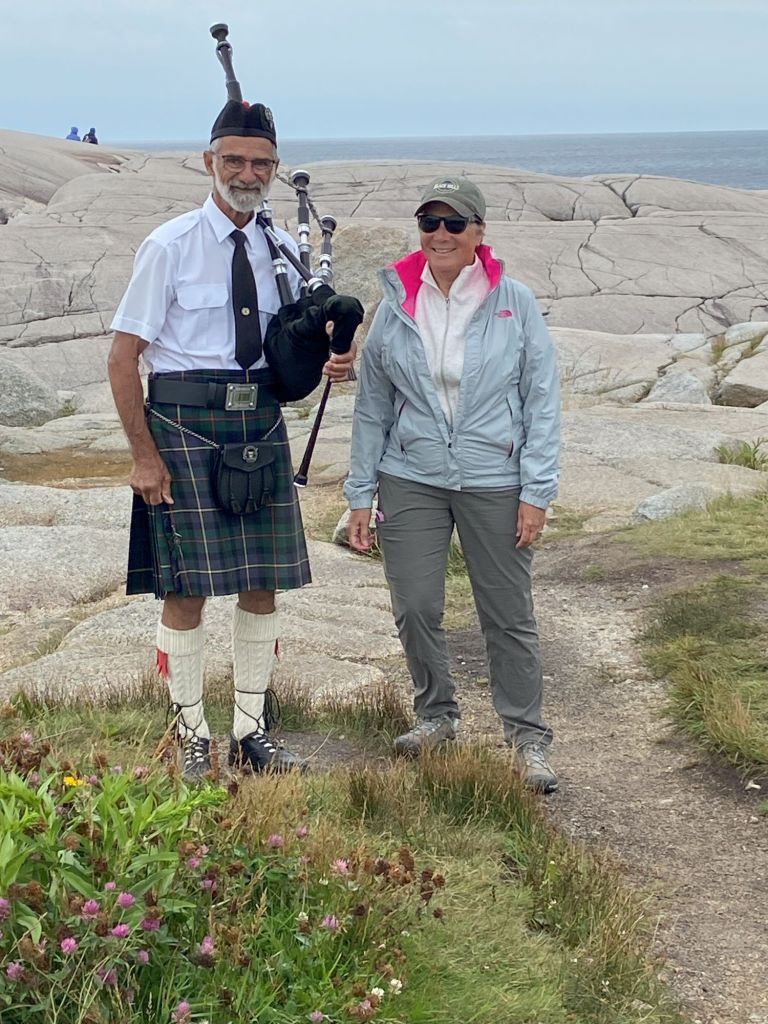


We did two wonderful rides with remote starts outside of Halifax. The Shelbourne area was a wonderful 38 mile coastal ride. Lots of ups and downs. In Lunenburg we did a 29 mile loop that had gorgeous scenery, low traffic roads and saw local cyclists too!
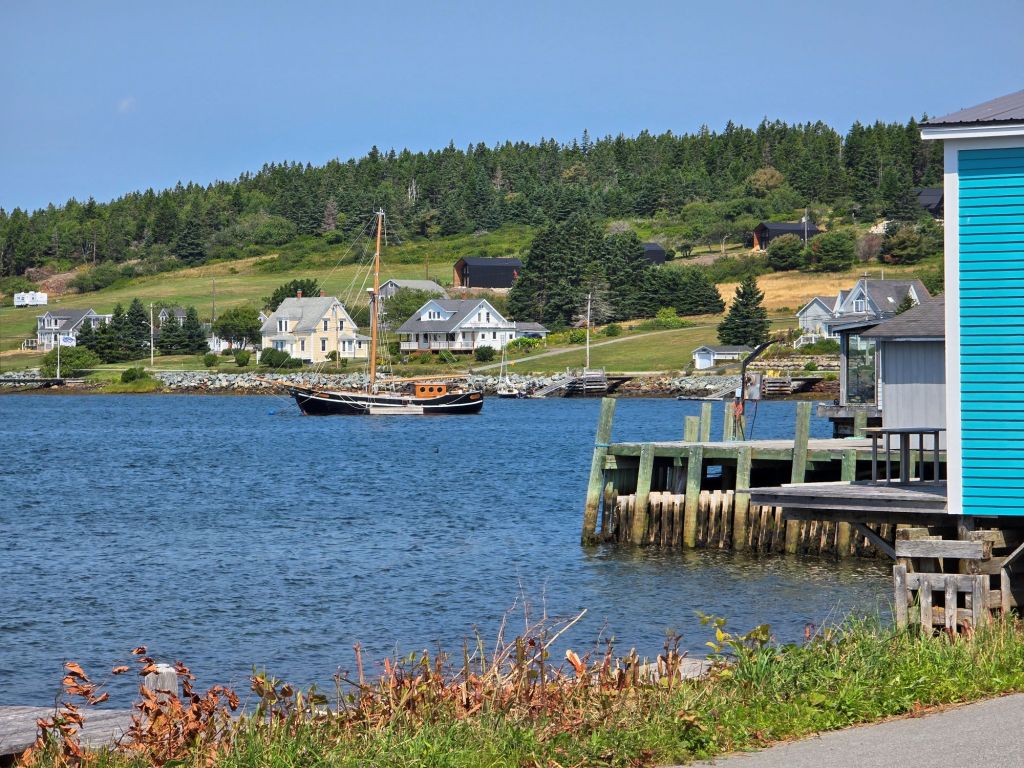
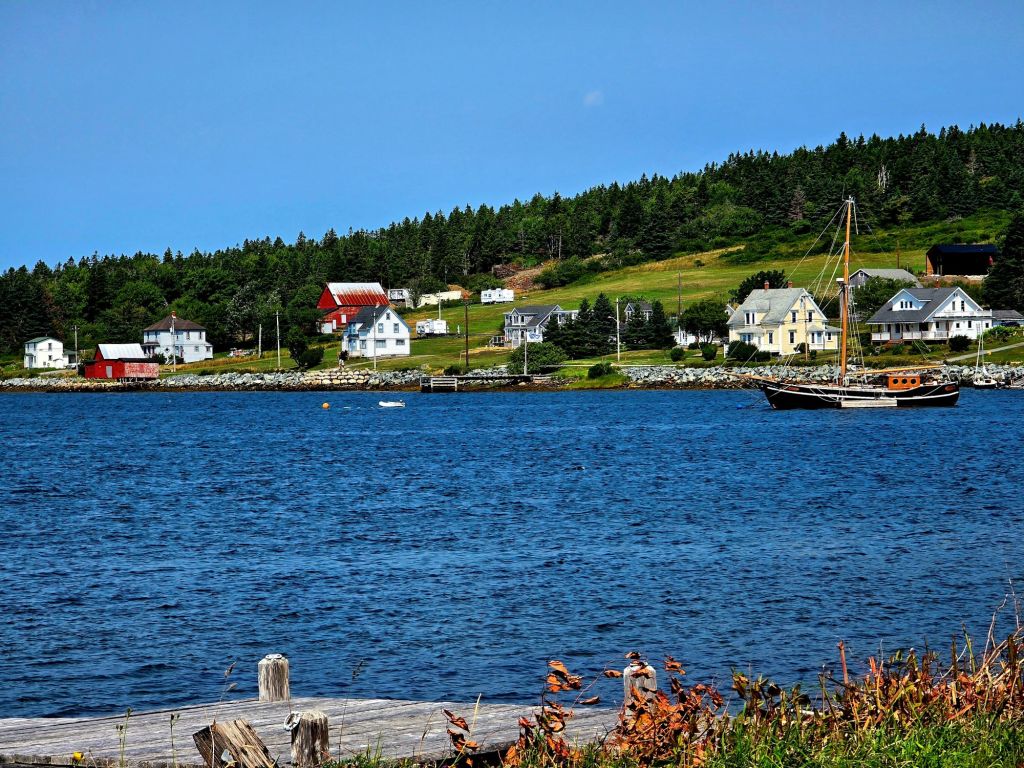
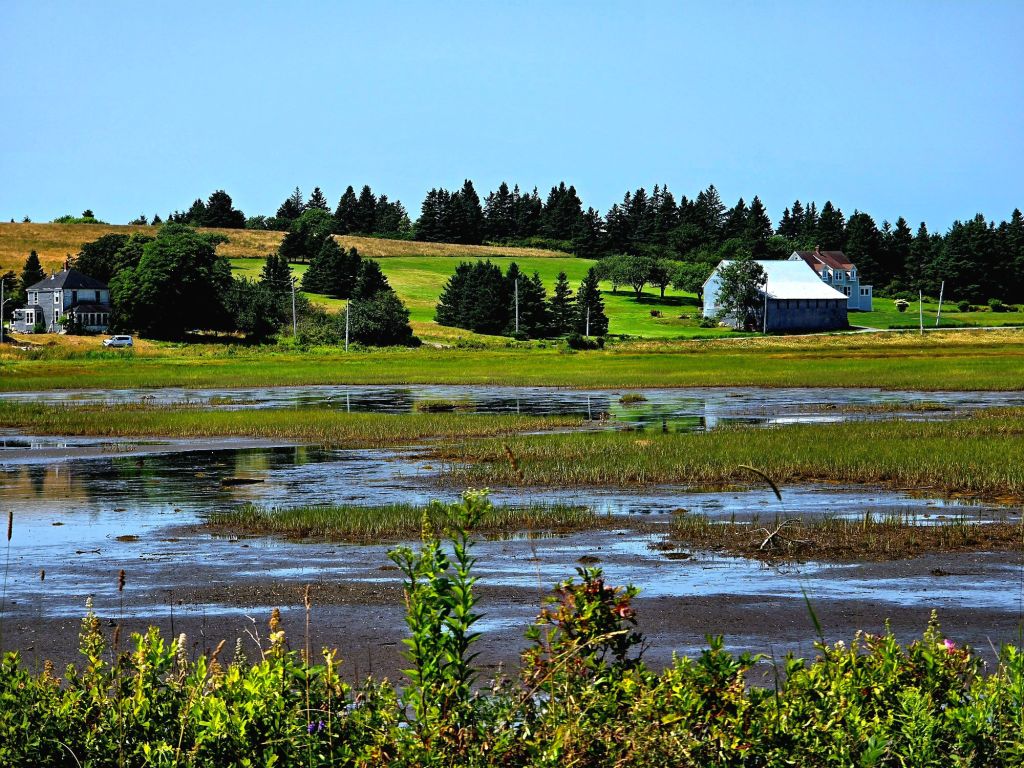
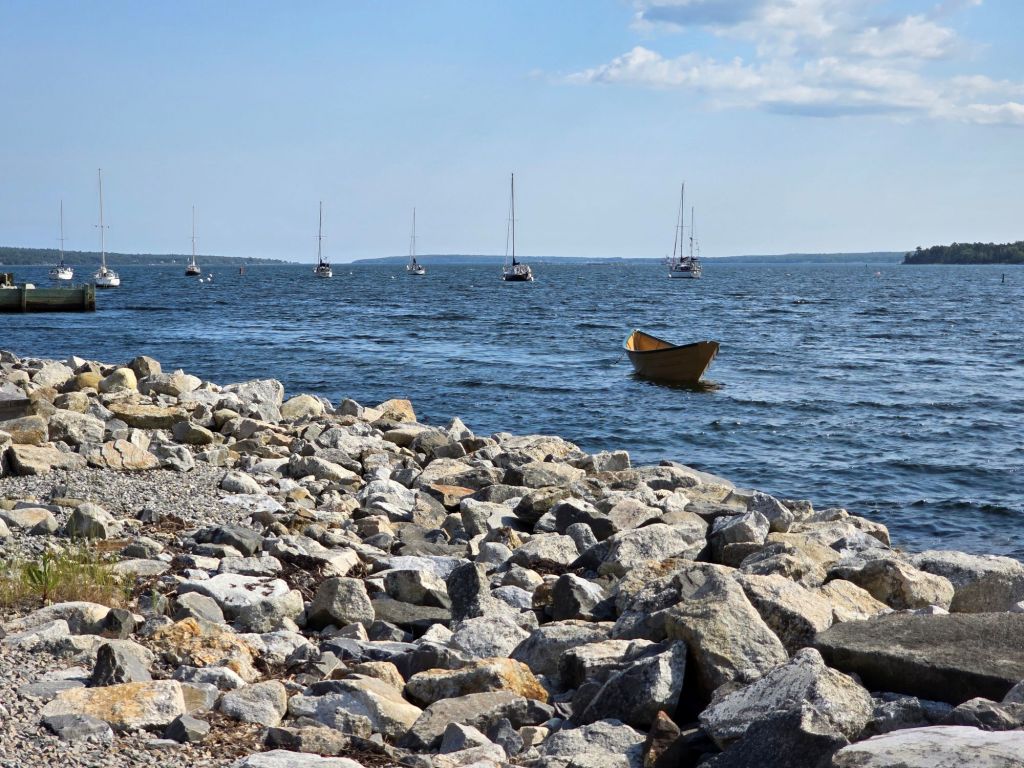
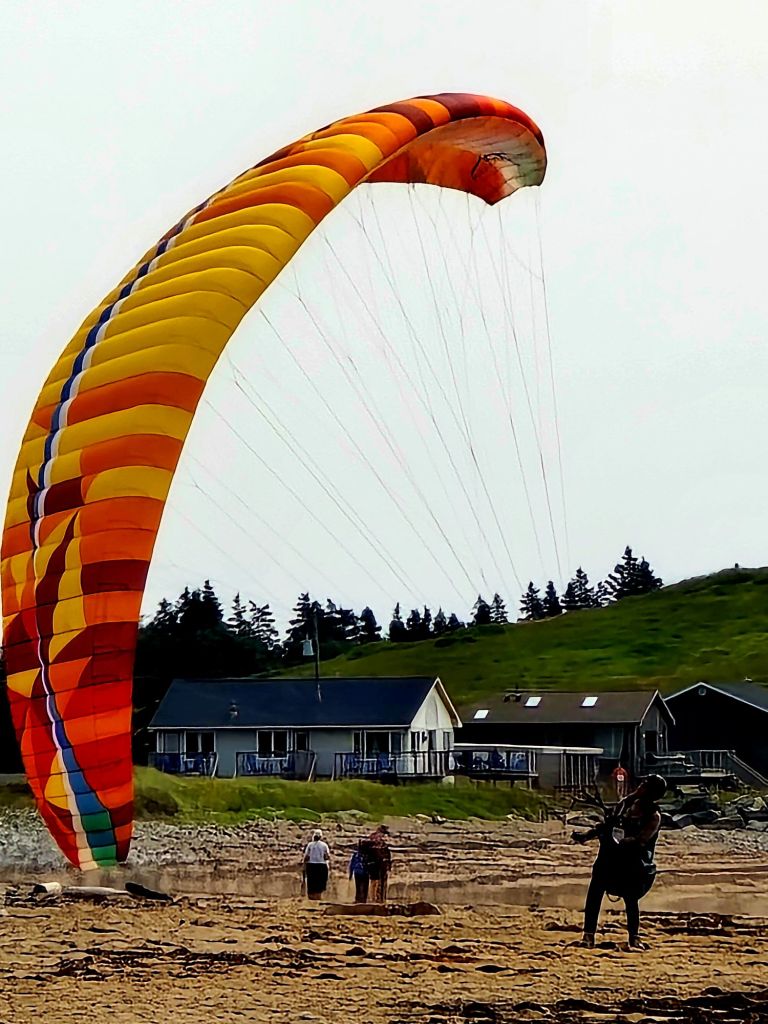
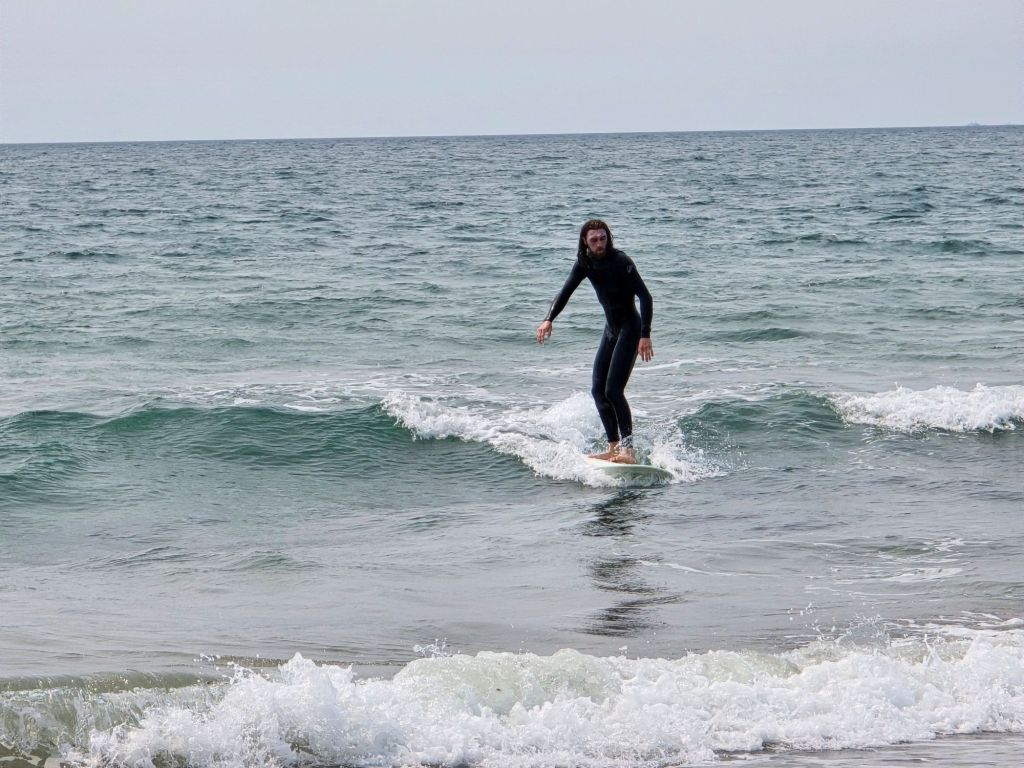
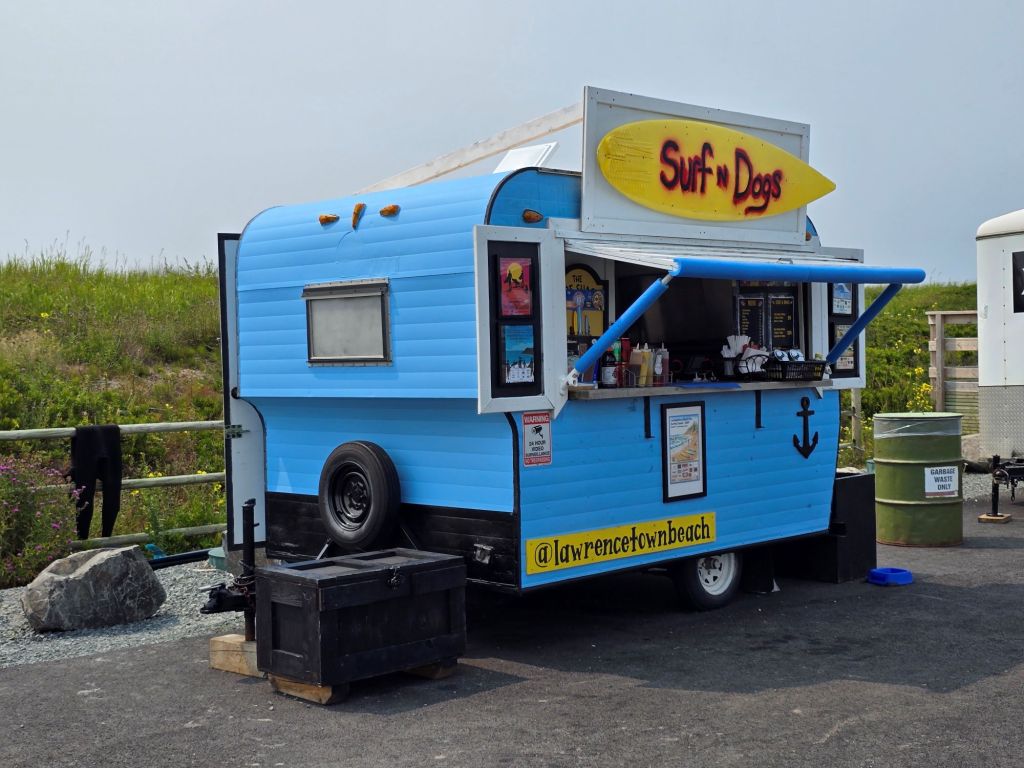
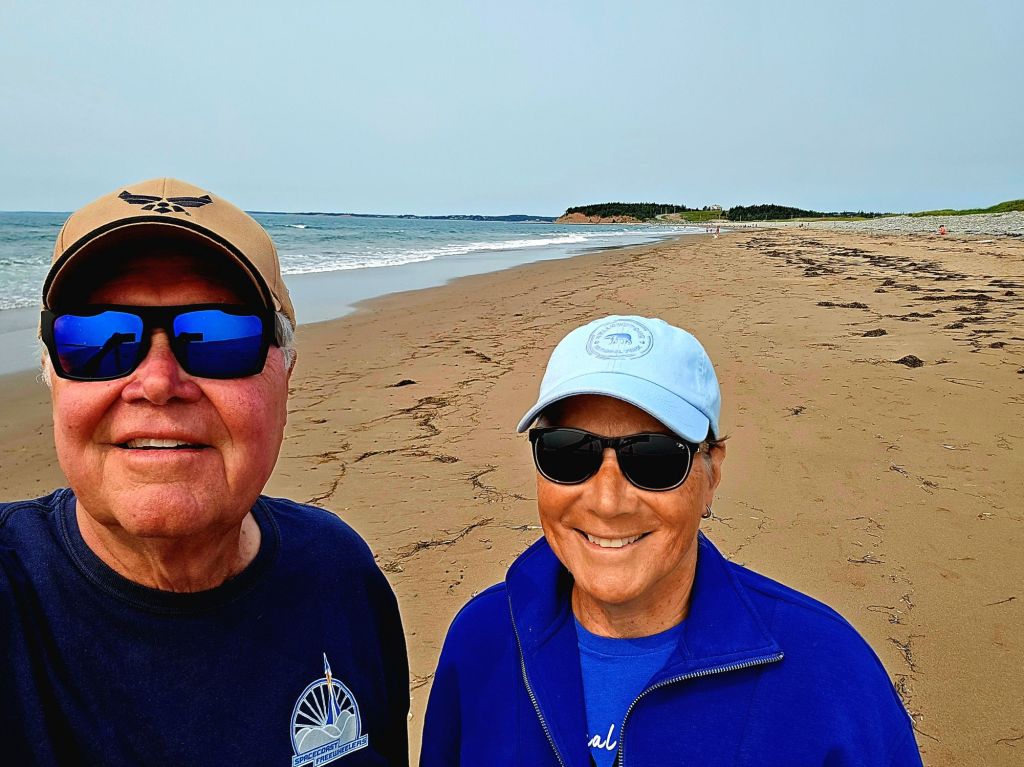
A surprise was Lawrencetown Beach which is noted for its surf, and is a mainstay of surfers living here or visiting the province. We enjoyed walking the beach, watching surfers and a hang glider attempting to take off. Not sure if he was just practicing or??

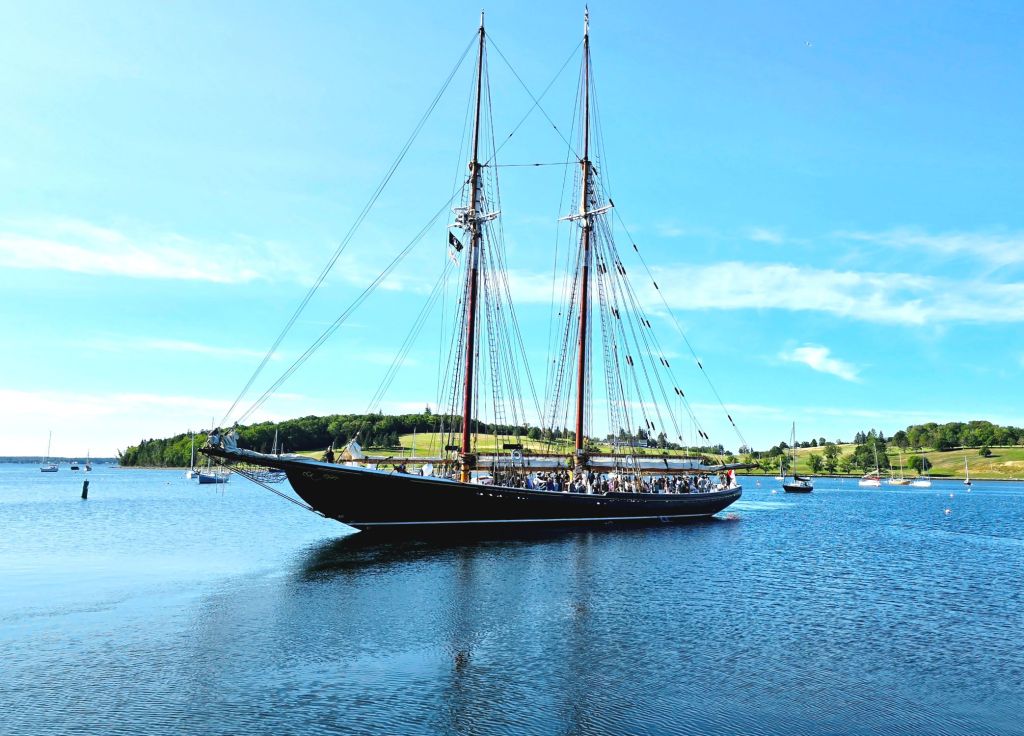
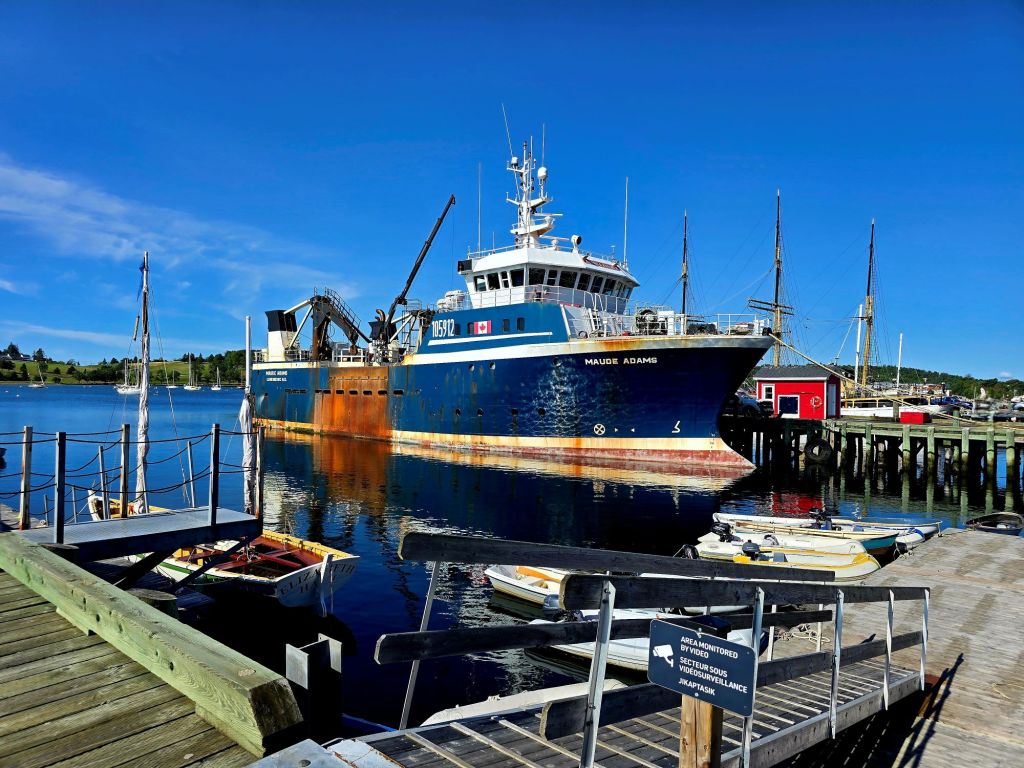
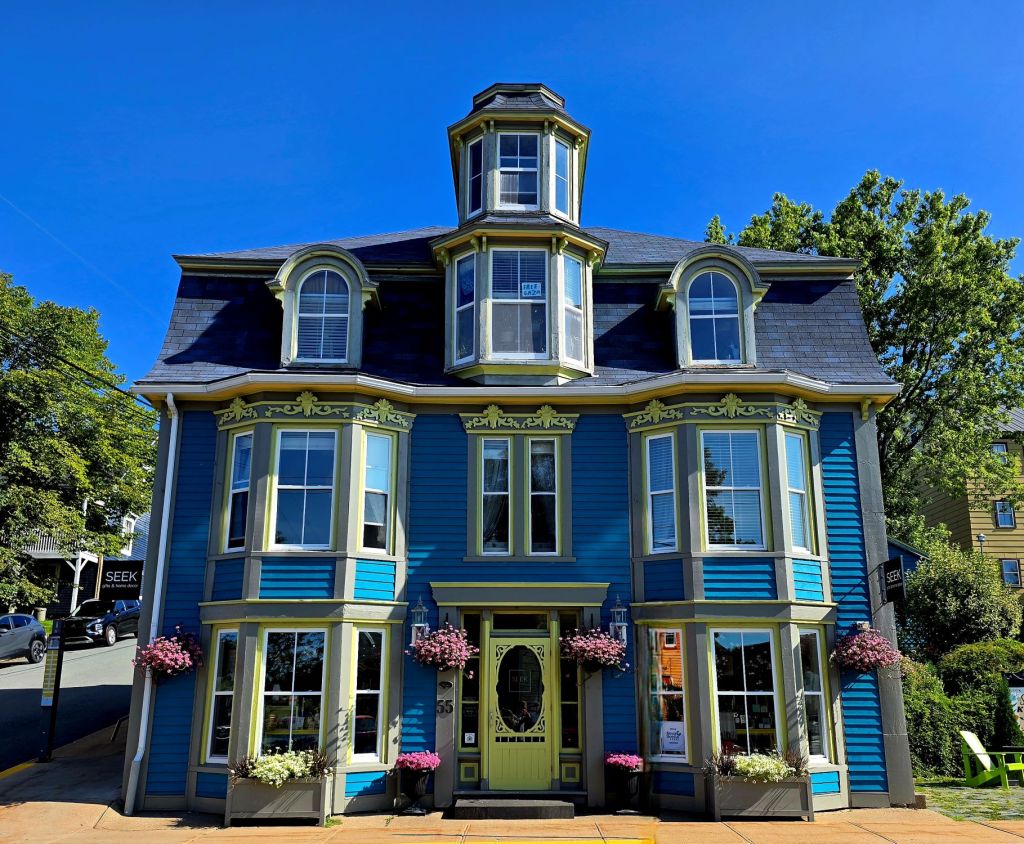
We stopped in Luneburg again for a walk about town. The town was founded in 1753, and was one of the first British attempts to settle Protestants in Nova Scotia. Historically, Lunenburg’s economy relied on the offshore fishery, and today it hosts Canada’s largest secondary fish-processing plant.
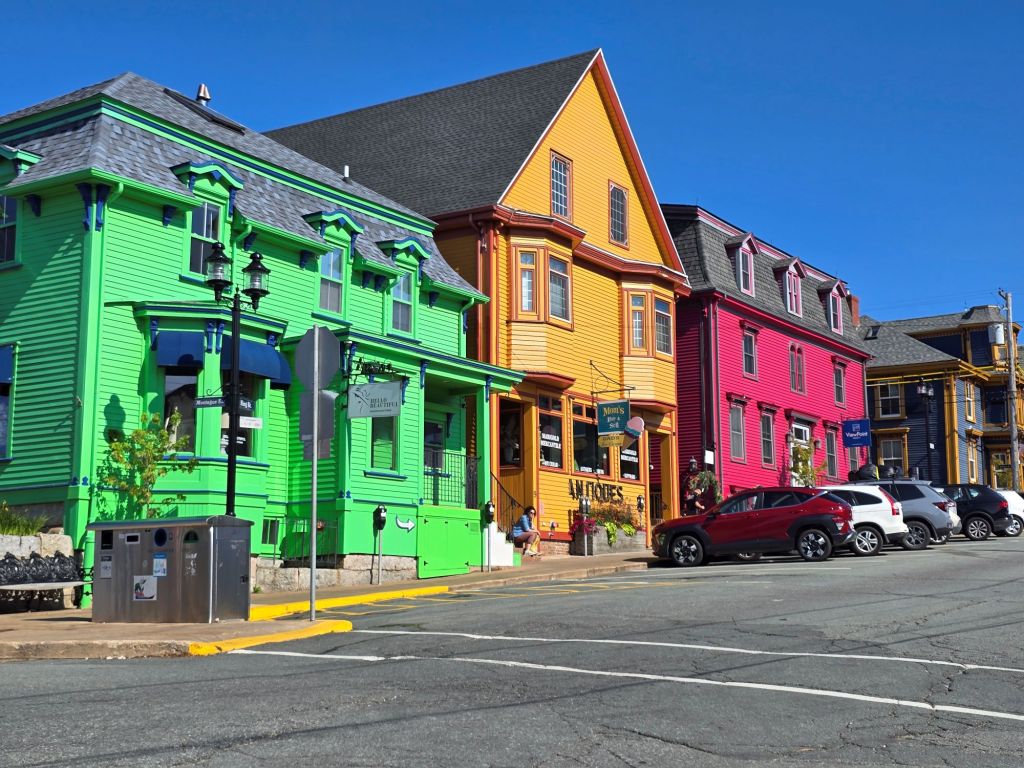
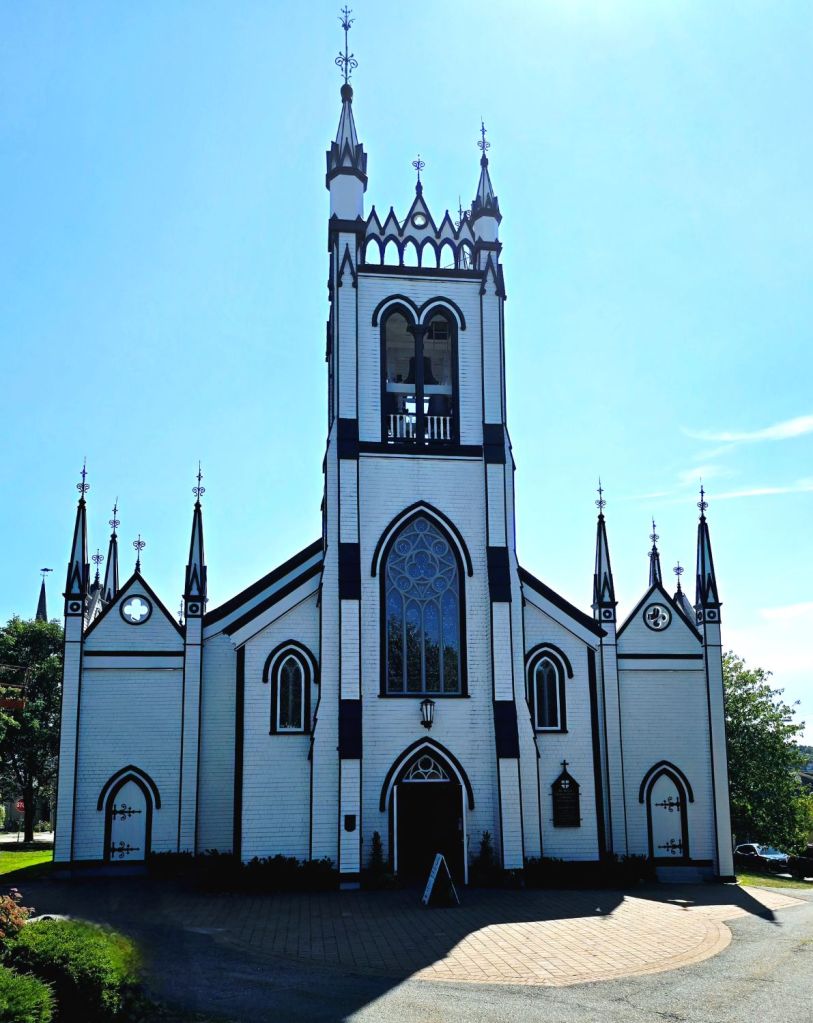
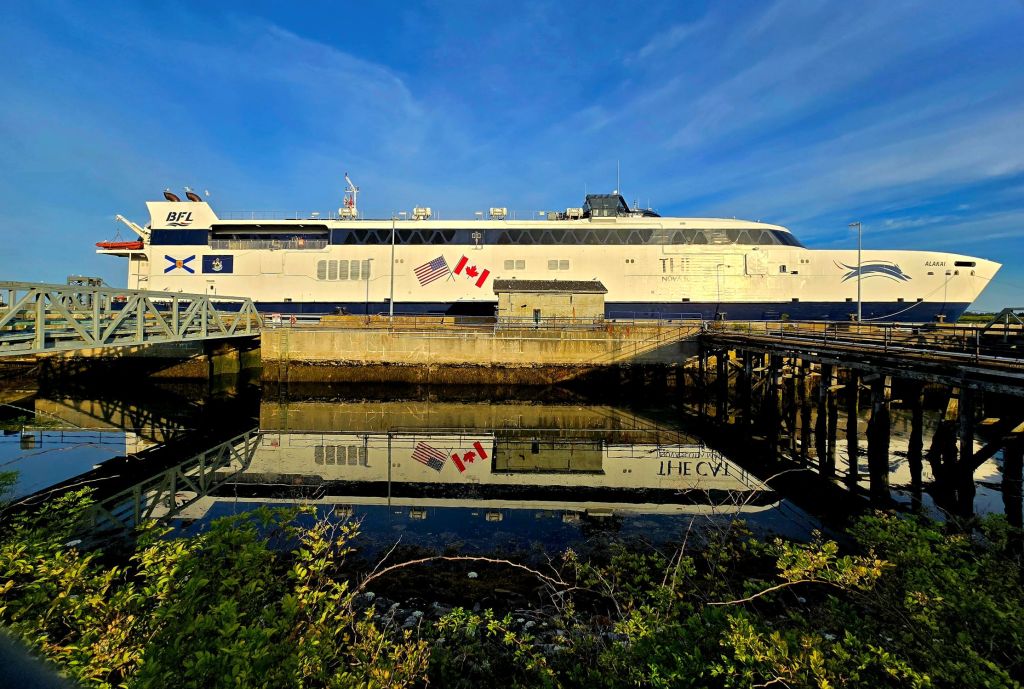
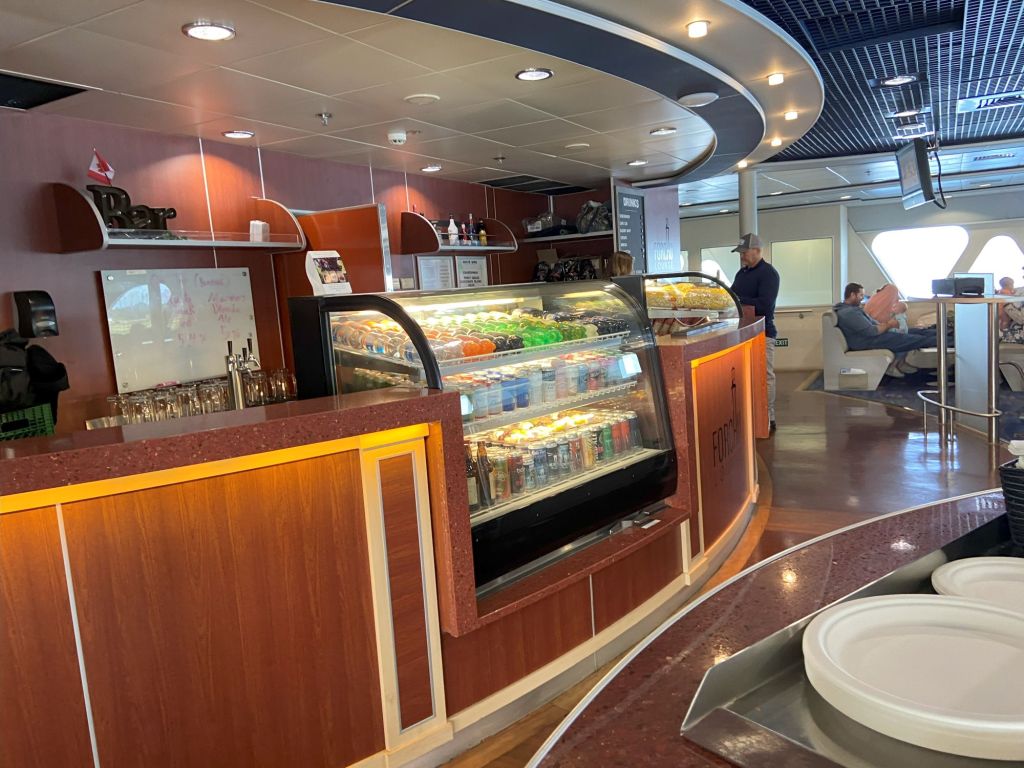
Our last night of the trip in Canada was Yarmouth, Nova Scotia. It is a port town in southwestern Nova Scotia at the entrance to the Gulf of Maine. We modified our trip back to the States and decided to do the ferry from Yarmouth to Bar Harbor, Maine. Although the ferry ride was 3.5 hours it did save us driving time and a more direct route. Again the ferry had it all! Certainly made life easy for the return to the states.

We have a few more days before we land back in Ocala. We still have West Point, Amish country in Pennsylvania to visit and then a Caputo Family reunion near Cleveland before we head back home. Stay tuned.

 Adventures of Tin Can Lulu
Leave a comment