
Our first stop in southwest Montana was the town of Dillon. The city was founded as a railroad town in 1880 for the Utah and Northern Railway. The location was chosen due to its proximity to the gold mines in the area. Silver was discovered first, but in 1862 gold was discovered at Grasshopper Creek. In 1884 Dillon became incorporated and began building permanent dwellings and sidewalks for the residents. Dillon survived the decline of the gold mining due to the railroad and talc mining in the area. The cattle industry was established in 1865 and sheep ranching was introduced in 1869. Dillon was once the largest exporter of sheep wool in Montana.
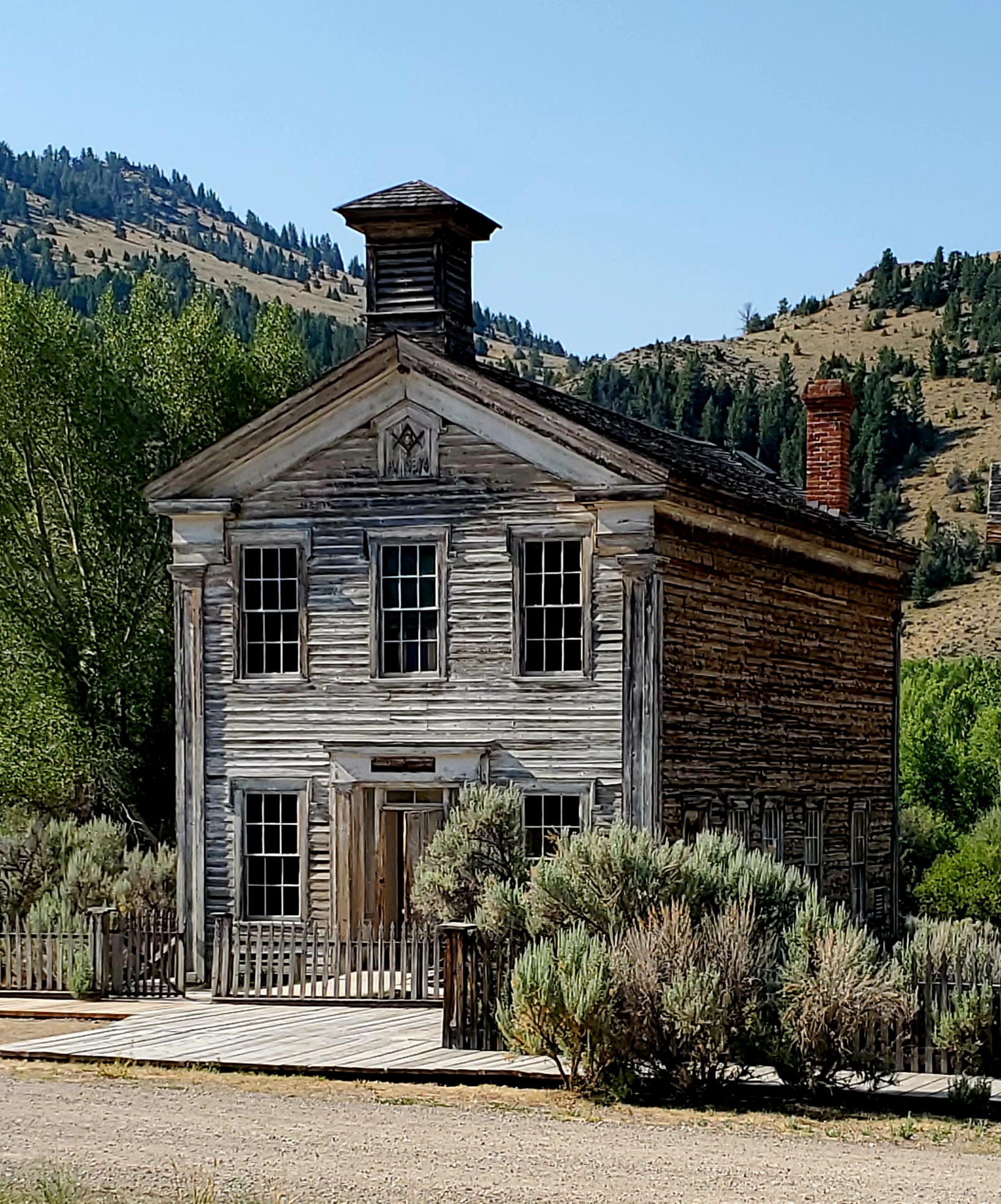
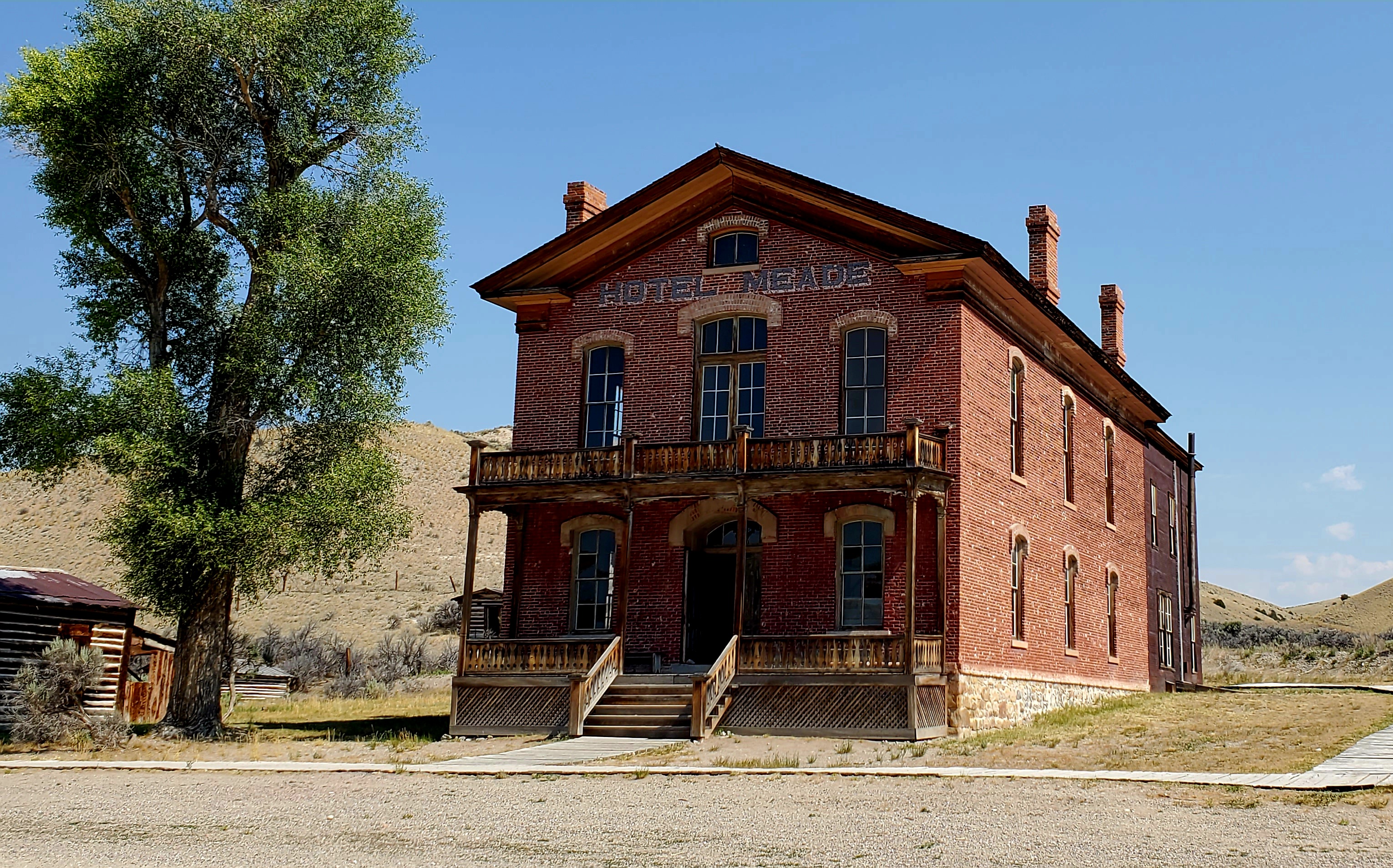
There are several ghost towns in and around Dillon. We visited Bannack where a big gold rush began in 1862 at Grasshopper Creek. Bannack was a mining camp that had a population of 400 in the fall and by spring of 1863 had swelled to 3000. Bannack was the first capital of the territory and later state of Montana.
Various methods were used to mine the gold over the years. First was panning in the creek but as the gold faded out hydraulic mining transpired and lasted for over 40 years. Dredging and hard rock mining also was used in the area to mine the gold.
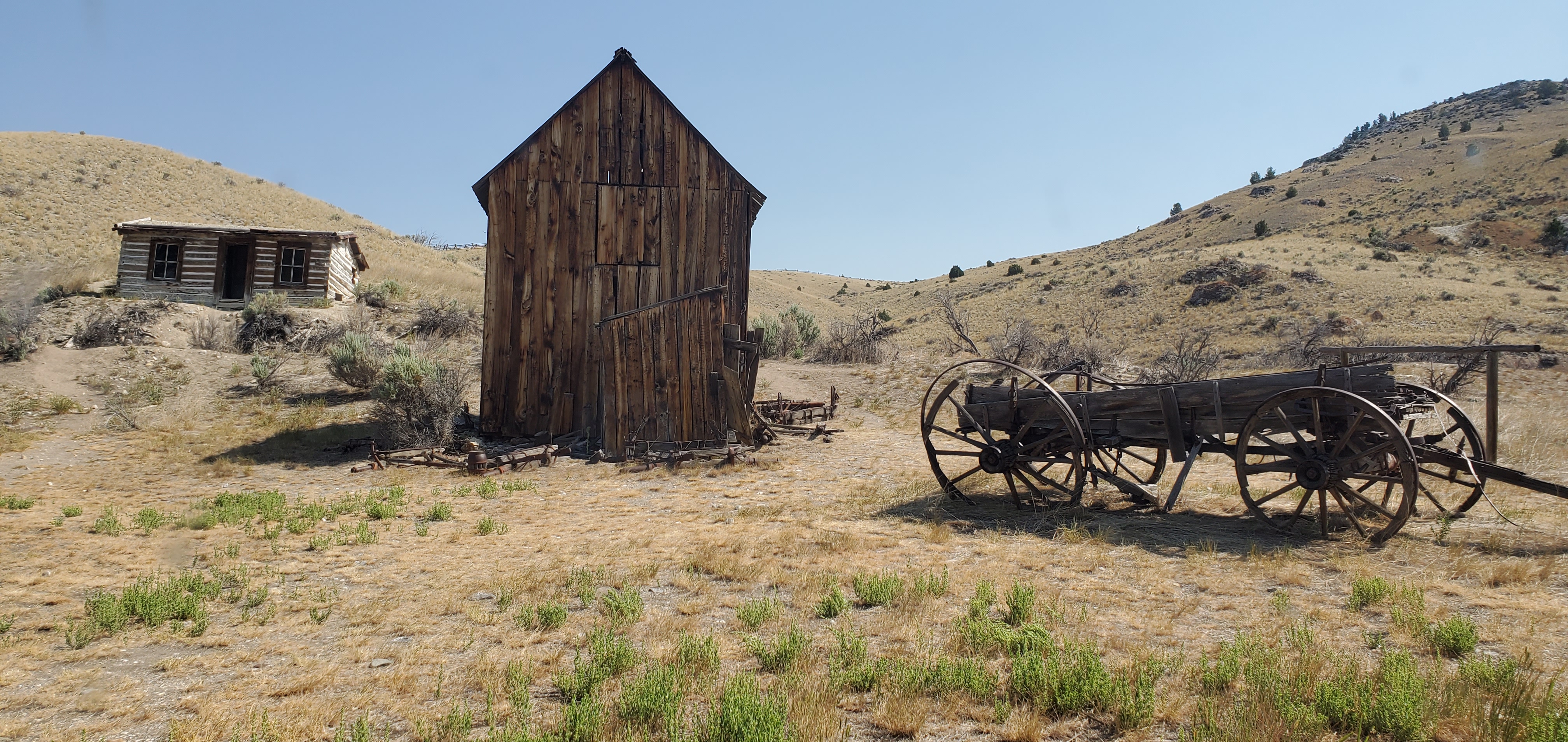
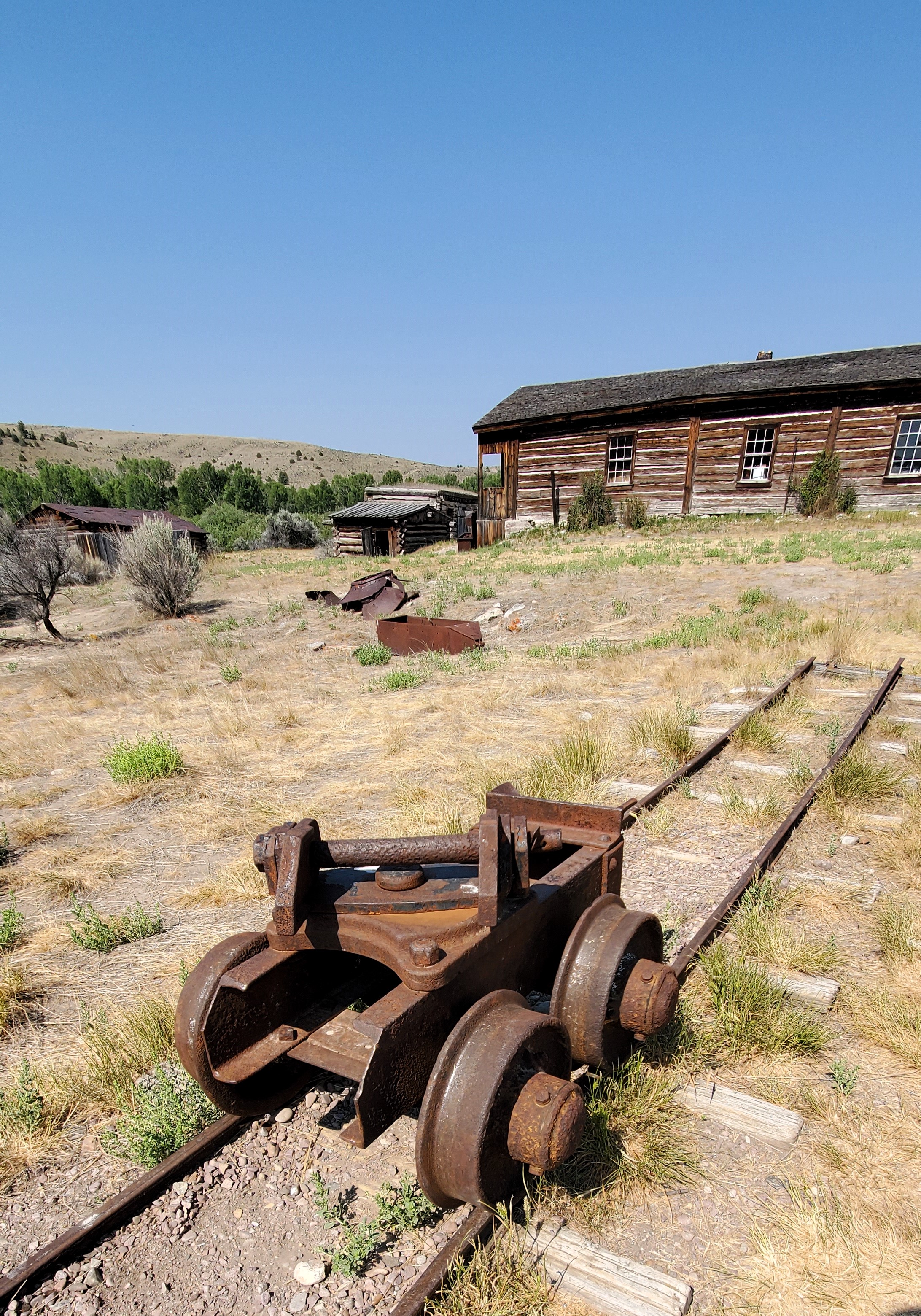

With the decline of mining people began to leave. In 1938 the post office closed, in 1950 the school closed and there was no grocery or doctor left. In 1940 a group of concerned citizens began to preserve the town and by 1954 the land was donated to the state of Montana with the stipulation that Bannack was not to be made into a tourist town, but to preserve the ghost town as is. Hence Bannack State Park was created.
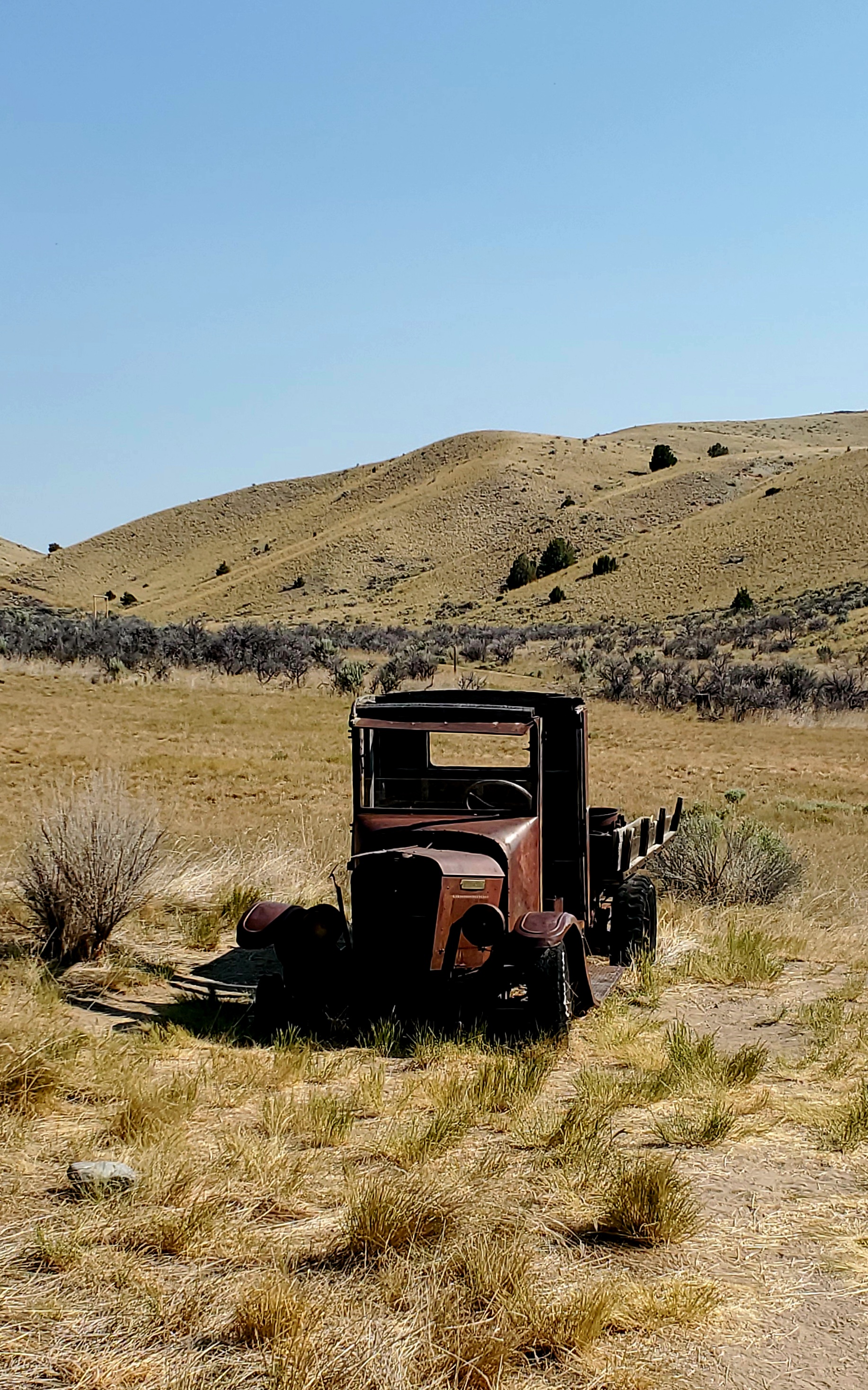
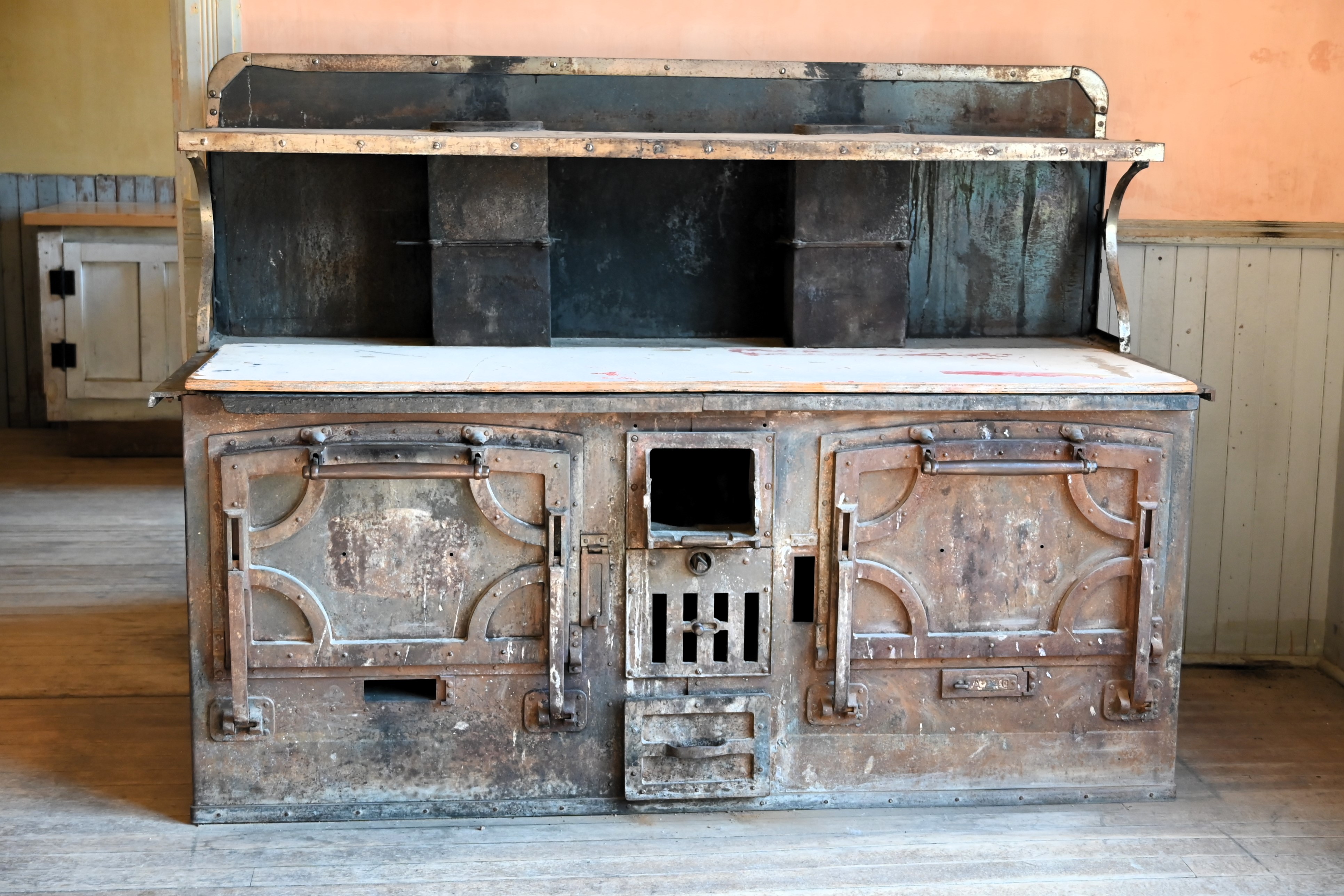
Today there are over 50 buildings remaining in Bannack. On our self-guided tour, we were able to enter many of the buildings. A great way to see the history of that time and how folks lived.


 Adventures of Tin Can Lulu
Leave a comment