
After a couple of days in Dillon we drove to Bozeman. Bozeman is the fourth largest city in Montana. It was incorporated in 1864, and during its early history fishing, skiing, and Montana State University were established and still are important to the area today.
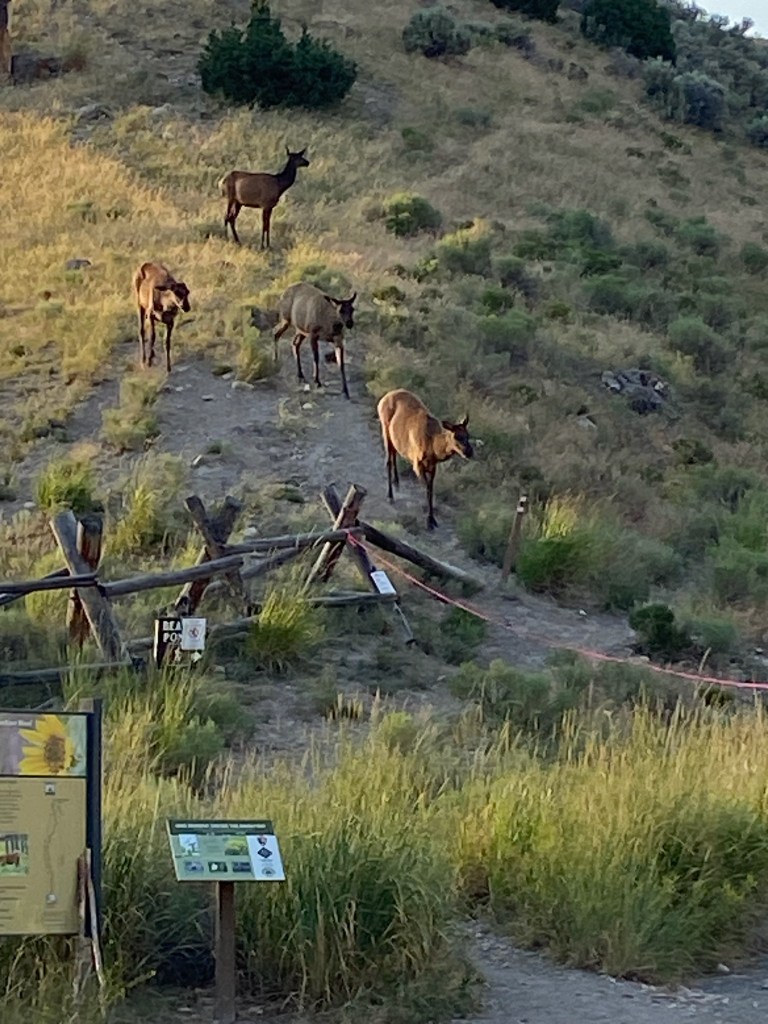
Bozeman is 93 miles north of Yellowstone National Park. We had been to the park several years ago and always wanted to go back and see more of this enormous national park. We focused on Mammoth Hot Springs and the Grand Canyon of the Yellowstone. We opted to leave the Tin Can Lulu at the campground in Bozeman and spent a night at the Mammoth Hot Springs Hotel in one of their cabins.
The hotel opened in 1883 with 150 rooms and electric lights. There were many additions to the hotel over the years, and by 1936 the structure was becoming unsound and had to close. To accommodate the visitors the cabins, a restaurant and recreation facility were added as the renovations were made and the hotel reopened in 1937. In 2019 bathrooms were added to all rooms! Yippee for us!!

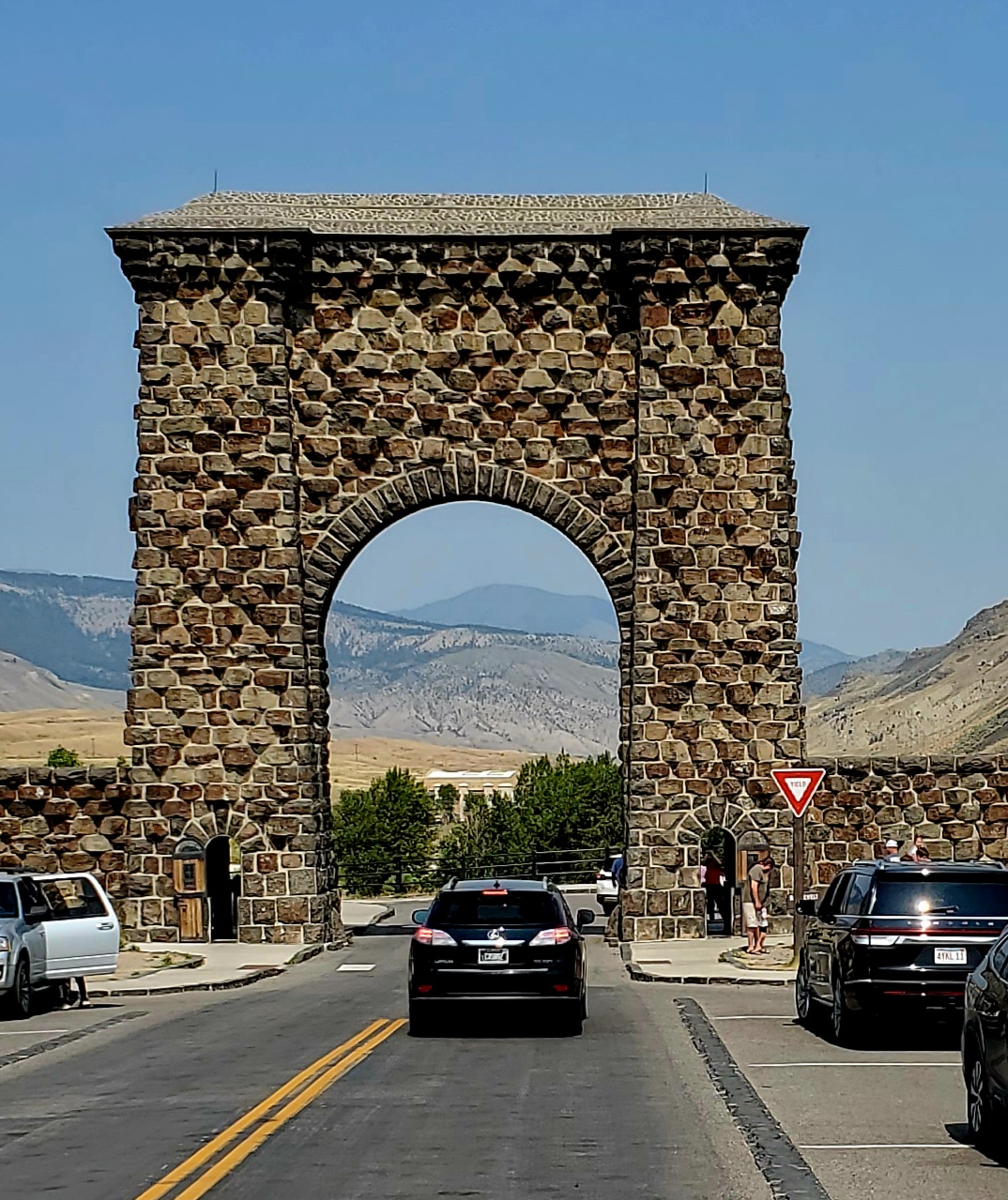
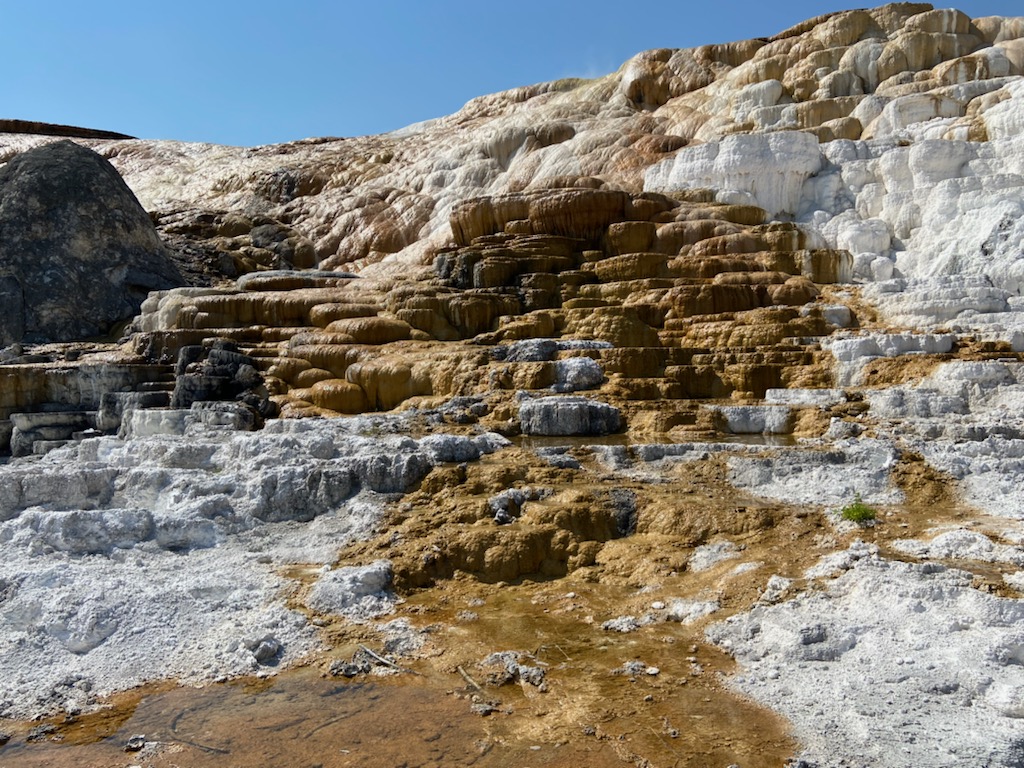
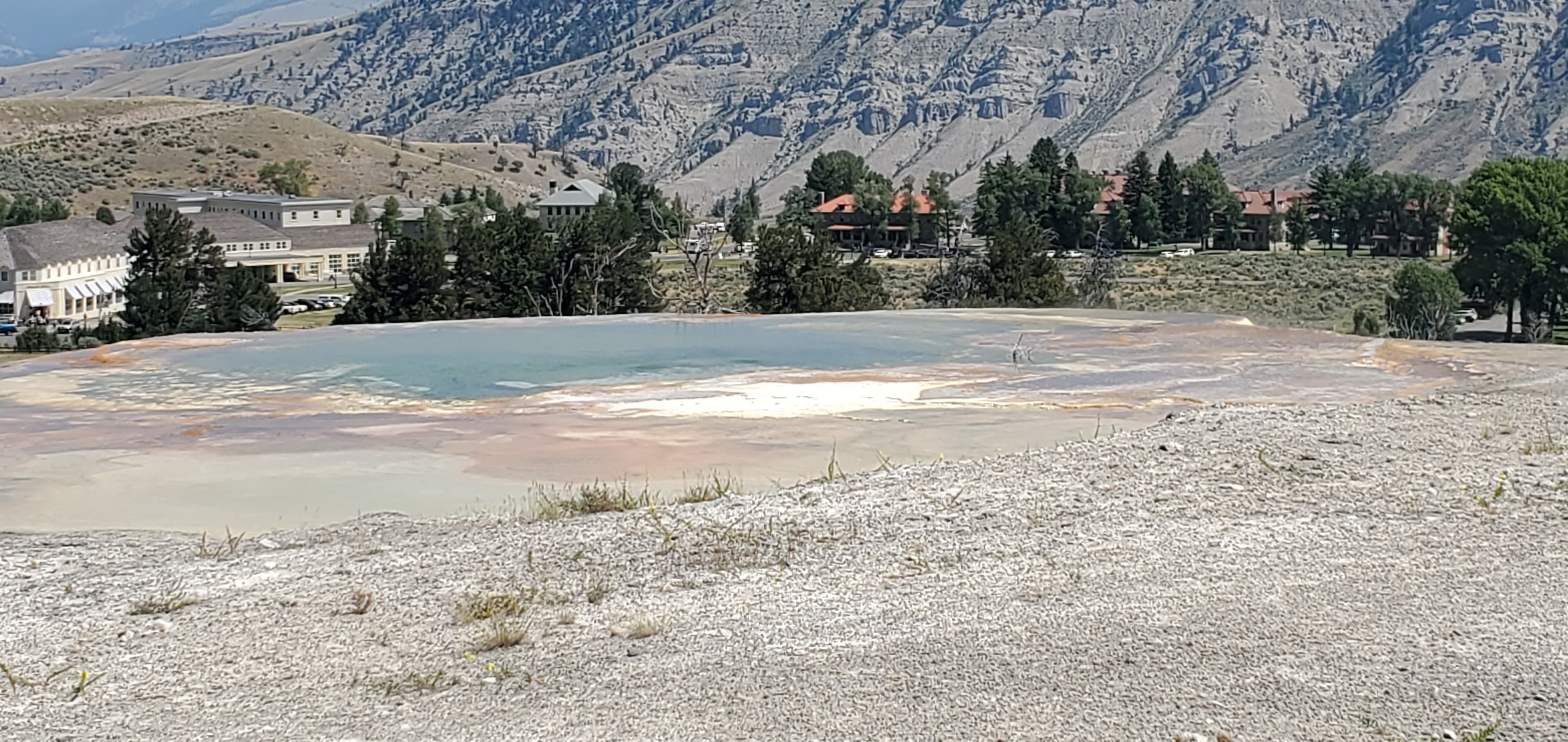
Yellowstone NP Headquarters is located in Mammoth Hot Springs at Fort Yellowstone. For the decade after Yellowstone NP was established in 1872, the park was under serious threat from poachers, souvenir hunters, and developers setting up camps for tourists near the hot springs. Congress would not appropriate any funds for the park in 1886. The park then turned to the US Army for help. From 1886 to 1918, Company M, First US Calvary came to Yellowstone. In 1910 there were 324 soldiers that patrolled the park by horse and on skis in the winter. The Army left the park in 1918 after Yellowstone was put under control of the National Park system.
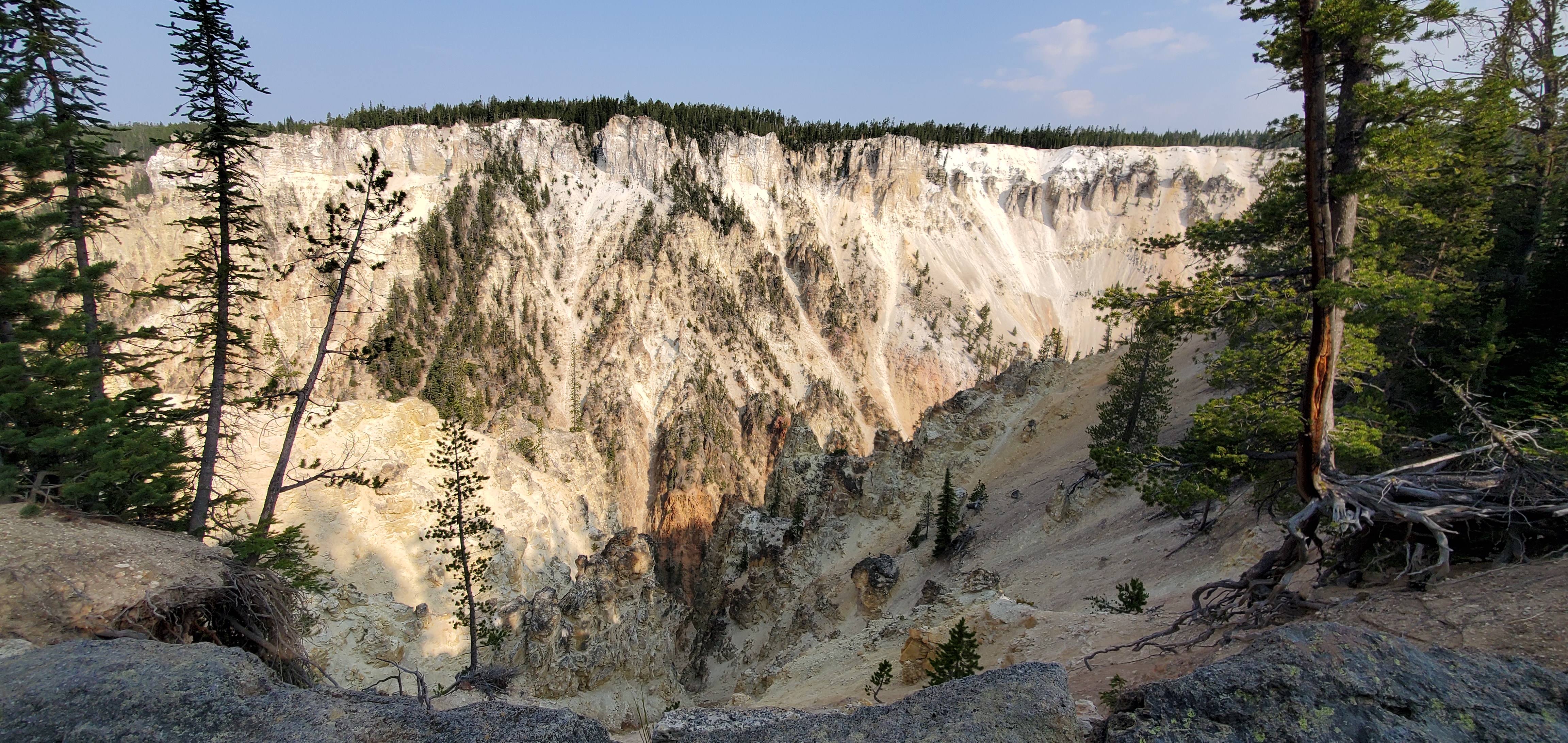
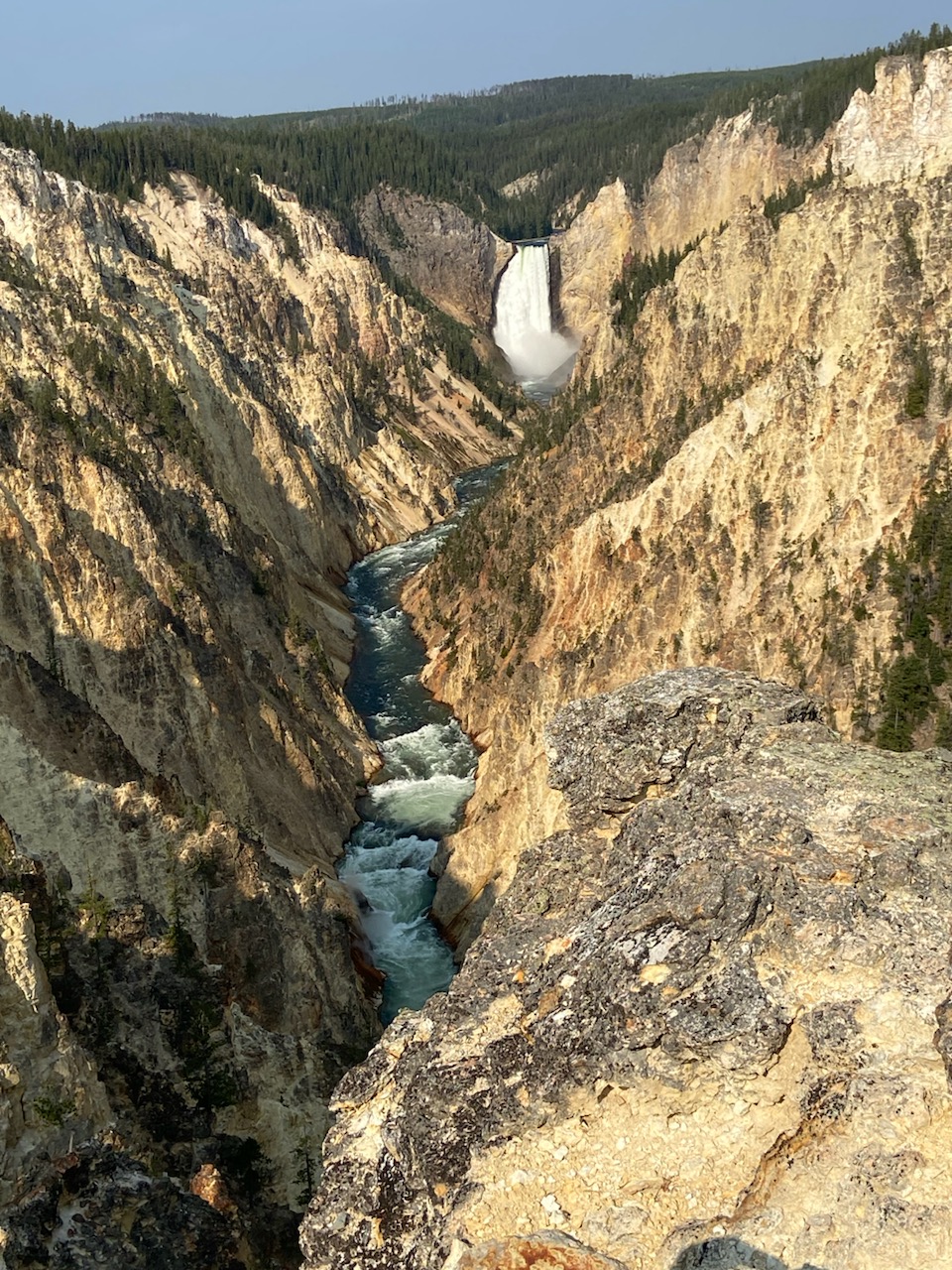
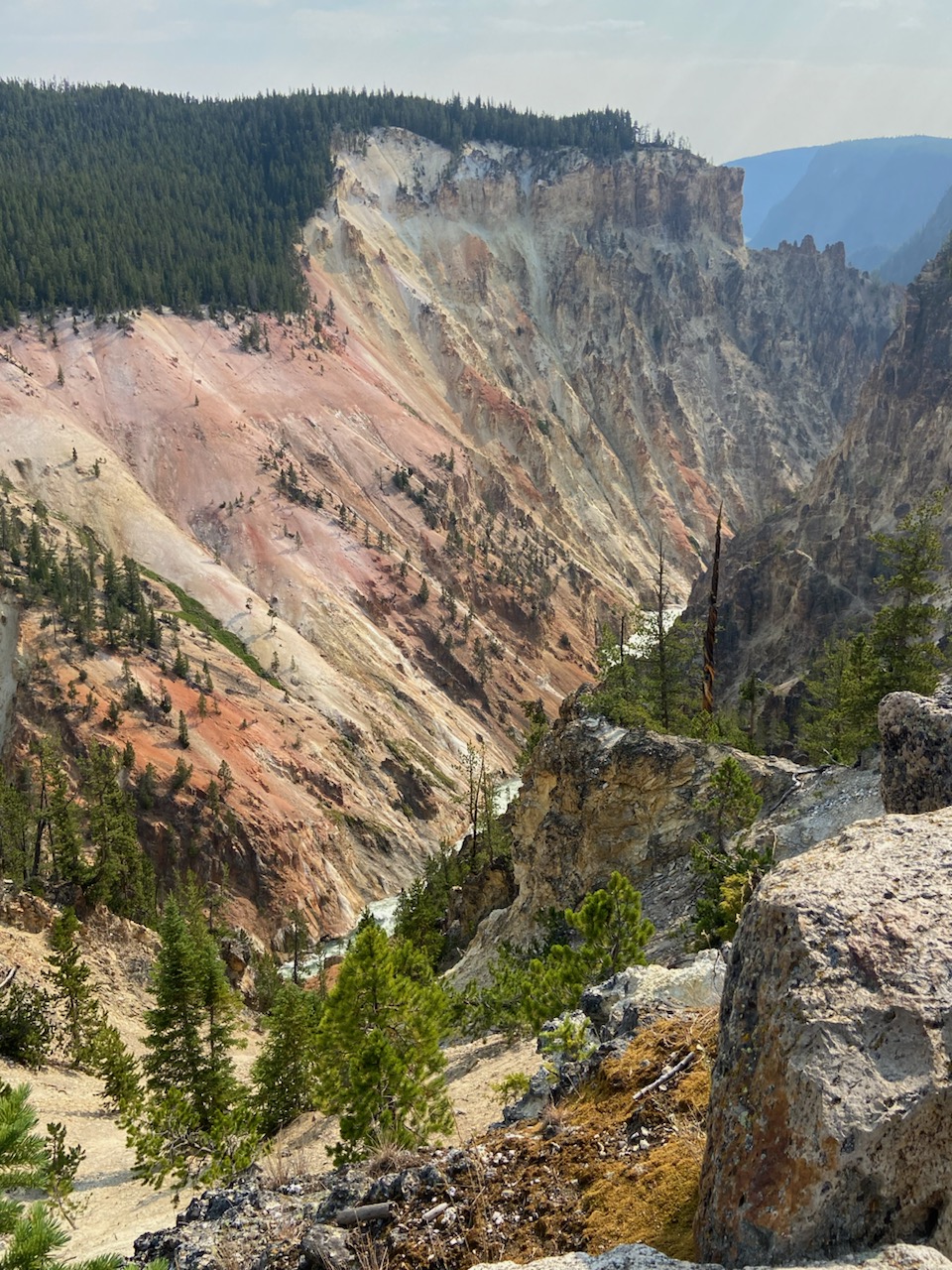
On our drive to Yellowstone the highway paralleled with the Yellowstone River. The river is a tributary of the Missouri River and is approximately 692 miles long. The Grand Canyon of the Yellowstone has two waterfalls (Upper and Lower) that are fed from the Yellowstone River. The Grand Canyon was formed by erosion as the Yellowstone River flowed over softer less resistant rock, and is roughly 20 miles long starting at the Upper Falls and ending at the Tower Fall area.
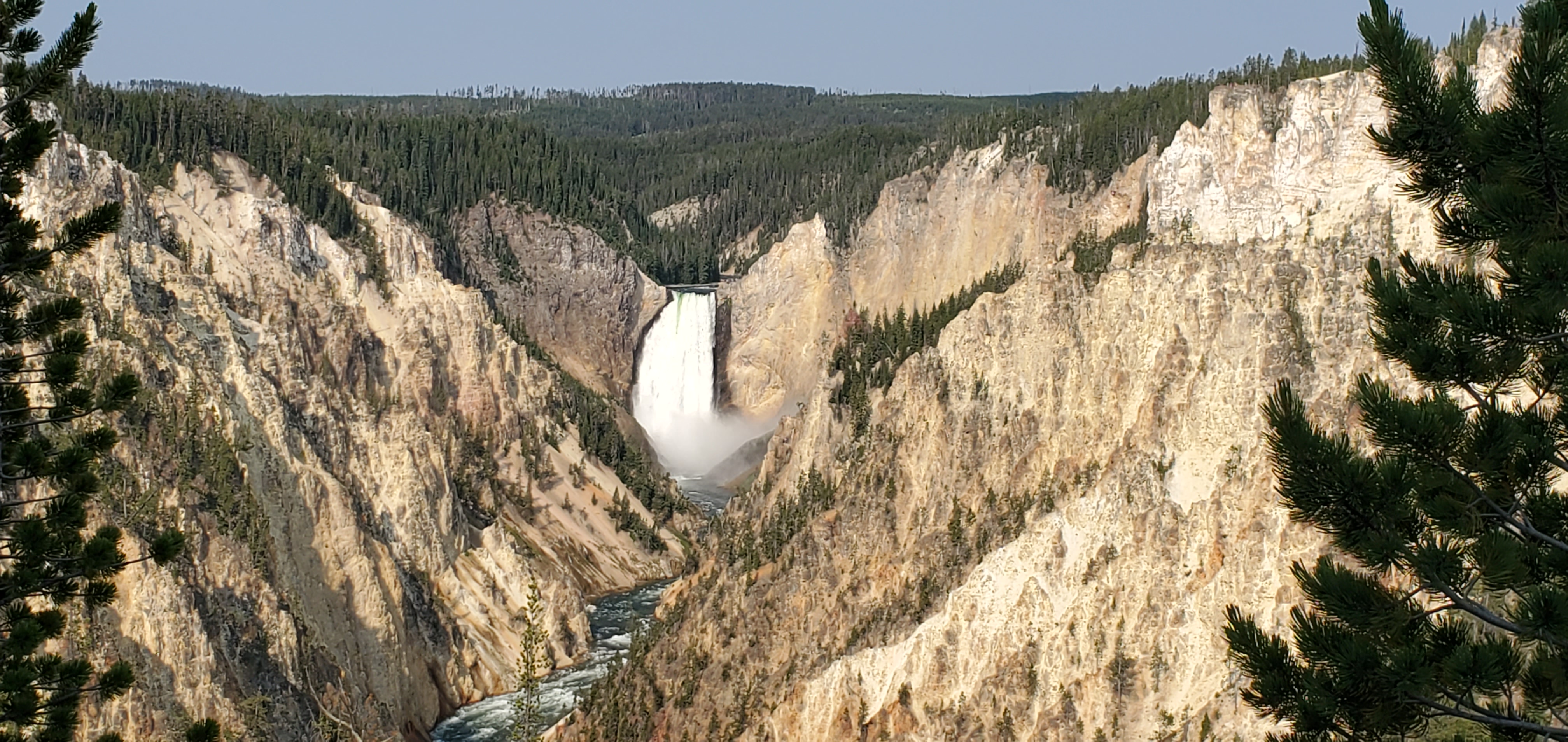
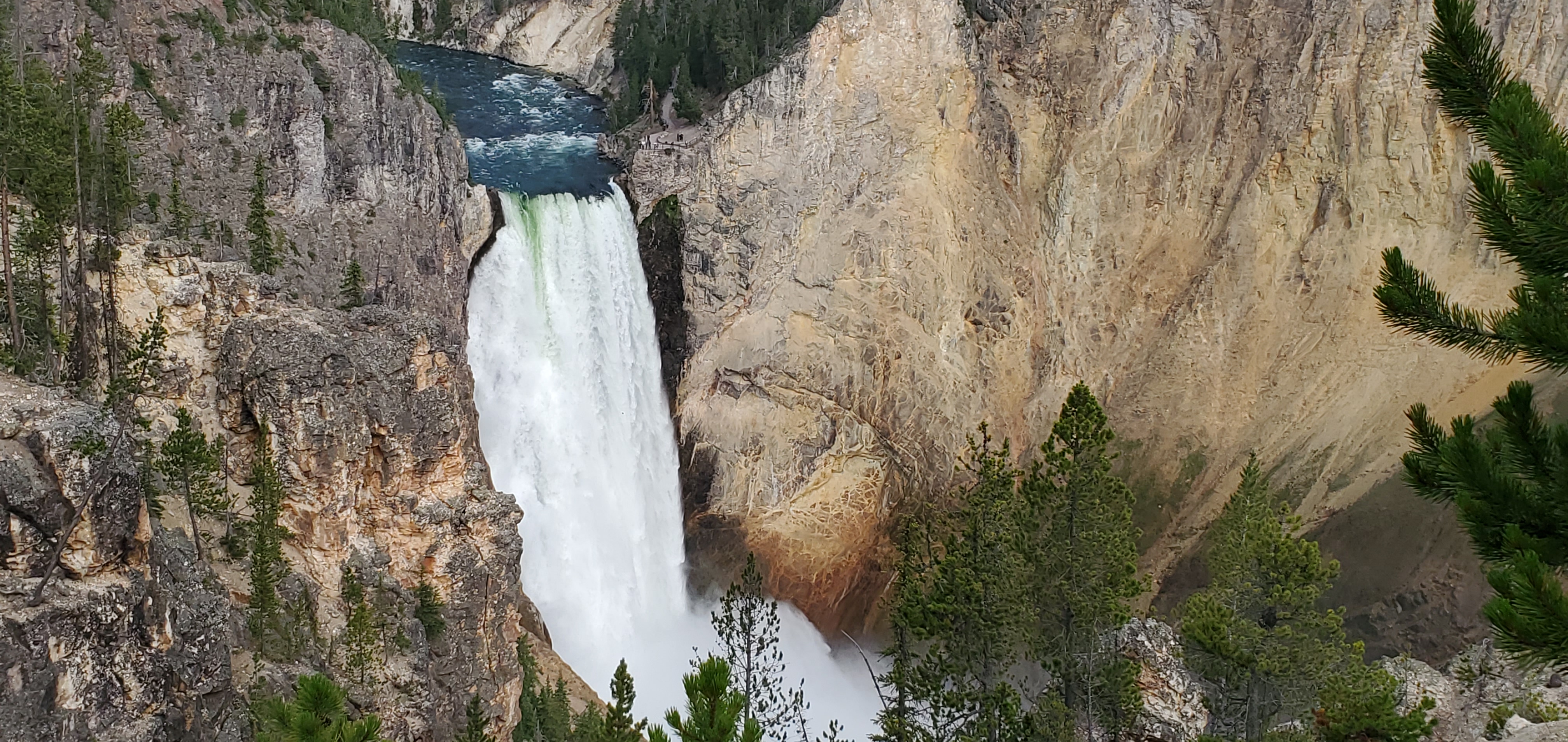
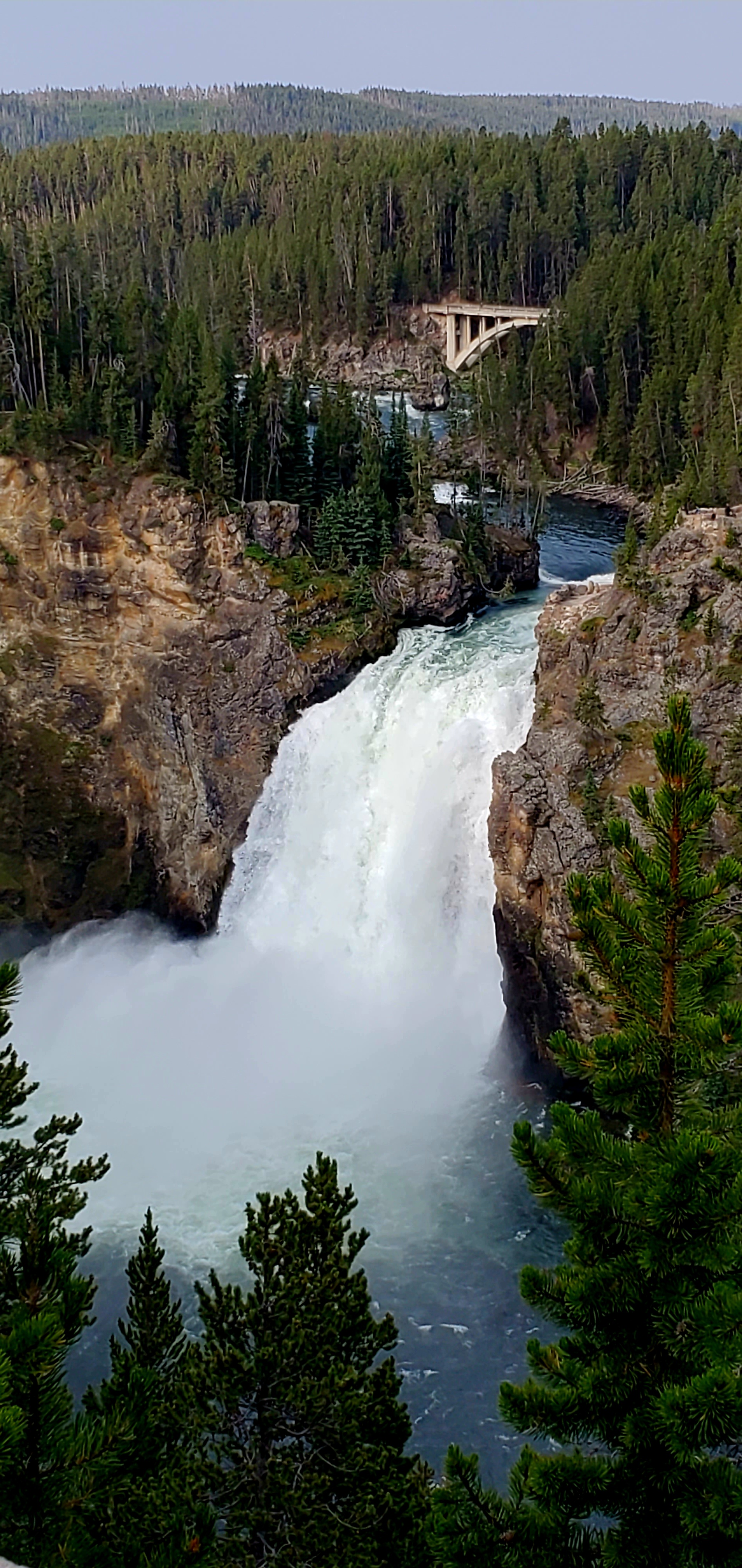
The Upper Falls is 109 feet high and Lower falls is 308 feet high with a volume of water flowing over the falls at 63,500 gallons/second at peak runoff in the spring to 5,000 gallons/second in the autumn. It is an amazing amount of water. The enormity of the canyon is hard to absorb. So vast!

Bozeman is the home to the Museum of the Rockies which is affiliated with Montana State University and the Smithsonian Institution. This museum is known for its paleontological collections and houses the largest dinosaur fossils in the United States. In 1990 a Tyrannosaurus Rex skeleton was discovered in Montana and is housed in this museum. We had no idea of the enormous collection of prehistoric fossils in Montana or that so much has been unearthed in the state over the years. The museum also has wonderful collections of western history and culture from which we learned so much.
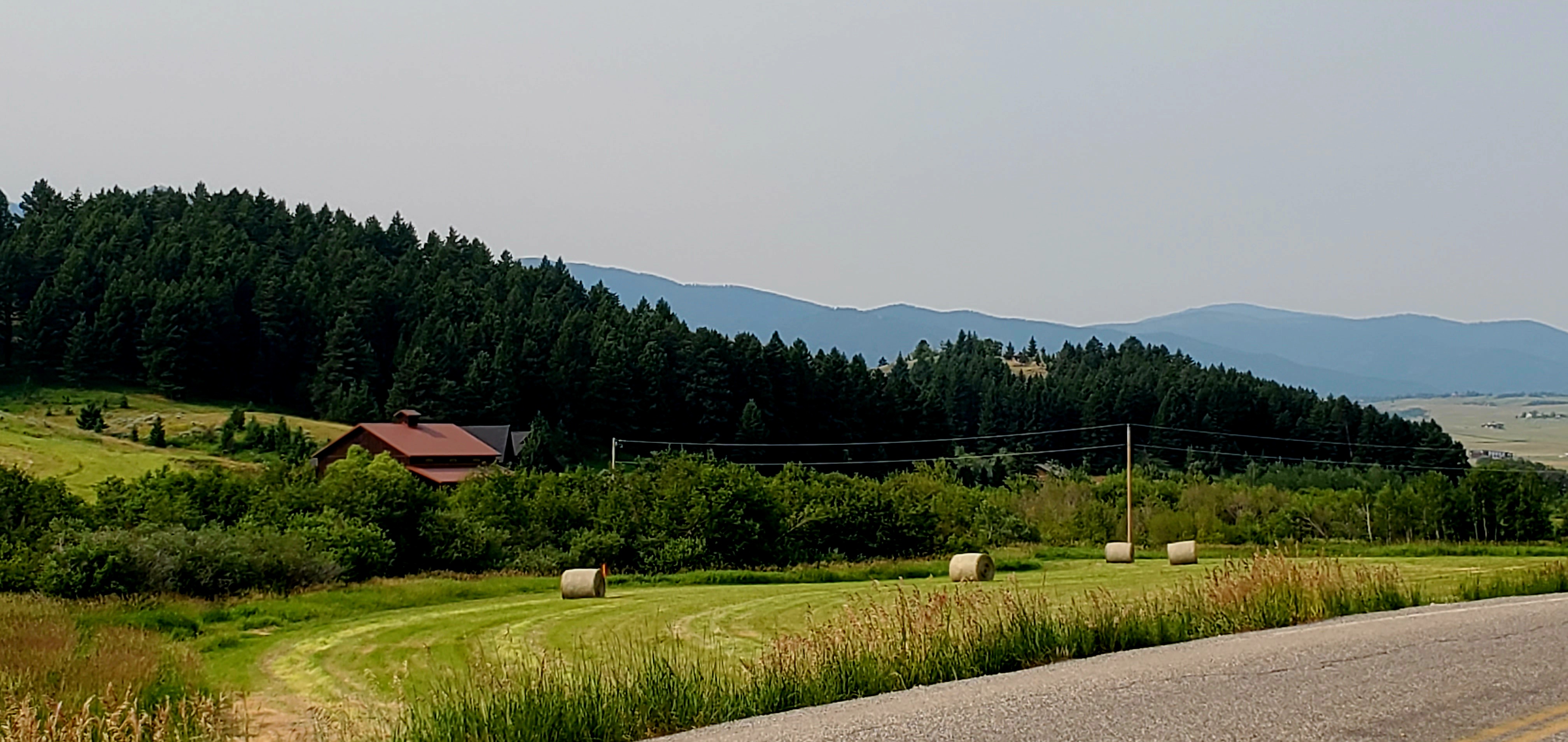
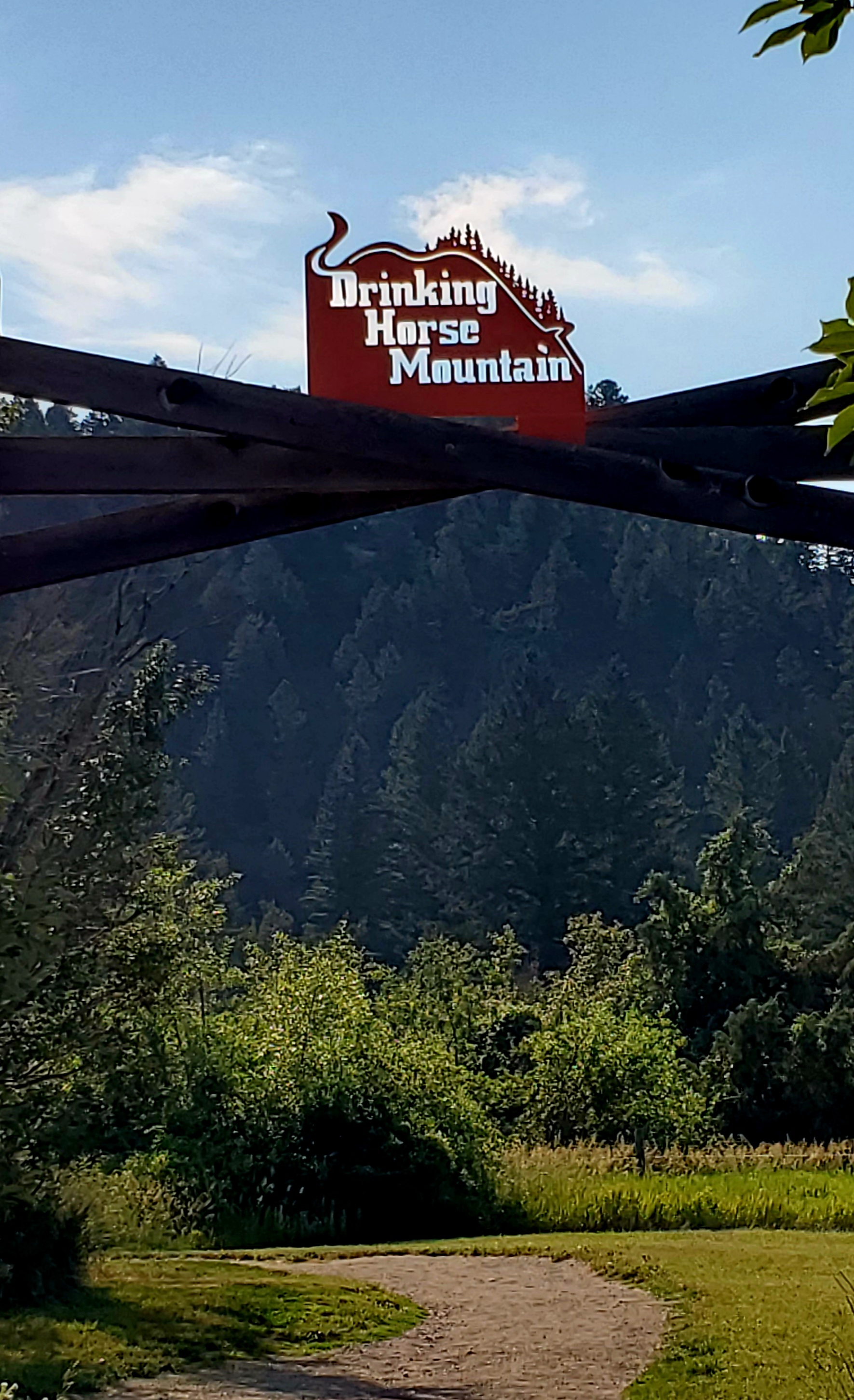
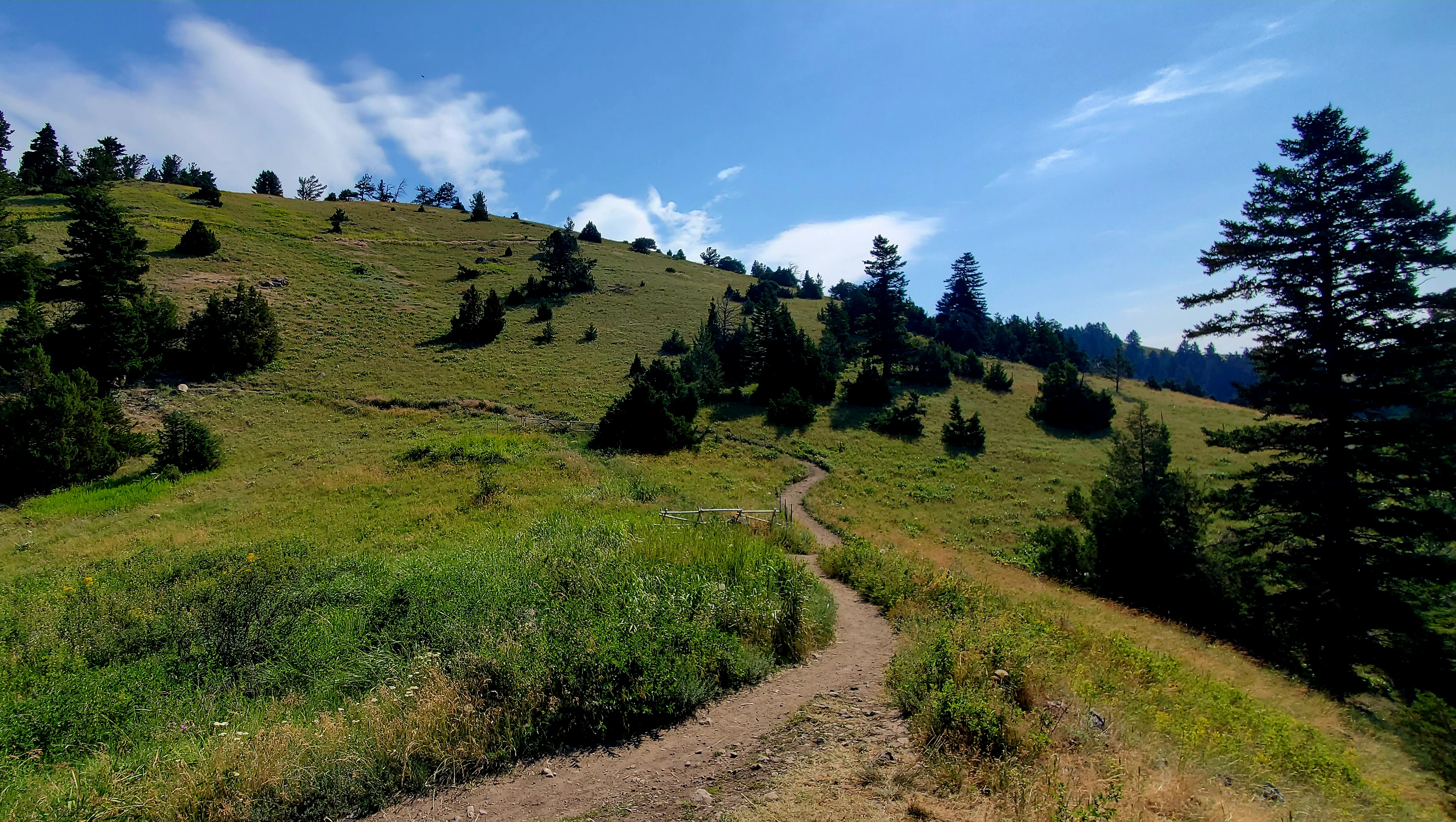
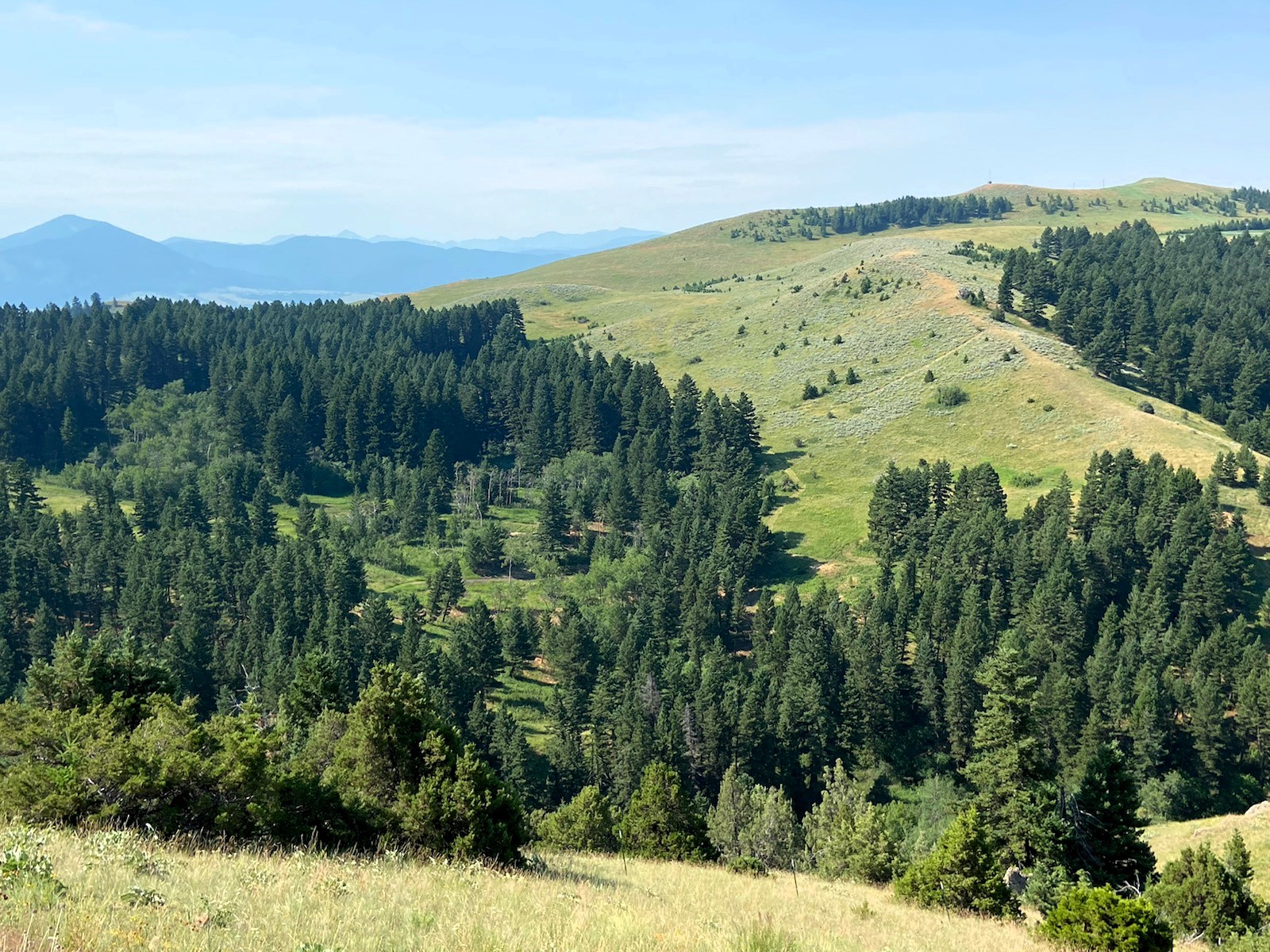
We not only did all of the above but we were able to fit in a hike and a bike ride too! We found a great hike in Bozeman on Drinking Horse Mountain. It provided great views of the Bridger Canyon and the Gallatin Valley. Our bike ride took us up Kelly Canyon Road and then we tooled around the town of Bozeman.
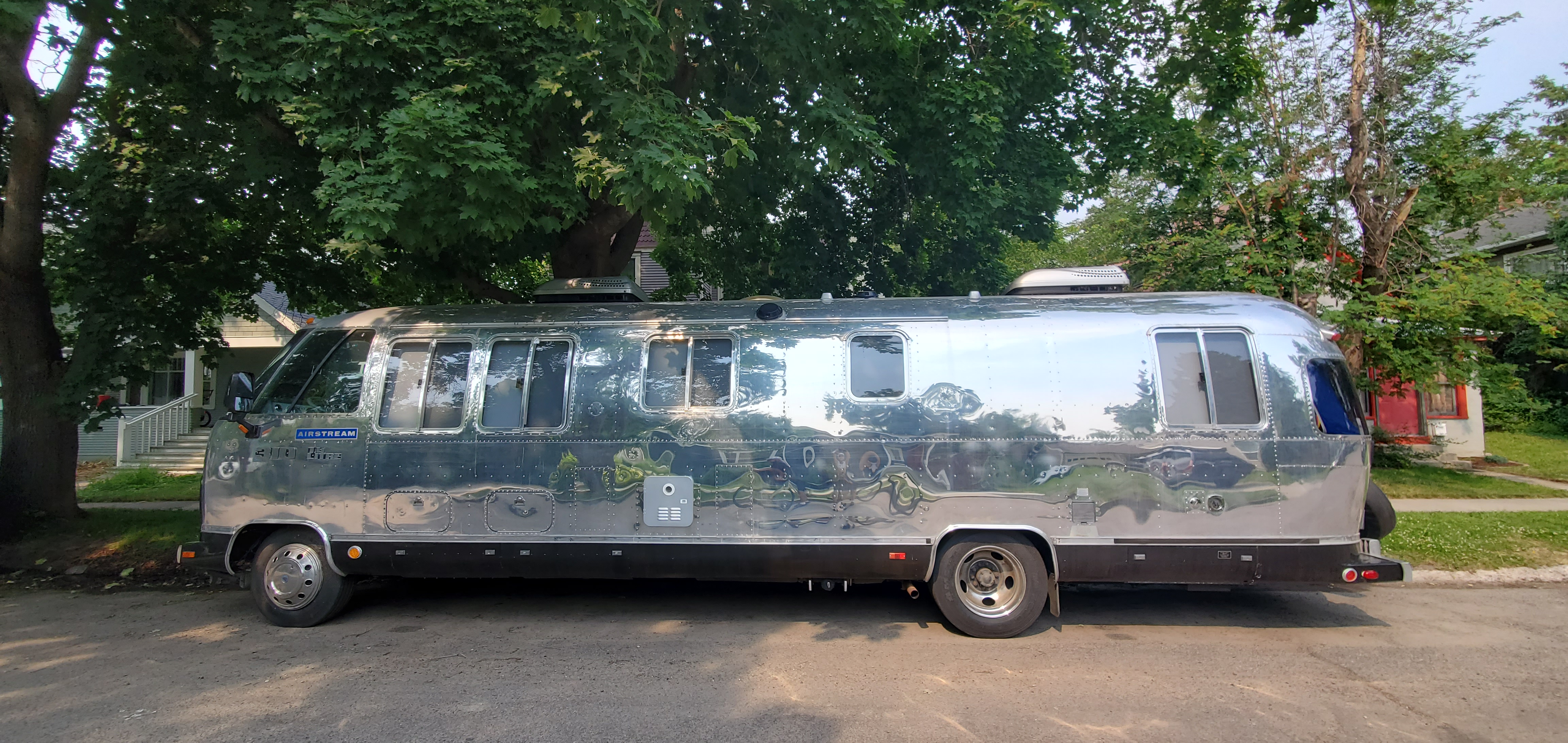
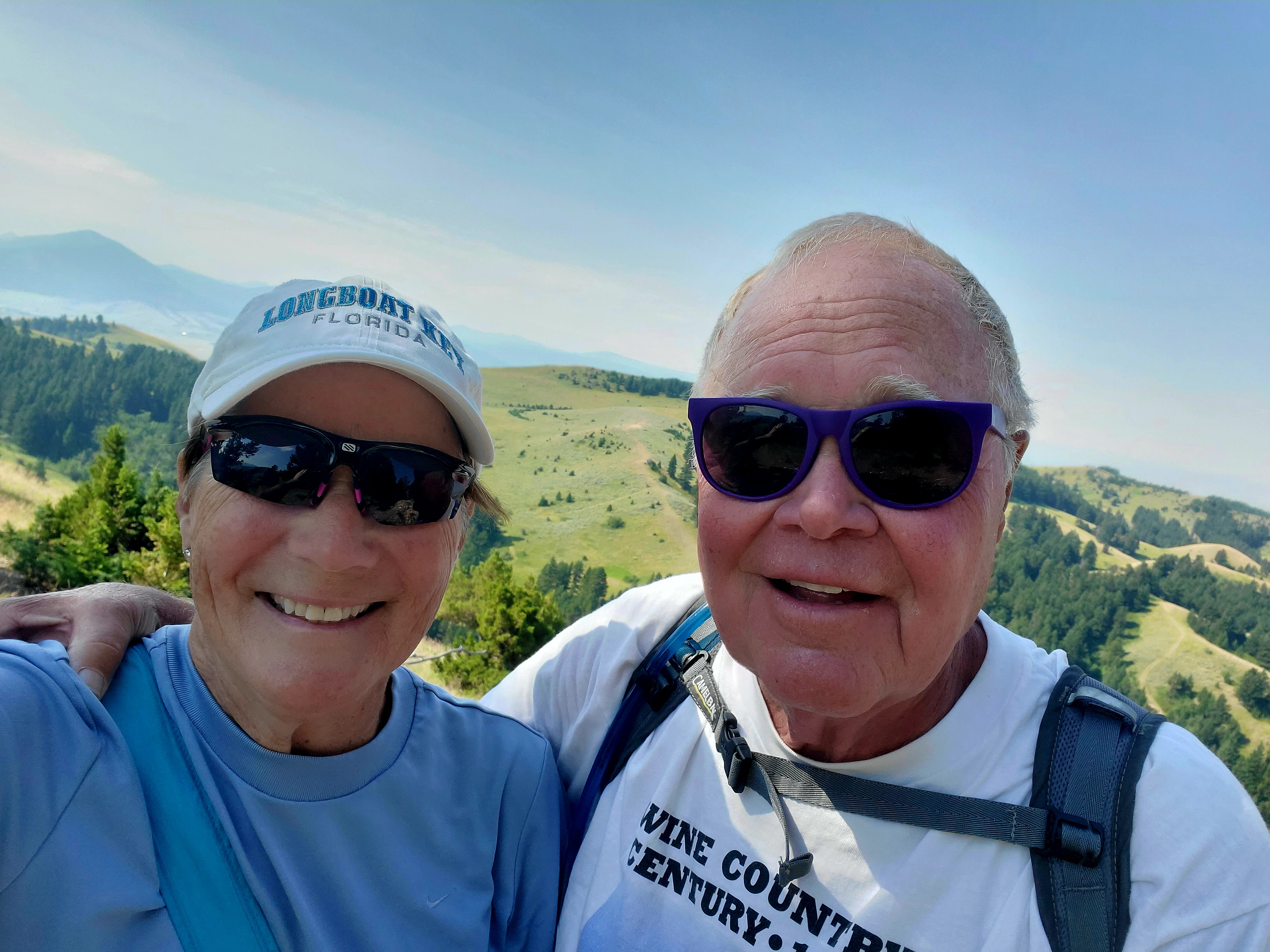
On our last night in Bozeman, we were able to visit with Sue Doss, our longtime friend from California. We had dinner at her favorite restaurant in town called Fresh. Amazing food and atmosphere.
It is crazy how the daily activities can accumulate and what we see and do on our adventure!

 Adventures of Tin Can Lulu
Leave a comment