
On our way to Arco, Idaho we just had to visit the world-famous Idaho Potato Museum in Blackfoot, Idaho. Blackfoot is on the eastern Snake River valley where 50% of Idaho potatoes are grown.
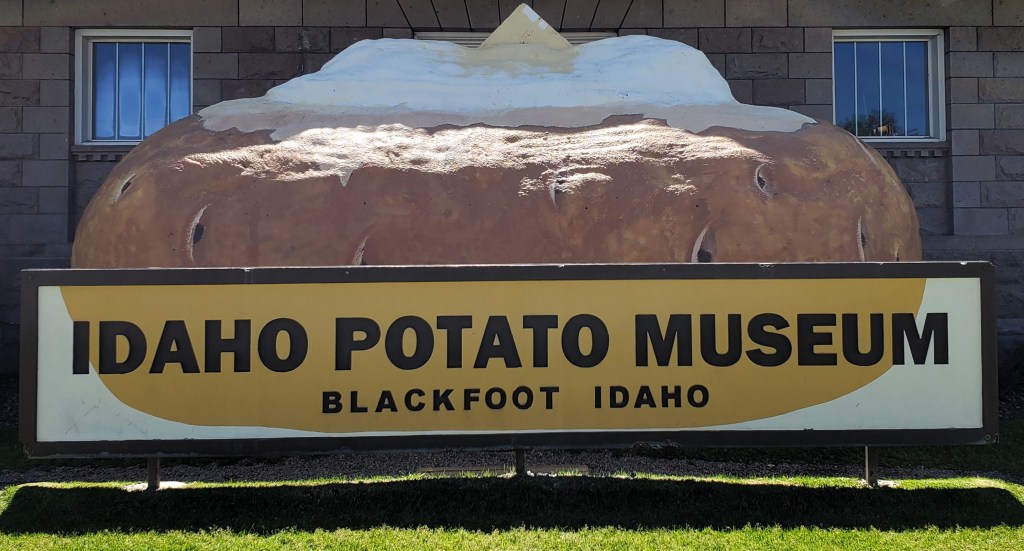
At the museum we learned that the river valley is rich in volcanic-ash soil and water, both vital to growing potatoes. Idaho harvests about 13 billion pounds of potatoes annually. Factoid… potato plants produce flowers. The fruits that grow from these flowers look a lot like a green tomato, BUT they are poisonous. This fruit contains high amounts of solanine which makes the eater ill. At the museum they have a café that caters to all things potato. We shared a very large baked Idaho potato with chili and cheese on it. Yummy lunch that day!

Arco, Idaho’s claim to fame is it’s the first community in the world ever to be lit by electricity generated solely by nuclear power. This event happened for only about an hour on July 17, 1955. The town is also known as the Atomic City.
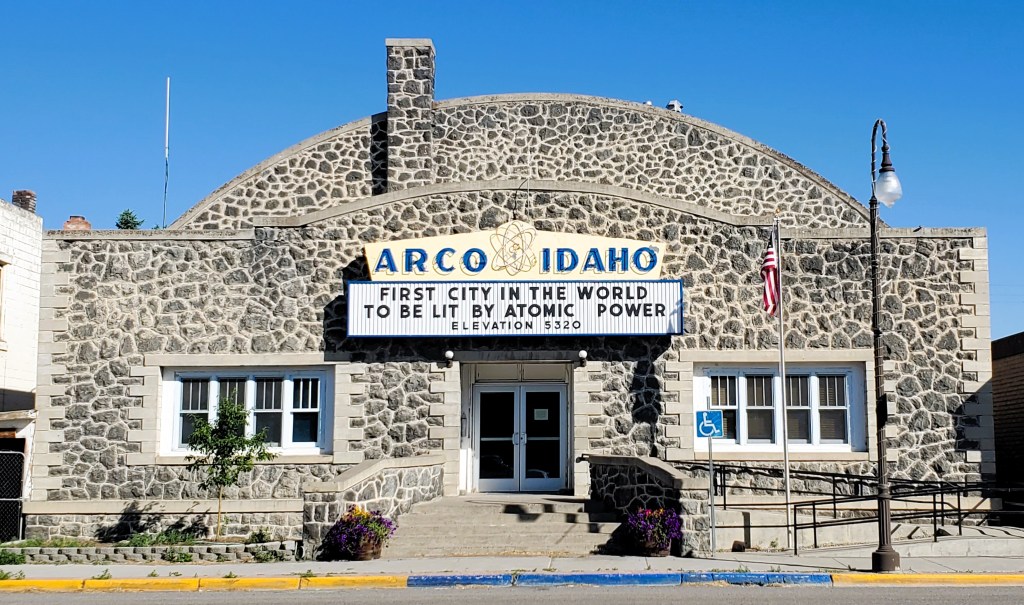
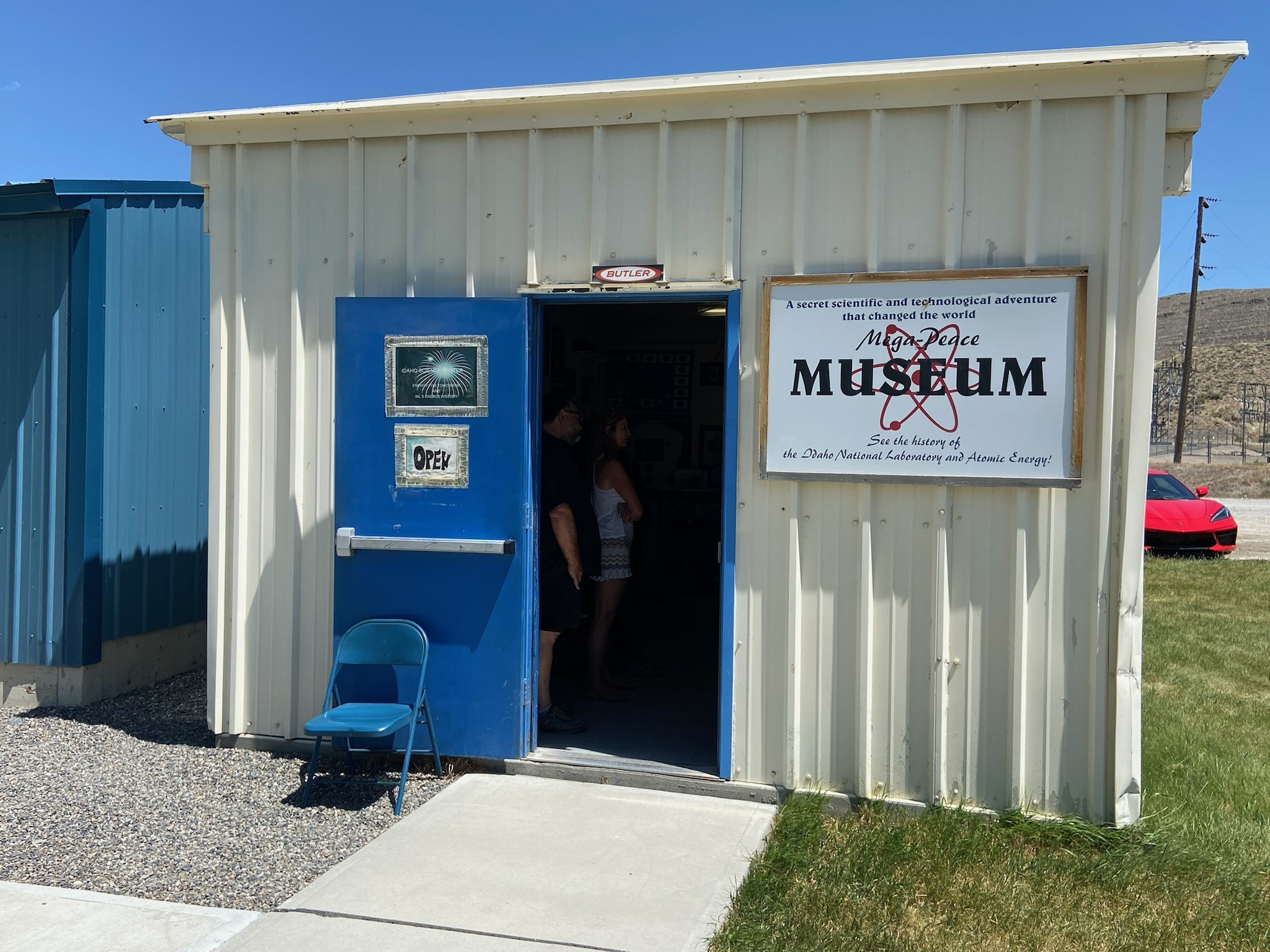
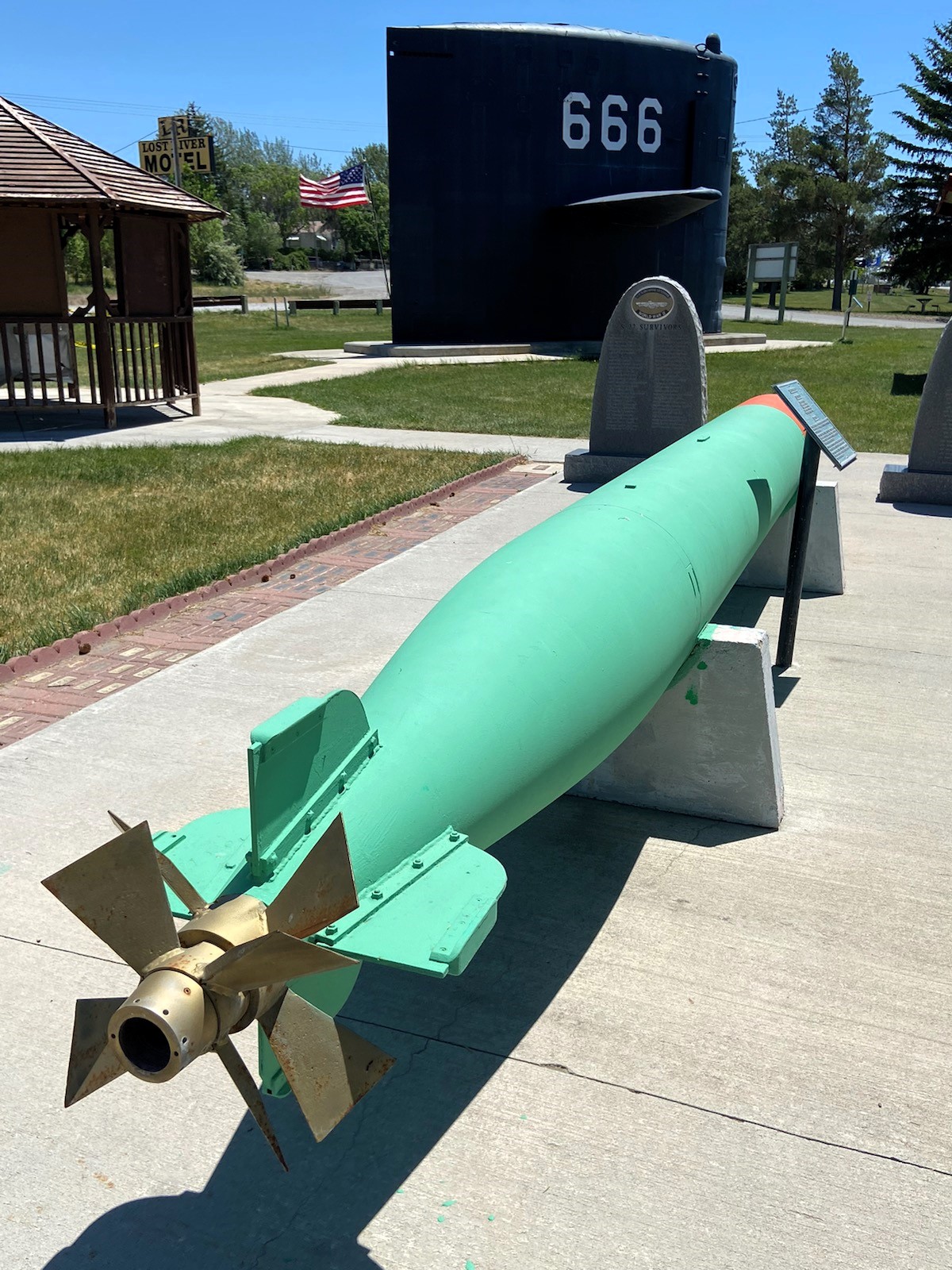
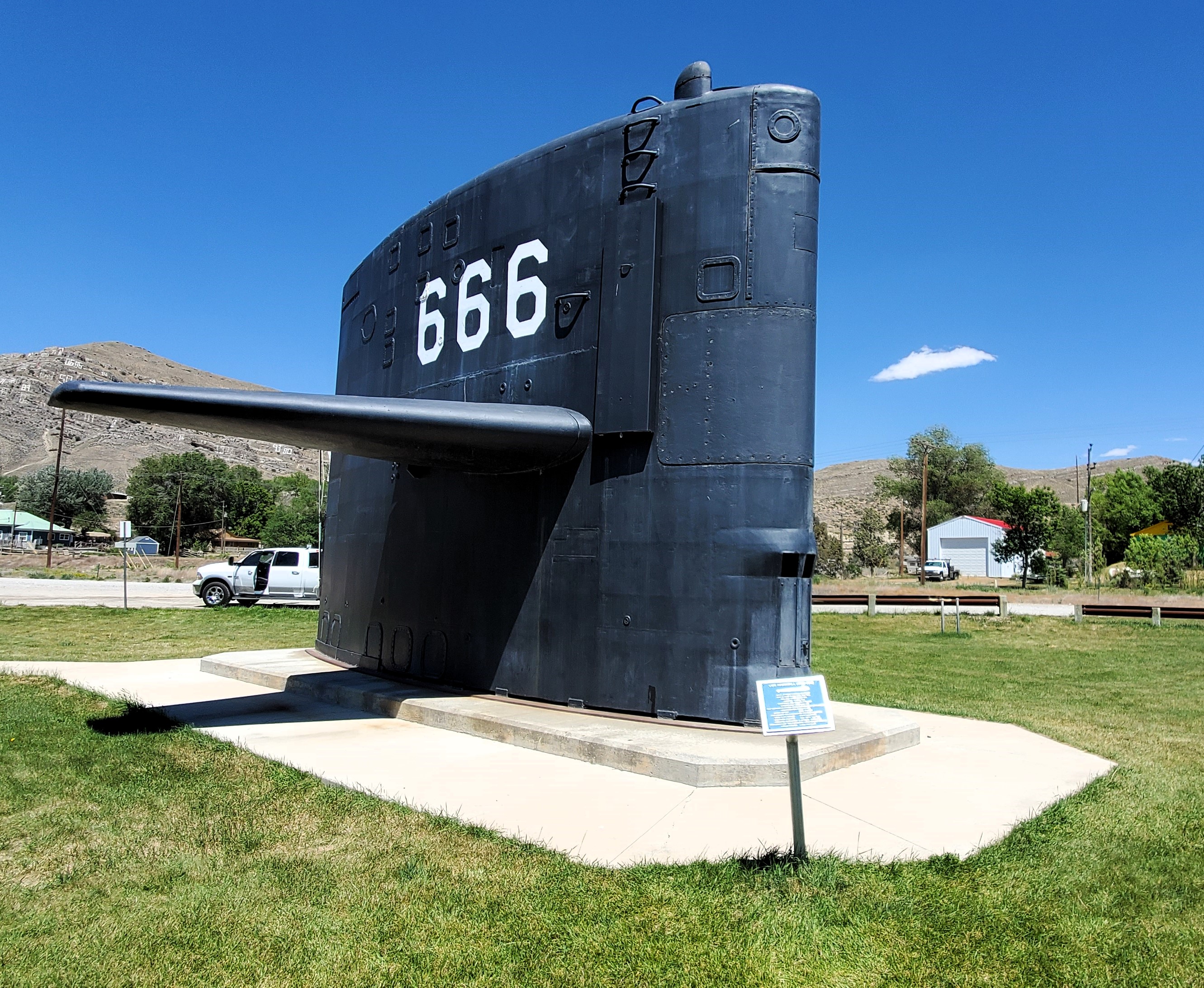
The town’s economic base is primarily derived from the Idaho National Laboratory/INL (formerly the Idaho National Engineering Laboratory INEL), agricultural products, and recreation in the Lost River Valley. The INEL was located in Arco, Idaho and is the site where the land based nuclear reactor prototype (S1W) used by US Navy nuclear submarines was designed and built. This technology proved that nuclear reactors could be used for electricity generation and propulsion on submarines.
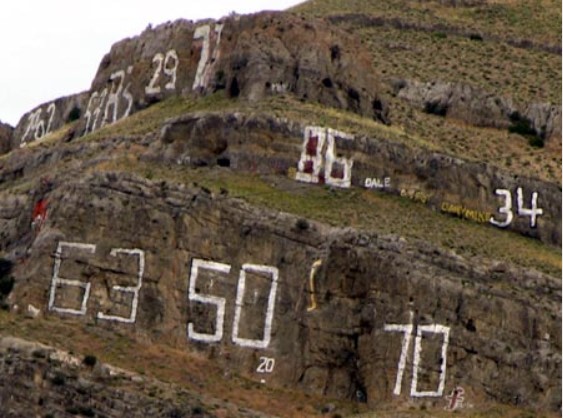
There is a 100+ year tradition in Arco, the Butte County High School seniors have painted their graduating year on the nearby mountain side. The first class to do this was in 1920 and the tradition continues. The mountain side is known as Number Hill.
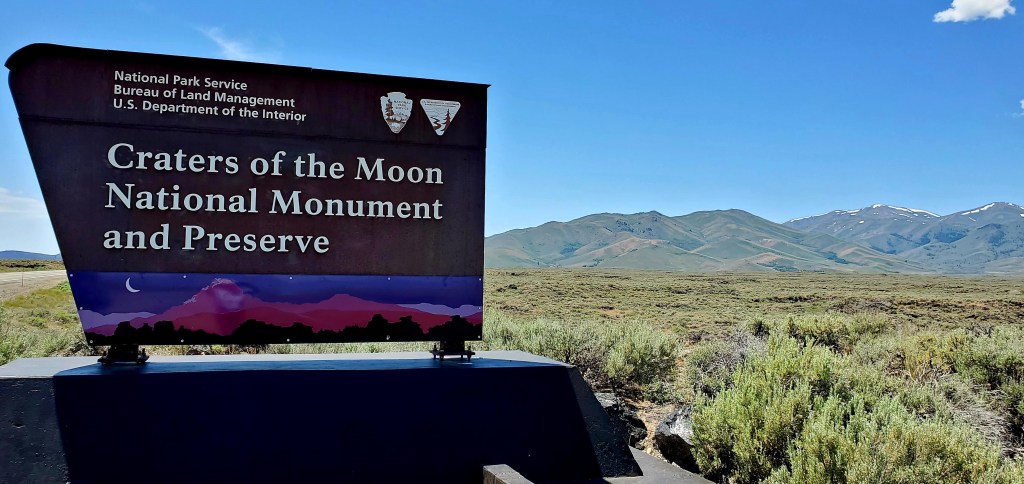
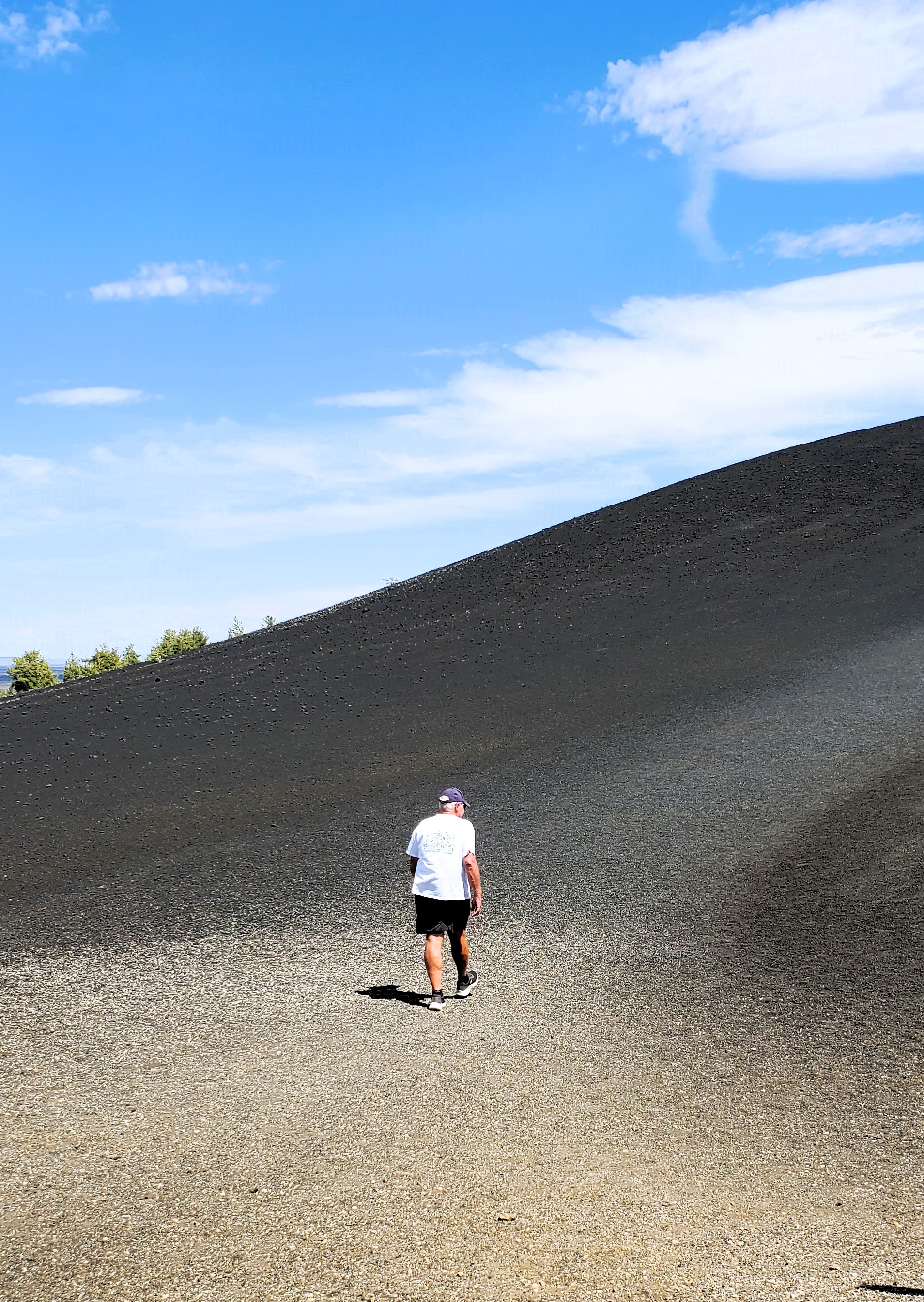
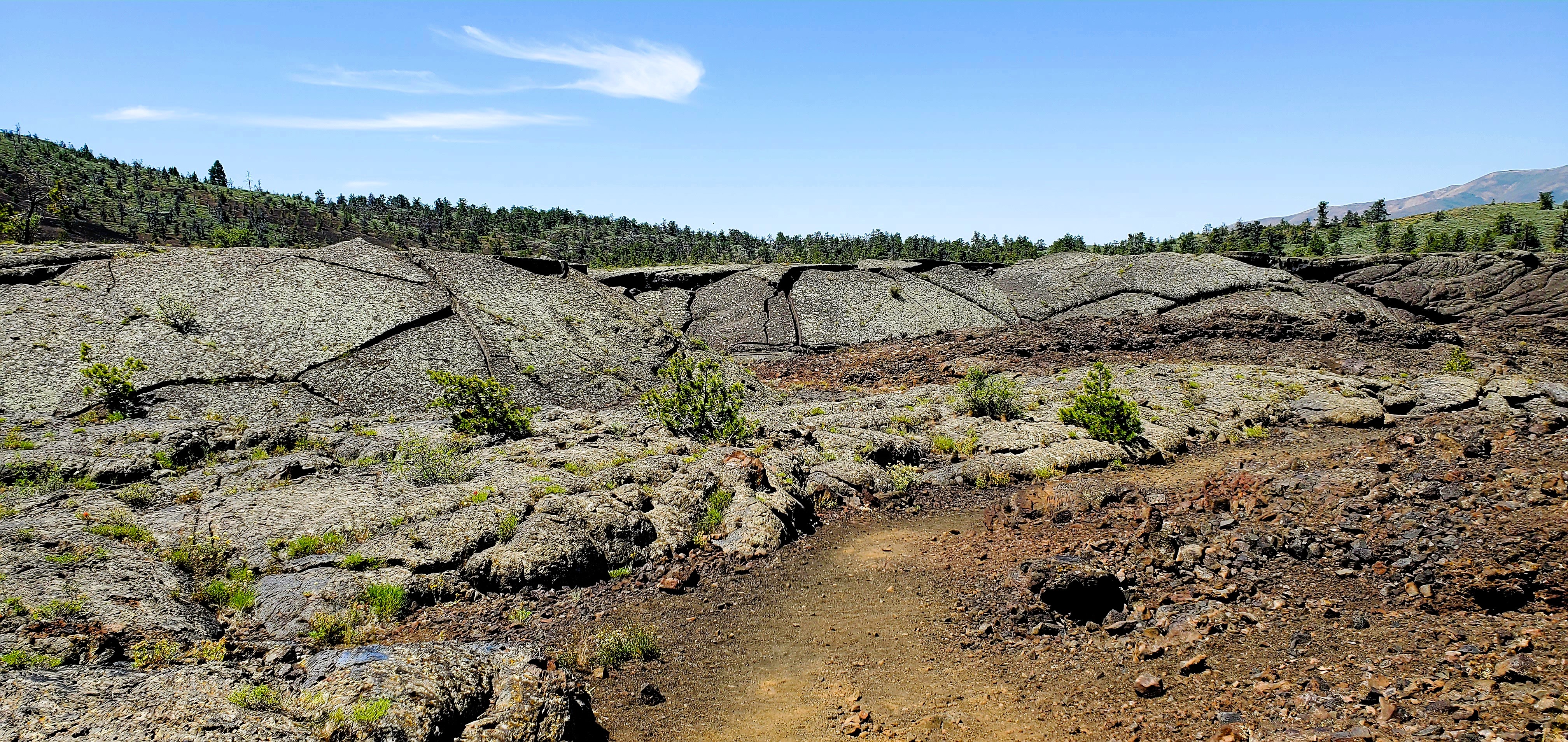
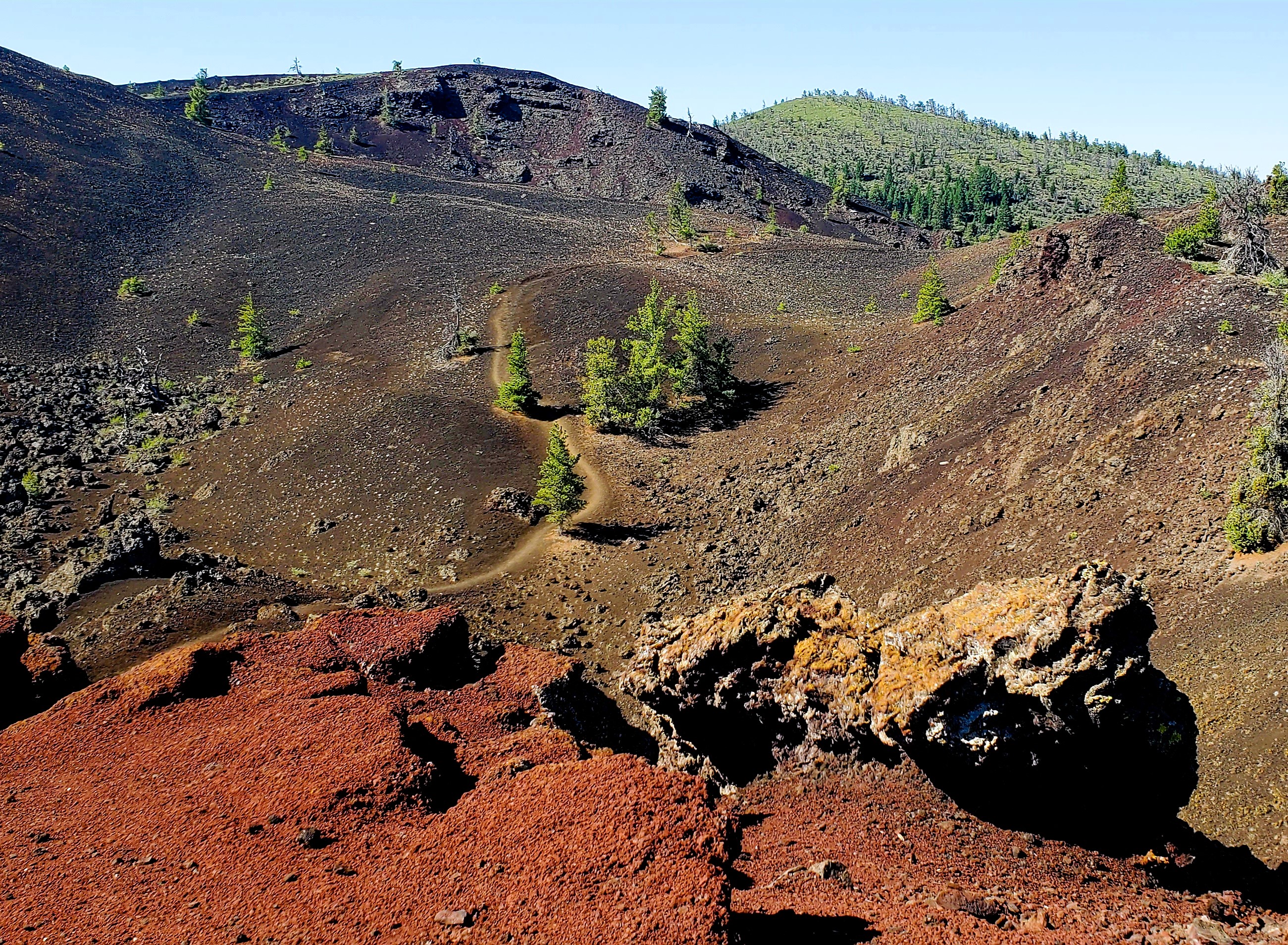
The highlight of the trip to Arco was spending four days exploring Crater of the Moon National Monument. In 1923 a geologist described the area as, “The surface of the moon seen through a telescope.” In 1924 (100th anniversary this year) Calvin Coolidge proclaimed the area a national monument preserving “a weird and scenic landscape, peculiar to itself.”
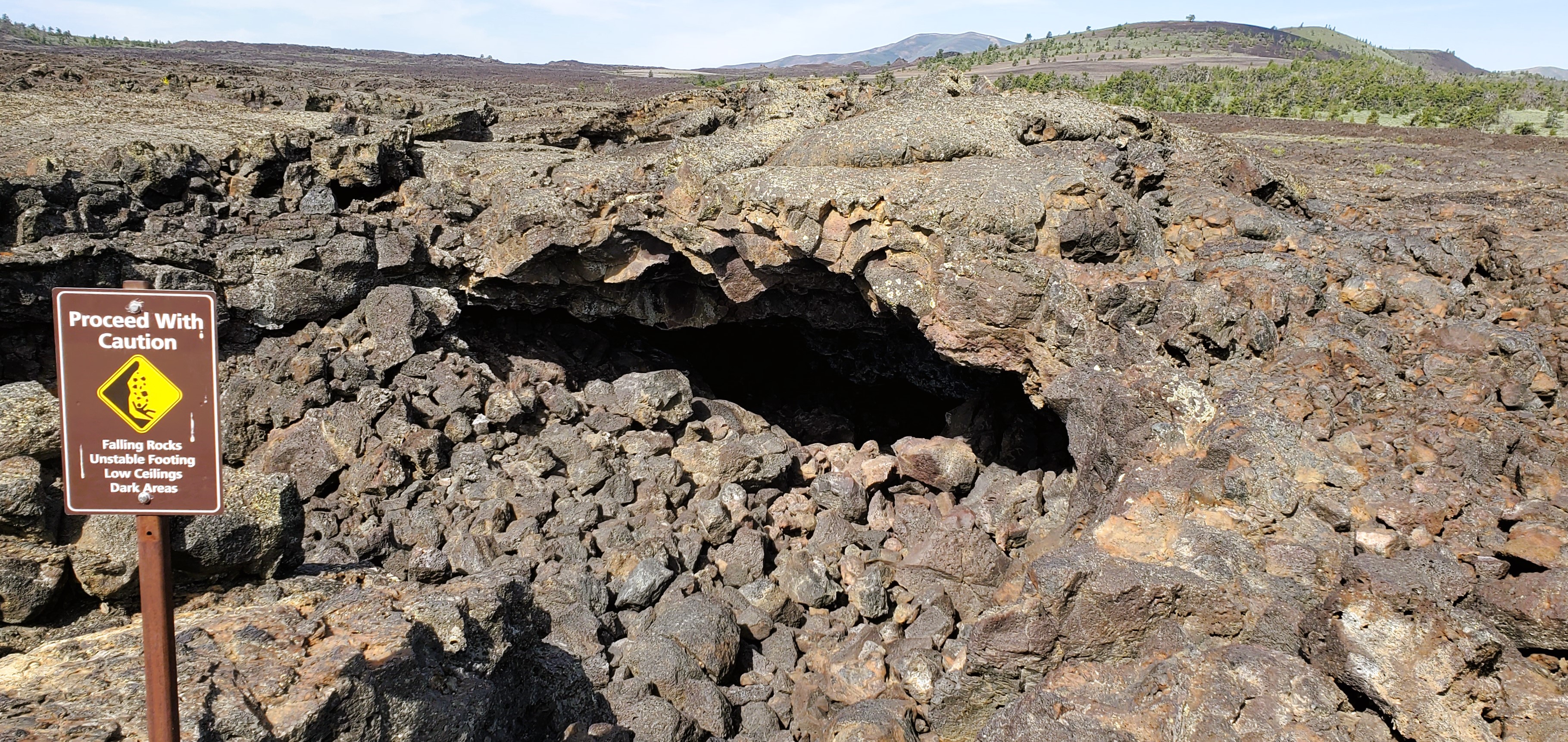
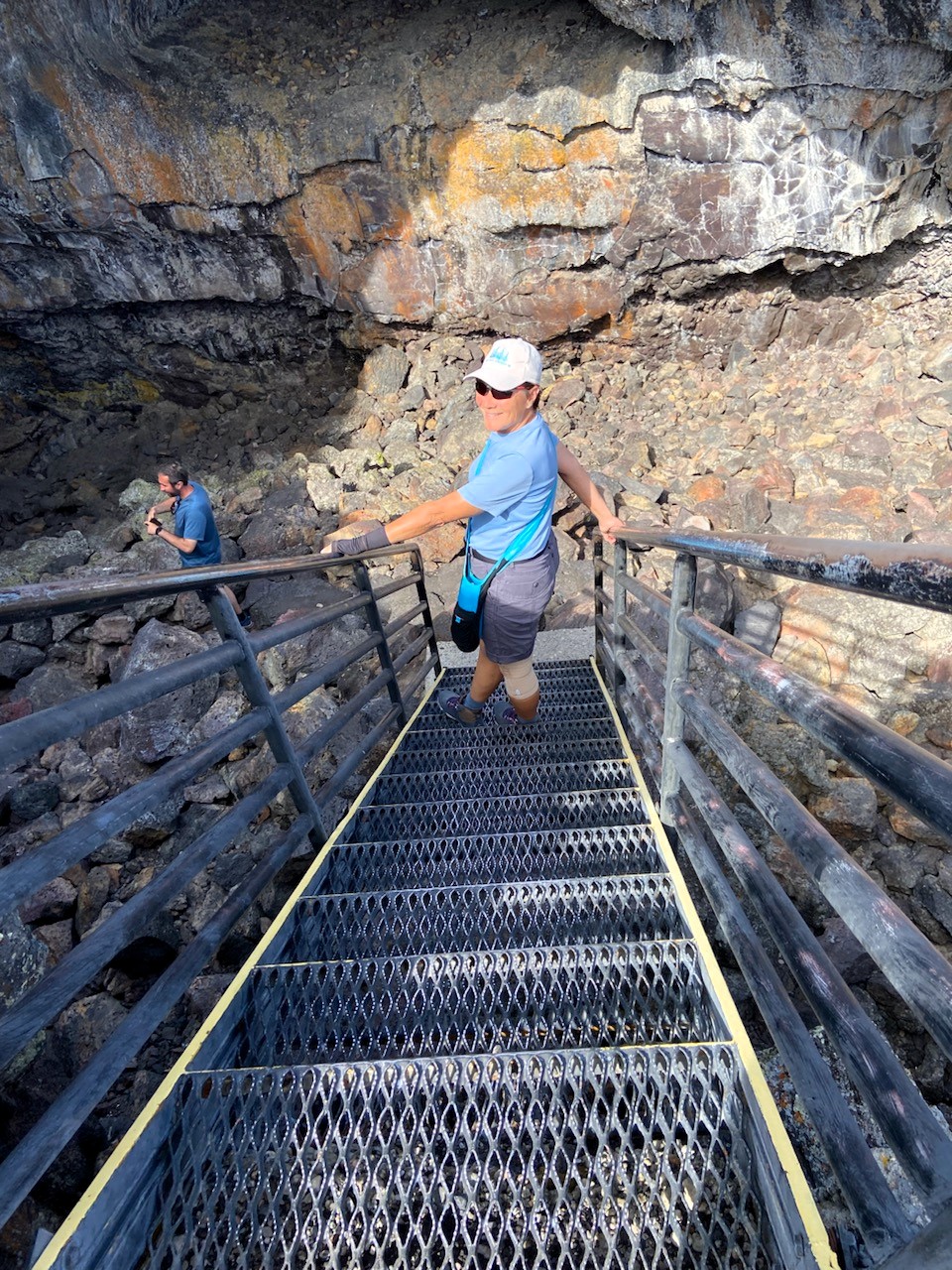
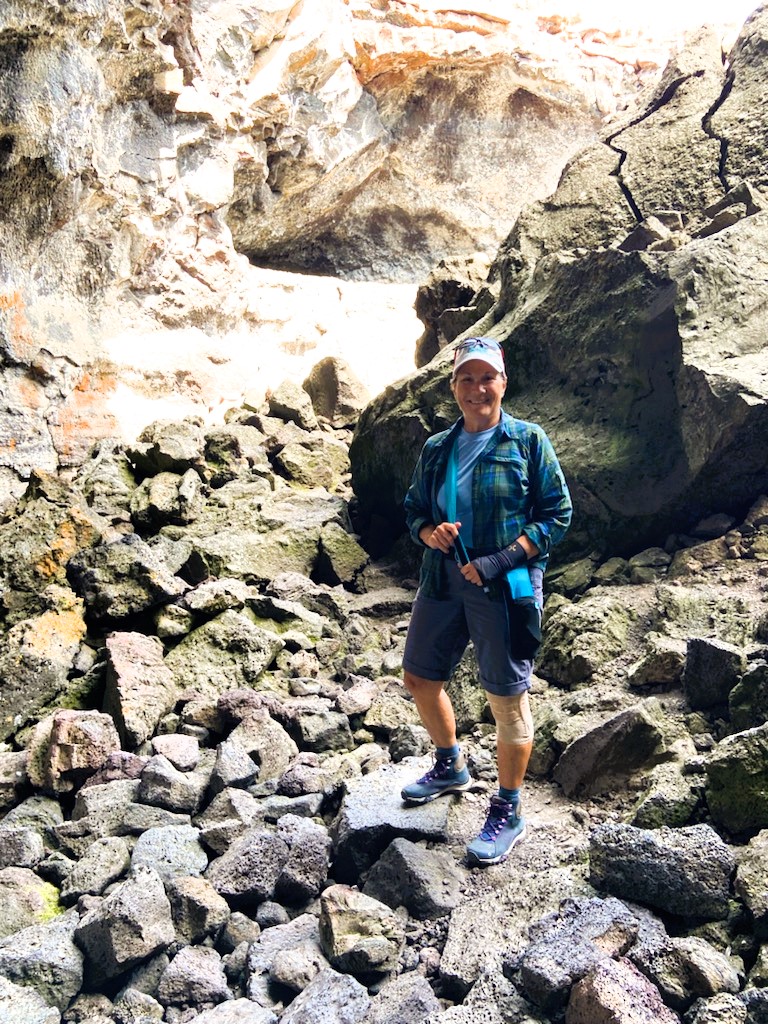
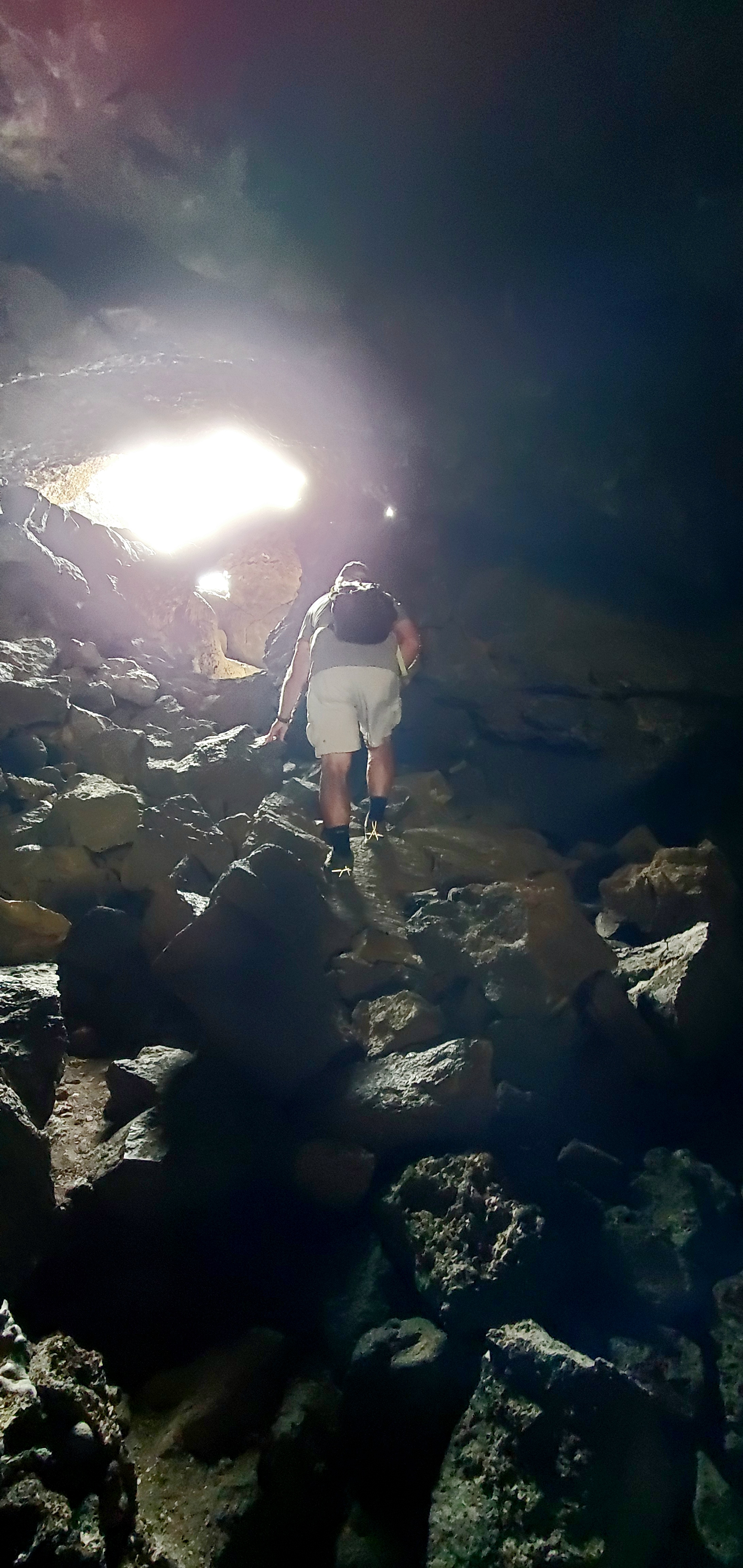
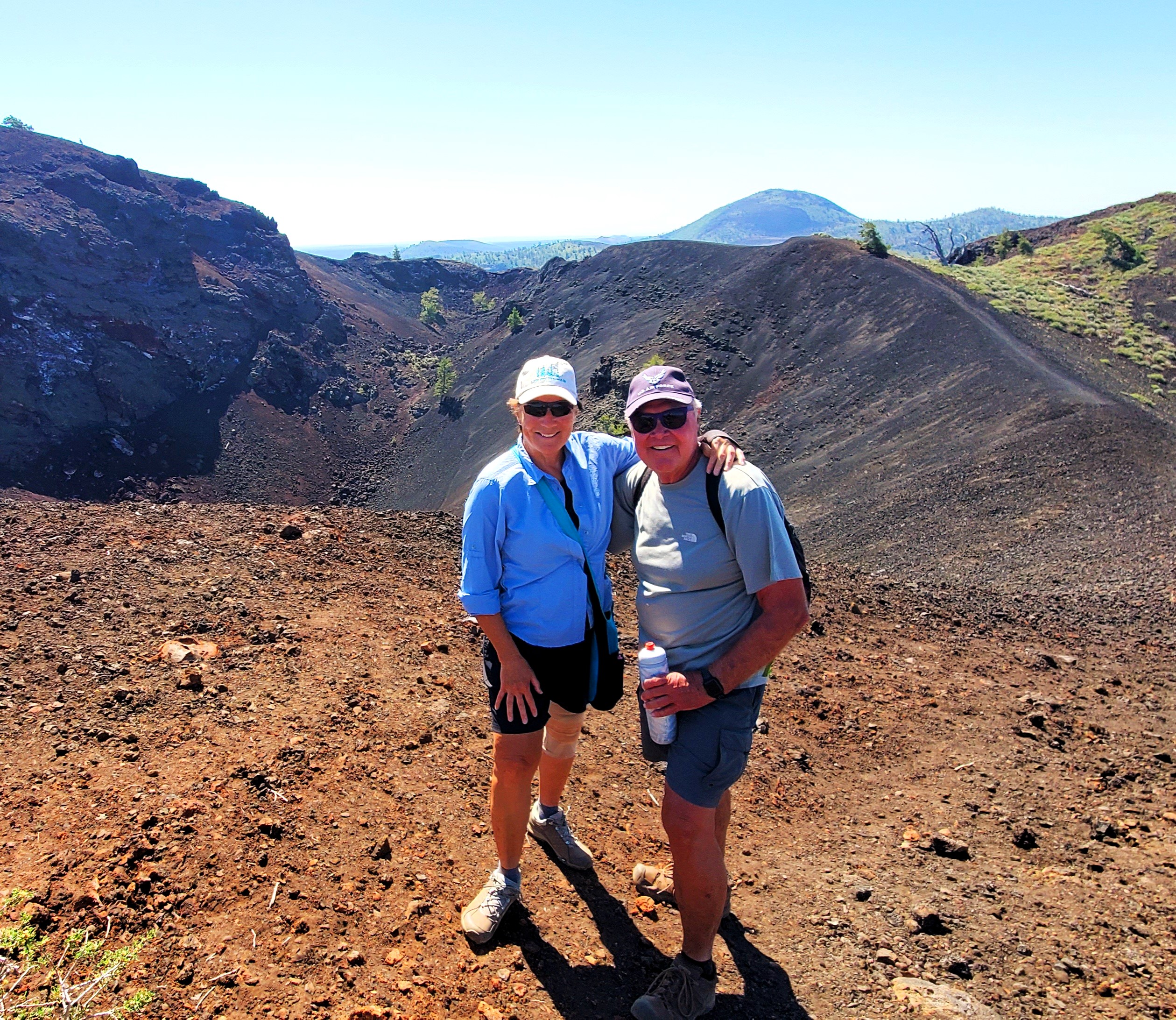
The craters of Carters of the Moon are volcanic in origin, formed from a series of deep fissures that cross the Snake River Plain. The most recent eruption was about 2,000 years ago. We were able to climb the tallest crater, worm our way through a lave tube and hike all but one trail in the park. The park is certainly out of the way but well worth the effort getting there.



 Adventures of Tin Can Lulu
Leave a comment