
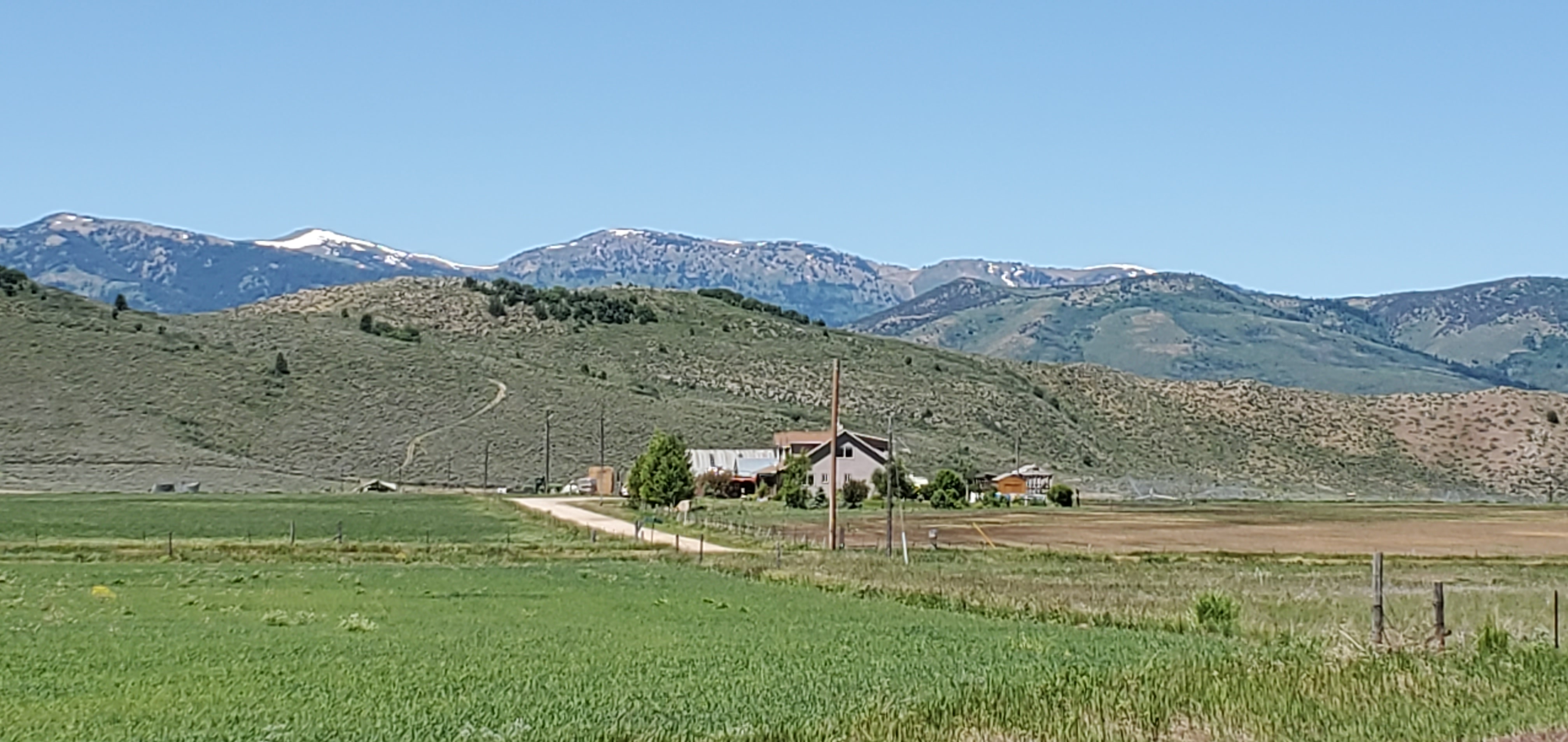
Enroute to Lava Hot Springs we began to see more agriculture in the area. Hay, wheat, alfalfa and potato crops along with cattle and sheep. A lot of wide-open spaces and lonely roads. We traveled on US Hwy 30 which is known as the historic Oregon Trail and California Trail. Loads of historic markers along the way outlining the significance of these trails to original settlers of the west.
The hot springs were historically used by local Bannock and Shoshone Native Americans. In the early 1800s, explorers and fur trappers knew of the hot springs. In 1890 John Hall and his family moved to Lava Hot Springs, then called Dempsey, Idaho. He filed for a homestead of 160 acres bordering the beautiful Portneuf River. In 1907 he had his land surveyed and platted into lots, streets, alleys and blocks. In 1911 John Hall filed the townsite plat and named the town “Hall City” and began selling the plots for homes and businesses. In 1915 the citizens petitioned to rename Hall City to Lava Hot Springs.
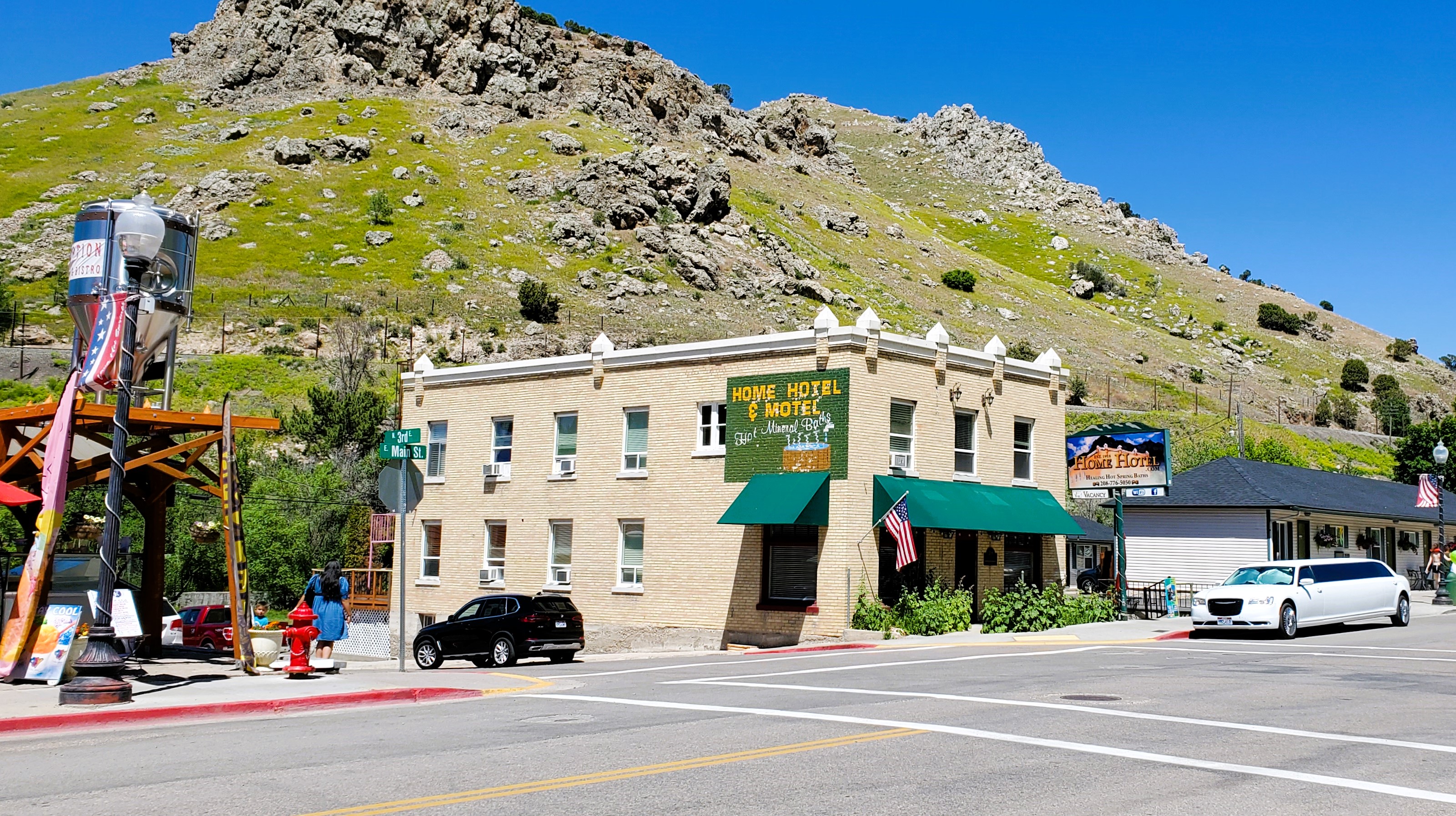

The actual hot springs are underground springs. The hot water is laden with minerals, but has no sulfur odor. Over 2.5 million gallons a day flow through the hot springs and are diverted into the Portneuf River keeping the springs ever changing and clean. Factoid: (thank you Roger Strauss) the temperature of the hot springs ranges from 102 to 112 degrees. That’s a tad too warm for us and we do not enjoy sitting and steaming in water!!!
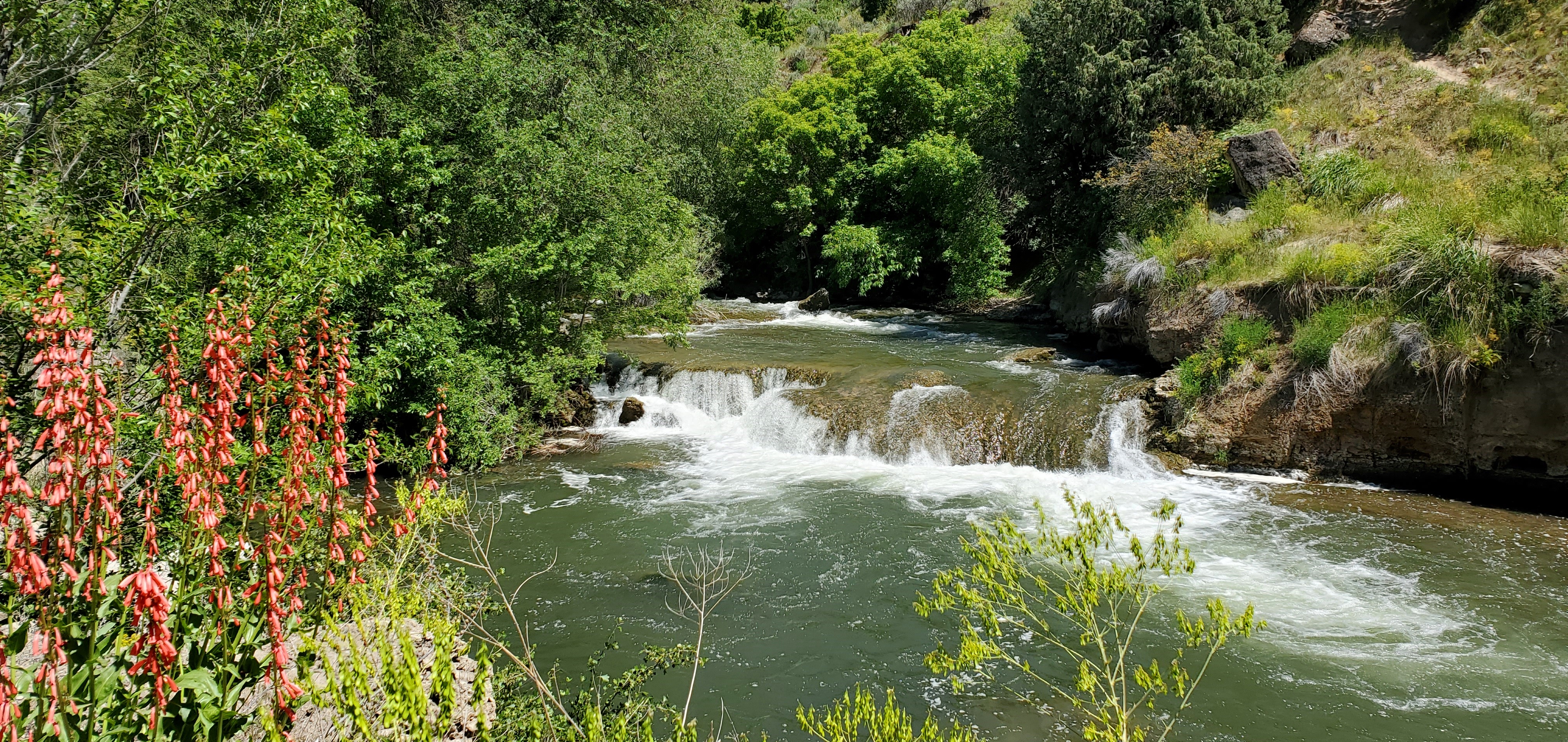
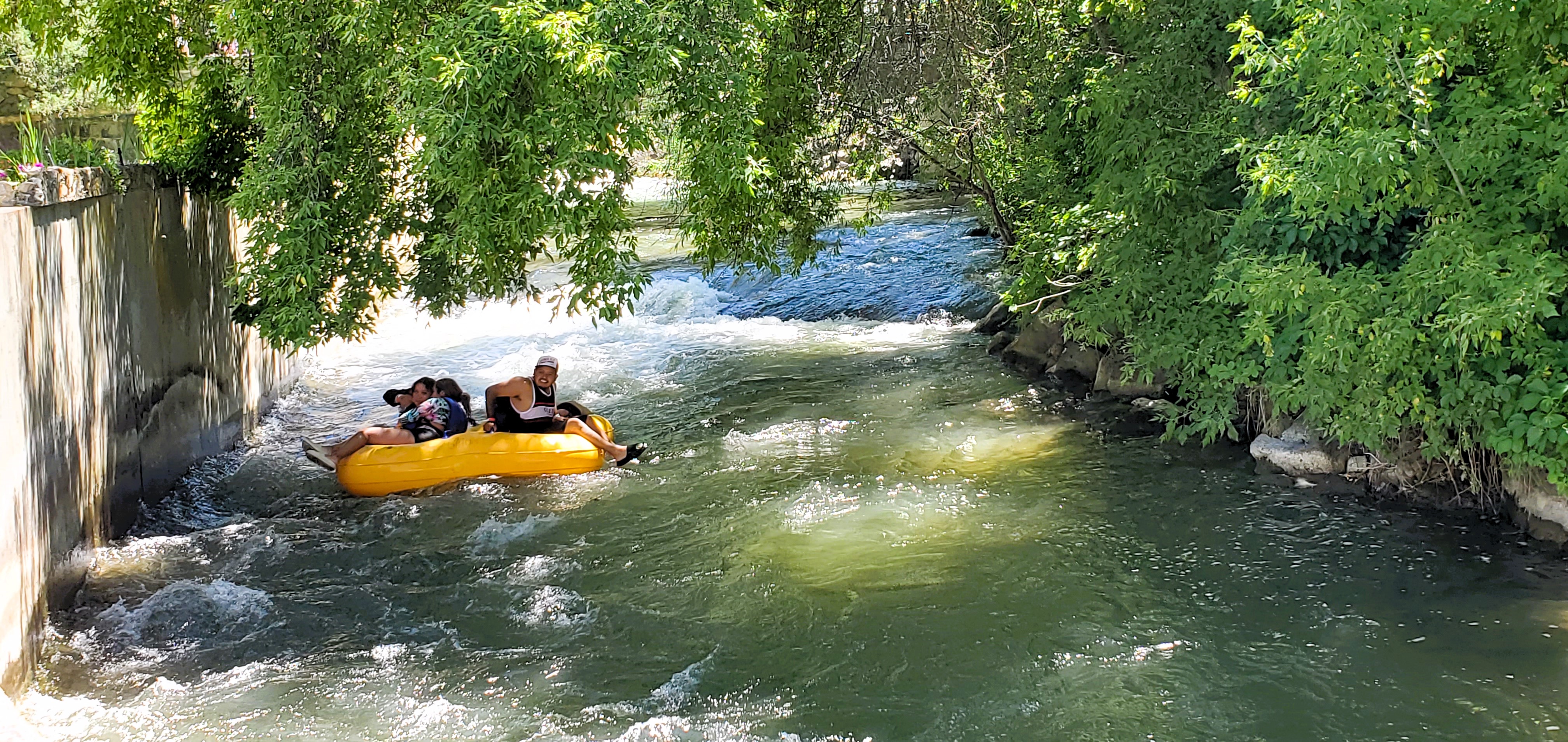
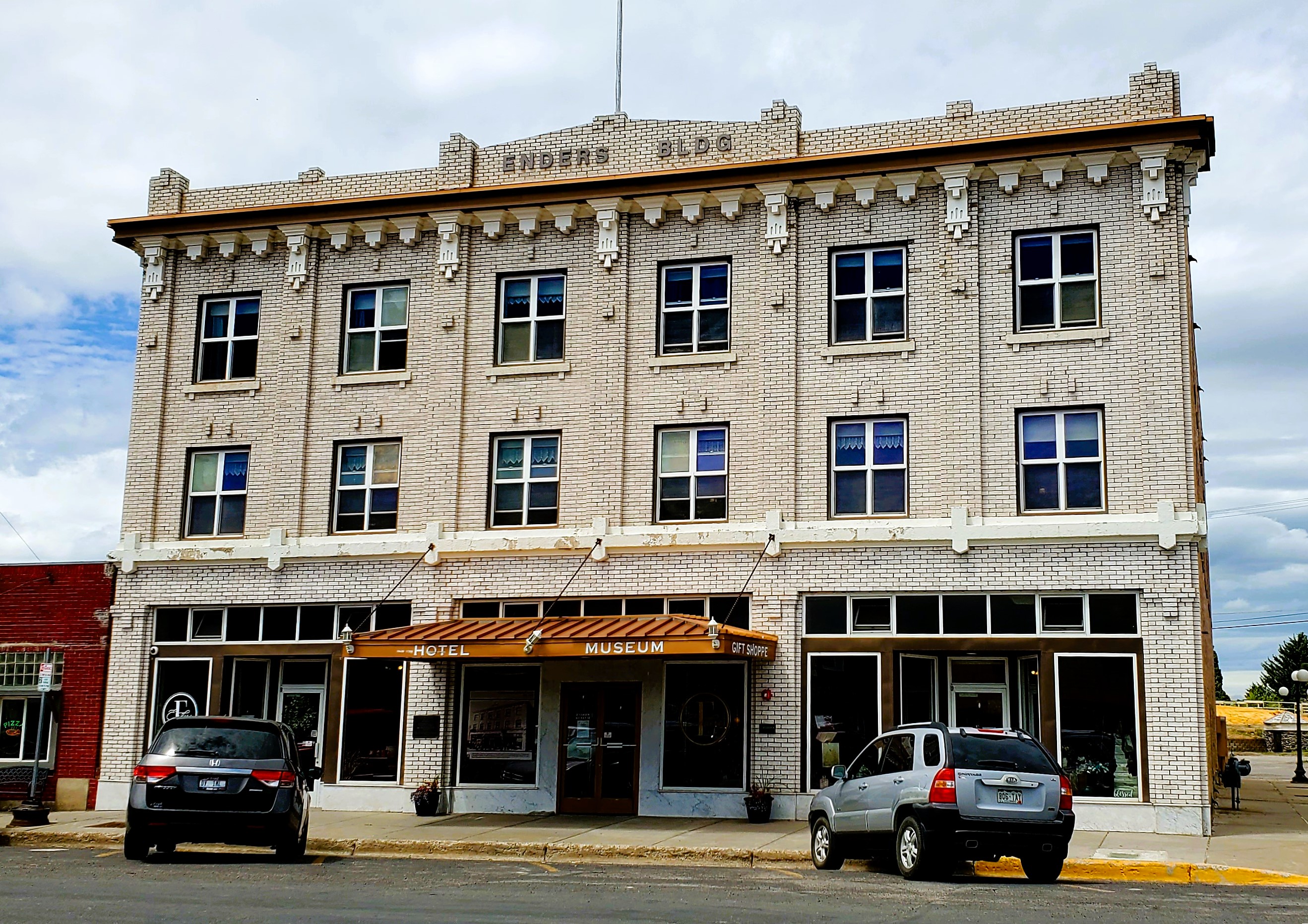
We did a walking tour through town taking in the older buildings and hot spring pools. The temperatures there dropped significantly in the evenings and we used the heat and extra blankets in Tin Can Lulu. Thirty’s at night is cold!!

We visited a man-made geyser in Soda Springs about 30 miles from Lava Hot Springs. Soda Springs is a major landmark and is the second oldest settlement in Idaho. On November 30, 1937, a well-drilling operation while attempting to build a natural hot springs swimming pool was surprised when it unintentionally released Soda Springs’s famous captive geyser. It has been capped, and a timer activates it once every hour on the hour. The water is about 70 degrees and the geyser shoots up 100 feet into the air.

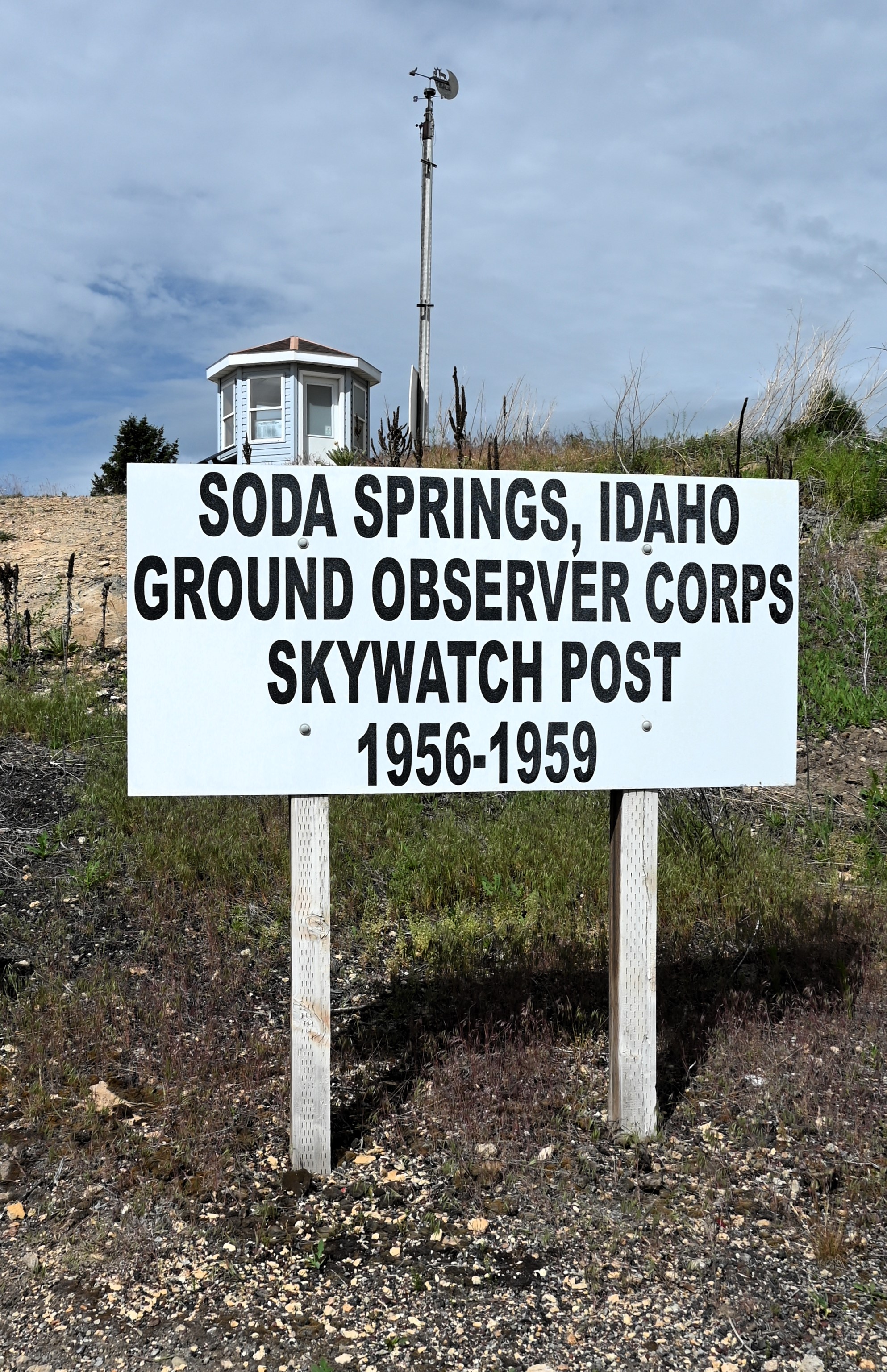
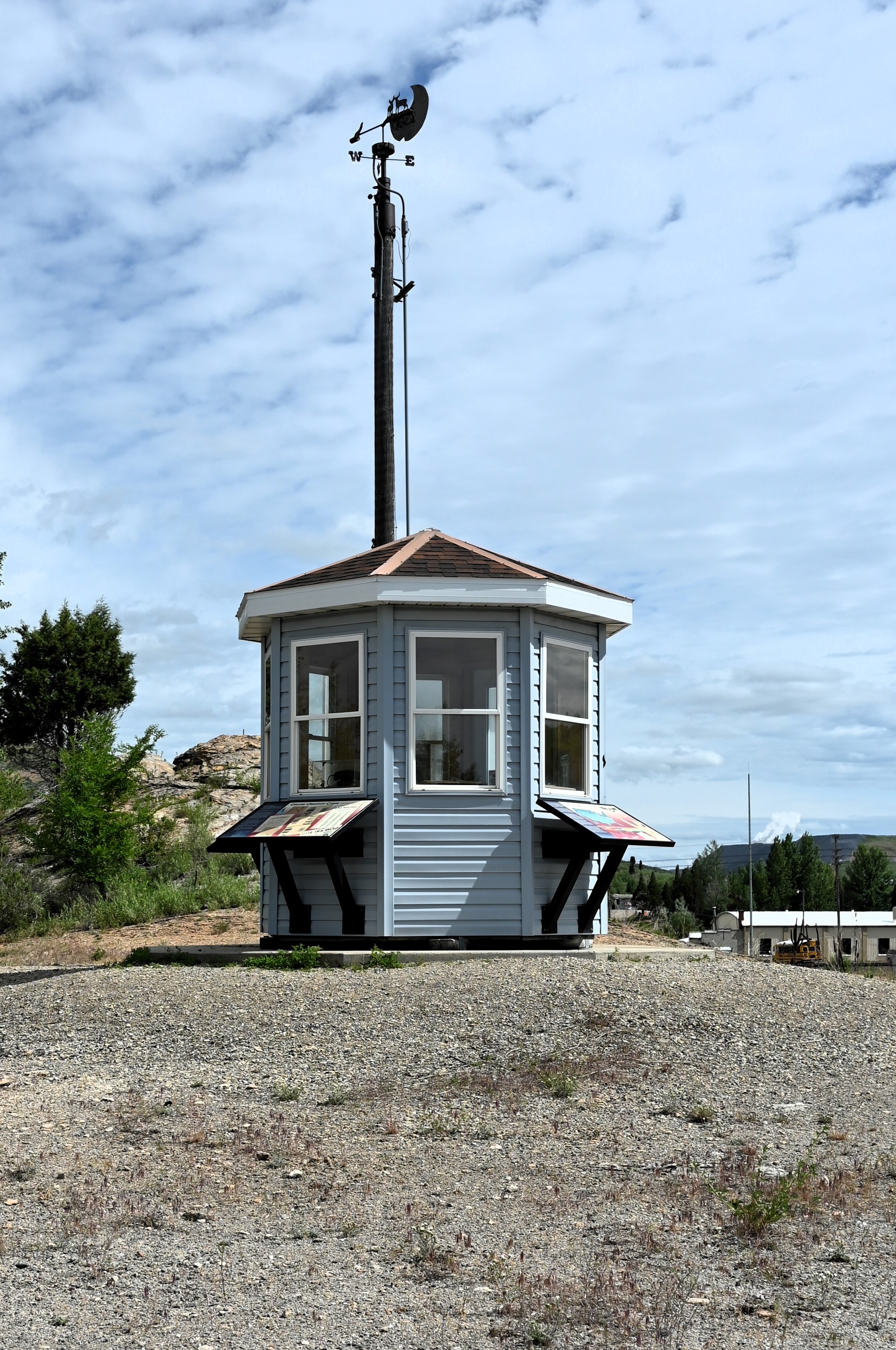
Also in Soda Springs was an observation tower used by the Ground Observer Corps. The GOC was a group of volunteers during WWII and the Cold War that supplemented the radar warning network by visually searching the skies with the naked eye and binoculars for enemy aircraft attempting to penetrate American airspace. At its peak the GOC had over 1.5 million volunteers and 14,000 Observation Posts. The GOC was disbanded in January of 1959.
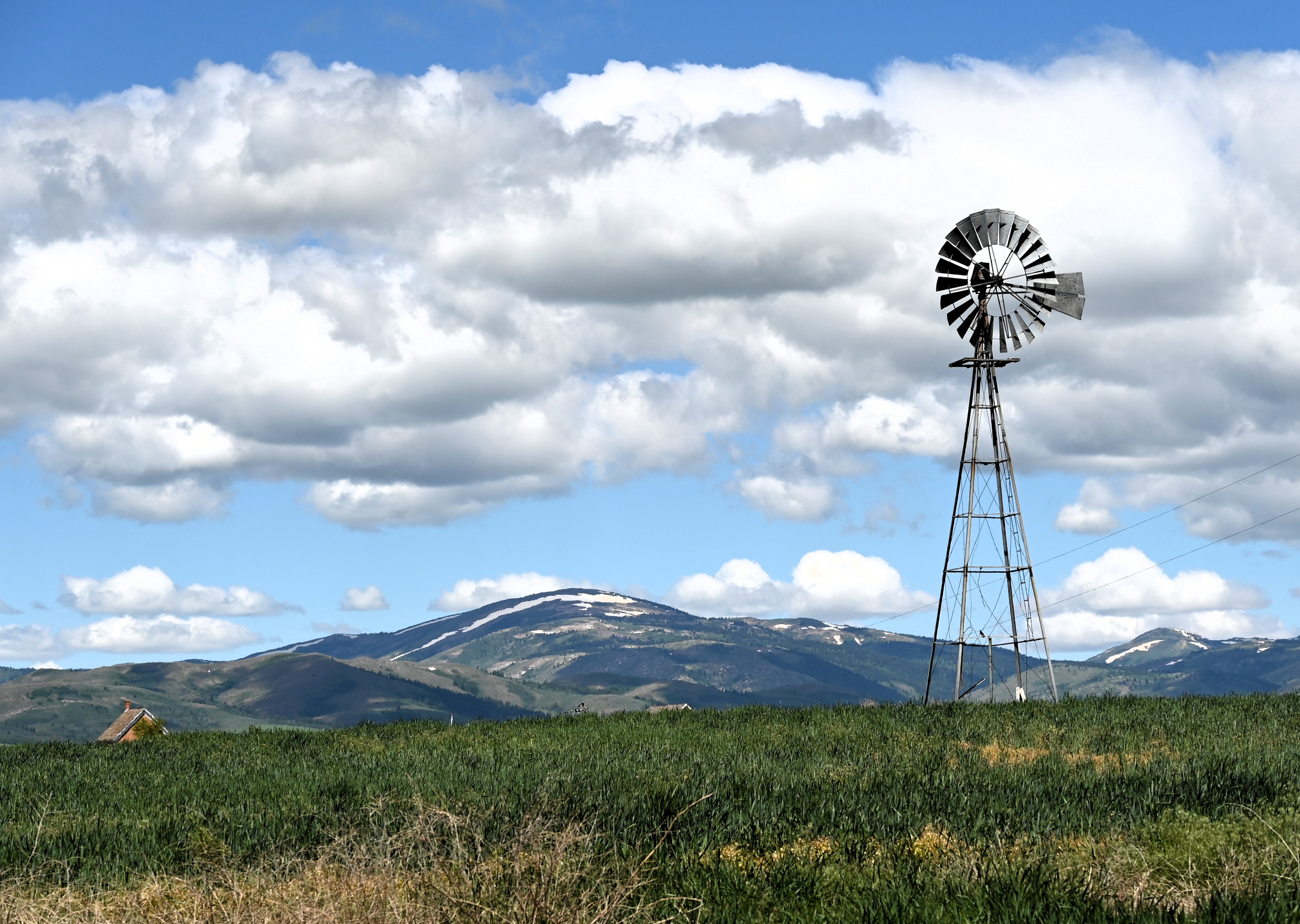
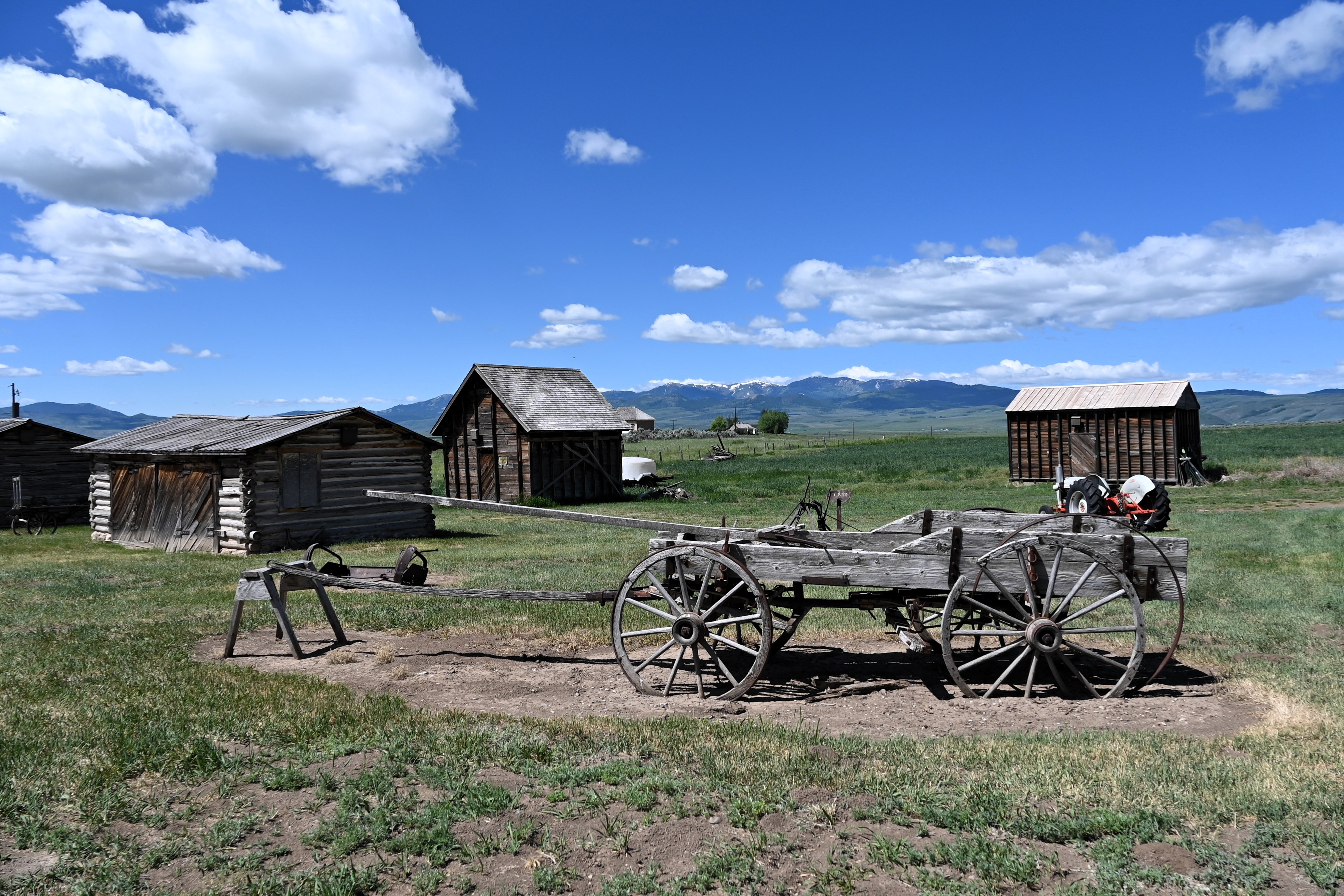
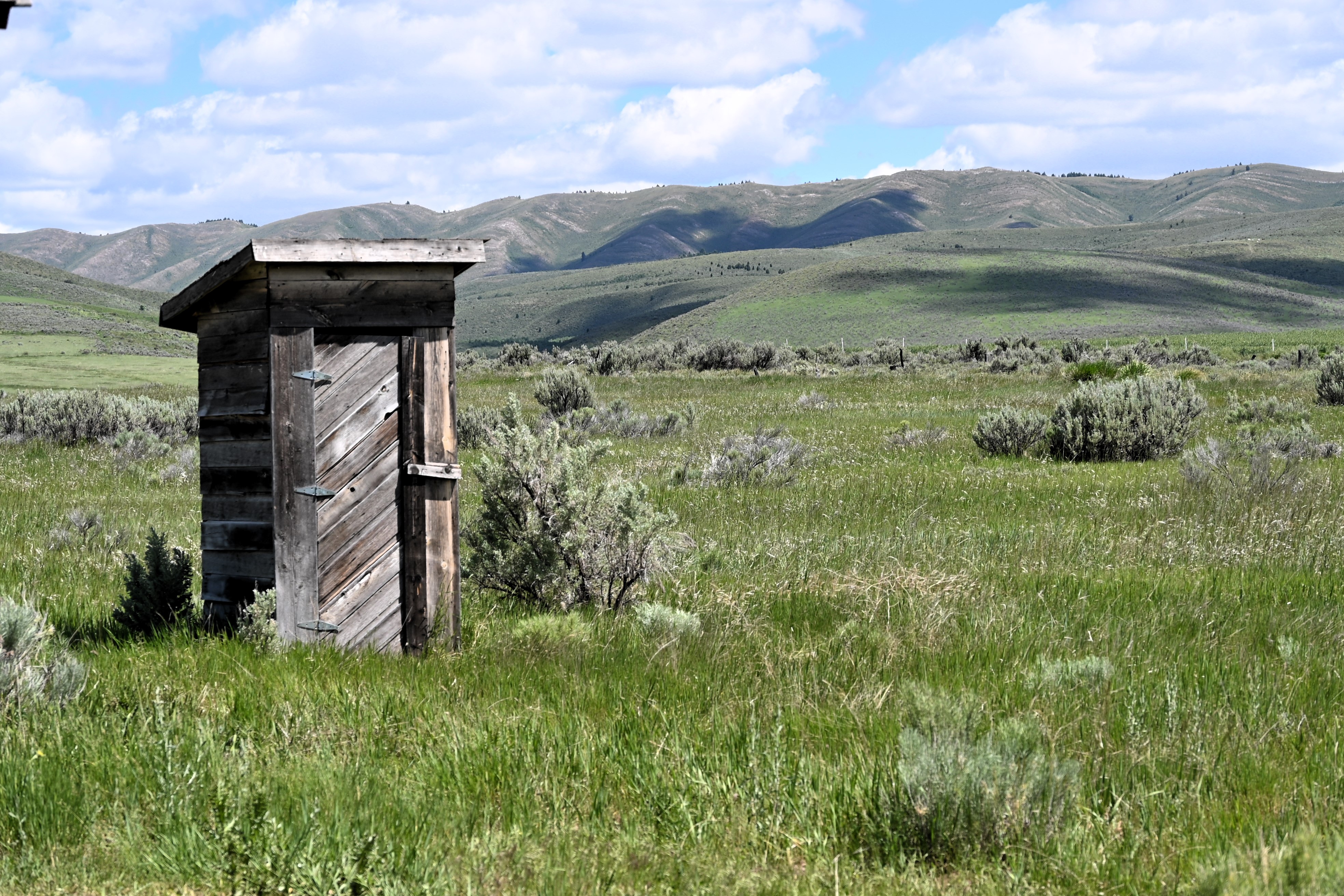
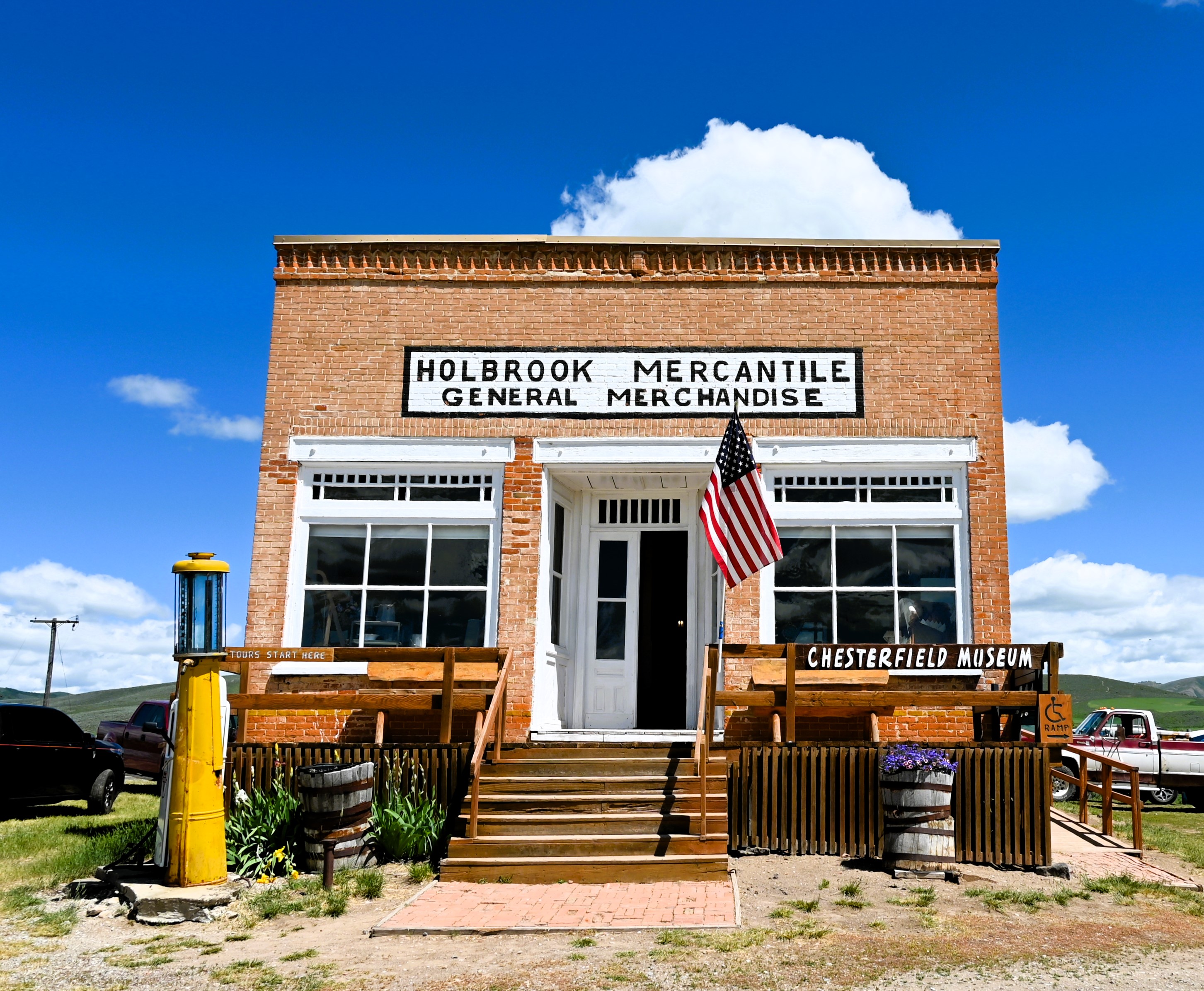
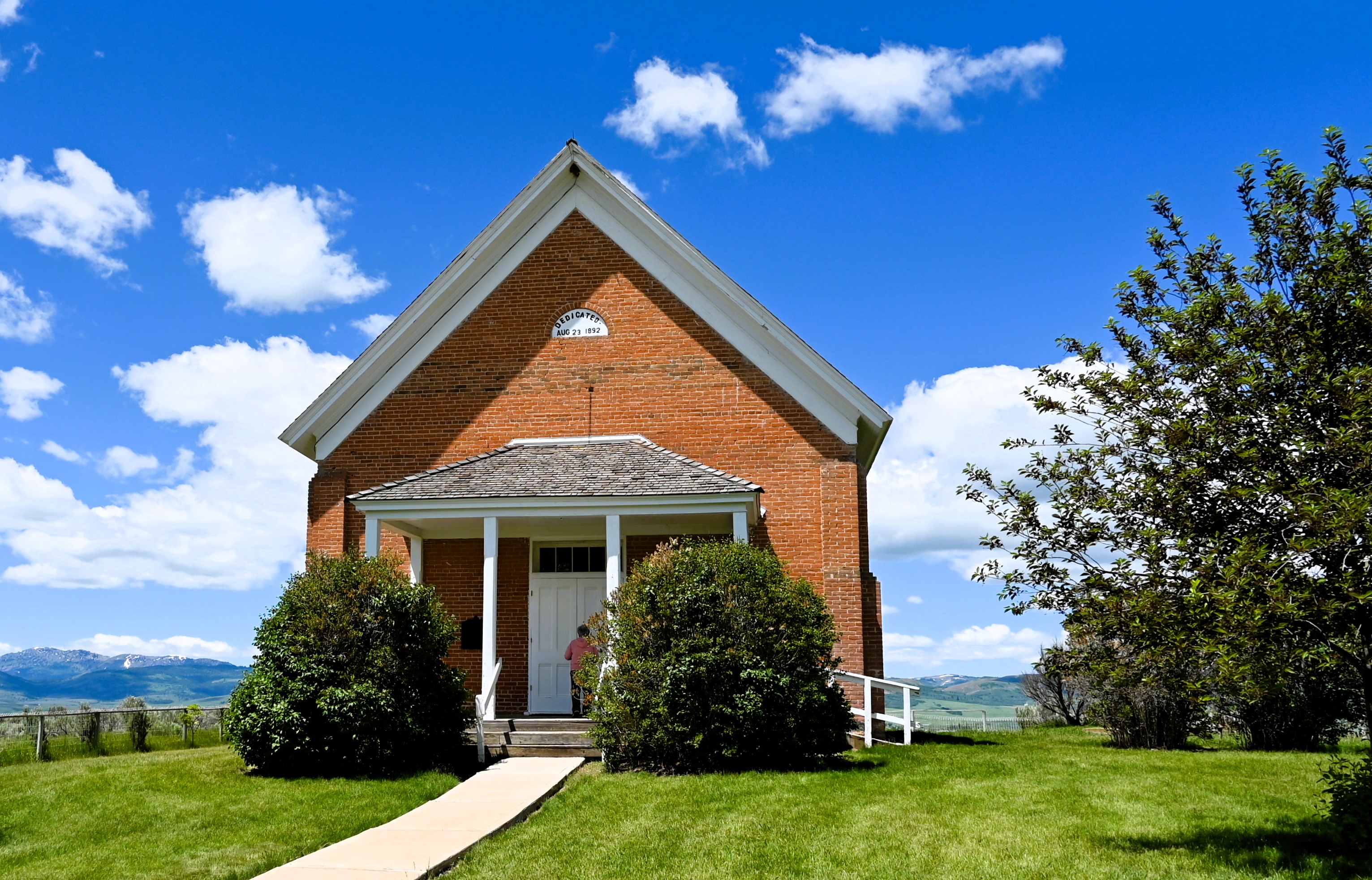
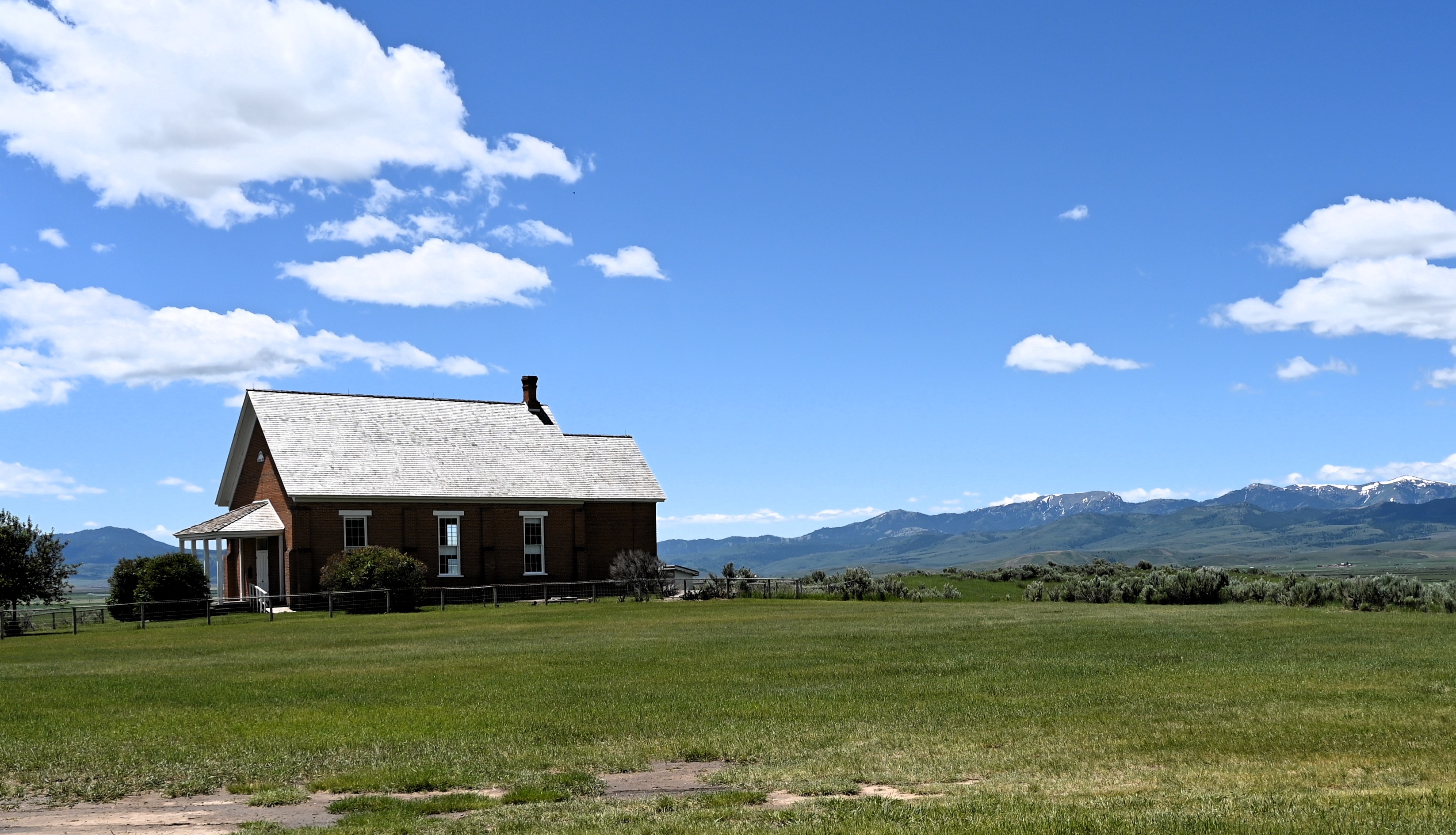
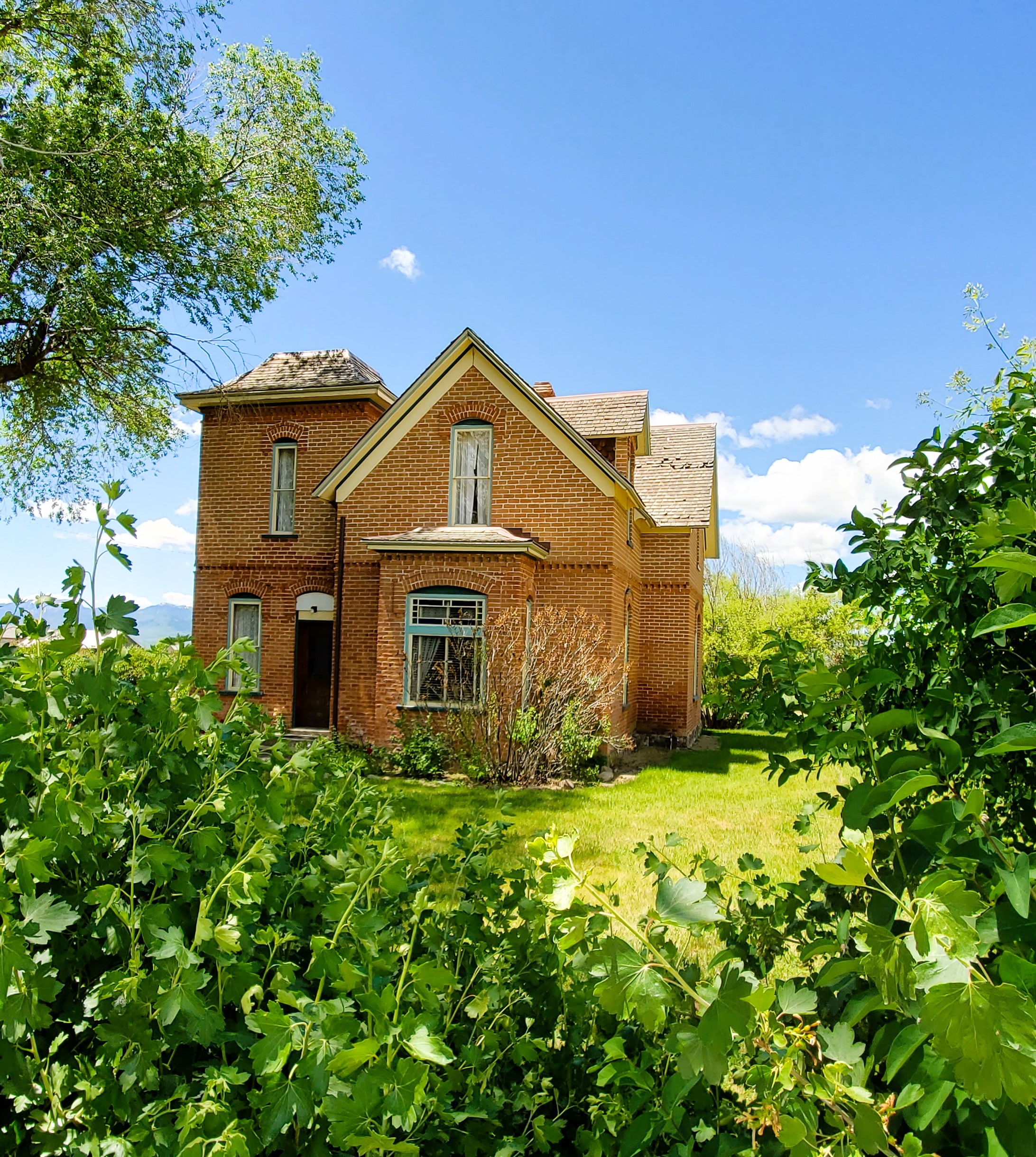
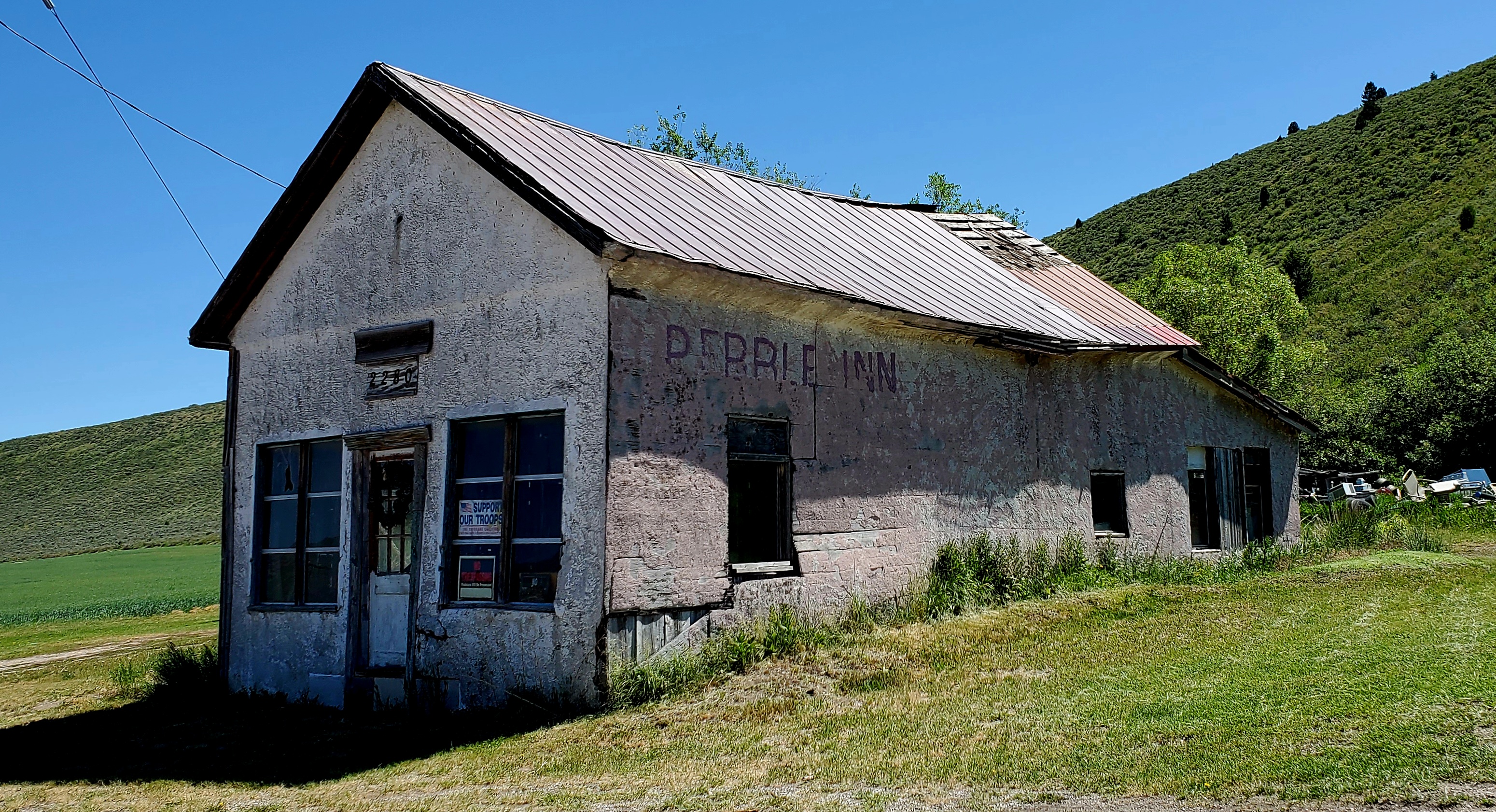
We visited the historic (ghost) town of Chesterfield which is an amazing Mormon pioneer village settled in 1880 and also on the Oregon Trail. It is a village frozen in time with stately homes made of bricks, crafted near the town site, humble log homes and wood slat houses. The town is as it was a 100 plus years ago. We did a free tour with a volunteer guide in a wagon pulled by a pickup truck. On the tour we were able to enter several of the homes, the church, and other structures in the town with our guide. Many buildings in the town are owned by the original families and they are responsible for the renovations and upkeep. Others are abandoned.
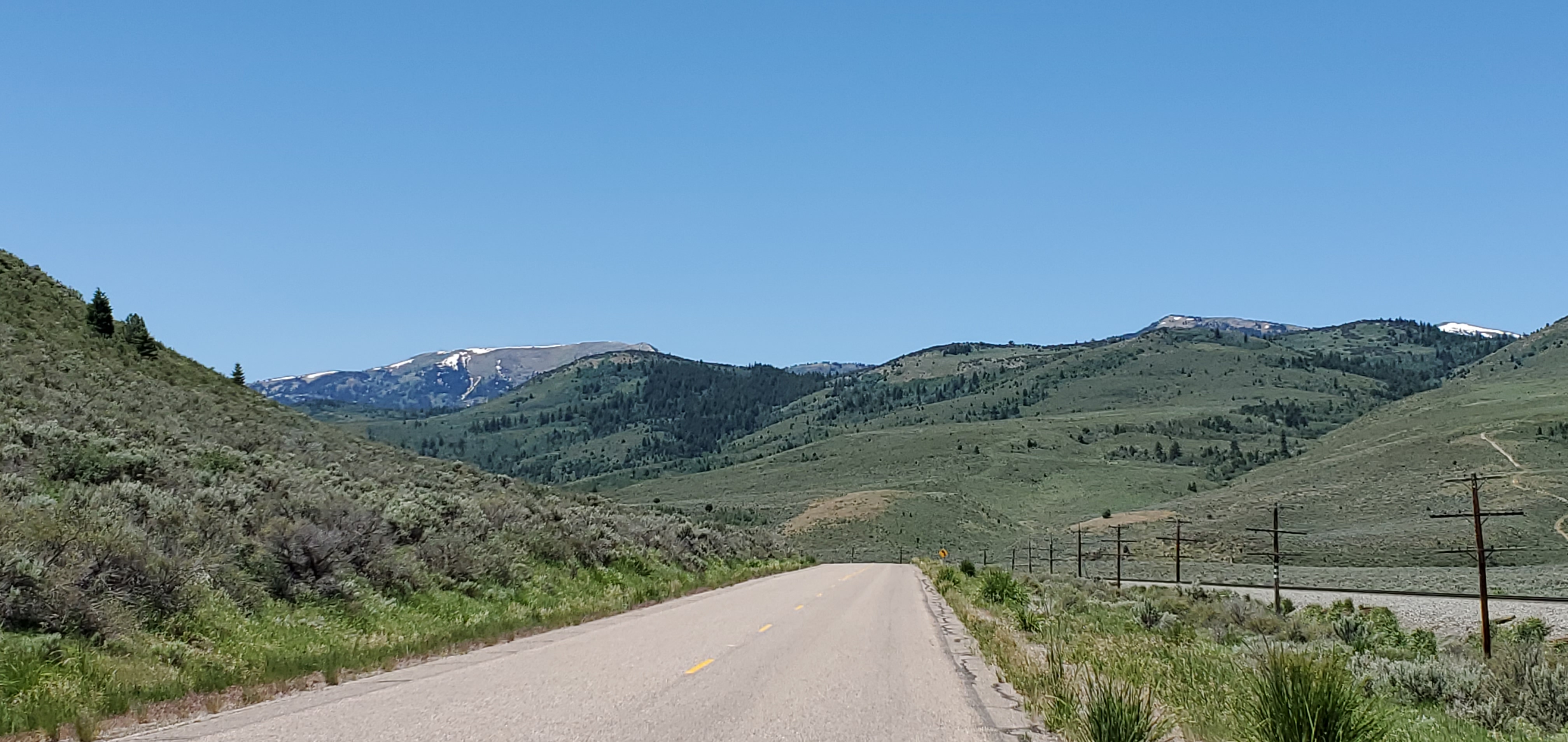
Our last day we did a bike ride on the Old Highway (the original US Hwy 30). It runs parallel with the Union Pacific railroad tracks and meanders through the valley. Car traffic was minimal and we enjoyed the cool temps. Yes, we had on long sleeves and vests!
Onward to Arco, Idaho and Crater of the Moon National Monument.

 Adventures of Tin Can Lulu
Leave a comment